
Reviewed · HALF-DAY
Cebu City: Half-Day Tour with Shopping
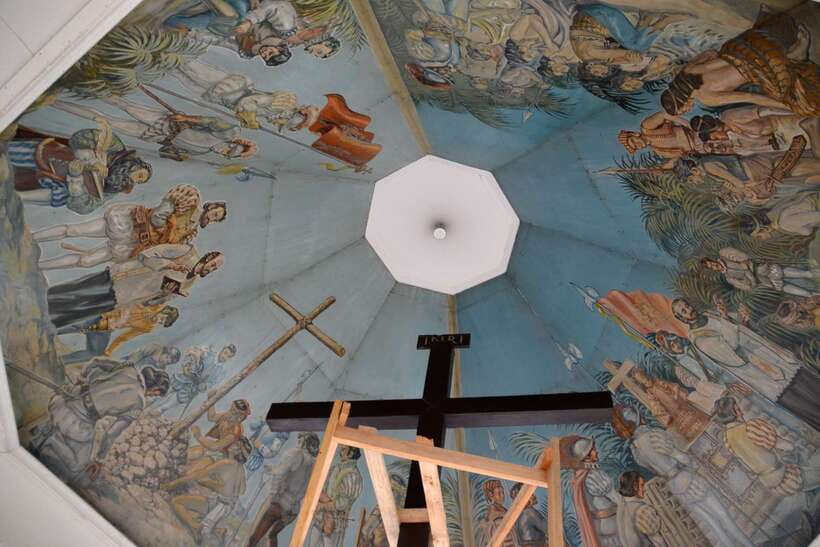
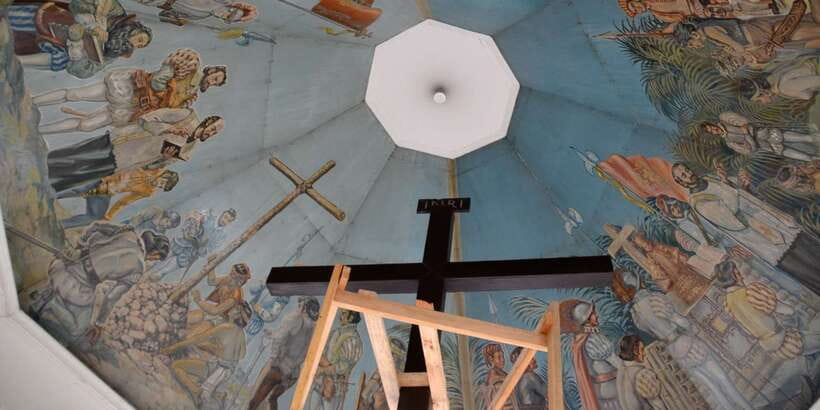
Cebu’s story comes into focus at Magellan’s Cross, where a small pavilion marks the place linked to the first Catholic baptisms in the Philippines in 1521. From there, this private four-hour tour moves through churches, a Spanish-era fort, an old family home, and central Cebu streets before ending with handicraft shopping. I like the blend of major sights and the ease of an air-conditioned car, especially in Cebu’s heat and traffic.
I also like that you get a live English-speaking guide rather than simply being dropped at monuments. Guides such as Belle, LizAnn, Stuart, and Mr. Oanio have been singled out for clear explanations and friendly service. The main drawback is the pace: six stops can mean only a short visit at each, and the Taoist Temple at Beverly Hills is temporarily closed. Shopping may also be skipped, so do not book this solely for retail time.
Key points to know before booking
- Magellan’s Cross leads you into Cebu’s Catholic story: The pavilion marks the traditional site of the 1521 baptisms.
- Six central Cebu sights fit into four hours: Expect a quick-moving route with roughly 10 to 15 minutes of driving between some stops.
- The private vehicle matters: Air conditioning gives you a cool break between walks through hot, busy streets.
- Guides make the difference: Belle, LizAnn, Stuart, and other English-speaking guides have been praised for history, timing, and friendly help.
- The Taoist Temple is temporarily closed: The route may still pass through Beverly Hills, but this stop is not currently available.
- Shopping is not guaranteed: Handicraft stores are planned as the final stop, but one customer found that this part did not take place.
Cebu’s oldest stories in one short outing
This is a useful introduction to Cebu City, particularly if you have only half a day, are changing hotels, or want to see the main old-city sights without arranging several taxis. The route focuses on the places most closely tied to Spanish rule, Catholic worship, and Cebu’s early colonial period.
The city is not presented as a polished museum district. You move between active churches, old stone walls, family buildings, monuments, and crowded roads. That is part of the point. Cebu’s past sits beside its present, and the drive between stops gives you a quick sense of how spread out and busy the city can be.
The tour costs $65 per person. That is not the cheapest way to see Cebu, but the price includes private air-conditioned transportation, an English-speaking guide, hotel pickup in Cebu City, and entrance fees. For one or two people, the value rests mainly in the car and guide. You are paying to avoid piecing together transport in a city where traffic can slow even short journeys.
The four-hour length also has a practical advantage. You can use it on a first day to get your bearings, before a flight, or before moving on to another part of Cebu. One booking lasted about four hours and worked well before checking out and heading to the airport, though you should allow extra time around the tour if your flight schedule is tight.
A few more Cebu days worth weighing up
- Cebu Highlands: Half-Day Escape with Optional Lunch
★ 4.5 · 63 reviews - Half-Day Cebu City Tour
★ 4.5 · 29 reviews - Cebu City with Sirao Garden Half Day Tour
★ 5.0 · 14 reviews
Magellan’s Cross and the beginning of Cebu’s Catholic story
The first major stop is Magellan’s Cross Pavilion. The cross was planted in 1521 to mark the place where native Filipinos were baptized into the Catholic faith. Your guide explains its significance, giving you a useful starting point for understanding why Cebu remains such an important Catholic center.
The pavilion itself is a brief stop, but it carries more weight than its size suggests. You are looking at a symbol tied to the arrival of Spanish influence and Christianity in the Philippines. The experience is less about spending a long time inside and more about hearing the story around the marker.
This is one place where a guide earns their keep. A quick photo tells you very little. A guide can connect the cross to the nearby Santo Niño Church and explain why these two sites are usually visited together. Bring a hat or sunglasses, since shade and heat can be an issue while walking between the vehicle and the monuments.
Santo Niño Church and active Catholic Cebu
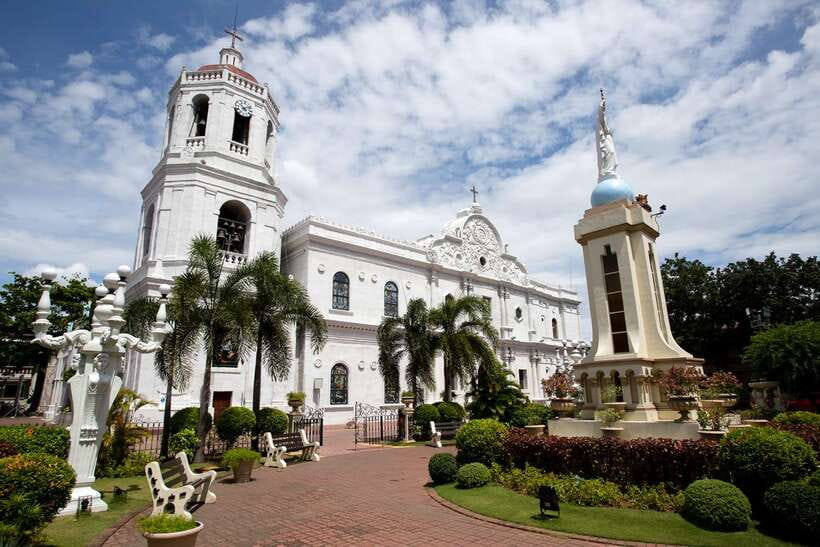
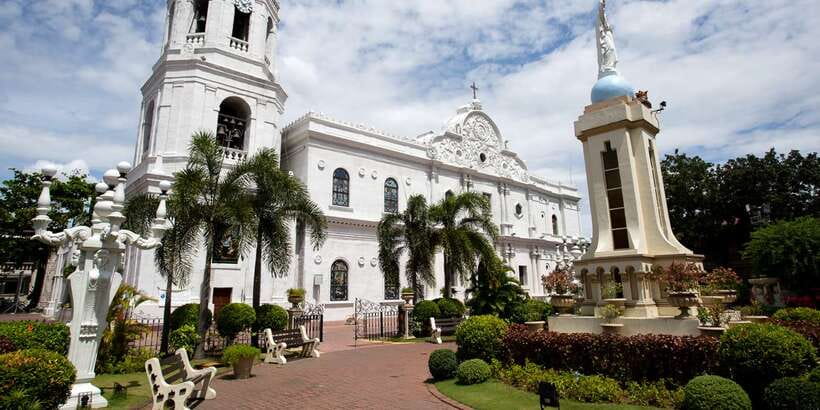
The tour continues to the Basilica Minore del Santo Niño, also called St. Niño Church. It is described as the oldest Catholic church in Cebu, and it remains a working place of worship rather than a quiet historical shell.
That distinction matters. You should expect a religious site with its own rhythm, not simply a stop where you wander freely. Dress and behave respectfully, and follow any instructions given at the entrance. Your guide can explain the church’s place in Cebu’s Catholic tradition and help you understand why the Santo Niño image is so important locally.
The church and Magellan’s Cross work well as a pair. One introduces the early baptism story, while the other shows how Catholic devotion became part of Cebu’s public and cultural life. If you have never visited Cebu before, these are among the most useful stops for historical context.
The trade-off is time. This is a four-hour tour with several more locations ahead, so the visit will not feel like a long, unhurried church tour. You will see the key site, hear its background, and move on.
Fort San Pedro, the Spanish settlement’s old defensive core
Fort San Pedro offers a change of mood. The fort was the nucleus of the first Spanish settlement in the Philippines and is now a museum park. Its walls and compact grounds give you a physical sense of the Spanish presence that can be harder to grasp from church interiors alone.
The adjacent museum adds facts and objects to the outdoor visit. This is a worthwhile stop because it gives structure to Cebu’s colonial story. Instead of hearing only about dates and names, you can look at a fortified site built for protection and administration.
Do not expect a huge complex. The attraction is manageable, which suits the half-day schedule, but it also means you will not spend hours exploring. Your guide’s explanation is important here. Without context, the fort can seem like a short photo stop. With a good guide, its role in the early Spanish settlement becomes clearer.
The vehicle is especially useful on this part of the route. After walking through the fort and museum park, you get a cool, seated break before the next stop. Several tour accounts praised the clean vehicle and the drivers’ ability to collect the group promptly and handle Cebu’s difficult roads.
Same islands, a completely different kind of day:
- Cebu City: Whale Shark Swimming & Kawasan Falls Canyoneering
★ 4.7 · 665 reviews - Canyoneering Experience in Kawasan Falls with Lunch
★ 5.0 · 440 reviews - Cebu: Whale Shark Swim and Kawasan Canyoneering Tour
★ 4.6 · 318 reviews - Cebu: Kawasan Falls Canyoneering Tour with Ziplining & Lunch
★ 4.8 · 259 reviews
The Heritage Monument and a quick look at Cebu’s past
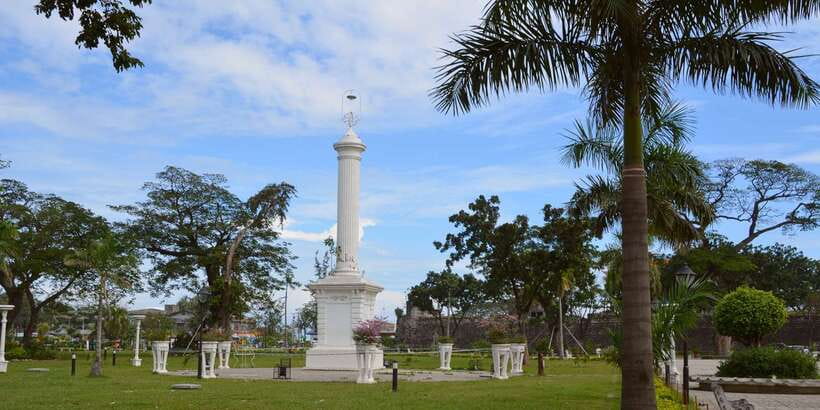
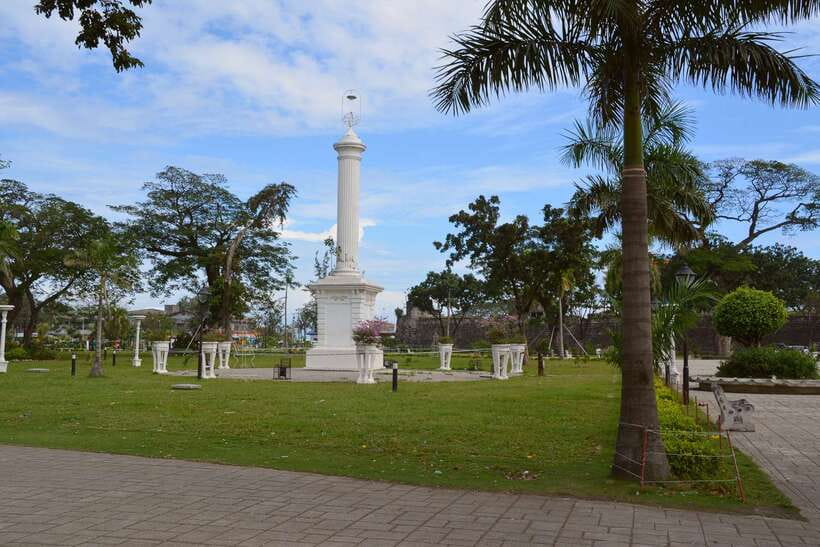
The Heritage Monument is included among the central Cebu stops. It brings several moments from the city and region’s past together in one public artwork, giving you another way to see Cebu’s story beyond churches and military buildings.
The visit is likely to be short, but that is appropriate for a monument viewed from the outside. Listen closely as your guide points out what the scenes represent. This is the kind of stop that benefits from narration, since the meaning may not be obvious at a glance.
The route’s short driving legs help make this possible. One customer described the drives between locations as roughly 10 to 15 minutes, with the group moving quickly from one sight to the next. That pace is efficient, but you should wear comfortable shoes and be ready to get in and out of the vehicle several times.
Yap-San Diego Ancestral House and old Cebu family life
The Yap-San Diego Ancestral House is one of the most distinctive stops because it shifts the focus from public monuments to domestic life. The house lets you step back into an older Cebu, with the tour describing a connection to the 1600s in Spain and the long Spanish period.
An ancestral home tells a different story from Fort San Pedro. Here, you can think about how families lived, stored belongings, received visitors, and maintained a household through changing political times. The appeal is personal rather than grand.
This stop also helps break up the route. After religious sites and a fort, an old home gives you a closer look at the city’s social past. It is likely to appeal most to anyone who enjoys architecture, family history, and objects with a sense of everyday use.
Again, do not expect a long independent visit. The schedule is designed to give you a taste of several places, not a full museum afternoon. Keep your attention on the guide’s explanation and the details of the house itself.
The Taoist Temple stop is currently uncertain
The itinerary includes the Taoist Temple at Beverly Hills, but the temple is temporarily closed. That means you should not count on entering or receiving the full visit originally associated with this stop.
This is important when comparing the tour with other Cebu options. The temple would add a different religious and architectural perspective to a route otherwise centered largely on Catholic and Spanish-era sites. At present, however, the available experience is affected by the closure.
Ask for the current route when you book or before pickup if this sight is important to you. The supplied information does not promise a replacement stop, so you should judge the tour mainly on the available central Cebu sights rather than on the temple.
Shopping at the end, with one important warning
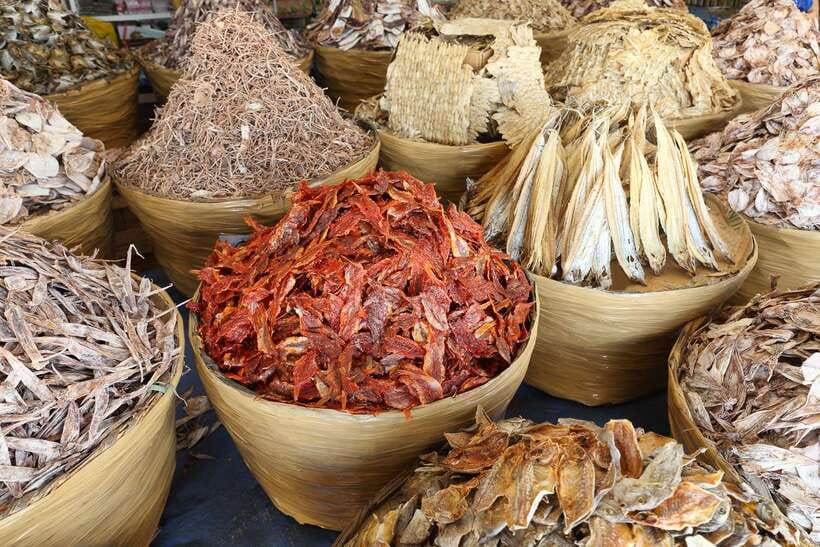
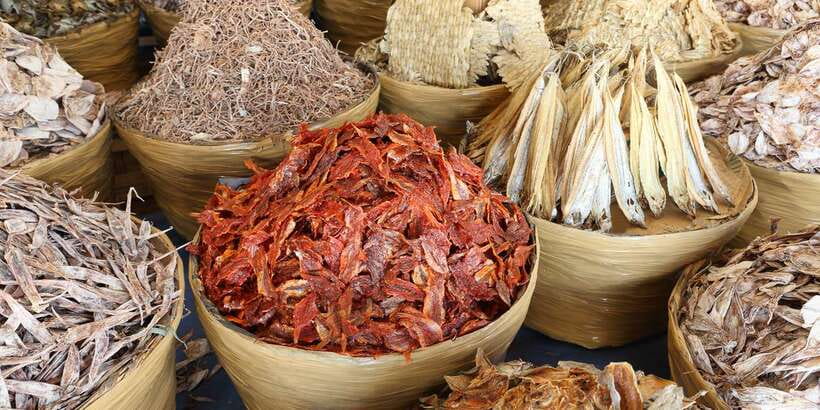
The final planned stop is at handicraft stores. This can be useful if you want to look for small Philippine-made gifts without giving up a separate afternoon to shopping. It also gives the tour a practical finish, especially if you want to buy something before leaving Cebu.
Still, shopping is the least certain part of the experience. One customer completed the historical route but said the shopping stop did not happen. Traffic, timing, store arrangements, or the day’s schedule may affect it.
For that reason, I would treat shopping as a possible extra, not the main reason to reserve the tour. If you need specific items, ask the operator at the start whether the handicraft stop is operating that day and how much time is available.
Why the private car and driver matter in Cebu
The private group format is one of the tour’s strongest features. You are not sharing a large coach, and the driver can wait while you visit each place. That makes a difference in Cebu, where traffic can turn a simple route into a slow one.
Drivers named in the feedback include Julius, Erikson, Ellie, and another driver identified uncertainly as Ellie. They were praised for safe driving, punctual pickups, and handling narrow or crowded city roads. One customer specifically noted that Erikson managed heavy traffic well, while another appreciated having the car ready at each site.
The air conditioning is more than a comfort bonus. Cebu can be hot, and several short outdoor stops add up. The car gives you a place to cool down, drink your own water, and reset before the next walk. Food and drinks are not included, so bring what you need within the operator’s rules.
This is still a four-hour outing with repeated stops. Wear shoes suited to walking, and bring sunglasses and a sun hat. One person also suggested an umbrella or fan for extra shade at some locations.
The guides are central to the experience
The guide can shape this tour more than any individual attraction. Belle, LizAnn, LizAnn, Stuart, Mr. Oanio, Oliver, Paul, and others have been associated with clear history, friendly conversation, punctuality, and flexibility.
That range of names does not mean you can select a particular guide. It does show the sort of service you can expect from the better departures: an English-speaking guide who explains the background, keeps the route moving, and helps you understand what you are seeing.
Good guiding matters because the stops are compact and sometimes visually simple. Magellan’s Cross, the Heritage Monument, and Fort San Pedro all gain meaning through explanation. A guide also helps you use limited time well, which is why this tour has earned a 4.8 rating from 36 reviews and a 94 percent perfect score for transport.
Who should book this Cebu half-day tour?
I would recommend it to first-time visitors who want the city’s main historic sights handled in one outing. It suits couples, families, and small private groups that value hotel pickup and do not want to negotiate Cebu transport on their own.
It is also a good fit for a free morning or a short stopover. The four-hour format covers enough ground to give you a sense of Cebu City without taking over your entire day. You can then spend later hours at your hotel, on another activity, or preparing for a flight.
I would be more cautious if you want long visits, quiet time, or a flexible photography schedule. The route moves quickly, and six places in four hours leaves little room for lingering. Wheelchair users should also note that the tour is not suitable for them.
Free cancellation is available up to 24 hours before departure, and you can reserve now and pay later. Those terms are useful if your Cebu plans may change, but the more important booking question is whether you are comfortable with a fast overview rather than a slow, detailed tour.
Should you book it?
Book this tour if you want efficient access to old Cebu, a private air-conditioned vehicle, and a guide who can connect the major sights. The strongest parts are the church and colonial route, the practical transport, and the chance to see several important places in one morning.
Skip it if shopping is your chief aim, the Taoist Temple is essential, or you prefer to spend an hour at each site. Before booking, confirm the day’s shopping plan and the current status of the temple. For a first look at Cebu City, though, $65 can be fair value when you place a price on transport, entrance fees, hotel pickup, and four hours of personal guiding.
FAQ
How long does the Cebu City tour last?
The tour lasts four hours.
What is the price?
The price is $65 per person.
Is hotel pickup included?
Yes. Pickup is included from hotels in Cebu City.
Is the tour private?
Yes. It is offered for a private group.
What language does the guide speak?
The live tour guide speaks English.
Is transportation air-conditioned?
Yes. Air-conditioned transportation is included.
Are entrance fees included?
Yes. Entrance fees are included in the tour price.
Are food and drinks included?
No. Food and drinks are not included.
Is the Taoist Temple open during the tour?
The Taoist Temple at Beverly Hills is temporarily closed.
Is the tour suitable for wheelchair users?
No. The tour is not suitable for wheelchair users.
Just added around Cebu
- Trekking to see the beautiful view of Cebu City★ 3.3 · 4 reviews
- Kalanggaman Island Day Tour Package from Cebu City or Mactan★ 3.0 · 6 reviews
- Kawasan Falls and Mantayupan Falls in One Day from Cebu★ 5.0 · 5 reviews
- Kawasan Canyoneering Adventure Package from Cebu★ 5.0 · 11 reviews
- Discover Scuba Diving★ 5.0 · 18 reviews
- Half day tour with Snorkel at Sancturary and Sulpa island★ 5.0 · 3 reviews
- Snorkeling at San Vicente with speed boat★ 5.0 · 8 reviews
- Twin Island Snorkeling Adventure at Hiltungan and Nalsuan★ 5.0 · 5 reviews
Half-Day, compared.
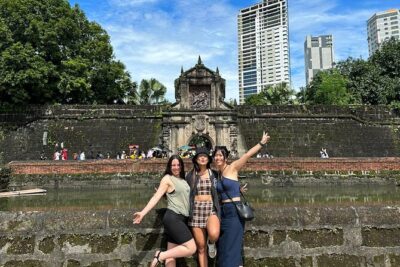
Intramuros, Chinatown, and Old Manila Half-Day Tour
Read our review →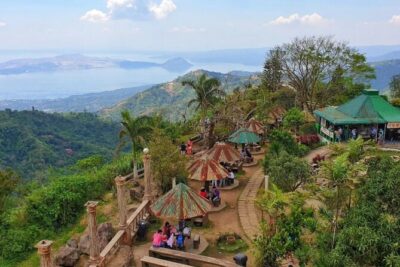
Discover Tagaytay’s Countryside: Half-Day Sightseeing Tour
Read our review →
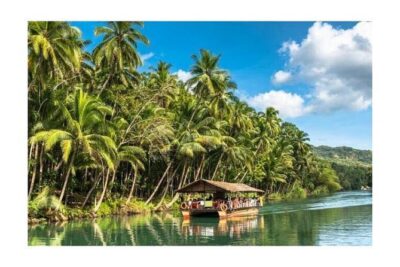
Chocolate hills tour with Tarsier & Loboc river Buffet Lunch (half-day tour)
Read our review →
Cebu Highlands: Half-Day Escape with Optional Lunch
Read our review →
Browse the lists this tour appears in