
Reviewed · SCUBA DIVING COURSES
Bohol: Discover Scuba Diving – No Experience Needed
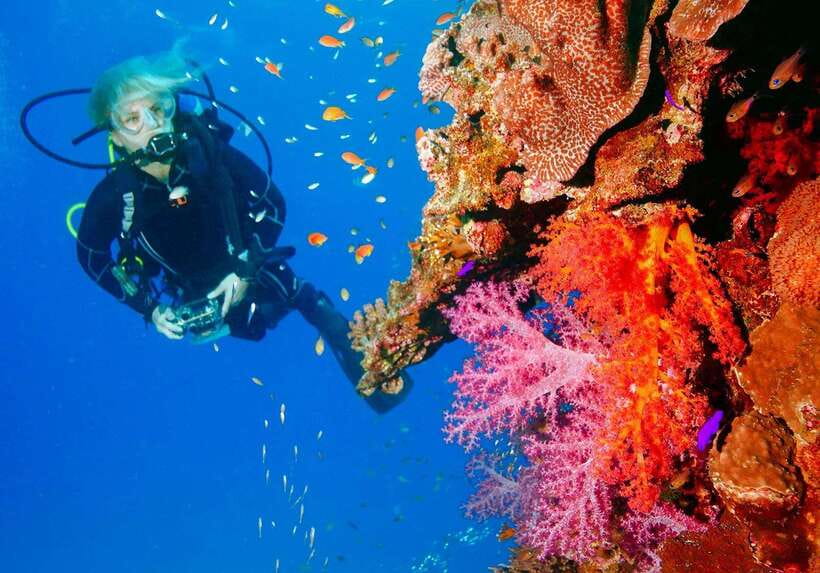
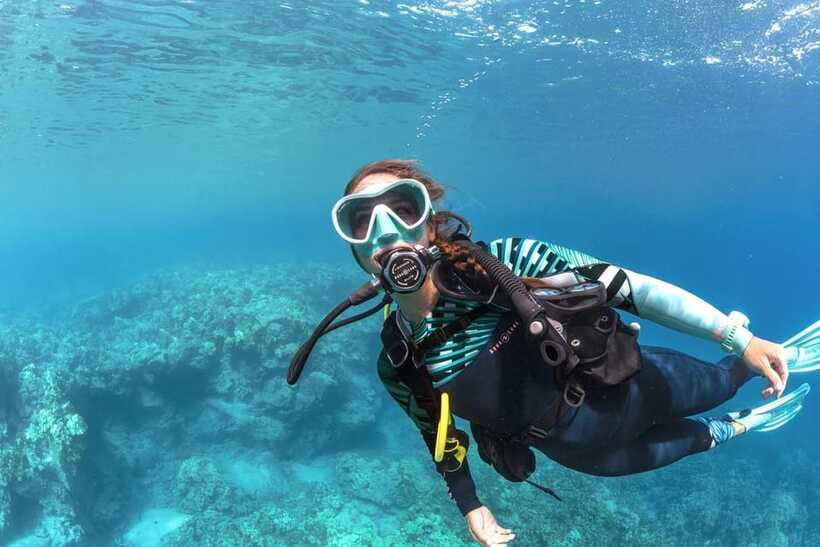
Panglao’s clear, warm water makes a first scuba experience feel far less intimidating than most people expect. You learn the basics, practice close to shore, then head out for a 30-minute guided ocean session with an instructor beside you from start to finish.
I like the patient step-by-step format, especially the full hour of shallow-water practice before open water. I also like that underwater photos and videos are included, so your first time below the surface does not exist only in your memory.
The main consideration is that transportation to the dive center is not included, although it can be arranged if requested. You should also be comfortable in the water, since basic swimming skills are recommended.
Key Points
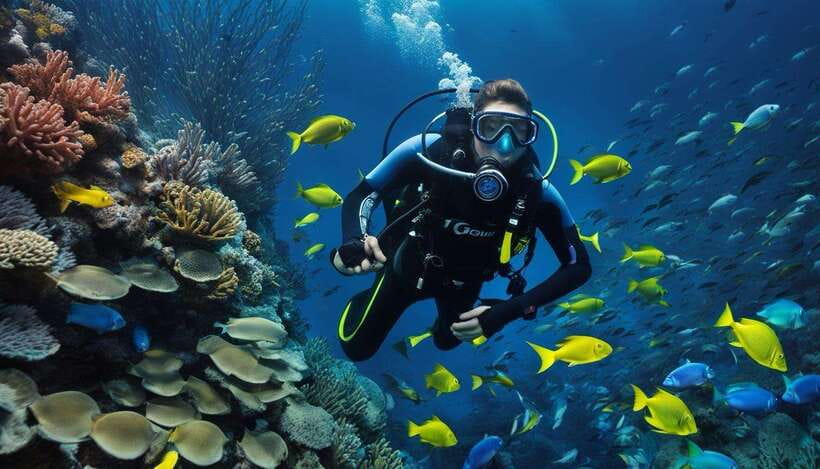
- Made for first-timers: No license, certification, or previous scuba experience is required.
- One-hour shallow-water practice: You get time to learn breathing, hand signals, and basic safety before heading out.
- Instructor beside you: The ocean portion stays guided and within beginner-friendly depths.
- Small group format: Participation is limited to 10 people, which helps keep instruction personal.
- Photos and videos included: You receive complimentary underwater images from your first session.
- Most costs are covered: Equipment, boat transport, marine fees, and instruction are included in the $104 price.
A Gentle First Step Into Panglao’s Underwater World
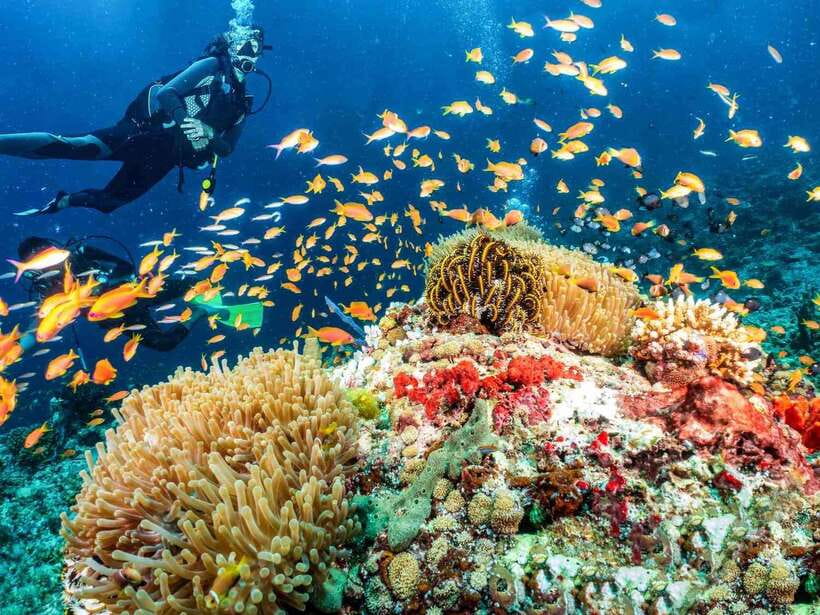
This experience is built for curiosity, not commitment. You do not need a scuba license, and you are not signing up for a full certification course. Instead, you get a short introduction that lets you find out how your body and mind respond to breathing underwater.
That distinction matters. A certification course takes more time, includes more theory and skills, and asks for a larger commitment. This three-hour session gives you a useful sample without taking over your holiday.
I would choose it if you have always wanted to try scuba but felt nervous about equipment, breathing, or open water. The structure is reassuring: explanation first, practice second, ocean time last. You are not pushed straight from a boat into the sea with a regulator in your mouth and a quick good-luck speech.
Panglao, on Bohol, is also a sensible setting for beginners. The experience takes place in clear tropical water, and the ocean portion stays within beginner-safe depths. Conditions can still affect any water activity, but the setting is designed to make the first attempt manageable.
More scuba diving courses in Panglao:
- WaterColors – Discover Scuba Diving in Boracay
★ 5.0 · 127 reviews - WaterColors – Open Water Diver Certification in Boracay
★ 5.0 · 35 reviews - El Nido: Discover Scuba Diving with Manta Rays in Sibaltan
★ 4.7 · 24 reviews
The First Hour: Theory Without the Heavy Textbook
The session begins with about an hour of scuba theory, supported by video. You learn the basic rules before handling the equipment in the water.
Expect instruction on breathing, hand signals, and safety. Those hand signals matter because you cannot simply talk normally underwater. You need to know how to communicate that you are fine, need to slow down, want to go up, or are having trouble.
You also learn about equalizing as you descend. One useful tip from the experience is to equalize your nose often while going down, rather than waiting until your ears feel uncomfortable. That small habit can make the descent much easier.
I appreciate that this part is described as short and easy to understand. You do not need a technical background, and the goal is not to turn you into an expert in one morning. The goal is to give you enough information to stay calm, follow instructions, and understand what your equipment is doing.
Still, pay attention here. New participants often focus so hard on the excitement that they forget the practical points. Breathing steadily, using signals clearly, and equalizing early are more useful than memorizing every detail of the video.
The Shallow-Water Practice Session
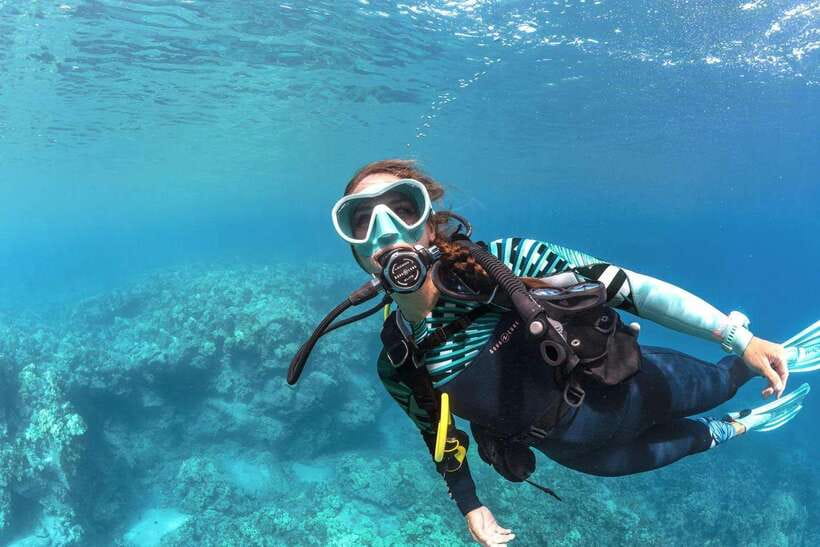
After the theory, you spend about an hour practicing in shallow water with a professional instructor. For a first scuba session, this is one of the most valuable parts of the schedule.
You get time to feel the mask, regulator, wetsuit, and other equipment before moving farther from shore. The gear can feel strange at first. The regulator changes how you breathe, the mask covers much of your face, and movement underwater is slower than swimming at the surface.
Shallow-water practice lets you work through those odd sensations in a controlled setting. You can focus on breathing and basic movement without also worrying about the open sea. If you feel tense, this is the point where you can slow down and ask for help.
The instructor stays involved throughout the session. That direct guidance is especially important for anyone who feels intimidated. One of the strongest features here is the calm pace. The staff explain things clearly, remain close, and help you build confidence before the ocean portion begins.
Basic swimming skills are recommended, so this is not the right choice if you are uncomfortable in water or cannot swim. You do not need previous scuba training, but you should have enough water confidence to follow instructions and remain calm with equipment on.
The 30-Minute Ocean Session
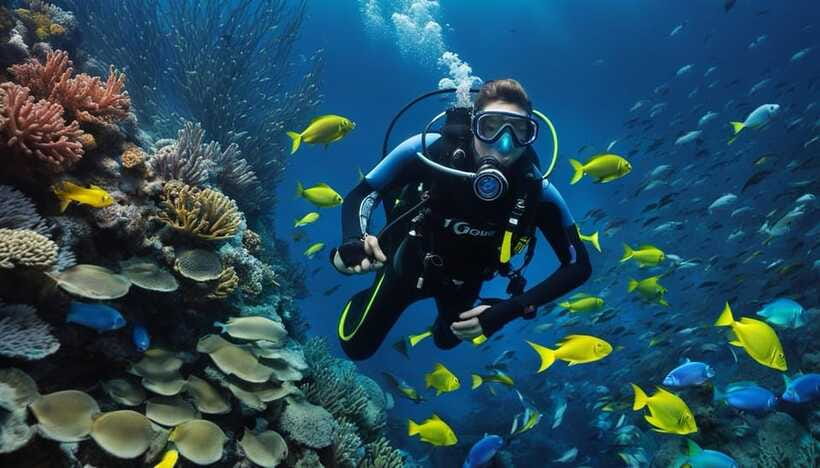
Once you are ready, you take part in a guided ocean session lasting around 30 minutes. Boat transportation is included, along with marine fees, so you can move from the practice portion to the sea without arranging those pieces yourself.
The ocean portion stays at beginner-safe depths, and your instructor remains close the entire time. That is the heart of the experience. You are not expected to navigate, plan a route, or manage the session independently.
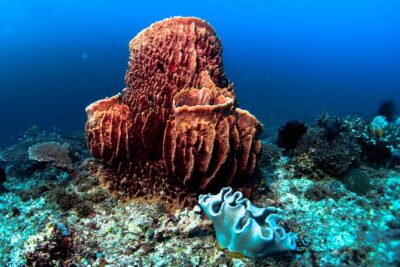
You may see coral reefs and tropical fish. Sea turtles are possible on some sessions, but they should be treated as a lucky sighting rather than a promise. Underwater conditions and marine life change from one outing to the next.
The 30-minute length feels reasonable for a first attempt. It gives you enough time to settle into the rhythm of underwater breathing and look around, but it is not so long that the equipment or concentration becomes exhausting.
I would pay attention to how you feel during the first few minutes. If you need a slower pace, tell the instructor. The session is designed around comfort and safety, so there is no prize for rushing down or staying under longer than you enjoy.
More scuba diving in Panglao:
- Panglao: Helmet Diving Experience with Photos and Videos
★ 5.0 · 3 reviews - Boracay: Helmet Diving Experience with Photos and Videos
★ 4.7 · 155 reviews - Cebu: Beach Scuba Diving Experience
★ 4.9 · 130 reviews - Boracay: Introduction to Scuba Diving Experience
★ 4.8 · 104 reviews
Equipment, Boat Ride, and What the Price Covers
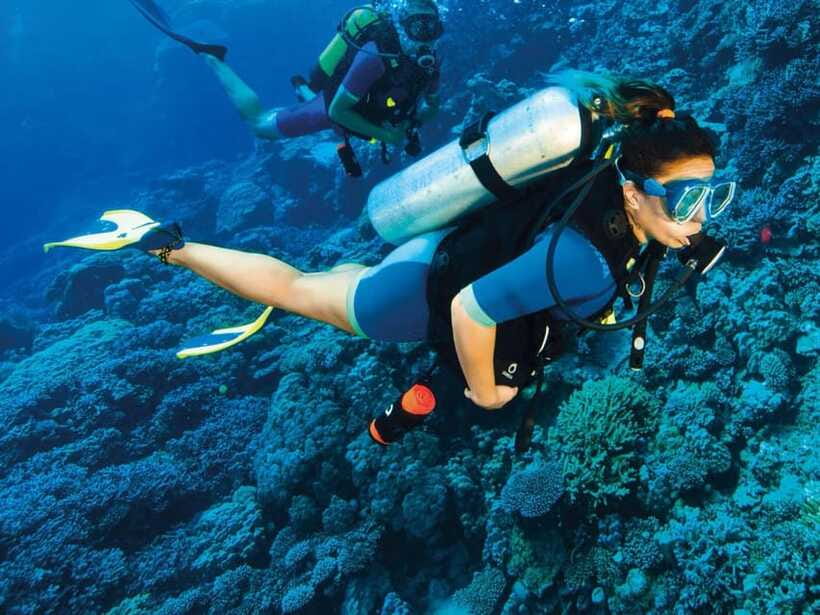
The $104 price includes the full equipment package: wetsuit, mask, regulator, and the other gear needed for the session. It also includes instruction, boat transportation, and marine fees.
That makes the price easier to judge. You are not paying only for 30 minutes in the ocean. You are paying for three hours of instruction and preparation, equipment use, staff support, boat transport, and access fees.
The one-hour theory period and one-hour shallow-water practice take up two-thirds of the scheduled time. Some people may see that as a lot of preparation for a short ocean session. I see it as the part that makes the experience suitable for beginners. Scuba is more enjoyable when you understand the equipment and have practiced the basics first.
Transportation to and from the dive center is not included. If you need it, the operator can arrange it on request, but you should ask ahead of time rather than assume pickup is automatic.
A GoPro is also not included. That is worth knowing if you planned to bring or rent an action camera. The included underwater photos and videos cover the basic souvenir need, but the package does not promise personal GoPro use.
Underwater Photos That Preserve the First Attempt
The included underwater photos and videos are a practical bonus. Your first session involves so much concentration that you may remember the regulator, the breathing, and the instructor’s hand signals more clearly than the reef or fish around you.
Having images gives you something tangible from the experience. It also means you do not need to worry about managing your own camera while learning.
The complimentary images are not a substitute for a private photographer or a personal GoPro. Still, for a beginner session, they are a useful inclusion. You can focus on staying relaxed and looking around rather than trying to record everything yourself.
If photos matter a great deal to you, ask the operator what is included in the final delivery and how you will receive the files. The activity information confirms that photos and videos are included, but it does not specify the number of images or the delivery method.
Small Groups and Instructor Support
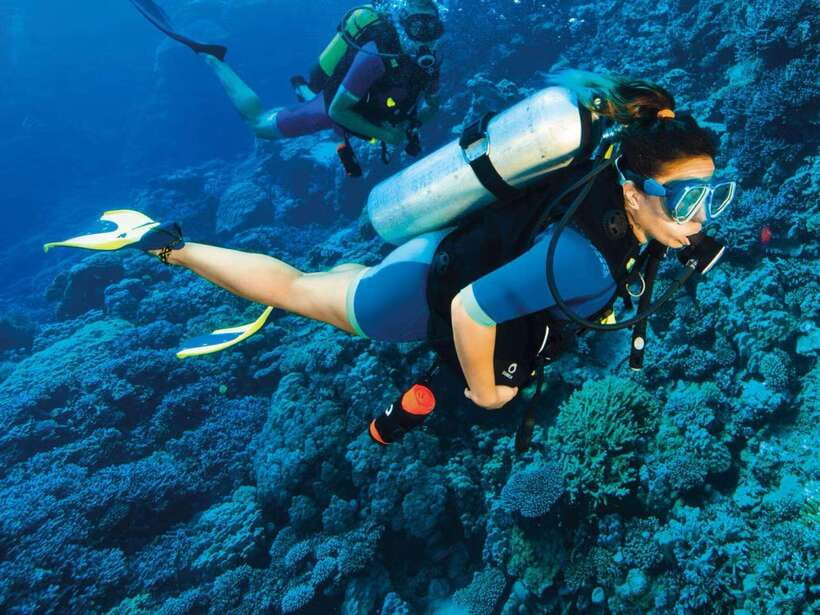
The group is limited to 10 participants. That is not a private lesson, but it is small enough to offer a more personal feel than a large boat outing.
The important point is that your instructor remains beside you during the ocean portion. You are not left to follow a distant guide or figure out the route on your own.
Instruction is available in English, Korean, and Tagalog. That gives you a useful choice if you are more comfortable receiving safety instructions in one of those languages.
The staff’s approach is especially helpful for nervous beginners. The experience is designed to make things easier through clear explanations and patient support. That does not remove every normal concern about scuba, but it gives you a good framework for handling them.
A group size of 10 can still mean different comfort levels and different speeds. If one person needs extra time, the pace may not feel identical for everyone. The instructor’s role is to keep the session safe and manageable, but this is still a shared activity rather than a completely private outing.
Who Should Book This Experience?
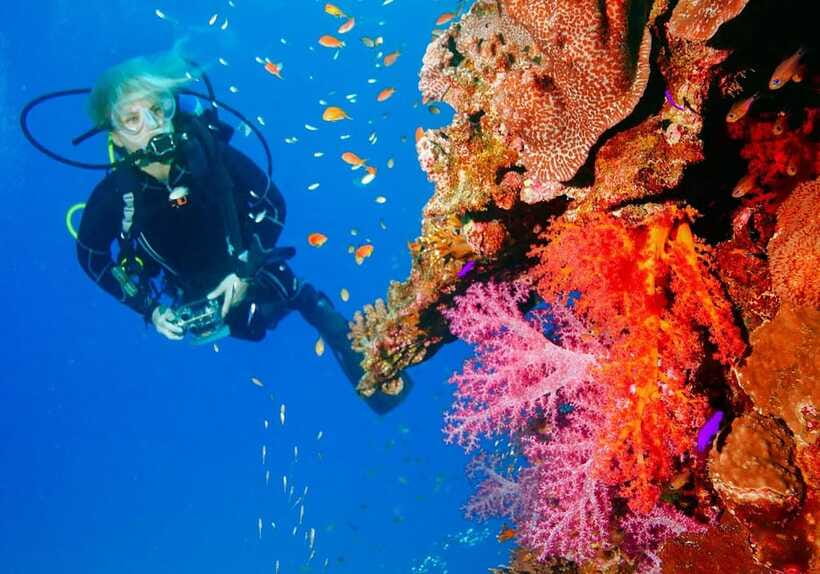
I would recommend this session to adults and older children who have basic swimming skills and want to try scuba without taking a certification course.
It suits you especially well if:
- You have never used scuba equipment before.
- You want a short introduction rather than a multi-day qualification.
- You prefer to learn through practice before entering the open sea.
- You want an instructor beside you throughout the ocean portion.
- You like having photos and videos included.
- You are staying in Panglao and can reach the meeting point, or arrange transport in advance.
I would think twice if you are not comfortable swimming, dislike wearing equipment over your face, or want a long independent session. This is a guided beginner experience, not an advanced trip for certified scuba users.
It is also not the right choice if you expect a guarantee of seeing turtles. Turtles may appear, but marine life is never fully predictable.
Practical Timing and Cancellation Details
The complete activity lasts about three hours. That includes one hour of theory, one hour of shallow-water skills, and roughly 30 minutes in the ocean, with the remaining time used for preparation and movement between stages.
Starting times depend on availability. I would avoid placing this too close to another fixed booking, since weather, equipment preparation, and group timing can affect the day even when the listed duration is three hours.
You can cancel up to 24 hours in advance for a full refund. The reserve-now-and-pay-later option also helps if you are still arranging your Bohol schedule. It lets you hold a place without paying immediately.
The activity provider is Panglao Island Tour. The session is offered in English, Korean, and Tagalog, and the group limit is 10 participants.
Is the $104 Cost Good Value?
At $104 per person, this is not the cheapest way to spend three hours in Bohol. But it includes much more than a short boat trip and a quick look underwater.
You receive an hour of theory, an hour of instructor-led practice, a 30-minute ocean session, all required equipment, boat transportation, marine fees, and underwater photos and videos. If you were to arrange each item separately, the cost and planning would be harder to compare.
The best value comes from the preparation. A low-cost session that rushed you into open water would not necessarily be a bargain, especially if you felt uncomfortable and spent the entire time worrying about the equipment.
I think the price is fair for a first attempt, provided you value instruction and support. Certified scuba users looking for a longer or more advanced outing should spend their money elsewhere. Beginners who want a simple, guided introduction get a well-contained package.
Should You Book It?
Book this experience if you want to test scuba in Bohol without signing up for certification. The careful order of theory, shallow-water practice, and guided ocean time gives you a sensible introduction, while the small group and close instructor support help with nerves.
The included equipment, boat ride, marine fees, and underwater photos add real value to the $104 price. Just arrange your own transportation or request it in advance, remember that basic swimming skills are recommended, and keep your expectations flexible about sea turtles and other marine life.
For a first underwater experience in Panglao, this is a practical choice. You get enough time to learn, enough ocean time to decide if scuba suits you, and no pressure to commit to a longer course.
FAQ
Do I need a scuba license?
No. You do not need a license, certification, or previous scuba experience.
How long does the experience last?
The activity lasts three hours. It includes one hour of theory, one hour of shallow-water practice, and a guided ocean session of about 30 minutes.
How long is the ocean session?
The open-water portion lasts around 30 minutes.
Do I need to know how to swim?
Basic swimming skills are recommended. No previous scuba experience is required.
Is an instructor with me during the ocean session?
Yes. The ocean session is fully guided, and the instructor stays by your side throughout.
What languages are available?
Instruction is available in English, Korean, and Tagalog.
How many people are in the group?
The group is limited to 10 participants.
Is equipment included?
Yes. The package includes the wetsuit, mask, regulator, and other required scuba equipment.
Is transportation included?
Boat transportation and marine fees are included. Transportation to and from the dive center is not included, but it can be arranged if requested.
Are photos and videos included?
Yes. Complimentary underwater photos and videos are included. A GoPro is not included.
Can I cancel for a refund?
Yes. You can cancel up to 24 hours in advance for a full refund.
Can I reserve now and pay later?
Yes. The reserve-now-and-pay-later option lets you book your place without paying immediately.
Just added around Panglao
- Panglao: Snorkeling at NapalingReef with Sardines Experience★ 4.7 · 14 reviews
- Panglao: Private Cave Pool, Beach & Scenic Day Tour★ 4.5 · 13 reviews
- Panglao: Helmet Diving Experience with Photos and Videos★ 5.0 · 3 reviews
- Panglao: Island Hopping w/Balicasag (Shared)★ 3.4 · 4 reviews
- Bohol: Dolphin Watching & Snorkeling at Balicasag Island★ 3.0 · 4 reviews
- Bohol: Whale Shark Snorkeling Experience with Hotel Pickup★ 3.9 · 61 reviews
- Bohol: Firefly Watching River Cruise (Nature-Dependent)★ 3.9 · 24 reviews
- BOHOL: Dolphin Watching, Turtle Swim and Party Boat★ 4.8 · 27 reviews
Scuba Diving Courses, compared.
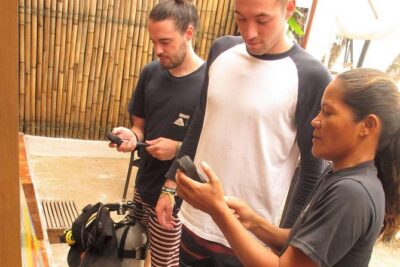
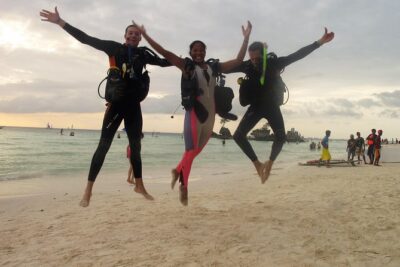
WaterColors – Open Water Diver Certification in Boracay
Read our review →
Discover Scuba Diving with Manta Rays in Sibaltan
Read our review →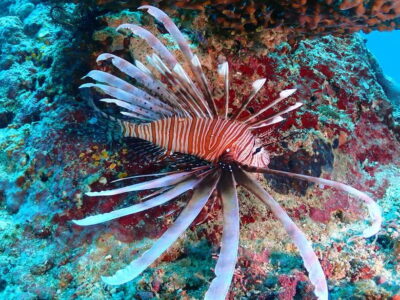
Scuba Diving in Boracay: SSI Basic Diver for Beginners
Read our review →
Browse the lists this tour appears in