
Reviewed · COOKING CLASSES
Cebu Traditional Bamboo Cooking
Cooking lunch inside bamboo is the heart of this Cebu experience. The method comes from a time before ordinary cookware, and the charcoal gives the food a smoky flavor you cannot get from a metal pot. I like that you do the preparation yourself, then sit down to eat a meal you helped make.
I also like the beach setting at Hadsan Cove Resort, where you can swim while the bamboo cooks. The guide, Lorelie Kalalang Ledesma, is identified by the provider, while the personal feedback names her as Lerelei. The main drawback is the fixed cancellation policy, plus the need to book at least three days ahead so the bamboo can be ordered.
Key points to know before booking
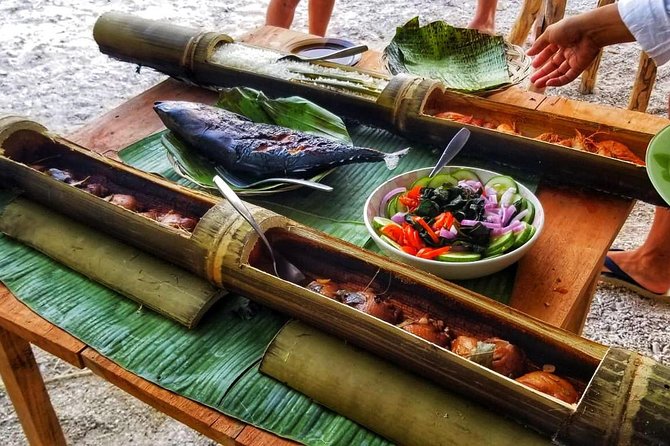
- Bamboo cooking over charcoal: Prepare Filipino dishes in bamboo shells for a smoky, old-style cooking method.
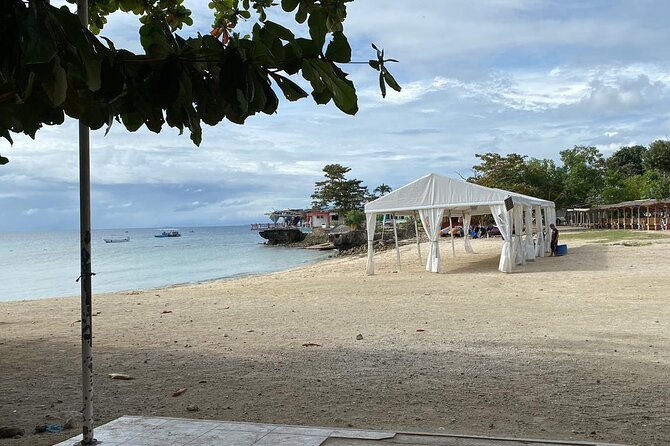
- Four-hour beach setting: The class takes place at Hadsan Cove Resort in Marigondon, with time for a swim while lunch cooks.
- Private group format: Only your party takes part, with a minimum of two people.
- Several dishes included: Expect chicken, seafood, native salad, hanging or steamed rice, fruit, dessert, and two drinks.
- Recipes and photos sent afterward: You receive the recipes and pictures by email, useful if you want to repeat the meal at home.
- Plan ahead: Bamboo must be ordered, so you need at least three days’ notice.
Why bamboo cooking makes this Cebu class different
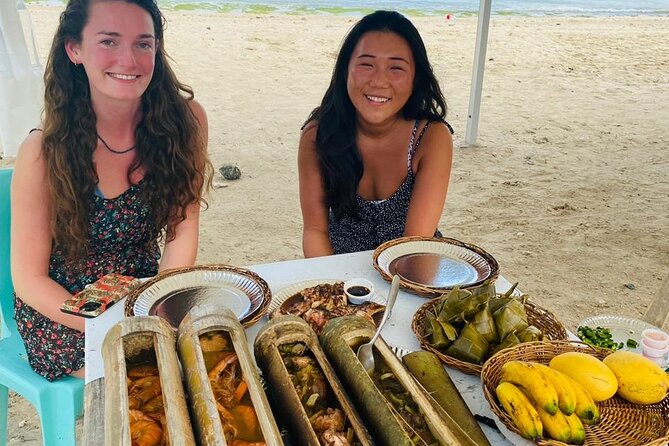
Many cooking classes are really demonstrations with a few easy tasks added. This one is built around the cooking method itself. You prepare ingredients and spices, load food into bamboo, and let charcoal provide the heat.
That matters because the bamboo is not just decoration. The food cooks inside it, picking up a smoky taste that ordinary metal cookware cannot produce. It is an old practical method, now presented as a hands-on meal by the beach.
The setting gives the class an easy rhythm. You do the preparation first, then wait while the food cooks. Instead of sitting indoors watching a clock, you can take a swim at the beach in front of the resort. This makes the four-hour schedule feel more like a relaxed half-day outing than a standard kitchen lesson.
The experience is private, which is useful for couples, families, or a small group of friends. You will not be assigned to a large mixed class. The minimum booking is two people, so solo visitors cannot book it alone under the stated conditions.
More cooking classes in Cebu:
- Manila Filipino Cooking Class: Meryenda Favorites
★ 5.0 · 80 reviews - Makati: Hands on Manila Cooking Class
★ 5.0 · 49 reviews - Private Filipino cooking class in a local Manila Home
★ 5.0 · 28 reviews
Arriving at Hadsan Cove Resort in Lapu-Lapu City
The meeting point is Agus, Gamay, The Beach Park-Hadsan, in Lapu-Lapu City, Cebu. Pickup is offered as a feature, but private transportation is not included, so confirm the pickup arrangement before you rely on it.
The activity begins and ends at the same meeting point. It is near public transportation, which gives you another way to reach the resort, but the supplied details do not state exact pickup zones, transfer times, or transport fees.
Once you arrive, expect the beach to be part of the experience from the start. This is not a class in a sealed restaurant kitchen. The cooking takes place in front of the water, and swimming is allowed while the charcoal does its slow work.
Bring a change of clothes if you plan to swim. That is practical advice rather than a formal requirement, since the class specifically allows time in the water. You should also treat the four-hour duration as an estimate, since cooking time and group pace can affect the finish.
The opening lesson on Filipino cooking
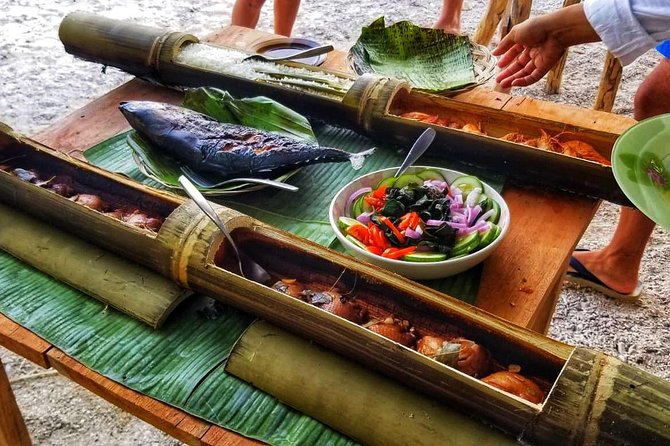
Before the food preparation begins, you receive a short introduction to Filipino cooking history. This gives the bamboo method a useful setting. You are not simply told to put food into a hollow tube. You learn that bamboo cooking grew from a period when conventional cooking ware was not available.
That short introduction is valuable because it explains the reason behind the technique. Filipino cooking includes many practical ways to use local materials, and this class connects the meal to that older way of preparing food.
The class then moves into spices and herbs. You prepare the seasonings for the dishes rather than watching someone else do all the work. The description does not give a full ingredient list or exact recipes in advance, so you should expect instruction during the session rather than a printed menu before arrival.
Aprons, hairnets, cooking tools, and ingredients are included. That makes packing simple and keeps the activity focused on the food rather than on supplying equipment.
Preparing chicken, seafood, salad, and rice
The main meal includes three courses centered on chicken, pork, and seafood in the included details. The main description instead identifies chicken, shrimp, and fish. Because those two descriptions do not match perfectly, confirm the exact proteins when booking, especially if you have a dietary restriction or strongly prefer one ingredient.
The seafood element is one of the appealing parts of the meal. Shrimp and fish suit bamboo cooking well, since the enclosed method helps keep food moist while charcoal adds smoke. Chicken gives the menu a more substantial centerpiece, while pork may also be included according to the meal details.
You also prepare a native Filipino garden salad. This adds a fresh contrast to the smoky cooked dishes. The exact vegetables are not specified, so do not book expecting a particular salad recipe.
Rice is included as well. The description calls it hanging rice, while the included meal details refer to steamed rice. Hanging rice is a familiar Filipino serving style, but the information does not explain precisely how it will be presented here. Either way, rice gives you the plain, filling base needed with seasoned chicken, pork, or seafood.
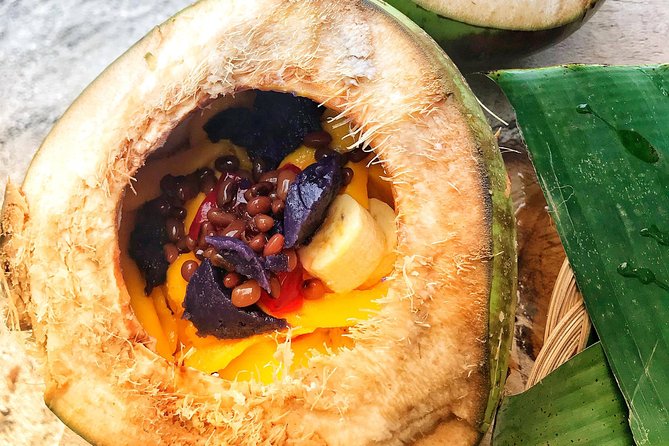
The class also includes a local fruit dessert. Seasonal fruit is prepared while the main food cooks, so dessert becomes part of the waiting period rather than an afterthought. The exact fruit changes with availability, and no fixed dessert recipe is provided.
A few more Cebu days worth weighing up
- Cebu City: Whale Shark Swimming & Kawasan Falls Canyoneering
★ 4.7 · 665 reviews - Canyoneering Experience in Kawasan Falls with Lunch
★ 5.0 · 440 reviews - Cebu: Whale Shark Swim and Kawasan Canyoneering Tour
★ 4.6 · 318 reviews - Cebu: Kawasan Falls Canyoneering Tour with Ziplining & Lunch
★ 4.8 · 259 reviews
Letting the charcoal do the slow work
Once the ingredients are prepared and placed in bamboo shells, charcoal supplies the heat. This is the most unusual part of the class, and it also explains why the activity takes about four hours.
Bamboo cooking is not a quick stir-fry demonstration. The food needs time over the coals, and you have a built-in break while it cooks. The class uses that pause well by letting you swim at the beach.
This is a good fit if you enjoy an unhurried schedule. You can move from chopping and seasoning to a swim, then return for the meal. If you prefer a tightly timed class with constant instruction, the open waiting period may feel less structured.
The beach break also makes the class more appealing in Cebu’s warm setting. You get a change from food preparation without leaving the activity. Still, swimming is optional, so you can remain near the cooking area if you would rather watch the process or simply relax.
Sitting down to eat what you prepared
When the bamboo food is ready, you eat the dishes made during the class. Lunch includes three main courses, native Filipino salads, rice, fruit, and two drinks. The drink choices listed are beer, soda, or lemongrass tea.
This is where the experience earns much of its value. You are not paying only for a cooking lesson. You are also receiving a full meal in a beach setting, with the chance to taste how bamboo and charcoal affect the food.
The smoky flavor is the key thing to notice. It is described as distinct from food cooked in metal cookware, so pay attention to the difference between the bamboo-cooked dishes and the familiar flavors of a regular kitchen. The method is simple, but it changes the result.
The food received especially strong praise in the available feedback, along with the fun of cooking and swimming during the wait. That combination is worth keeping in mind. The class is as much about a relaxed shared meal as it is about mastering a complicated recipe.
Photos and recipes after the meal
After the class, pictures taken during the session and the recipes are sent to you by email. This is a useful feature because bamboo cooking is easy to remember in broad terms but harder to reproduce without measurements and instructions.
The recipes give you a chance to try your favorite dishes at home. You may not have the same bamboo setup or beachside charcoal fire, but the written instructions can still help you adapt the food to ordinary kitchen equipment.
The photos add a personal record of the day. Since the class includes preparation, cooking, swimming, and lunch, the images should capture more than a posed arrival shot. The exact number of photos and the delivery time are not stated, so consider the email follow-up a helpful inclusion rather than a guaranteed same-day service.
What the $109.99 price really covers
At $109.99 per person, this is not a cheap lunch. The value depends on how much you want from the outing.
The price includes the cooking class, ingredients, tools, apron, hairnet, bamboo cooking shell, lunch, two drinks, beach access for swimming during the activity, recipes, and photos sent afterward. It also buys you a private experience rather than a place in a large public group.
For two people, the private format can make the cost easier to justify, particularly if you want an activity that combines food and a beach break. You are getting a four-hour program rather than a short demonstration followed by a separate meal.
The value is weaker if you only want to eat Filipino food. A restaurant meal will cost less and require less time. This makes sense for you if the process matters, if you enjoy hands-on activities, and if the bamboo method sounds worth trying.
The activity is booked an average of 79 days ahead, which suggests that you should not assume last-minute availability. That average is not a promise that you must book months ahead, but it is a useful warning for a planned Cebu trip.
Who will enjoy this private Cebu experience
I would recommend this class to couples and small groups who want a meal with a story behind it. The minimum of two people makes it a natural choice for a pair, and the private format gives you more control over the pace than a large class would.
It also suits families who enjoy food activities, provided everyone is comfortable with a four-hour outing and the time spent near charcoal and the beach. The included swimming break gives children something to do while lunch cooks, though the supplied information does not provide specific child policies.
Food-focused visitors will appreciate the chance to work with Filipino herbs and spices, prepare several dishes, and receive recipes afterward. The class is also a good choice if you want more than a standard city sightseeing stop in Lapu-Lapu City.
You may want to skip it if your schedule is tight, if you dislike seafood, or if you expect a formal indoor cooking school. The exact menu has a small inconsistency between chicken, shrimp, and fish in one description and chicken, pork, and seafood in another, so ask for clarification before paying if that matters to you.
You should also think carefully about the cancellation terms. The experience is non-refundable and cannot be changed after booking for any reason. If poor weather cancels the class, you are offered another date or a full refund. The same applies if the minimum number is not met. Those protections do not cover a personal change of plans.
Practical planning before you book
Give at least three days’ notice. Bamboo needs to be ordered for the class, and a last-minute request may not be possible.
Confirm the protein menu, pickup details, and any food restrictions before booking. The meal description is broad, and the supplied details do not list vegetarian, allergy, or substitution arrangements.
Plan for beach time. Swimming is allowed, and the cooking pause is designed to give you that option. Pack what you need for the water, but remember that the activity still centers on food preparation and lunch.
Allow the full four hours. The class includes history, ingredient preparation, bamboo cooking, dessert preparation, the cooking wait, swimming time, and the final meal. Rushing away early could mean missing the best part.
Should you book Cebu Traditional Bamboo Cooking?
Book it if you want a private, hands-on meal that combines Filipino food, an old cooking method, and time by the sea. The strongest reasons are the charcoal-smoked bamboo dishes, the chance to swim while lunch cooks, and the recipes and photos that follow.
Skip it if you want the lowest-cost meal, a short activity, or a fully fixed menu. At $109.99, the value comes from the whole half-day experience, not just the food on the plate.
Before committing, confirm the exact menu and pickup plan. If those details suit you, this is a distinctive way to spend a morning or afternoon in Cebu, with a meal you help make from bamboo to table.
FAQ
Where does the bamboo cooking class take place?
It takes place at Hadsan Cove Resort in Marigondon, Lapu-Lapu City, Cebu. The meeting point is Agus, Gamay, The Beach Park-Hadsan, Lapu-Lapu City, 6015 Cebu, Philippines.
How long does the activity last?
The experience lasts approximately four hours.
Is transportation included?
Pickup is offered as a feature, but private transportation is not included. Confirm the pickup arrangements before booking.
How many people are needed to book?
The activity requires a minimum of two people. It is a private activity, so only your group participates.
What food and drinks are included?
The meal includes three main courses, listed as chicken, pork, and seafood in the meal details. The main description identifies chicken, shrimp, and fish. Native Filipino salad, rice, fruit, dessert, and two drinks are also included. Drink choices are beer, soda, or lemongrass tea.
Can I swim during the cooking class?
Yes. The class takes place in front of a beach, and you can swim while the food cooks over charcoal.
How far ahead should I book?
You need to provide at least three days’ notice so the required bamboo can be ordered. The experience is often booked well ahead, with an average booking time of 79 days.
Just added around Cebu
- Trekking to see the beautiful view of Cebu City★ 3.3 · 4 reviews
- Kalanggaman Island Day Tour Package from Cebu City or Mactan★ 3.0 · 6 reviews
- Kawasan Falls and Mantayupan Falls in One Day from Cebu★ 5.0 · 5 reviews
- Kawasan Canyoneering Adventure Package from Cebu★ 5.0 · 11 reviews
- Discover Scuba Diving★ 5.0 · 18 reviews
- Half day tour with Snorkel at Sancturary and Sulpa island★ 5.0 · 3 reviews
- Snorkeling at San Vicente with speed boat★ 5.0 · 8 reviews
- Twin Island Snorkeling Adventure at Hiltungan and Nalsuan★ 5.0 · 5 reviews
Cooking Classes, compared.
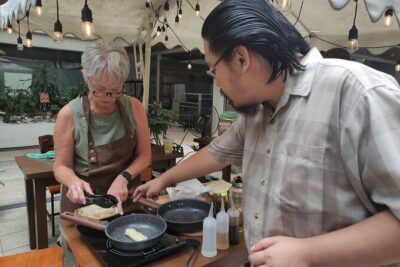
Manila Filipino Cooking Class: Meryenda Favorites
Read our review →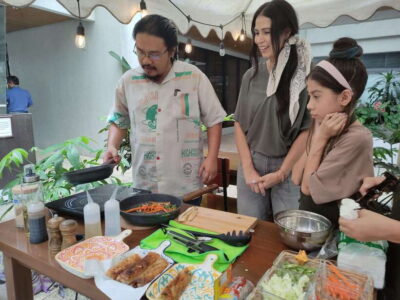
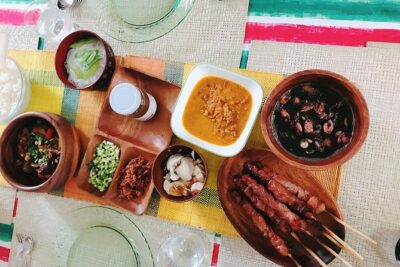
Private Filipino cooking class in a local Manila Home
Read our review →
Private Market Tour and Filipino Cooking Class in Manila with Isi
Read our review →
Private Filipino Cooking Class in the Heart of Manila,Makati City
Read our review →Browse the lists this tour appears in