
Reviewed · ISLAND HOPPING TOURS
El Nido to Coron: 3-Day 2-Night Island-Hopping Expedition
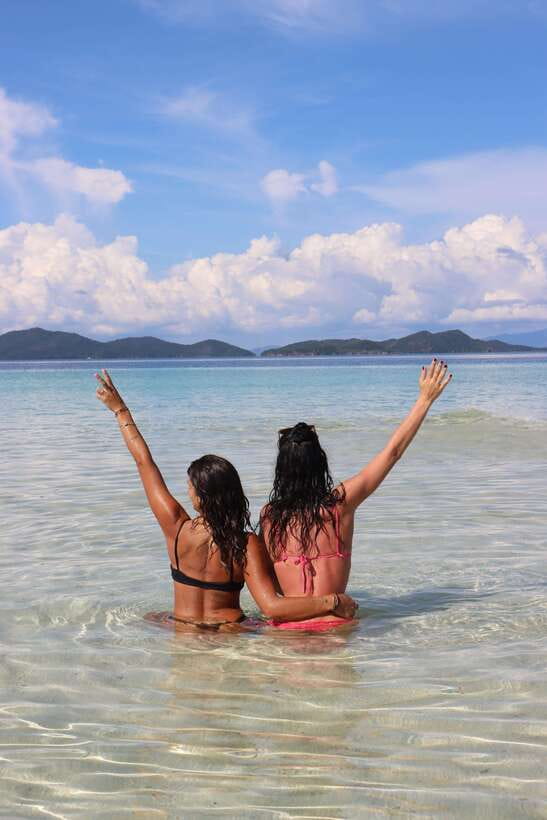
The best part of this three-day island crossing is that the journey is the destination. You travel by traditional Filipino bangka between El Nido and Coron, stopping at quiet beaches, clear reefs, and small islands that feel far removed from the regular tourist route. At night, you sleep in native huts beside the sea, with dinner, sunset, and perhaps karaoke replacing your usual phone routine.
I like the freshly cooked Filipino meals and the way the crew takes care of the hard work. I also like the mix of snorkeling, swimming, cliff jumping, kayaking, village visits, volleyball, and quiet time. The catch is simple: this is basic island living, with limited electricity, no Wi-Fi, shared toilets, and occasional long stretches on the boat.
Key points at a glance
- Two nights in beachfront native huts: You get a mattress, sheets, pillows, and mosquito net, but no air conditioning or fan.
- A social boat trip with a strong crew presence: Guides such as JJ, Madu, Rico, Raymond, Macky, Baby, and Big Boy have been praised for safety, energy, and good humor.
- Snorkeling is central to the trip: Expect coral reefs, marine life, swimming, and plenty of time in the water.
- Food is a major part of the value: Breakfast, lunch, dinner, snacks, and purified water are included, with vegetarian and allergy-aware meals accommodated.
- You may need to swim between boat and shore: Kayaks or paddleboards can help when needed, but bring confidence in the water.
- The $339 price covers a lot: Transport, boat, crew, accommodation, equipment, meals, drinks, and entrance fees are included, though environmental fees are extra.
Why this El Nido to Coron crossing feels different
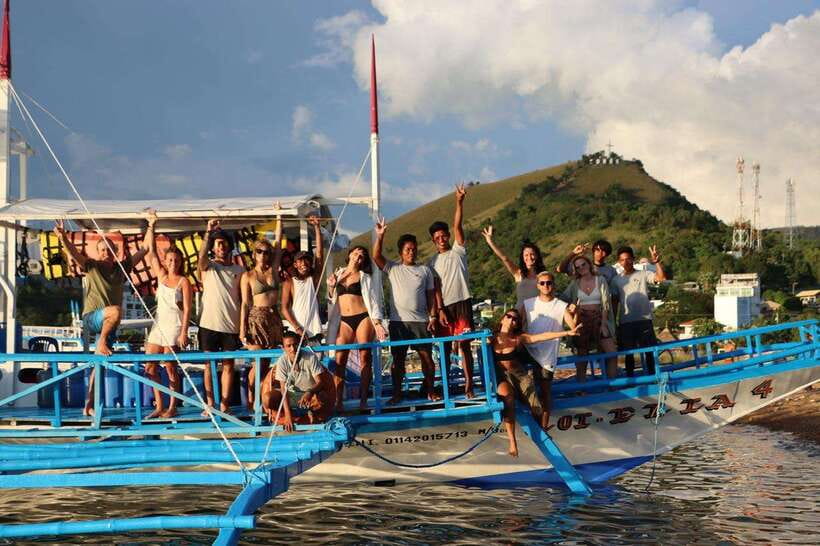
Most trips between El Nido and Coron are about getting from one place to the other. This one takes three days and turns the crossing into a small island expedition. You leave the normal ferry routine behind and spend your time moving through open water, reefs, beaches, and quiet coves.
The boat is a traditional Filipino bangka, a practical craft for these waters rather than a luxury yacht. You will spend real time onboard, especially because the route covers a long distance. That means the scenery keeps changing, but it also means you should be ready for sun, wind, spray, and periods when there is not much to do except sit, talk, or watch the water.
The strongest part of the trip is the human side. The guides are not simply pointing at a beach and checking off a stop. They lead snorkeling sessions, explain what you are seeing, help with swimming transfers, organize games, and keep the group together. Crew members named in recent departures include JJ, Madu, Rico, Raymond, Macky, Baby, Big Boy, Antonio, and others. Your exact team will depend on the boat and date.
More Island Hopping Tours in El Nido
- El Nido: Island Hopping Tour A Lagoons and Beaches
★ 4.3 · 1,572 reviews - El Nido Island Hopping Tour C: Hidden Beaches & Shrine
★ 4.4 · 625 reviews - El Nido: Island Hopping Adventure by Haqqy Life
★ 4.6 · 340 reviews
Day one: leave the town behind and reach the outer islands
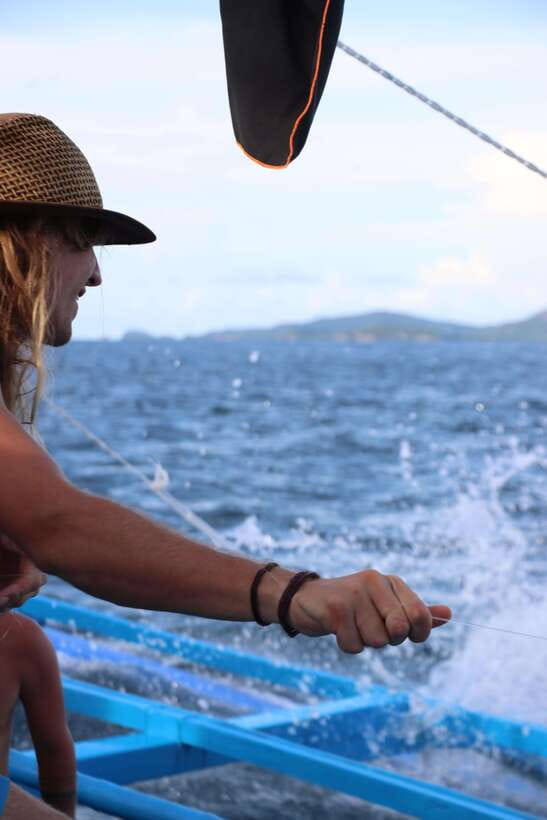
For an El Nido departure, you attend a required briefing at 5pm the evening before, at the We Are Juan office in Pops District. This is useful, not just a formality. You receive the practical details, prepare your small day bag, and learn where to meet for the transfer to San Fernando Port.
Your main luggage is stored onboard, with no stated weight or size limit. I would still pack a small waterproof bag with the things you need each day: swimwear, dry clothes, sunscreen, insect repellent, sunglasses, a hat, medication, camera, and cash. A secure dry bag matters because boat transfers and wet landings are part of the routine.
Once underway, the day usually settles into a rhythm of sailing, swimming, snorkeling, and island stops. The exact beaches and reefs can change with weather and sea conditions, so you should not expect a fixed list of named attractions. That flexibility is part of reaching quieter places, but it also means the final route may not match a neat brochure-style schedule.
The first water stops are the easiest way to settle into the group. You can use the included mask and snorkel to look over coral areas and watch for marine life. You do not need to be an expert swimmer, but you should be comfortable in the water. Several parts of the trip can involve swimming from the boat to shore, with life jackets available and guides helping anyone who needs support.
The crew also carries kayaks or paddleboards for people who do not want to make a long swim. Still, I would not book this trip if you cannot swim at all. The boat may not always pull directly onto the beach, and the water transfer is part of how the remote camps are reached.
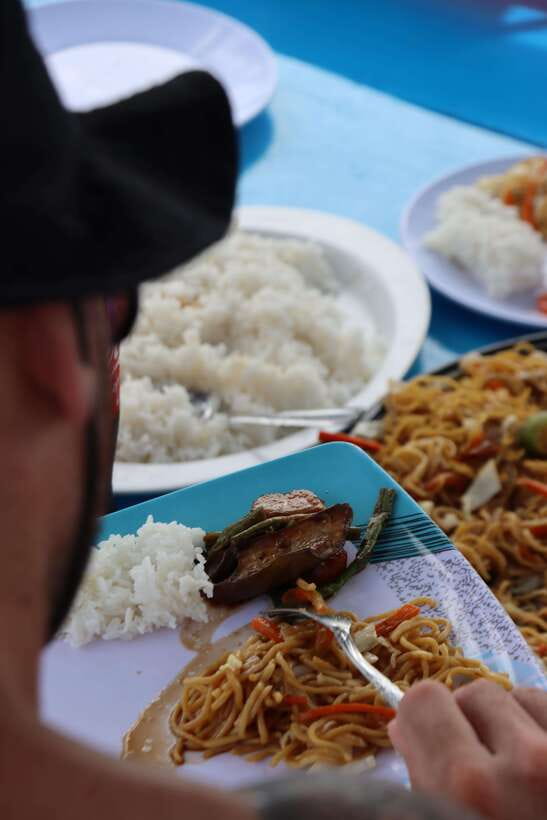
Meals are prepared onboard by the chef and served throughout the day. Breakfast, lunch, and dinner are included, along with snacks and purified drinking water. The food has received unusually strong praise, with Filipino dishes, buffet-style meals, fresh ingredients, and plenty of variety. Vegetarian meals are available, and one departure successfully handled a coeliac diet, but you should still discuss serious allergies during booking or at the briefing.
By late afternoon, the boat reaches the first overnight camp. Your hut is simple but more comfortable than a bare camping tent. It comes with a mattress, pillows, sheets or linen, and a mosquito net. You share toilets and showers with the rest of the camp, and the facilities may be very basic.
Day two: the full island day
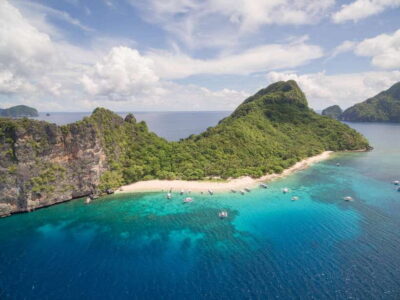
The second day is usually the heart of the trip. You wake beside the sea, eat breakfast, and spend the day moving between reefs, beaches, and small islands. The route is not presented as a list of famous landmarks, which is a plus if you want quieter scenery rather than another line of tour boats.
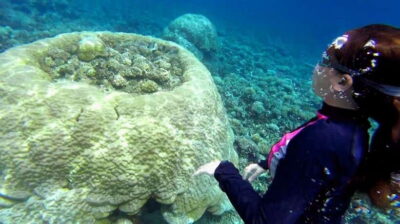
Snorkeling is the main activity. The water is clear, and the reefs are described as pristine, with a wide range of marine life. Guides help identify fish and point out areas worth seeing. Conditions can change with tide, wind, and weather, so the quality of each stop will vary, but the trip is built around repeated chances to get in the water rather than one single snorkeling session.
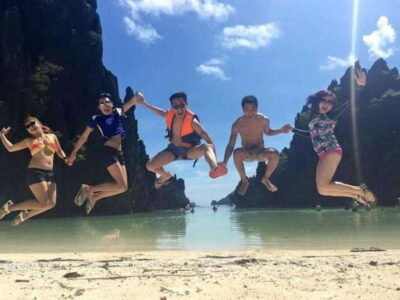
You may also have time for kayaking, cliff jumping, beach walks, and swimming. Some groups play volleyball or basketball with island communities, and the crew may arrange games for the group. These activities give the day a welcome break from simply sitting on a boat. You can also choose to relax onboard if you need a slower hour.
The balance between sailing and activities deserves an honest warning. This is a long crossing, so you may spend more time traveling than you expected. One departure described the sailing-to-activity ratio as heavy, though that is the tradeoff for covering the distance between El Nido and Coron by boat. If you want nonstop snorkeling with little time onboard, a shorter local island tour may suit you better.
Evenings are a big part of the appeal. After the day’s water activities, you return to a remote beach camp for dinner and sunset. Crew-led games, karaoke, dancing, rum, and gin can turn the beach into a lively social gathering. The mood depends partly on your group, but the setup makes it easy to meet people from different countries.
You should also be prepared for a little dirt and discomfort. The huts are not sealed hotel rooms, the showers are shared, and a hut may not feel completely dry after bad weather. One departure reported leaking huts during rain. That is not a reason to reject the trip, but it is a reason to pack a dry bag and avoid bringing anything that cannot handle a damp night.
Day three: one last swim and arrival in Coron
The final morning gives you another chance to enjoy the beach before breakfast and departure. You may have a last snorkeling stop or swim, depending on the route and weather. The crew then continues toward Coron, with the boat journey forming a large part of the day.
For the El Nido to Coron direction, arrival in Coron is expected at approximately 4pm to 5pm on the third day. Build your onward plans around that window rather than booking a tight connection. You may be tired, sun-worn, and ready for a proper shower by the time you arrive, so a relaxed evening in Coron makes more sense than an ambitious schedule.
The opposite direction, Coron to El Nido, is also offered. For Coron departures, the briefing takes place at the office opposite Jollibee. The trip follows the same basic idea, but weather, tides, and operating conditions can affect the exact order of stops.
One practical detail is easy to overlook: some departures include a roughly 45-minute onward bus transfer to El Nido after the boat portion. That transfer has been organized smoothly, but it may not be clearly understood unless you ask about it before departure. Confirm where you will finish and how the final transfer works if you have accommodation booked far from the main arrival point.
Same islands, a completely different kind of day:
- El Nido: Hidden Beaches and Lagoons Boat Hopping Tour D
★ 4.3 · 301 reviews - El Nido: Island Hopping Tour B Cudognong Cave & More
★ 4.4 · 217 reviews - El Nido: Big Lagoon Kayaking & Island Adventure
★ 4.4 · 132 reviews - El Nido: Jeepney Adventure Tour with Lunch
★ 4.8 · 124 reviews
The food and crew make the price easier to justify
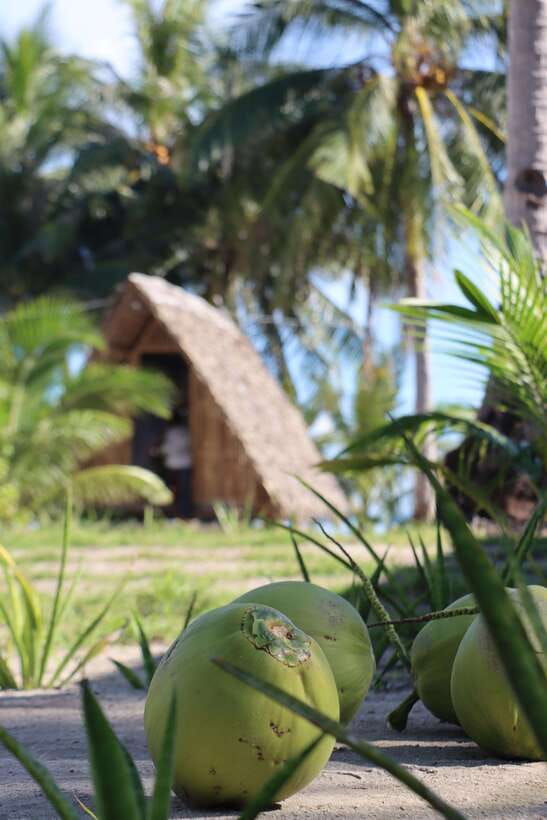
At $339 per person, this is not a cheap day tour. It is also not just a boat ticket. The fee includes the pre-departure briefing, one-way transfer to San Fernando Port or the equivalent transfer in the other direction, licensed boat and captain, local guides, onboard chef, two nights in a native hut, mask and snorkel, life jacket, three daily meals, snacks, purified water, rum, gin, and entrance fees.
That package changes the value calculation. You are paying for three days of transport, accommodation, food, activities, safety support, and logistics in a place where arranging all those pieces independently would be difficult. The included meals are especially useful because there are no ordinary restaurants along much of the route.
I would budget extra cash for personal expenses and the listed environmental fees. The possible fees are 200 PHP for Coron, 200 PHP for Linapacan, 100 PHP for Culion, and 400 PHP for El Nido. If all four apply to your route, they total 900 PHP, though you should confirm the exact charges for your departure.
The crew’s role also affects the value. Guides have been praised for joining the fun without losing sight of safety. They help people into kayaks, carry bags across water, identify sea life, organize activities, and handle small problems. Some have even arranged birthday surprises, fresh coconuts, beach entertainment, and group performances.
That does not mean the trip is polished in a resort sense. It means the staff work hard to make a demanding boat journey feel friendly and manageable. I consider that more useful than a glossy cabin when the real attraction is being out among the islands.
What sleeping in the huts is really like
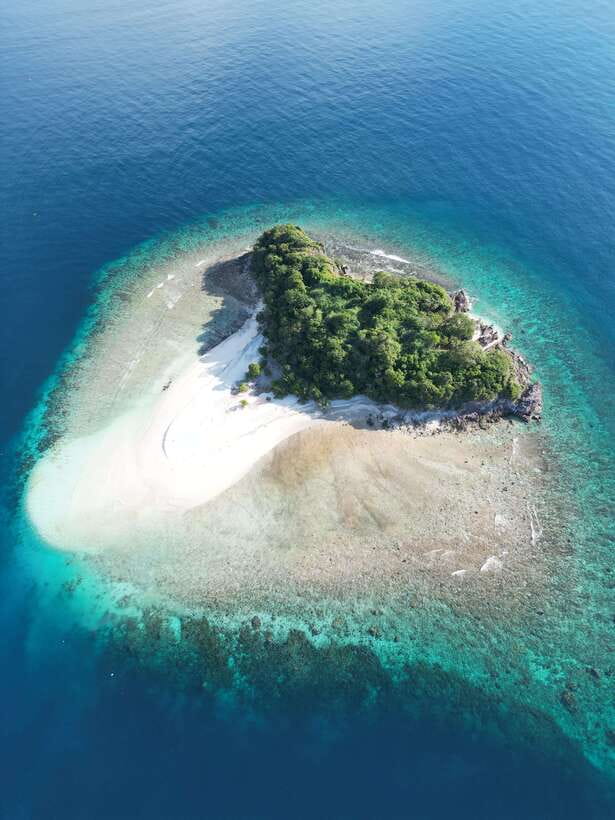
The huts are traditional and beachfront, with a mattress, pillows, linen, and mosquito net. You sleep close enough to hear the waves, which is one of the nicest details of the trip. The huts are designed for two adults.
There is no fan and no air conditioning. Toilets and showers are shared, and some camps have very basic facilities, including toilets without sinks. You will want insect repellent, a towel, and light clothing for the heat.
The huts are comfortable enough for two nights if you accept their purpose. They are a place to sleep after a full day outside, not a private room with hotel services. If you need reliable electricity, a cool room, private plumbing, or a strong internet connection, choose a resort or standard island-hopping package instead.
Who should book, and who should skip it
I would choose this expedition if you want Palawan’s scenery with more time outdoors and less time in developed towns. It suits active couples, solo visitors, friends, and adults who enjoy meeting a mixed international group. The minimum age is 16.
It is a particularly good fit if you like snorkeling, simple beach camps, Filipino food, group activities, and the idea of being unreachable for a few days. You should also be happy with changing conditions. Perfect weather is not included, and rain can affect the comfort of the huts and the smoothness of the crossing.
I would skip it if you want luxury, privacy, constant connectivity, or a tightly timed sightseeing program. It is also not suitable for children under 16, pregnant women, or wheelchair users. Strong swimmers will find the boat-to-shore routine easiest, though the crew can help with kayaks or paddleboards when necessary.
The social side is another deciding factor. Karaoke, rum, games, and shared dinners are part of the evening rhythm. If you prefer quiet nights and complete control over your schedule, the group atmosphere may feel tiring. If you enjoy making friends quickly, it can become the best part of the trip.
Booking tips for a smoother three days

Attend the 5pm briefing the night before. It gives you a chance to ask about the route, weather, luggage, and the transfer to port.
Pack light in a small dry bag, even though the main luggage has no stated size or weight limit. Keep your essentials with you because reaching stored bags under the boat is less convenient than having your swimwear, towel, sunscreen, and camera ready.
Bring cash for personal spending and environmental charges. Also pack sunscreen, a hat, sunglasses, insect repellent, towel, camera, and any prescription medicine.
I would use a waterproof phone pouch or dry bag for electronics. Boat spray, beach landings, and swimming transfers create more risk than a normal day tour.
Cancellation is free up to two days before departure for a full refund. The experience is offered in English and Tagalog, and availability depends on the starting time shown for your chosen date.
Should you book the El Nido to Coron expedition?
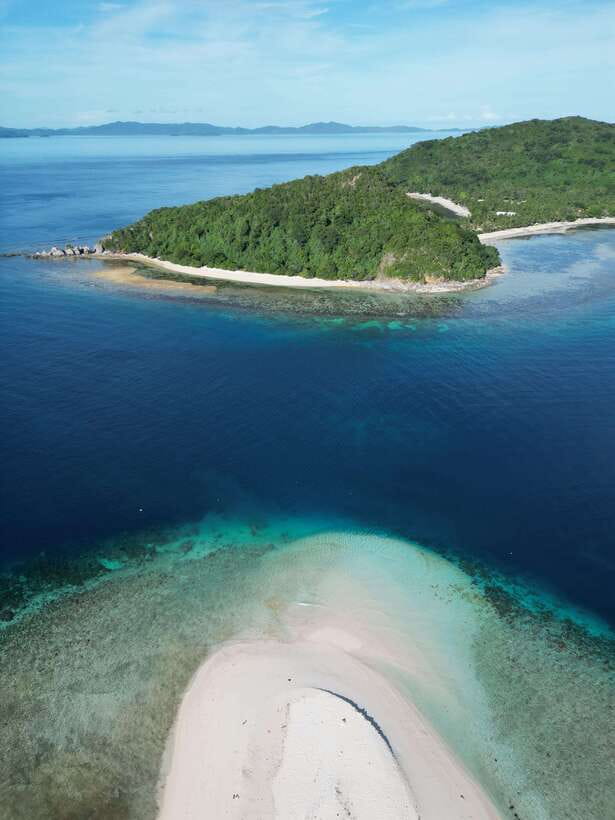
Book it if you want the route itself to be the holiday. The best reasons are the remote beaches, repeated snorkeling stops, strong crew involvement, excellent included food, and two nights sleeping beside the sea. At $339, the cost is fair when you count the boat, port transfer, guides, meals, equipment, huts, drinks, and entrance fees.
Do not book it expecting a comfortable cruise. You will spend long periods on a bangka, may need to swim between boat and shore, and will use shared facilities with limited power. Pack for heat, water, insects, rain, and a little inconvenience.
For the right person, this is a memorable way to travel between Palawan’s two major island bases. It gives you three days of sea, reefs, simple camps, and new company instead of treating the crossing as a problem to solve.
FAQ
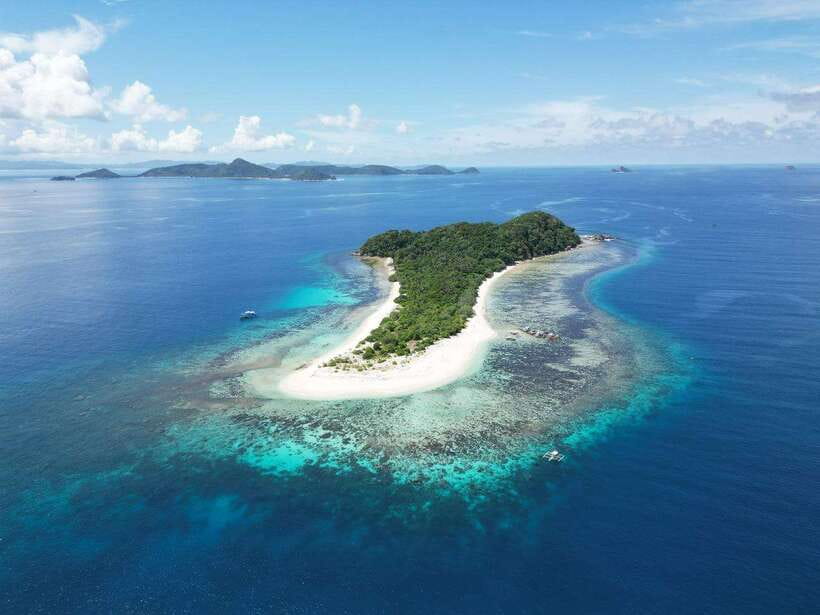
How long is the El Nido to Coron expedition?
The expedition lasts three days and two nights.
Is the trip available in both directions?
Yes. You can travel from El Nido to Coron or from Coron to El Nido.
What time does the El Nido to Coron trip reach Coron?
The boat is expected to arrive in Coron at approximately 4pm to 5pm on the third day.
Where is the meeting point in El Nido?
The We Are Juan office is approximately halfway down on the right side between the entrance to Pops District and the beach.
Is a pre-departure briefing required?
Yes. For an El Nido departure, the briefing takes place at 5pm the evening before at the Pops District office. For a Coron departure, it takes place at the office opposite Jollibee.
What are the huts like?
Each hut has a mattress, pillows, sheets or linen, and a mosquito net. Huts do not have fans or air conditioning, and toilets and showers are shared.
Are meals included?
Yes. Breakfast, lunch, dinner, snacks, and purified drinking water are included.
Is snorkeling equipment provided?
Yes. A mask and snorkel, as well as a life jacket, are included.
Do I need to swim from the boat to the shore?
You may need to swim between the boat and shore at some island camps. Life jackets are available, and guides may help with a kayak or paddleboard if needed.
What is not included in the price?
Personal expenses, travel insurance, the Coron eco tax of 200 PHP, Linapacan environmental fee of 200 PHP, Culion environmental fee of 100 PHP, and El Nido environmental fee of 400 PHP are not included.
More 3-Day Experiences in El Nido
- Private Palawan Expedition, El Nido to Coron 3 Days 2 Nights
★ 4.5 · 15 reviews - 3D2N El Nido Experience
★ 5.0 · 5 reviews - Banaue & Batad UNESCO 3days 2 nights Tour ( Private Group Tour Max 6 Travelers)
★ 5.0 · 30 reviews - Bohol Tour Package: 3-Day Paradise Adventure
★ 4.6 · 12 reviews
Just added around El Nido
- Underground River Tour w/ Private Van, Puerto Princesa to El Nido★ 4.0 · 11 reviews
- 3D2N El Nido Experience★ 5.0 · 5 reviews
- Sabang to El Nido Private Transfer★ 4.5 · 4 reviews
- El Nido to Puerto Princesa – Private Transfer★ 5.0 · 15 reviews
- El Nido to Sabang Private Transfer★ 4.5 · 3 reviews
- Palawan: El Nido – 4 Days 3 Nights★ 5.0 · 3 reviews
- Palawan: Puerto Princesa + El Nido – 4 Days 3 Nights★ 4.5 · 3 reviews
- Private El Nido Tour A Island Hopping★ 5.0 · 4 reviews
Island Hopping Tours, compared.
El Nido Island Hopping Tour C: Hidden Beaches & Shrine
Read our review →
Port Barton: Island Hopping to Turtle Spot & Reef with Lunch
Read our review →
Mactan Cebu Island Hopping with Lunch – Gilutungan, Caohagan, Nalusuan
Read our review →Browse the lists this tour appears in