
Reviewed · CITY TOURS
Mactan and Cebu Twin City Tour with Lunch
Cebu’s story comes into focus on this private seven-hour tour, which links the city’s 16th-century landmarks with Mactan Island’s Filipino heroes and guitar-making tradition. You’ll see Magellan’s Cross, the Basilica of the Holy Child, Fort San Pedro, the Yap Ancestral House, and the Cebu Taoist Temple before crossing Marcelo Fernan Bridge.
I like the mix of major sights and smaller cultural stops, especially the 300-year-old Yap Ancestral House and the working guitar factory. I also like that a guide and driver handle Cebu’s difficult traffic, with guides such as Belle and Liz praised for clear, friendly explanations. The main drawback is pace: seven hours is enough for an overview, but not for long, unhurried visits at every stop.
Key points to know before booking
- Magellan’s Cross and the Basilica of the Holy Child: Two of Cebu’s most important Christian landmarks sit just steps apart.
- Yap Ancestral House: A historic home filled with a personal collection of antiques, offering a more intimate stop than the major monuments.
- Cebu Taoist Temple: Enjoy a quieter pause and views toward Cebu City, Mandaue, and Lapu-Lapu.
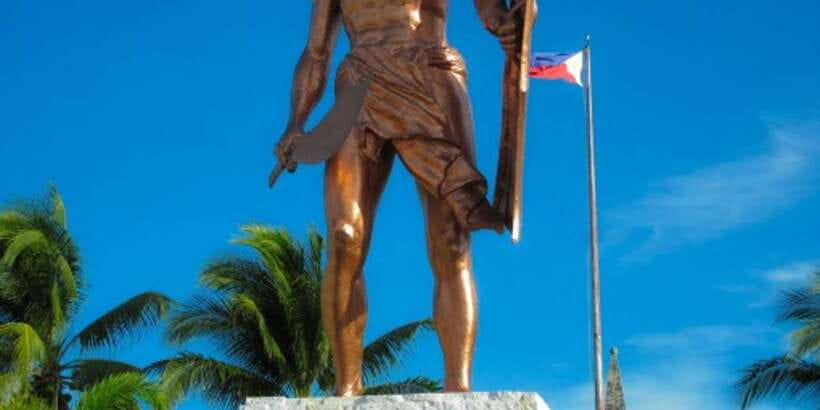
- Mactan’s Lapu-Lapu shrine: See a 20-meter bronze statue honoring the indigenous leader who opposed Magellan.
- Private transport with hotel pickup: Your guide and driver take care of the route, traffic, and bridge crossing.
- Lunch included with the selected option: The meal is at a local restaurant, while snacks and drinks are extra.
Cebu’s first Spanish-era landmarks
The tour begins with Cebu City’s best-known historical sights. Cebu is described as the oldest city in the Philippines, and the opening stops explain why the city matters so much to the country’s story.
At Magellan’s Cross, you’ll see the wooden cross associated with Ferdinand Magellan’s arrival in 1521. It is housed inside a small chapel, so this is not a vast monument or a long museum visit. The value is in the setting and symbolism. This is the place often connected with the arrival of Christianity in the Philippines, and it gives you a quick sense of the meeting between Spanish explorers and the people of Cebu.
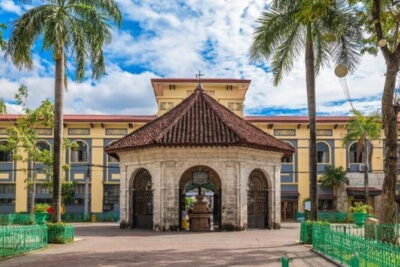
A short walk brings you to the Basilica of the Holy Child, an Augustinian church made a basilica in 1965 during the 400th anniversary celebrations of Christianity in the Philippines. The church was the first established in the islands, and its hewn-stone construction gives it a solid, old-world feel.
Inside, you’ll find the figure of the Holy Child of Cebu, described as the country’s oldest relic. This stop matters even if you are not religious. It connects the church to Cebu’s long Catholic tradition and helps explain why the city remains such an important cultural center.
Give these two stops your attention rather than treating them as quick photo points. The tour is designed to cover several places, but the guide is your key to understanding why a small cross and a church carry such weight. Belle, also called Annabelle, has been praised for making historical information friendly and easy to follow. Liz has received similar praise for explaining Cebu’s history, culture, and daily life.
More City Tours in Cebu
- Private Cebu & Lapu-Lapu City Tour with Uphill Spots & Lunch at House of Lechon
★ 4.5 · 168 reviews - Cebu Group Tour: Best Cebu City Tour
★ 4.0 · 63 reviews - CEBU: Cebu City Heritage and Uphill Guided Tour
★ 4.2 · 31 reviews
Fort San Pedro and the city’s military past
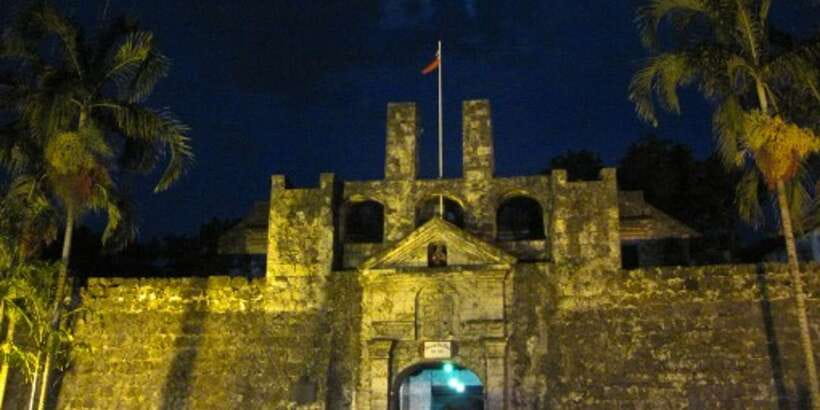
From the basilica, the route continues to Fort San Pedro, a compact defensive fort built by Spanish and indigenous Cebuano laborers. Its walls reflect the practical side of colonial rule. This was not simply a religious outpost. Cebu was also a port, a place of trade, and a point that needed protection.
The fort gives you a change of mood after the churches. Instead of focusing on religious objects and ceremonies, you get a sense of defense, administration, and Spanish control. Because the stop is part of a larger route, your time here may be limited. Ask your guide to point out the fort’s most important features rather than trying to inspect every corner on your own.
The value of a private tour becomes clear here. You can ask questions as they occur, and the guide can shape the explanation around your interests. If you want more background on Spanish rule, local resistance, or Cebu’s role in the islands, this is a good place to speak up.
A quieter look inside the Yap Ancestral House
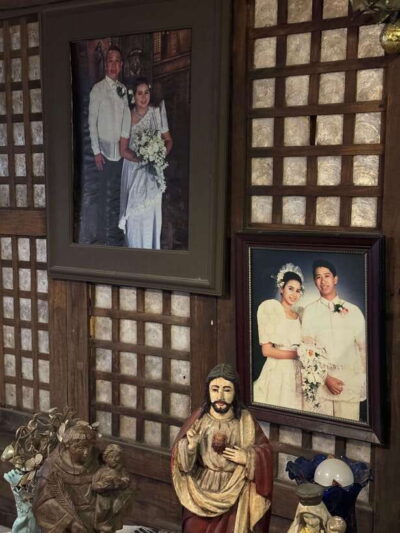
The Yap Ancestral House adds a personal, domestic side to the day. This roughly 300-year-old home has been converted into a display of antiques from a private collection.
I like this stop because it moves beyond famous names and public monuments. A house can show how people used space, stored possessions, and displayed objects in a way that a fort or basilica cannot. The antiques also give the tour a more personal scale after several major historical sites.
Do not expect a large museum complex. The appeal is the age of the house and the character of the collection. You are seeing a preserved home with objects gathered by one family, not a national museum arranged around a broad historical survey.
This is also a place where a guide’s explanation helps. Without context, an old object can be easy to overlook. With a good introduction, you can better understand why the house and its contents matter.
The Cebu Taoist Temple and views across three cities
The tour then shifts from old Cebu to a peaceful visit at the Cebu Taoist Temple. The temple offers a calmer break from the city’s roads and monuments, along with views toward Cebu City and the nearby cities of Mandaue and Lapu-Lapu.
The viewpoint is one of the practical highlights of the stop. You get a sense of how the urban areas connect, which becomes especially useful later when you cross to Mactan Island. It also gives the day some visual variety. You are not looking only at chapels, stone walls, and antique interiors.
The temple is a place for quiet observation. Keep your visit respectful and follow any instructions given on site. The tour description does not promise a ceremony or a special religious presentation, so think of this as a temple visit with a scenic outlook rather than a formal spiritual program.
After the temple, lunch is served at a local restaurant if you choose the lunch option. One menu detail is not specified, but the experience can include a buffet, and one guide, Belle, took a group to PUSO. A later account described the meal as generous, with attentive service. Treat that as useful guidance rather than a guarantee of the exact restaurant or menu on your date.
Drinks and snacks are not included, so plan for those separately. The meal helps break up the sightseeing, but the tour is still active and road-based, so this is not a long, leisurely food tour.
Same islands, a completely different kind of day:
- Cebu City: Whale Shark Swimming & Kawasan Falls Canyoneering
★ 4.7 · 665 reviews - Canyoneering Experience in Kawasan Falls with Lunch
★ 5.0 · 440 reviews - Cebu: Whale Shark Swim and Kawasan Canyoneering Tour
★ 4.6 · 318 reviews - Cebu: Kawasan Falls Canyoneering Tour with Ziplining & Lunch
★ 4.8 · 259 reviews
Crossing Marcelo Fernan Bridge to Mactan
After lunch, you cross to Mactan Island by way of Marcelo Fernan Bridge. This is an important transition in the itinerary. The first part of the day centers on Cebu City’s Spanish-era landmarks. The second part turns toward Mactan, local heroism, and Filipino craftsmanship.
The bridge crossing also shows why transport matters. Cebu’s traffic can be demanding, and a private vehicle keeps the day organized. You do not need to work out public transport between historic Cebu City, the temple, and Mactan. The driver handles the route while the guide keeps the story moving.
Past sightseeing summaries often make this crossing sound like a small detail, but it helps define the tour. You are seeing two connected urban areas in one outing, rather than staying inside Cebu City’s central historic zone.
Meeting Lapu-Lapu at the Mactan shrine
The first Mactan stop is the Lapu-Lapu shrine, centered on a 20-meter bronze statue of Datu Lapu-Lapu. The monument honors the indigenous leader associated with resistance to Magellan.
This stop gives the day an important Filipino perspective. Earlier, Magellan’s Cross presents the arrival of the Spanish expedition and Christianity. At the shrine, the focus shifts to the local leader who opposed Magellan. Seeing both sites on one route helps you understand that Cebu’s story is not only about European arrival. It is also about local power, resistance, and identity.
The shrine is an outdoor monument, so your visit is likely to be straightforward and visual. The guide’s explanation is especially useful here because the meaning of the statue depends on the historical connection. Ask for the fuller story if this part of the tour interests you.
Do not expect the shrine alone to fill a long visit. Its importance comes from how it connects with the earlier stops. The tour works best when you treat the day as one story moving from Magellan’s arrival to the response of Cebu’s people.
How Philippine guitars are made
The final stop is a local guitar factory, where you can see how traditional Philippine guitars are made. This is one of the most appealing parts of the Mactan portion because it shows a living craft rather than only preserved history.
You are not simply looking at a finished souvenir. The point is to see the work behind the instrument and connect the object with local production. The information provided does not promise a full hands-on workshop or a particular purchase requirement, so expect a factory visit and demonstration rather than a formal class.
This stop also makes the itinerary feel less repetitive. Churches, forts, ancestral houses, temples, monuments, and a workshop each offer a different way to understand Cebu and Mactan. If you want a tour made only of grand buildings, this may feel like an extra. I think it improves the day by bringing you back to present-day local culture.
The real value of a $116 private tour
At $116 per person, the price needs to be judged against what is included and how many people share the vehicle. This is a private-group tour with hotel pickup and drop-off, transportation, a guide, admission fees, and lunch when you select that option.
That makes the price easier to justify for couples, families, or small groups who want a dedicated vehicle and guide. You are paying not only for entrance tickets, but also for the time saved moving between Cebu City and Mactan. A driver familiar with Cebu is useful when traffic becomes slow or confusing. Carlo has been praised for handling the roads calmly and professionally.
The value is weaker if you prefer to spend a long time at one museum or historic site. Seven hours covers a lot, and the schedule naturally favors breadth over close study. You will see the main sights, but some stops may feel brief.
The strongest value comes from the combination of logistics and explanation. A taxi or self-guided route might get you between places, but it would not automatically provide the historical links between Magellan’s Cross, Lapu-Lapu, the basilica, and the guitar factory.
Who will get the most from this Cebu day
I would choose this tour if you have one open day in Cebu and want a broad introduction without planning several separate rides. It suits first-time visitors, families, and anyone who wants history explained while moving through the city.
It is also a good fit if you are staying at a Cebu City hotel and prefer pickup and drop-off. The private format gives you a more personal setting than a large shared coach, and English or Japanese guiding is available.
You should think twice if your main goal is beach time, nightlife, or a slow food-focused day. This is a history and culture route with several stops, not a resort outing. You should also check the pickup detail carefully: the stated pickup is from hotels in Cebu City, so do not assume every Mactan accommodation is included.
The tour has a strong service record, with a 4.8 rating from 24 reviews and 91 percent giving the transport a perfect score. Names such as Belle, Liz, and Carlo come up in especially positive accounts, but your assigned guide and driver may be different. The useful lesson is to value the guide-driver team as much as the list of sights.
Should you book the Mactan and Cebu Twin City Tour?
Book it if you want one well-organized day covering Cebu’s essential historic stops and Mactan’s key sights. The strongest reasons are the private transport, hotel pickup, guide-led context, lunch option, and the unusual combination of churches, an ancestral home, a Taoist temple, a hero’s shrine, and a guitar factory.
Skip it if you want extended time at each place or prefer to set your own pace. Seven hours is efficient, not leisurely. For most first-time visitors with limited time, though, the route gives you a useful first picture of Cebu and Mactan without leaving the practical work to you.
FAQ
How long does the Mactan and Cebu Twin City Tour last?
The tour lasts seven hours.
How much does the tour cost?
The listed price is $116 per person.
Is hotel pickup included?
Yes. Hotel pickup and drop-off are included, with pickup specified for hotels in Cebu City.
Is this a private tour?
Yes. It is offered as a private group experience.
Which languages are available?
The live guide is available in English or Japanese.
Is lunch included?
Lunch is included if you choose the lunch option. Snacks and drinks are not included.
Which historical sites are visited in Cebu City?
The route includes Magellan’s Cross, the Basilica of the Holy Child, Fort San Pedro, and the Yap Ancestral House. It also includes the Cebu Taoist Temple.
What is visited on Mactan Island?
The Mactan portion includes the Lapu-Lapu shrine and a local guitar factory. You cross to the island via Marcelo Fernan Bridge.
Can I cancel for a full refund?
You can cancel up to 24 hours in advance for a full refund.
Just added around Cebu
- Trekking to see the beautiful view of Cebu City★ 3.3 · 4 reviews
- Kalanggaman Island Day Tour Package from Cebu City or Mactan★ 3.0 · 6 reviews
- Kawasan Falls and Mantayupan Falls in One Day from Cebu★ 5.0 · 5 reviews
- Kawasan Canyoneering Adventure Package from Cebu★ 5.0 · 11 reviews
- Discover Scuba Diving★ 5.0 · 18 reviews
- Half day tour with Snorkel at Sancturary and Sulpa island★ 5.0 · 3 reviews
- Snorkeling at San Vicente with speed boat★ 5.0 · 8 reviews
- Twin Island Snorkeling Adventure at Hiltungan and Nalsuan★ 5.0 · 5 reviews
City Tours, compared.
Private Cebu & Lapu-Lapu City Tour with Uphill Spots & Lunch at House of Lechon
Read our review →
Manila by Night: Discovering City Highlights with Intramuros
Read our review →
Browse the lists this tour appears in