
Reviewed · CITY TOURS
Manila: Old & New 4-Hour City Tour
Manila’s past and present come into focus on this compact city tour. In one half-day, you move from Makati’s financial center and Forbes Park to the solemn American Cemetery, then into Intramuros, where Spanish walls, church ruins, and Fort Santiago tell a much older story. I especially like the contrast between modern towers and old Manila, plus the way the guide fills the drives with history instead of treating them as dead time.
I also like that entrance fees, hotel transfers, a licensed English-speaking guide, and an air-conditioned van are included. Guides such as Omar, Fernando, Richard, and Stella have been praised for clear explanations, humor, and thoughtful answers. The main drawback is time: four hours is enough for an introduction, not a leisurely exploration, and traffic can stretch the tour to about five hours.
Key points at a glance
- Modern Manila first: See Ayala Boulevard, Nielsen’s Tower, Forbes Park, and Makati’s role as the country’s financial center.
- A quiet, moving stop: Spend about 30 minutes at the American Cemetery and Memorial, one of the largest American memorials outside the continental United States.
- Spanish Manila on foot: Walk through Intramuros, with its old walls, cobbled streets, church ruins, and colonial-era remains.
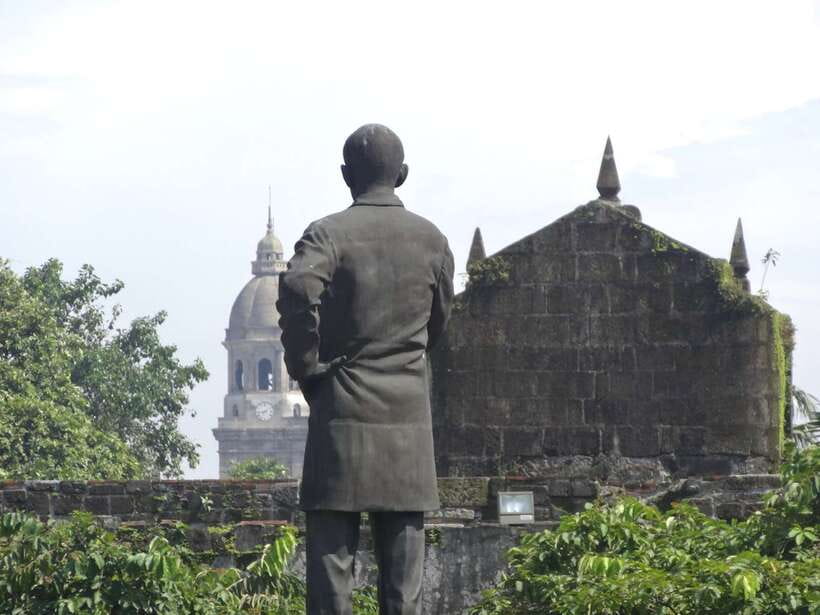
- Two major historic sites: Visit San Agustin Church, the Philippines’ oldest stone church, and Fort Santiago, linked with national hero Jose Rizal.
- Useful for a short stay: Hotel pickup and drop-off are available in Makati and the Bay Area, making this practical during a brief visit or stopover.
- Plan for traffic and walking: The van is comfortable, but Fort Santiago involves walking, and Manila traffic can add an hour to the day.
Why this tour works for a first look at Manila
Manila can be hard to read from a taxi window. Modern business towers, crowded streets, Spanish colonial walls, war memorials, and large public parks are spread across a wide urban area. This tour gives you a basic map of the city and, more importantly, a framework for understanding how its different eras fit together.
The route is built around contrast. Makati shows the Philippines as a modern commercial center. Intramuros points back to the Spanish colonial period. The American Cemetery recalls the Second World War, while Fort Santiago connects colonial rule, wartime suffering, and the final days of Jose Rizal.
I would not book this expecting a slow museum day. You will spend much of the time riding between sites, listening to commentary, and making short visits. But that format works well if you have limited time, are visiting Manila for the first time, or want an orientation before exploring more on your own.
The tour costs $60 per person. That is not the cheapest way to see Manila, especially if you are traveling alone and comfortable arranging taxis yourself. Still, the price includes transportation, entrance fees, hotel pickup and drop-off within the stated areas, and a licensed guide. For a short visit, the convenience and historical explanation can make the cost reasonable.
More city tours in Manila:
- Manila by Night: Discovering City Highlights with Intramuros
★ 4.5 · 70 reviews - Half-Day Manila City Tour
★ 5.0 · 29 reviews - Shared Cruise Shore Excursion of Manila Old and New City Tour
★ 4.0 · 10 reviews
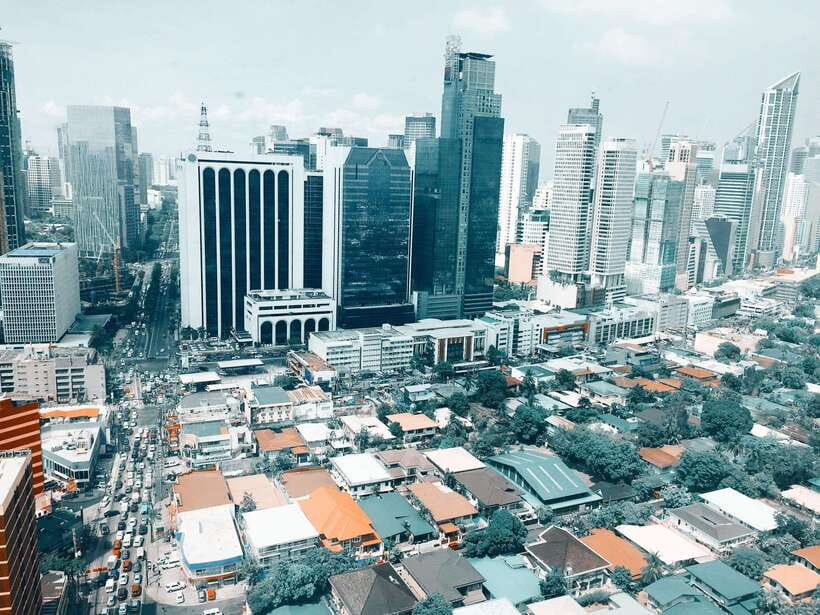
Starting in Makati: Manila’s modern face
Pickup is offered at The Manila Hotel, Fairmont Makati, Conrad Manila, and The Peninsula Manila. The exact time is sent by email, and you should wait in the hotel lobby about 10 minutes before pickup. If your hotel is elsewhere, check carefully before booking because transfers are limited to hotels in Makati City and the Bay Area.
The tour begins around Ayala Boulevard, in the heart of Makati. This is the part of Manila most closely linked with banks, offices, shopping, and large corporate buildings. The stop at Nielsen’s Tower introduces an area that feels very different from Intramuros later in the day.
You may spend much of this section looking through the van windows rather than getting out. That is not necessarily a weakness. A good guide can explain how Makati developed while you pass office districts and major roads, giving you useful context before the older parts of Manila appear.
The drive through Forbes Park adds another layer. Known as Millionaire’s Row, this exclusive residential enclave is associated with the country’s wealthiest families. You do not visit it as a public attraction, but passing through helps show the sharp contrasts within Metro Manila.
This modern opening is most useful when the guide connects buildings and districts to the country’s economy and social structure. Several guides, including Omar, Fernando, Richard, and Stella, have been praised for going beyond dates and names to discuss culture, development, and social issues. The quality of the tour depends heavily on that commentary, since the Makati portion is mainly scenic driving.
The American Cemetery and Memorial: a quiet half-hour
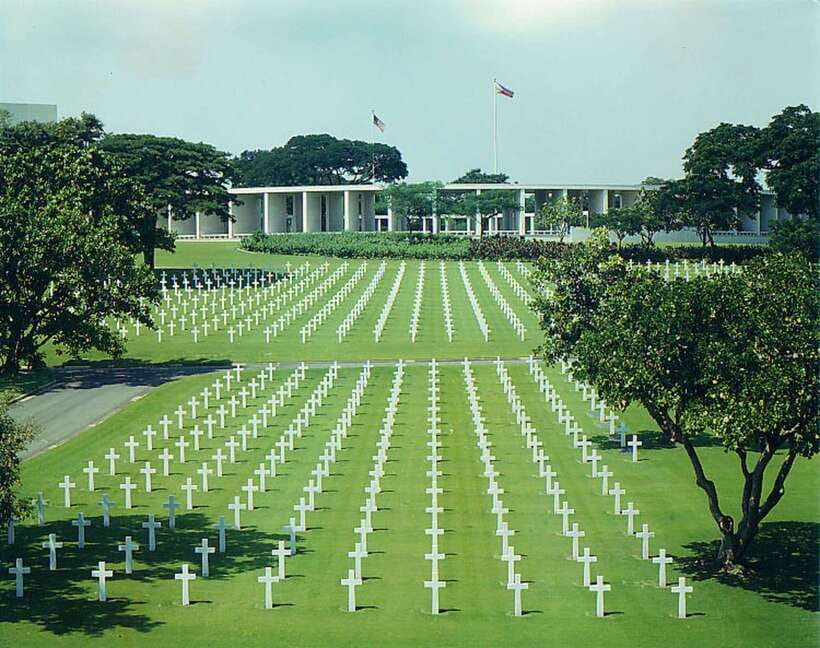
The American Cemetery and Memorial is the first major stop. You have about 30 minutes for a visit, guided explanation, and walking. The site is known as one of the largest and most beautiful American memorials outside the continental United States.
This is a more solemn stop than the lively city streets suggest. The carefully maintained grounds and memorial setting create a sharp change of pace. You should allow yourself to slow down here, even though the schedule is tight.
The guide’s role matters. A bare photo stop would not tell you much, but the historical explanation can place the cemetery within the wider story of the Philippines and the Second World War. One useful feature of the tour is that it does not treat Manila’s past as only a Spanish colonial story. The American period and wartime history receive a clear place in the route.
You will want comfortable shoes, even though this is not a strenuous excursion. The itinerary includes walking at several stops, and the heat can make short walks feel longer. Bring water for yourself, since food and drinks are not included.
Roxas Boulevard and Rizal Park
After the cemetery, the van heads toward old Manila along Roxas Boulevard, known in an earlier period as Dewey Boulevard. This is a scenic drive rather than a long walking section, and it gives the guide room to explain the city as you approach the historic core.
The route passes Luneta Park, also called Rizal Park. You have about 20 minutes for a visit, guided commentary, and photographs. The park is named for Jose Rizal, the Philippine national hero, whose life and writings are closely tied to the country’s struggle under Spanish rule.
This stop works as a bridge between the city’s modern and colonial sections. It is not meant to replace a full visit to the park. Instead, you get a short introduction before entering Intramuros, where Rizal’s story becomes more immediate at Fort Santiago.
The advantage is efficiency. You see a major public space without giving up the longer walking stops. The disadvantage is that 20 minutes leaves little room for wandering. If you want extended time at Rizal Park, you would need to return independently.
A few more Manila days worth weighing up
- Intramuros, Manila: Historical Bamboo Bike Tour
★ 4.8 · 583 reviews - Experience Intramuros with Bamboo Bicycle – Ecotours
★ 5.0 · 508 reviews - Manila: Intramuros, Chinatown, and Old Manila Half-Day Tour
★ 4.8 · 475 reviews - Manila Food Tour: Introduction to Philippine Street Food
★ 5.0 · 417 reviews
Walking through Intramuros and San Agustin Church
Intramuros is the heart of the tour. The name means within the walls, and the district preserves the clearest sense of Spanish Manila in the itinerary. Here you encounter old defensive walls, church ruins, colonial remnants, and cobbled streets.
Do not expect a perfectly preserved old town. Manila’s history includes destruction, rebuilding, and layers of later development. That mixture is part of what makes the district worth seeing. The guide can help you read the remains instead of simply pointing out attractive façades.
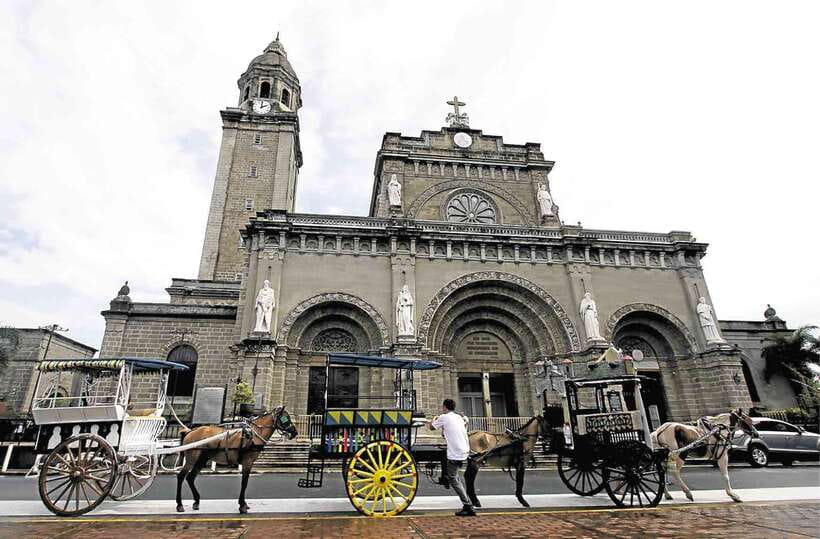
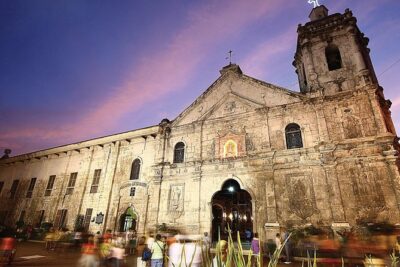
San Agustin Church receives about 25 minutes. It is the oldest stone church in the Philippines and is also recognized for its Baroque architectural design as part of a UNESCO World Heritage listing. Look closely at the details rather than rushing through for a photograph. The church gives you a strong sense of how Spanish Catholic influence shaped Manila.
This is one of the best parts of the tour for visitors interested in architecture and history. The stop is brief, so you may wish for more time to study the church or explore nearby streets. Still, the guide’s explanations add meaning that you may miss if you visit Intramuros without context.
The walking is manageable for many people, but the tour is not suitable for wheelchair users. The fort and old district include uneven streets and walking routes, so comfortable shoes are essential. If you have limited mobility, ask the operator for current details before booking.
Fort Santiago and the story of Jose Rizal
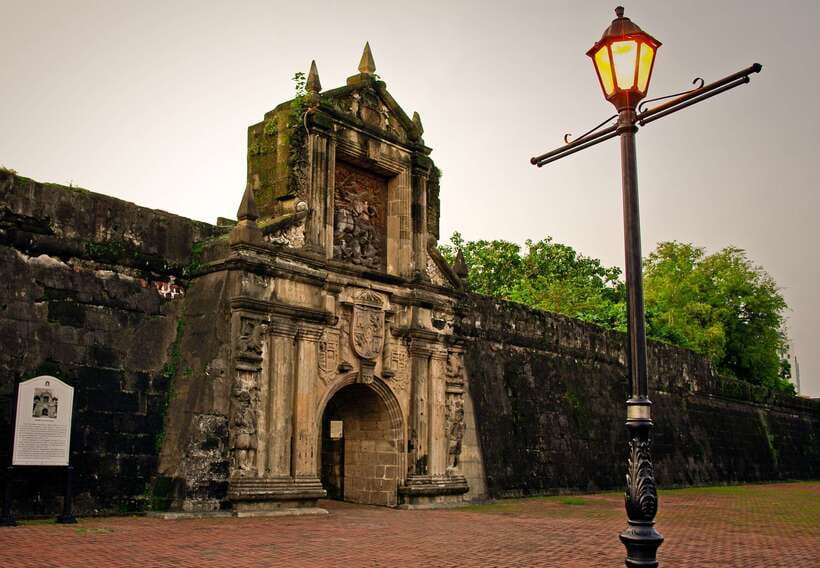
Fort Santiago is the final major stop, with about 45 minutes for a visit, guided commentary, photographs, and walking. The Spanish fortress guarded the entrance to the Pasig River, giving it an important defensive position in Manila’s colonial past.
The fort is also tied to Jose Rizal, who spent his final days there before his execution. He wrote his famous final poem, My Last Farewell, during this period. That personal story gives the site emotional weight beyond its walls and military function.
You should expect a history-focused visit rather than a casual stroll. Fort Santiago has enough atmosphere to reward careful attention, but 45 minutes goes quickly. One guide may focus on architecture, another on Rizal, and another on wartime events. If you have a particular interest, ask questions. Guides such as Omar, Fernando, Richard, and Stella have been singled out for answering detailed questions and keeping the conversation relaxed.
The walking here is more substantial than at some other stops. One useful approach is to stay close to the guide at the start, then use any free minutes for photographs. The van provides welcome relief between sites, especially on a hot day, but you should not mistake this for a ride-only tour.
What the guide and van add
The air-conditioned van is a practical part of the experience, not a luxury extra. Manila traffic can be slow and unpredictable, and the vehicle gives you a cool place to sit while moving between districts. Drivers have been praised for handling difficult traffic, a real advantage in a city where a short road distance can take much longer than expected.
The guide provides the main value. You are not simply being delivered to monuments. The better guides connect what you see to Philippine history, culture, economics, and national identity. Omar has been praised for useful explanations and restaurant suggestions, Fernando for detailed historical knowledge and a friendly manner, Richard for stories and an easy style, and Stella for thoughtful discussion of Filipino culture and social issues.
Guide assignments are not guaranteed, so do not book on the assumption that one particular person will lead your group. What you can reasonably expect is an English-language guide and a licensed tour leader who explains the route as you go.
The group size is not specified, and the experience can vary with the day’s traffic and the pace of the people in your van. Some departures may feel personal, while others may involve more waiting. The operator has also handled occasional delays helpfully, but you should still arrive at the pickup point on time.
Four hours on paper, longer in Manila traffic
The advertised duration is four hours. In practice, traffic can extend the outing to roughly five hours. This matters if you have an onward flight, a fixed dinner reservation, or another timed activity.
I would choose an early departure if your schedule allows. A past afternoon tour ended later than expected because of traffic, and Friday conditions can be especially difficult. The tour is still useful when you are short on time, but leave a generous margin afterward.
The itinerary is well paced for a broad introduction:
- About 30 minutes at the American Cemetery and Memorial
- About 45 minutes driving around Ayala Boulevard and Makati
- About 20 minutes at Rizal Park
- About 45 minutes at Fort Santiago
- About 25 minutes at San Agustin Church
- Additional time for the remaining Intramuros visit, transfers, and drop-off
Those figures explain the tour’s strengths and limits. You see many important places, but none receives a full afternoon. I would book this as an overview, then return to Intramuros or Rizal Park later if one area catches your interest.
What to bring and what not to expect

Wear comfortable shoes. You will walk through Fort Santiago, San Agustin Church, Intramuros, and the memorial grounds. Manila’s heat and humidity can make even moderate walking tiring.
Food and beverages are not included, so eat beforehand or plan something after the tour. Large bags and luggage are not allowed, and smoking is not permitted. This is worth noting if you are using the tour during a hotel change or airport connection.
The tour is not suitable for wheelchair users. The information provided does not promise accessible transport or adapted routes, so anyone with mobility concerns should contact the local partner before reserving.
The tour is conducted in English. Pickup and drop-off are available at the listed hotels and other hotels within Makati and the Bay Area, but not throughout Metro Manila. Check your email, including the spam folder, for the exact pickup details and provide a working phone number so the local partner can confirm arrangements.
Is the $60 price fair?
At $60 per person, this tour costs more than piecing together a few taxi rides and paying site fees yourself. But doing it alone would leave you responsible for route planning, traffic, admissions, and finding useful historical context at each stop.
The price is easier to justify if you are in Manila for only a day, staying in Makati or the Bay Area, or prefer a guide who can explain what you are seeing. The air-conditioned van also matters in a hot, congested city.
The value is weaker if you already know Manila well, want long stretches of free time, or plan to spend most of your day inside Intramuros. In that case, a focused walking visit may suit you better. You may also find the schedule too tight if photography is your main goal.
Who should book this Manila city tour?
I would recommend it to first-time visitors, history fans, and people with a short stop in Manila. It gives you a useful first reading of the city, from Makati’s business district to Spanish Intramuros and Rizal’s final days at Fort Santiago.
It is also a good choice for anyone who wants transportation handled. Manila traffic can be exhausting when you are arranging every trip yourself, and a skilled driver is a real help.
I would hesitate if you use a wheelchair, need a guaranteed return time, dislike walking, or want an unhurried visit to old Manila. For those travelers, the tour’s compact schedule may feel rushed.
Book it if you want a guided history lesson with citywide context, not just a checklist of landmarks. Choose an early departure, wear walking shoes, leave space after the stated four hours, and you will get a useful introduction to Manila’s complicated past and fast-changing present.
FAQ
How long is the Manila Old and New City Tour?
The scheduled duration is four hours, but traffic can make the tour last about five hours. Leave extra time after the tour if you have another fixed booking.
What hotels offer pickup and drop-off?
The listed pickup and drop-off hotels are The Manila Hotel, Fairmont Makati, Conrad Manila, and The Peninsula Manila. Pickup is also available from hotels within Makati City and the Bay Area.
Is transportation included?
Yes. Return hotel transfers within the stated pickup area and an air-conditioned van are included.
What language is the tour conducted in?
The tour has a live English-speaking guide.
Are entrance fees included?
Yes. Entrance fees are included in the tour price. Food and beverages are not included.
Is the tour suitable for wheelchair users?
No. The tour is listed as unsuitable for wheelchair users and includes walking at several historic sites.
Just added around Manila
- 3 Days Private Tour in Banaue Ifugao visiting Batad Rice Terraces★ 3.5 · 3 reviews
- Unforgettable Manila Fishing Village Day Excursion 2024★ 5.0 · 4 reviews
- indigenous Forest experience Manila 2023★ 5.0 · 4 reviews
- Cultural Dinner and Show in Manila★ 5.0 · 4 reviews
- Shared Old Manila Tour★ 5.0 · 5 reviews
- Shared Cruise Shore Excursion of Manila Old and New City Tour★ 4.0 · 10 reviews
- 5 Days Sagada Banaue Batad Discovery (PRIVATE GROUP TOUR Max 6 Travellers)★ 5.0 · 16 reviews
- Private Departure Airport Transfer in Manila Bay and Makati Area★ 5.0 · 3 reviews
City Tours, compared.
Private Cebu & Lapu-Lapu City Tour with Uphill Spots & Lunch at House of Lechon
Read our review →
Manila by Night: Discovering City Highlights with Intramuros
Read our review →

Browse the lists this tour appears in