
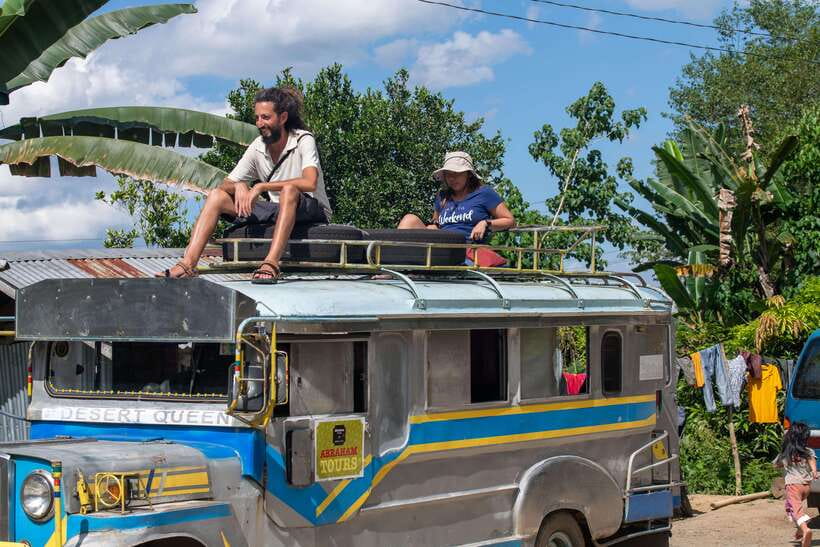
Reviewed · RICE TERRACES TOURS
From Manila: 4-Day Sagada and Banaue Rice Terraces Tour
The best part of this four-day trip is the sharp change from Manila’s busy streets to the cool mountain world of Sagada and Banaue. You will walk among ancient rice terraces, hear the stories behind Sagada’s hanging coffins, and sleep near Batad’s steep green steps.
I like the strong local focus, especially when guides such as Zohan, also called Mark, explain Ifugao customs and family traditions. I also like the variety: one day brings caves and burial sites, another brings waterfalls and terraces. The main drawback is the long overnight bus ride from Manila, followed by steep, slippery trails that can be hard on older or less sure-footed walkers.
Key points to know before booking
- The overnight bus is part of the adventure: The journey from Manila to Sagada takes about 13 hours, with air conditioning and comfort stops.
- Sagada combines culture and physical activity: Expect Echo Valley, the Hanging Coffins, Sumaguing Cave, and challenging terrain.
- Batad is the visual high point: You spend a night in a guesthouse overlooking one of the Philippines’ finest terrace scenes.
- Local guides add real meaning: Zohan, also known as Mark, is praised for adapting the days and explaining Ifugao life.
- The $306 price covers the basics: Transport, entrance fees, breakfasts, lunch on day three, guides, and two hostel nights are included.
- This is not a soft sightseeing trip: Steep steps, slippery rocks, caves, and long bus hours require reasonable fitness.
From Manila to the cool air of Sagada
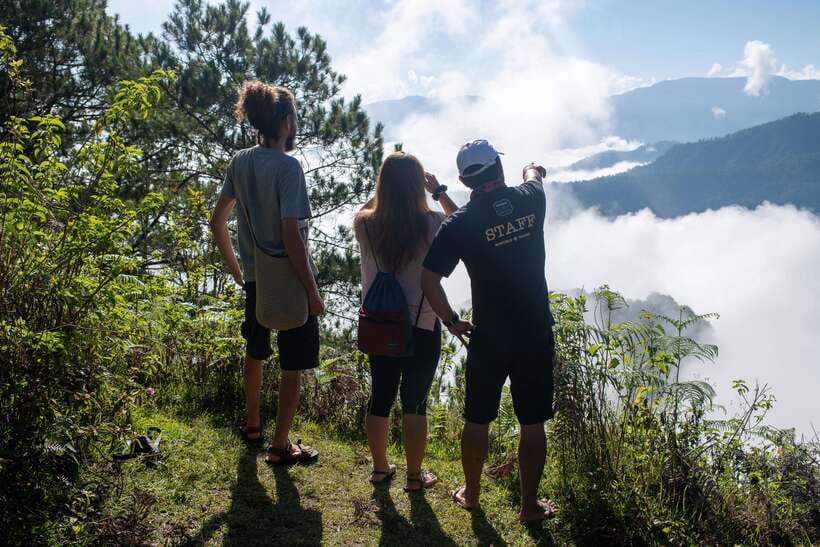
This trip begins at the Coda Lines Terminal in Manila. You need to arrive at least 15 minutes before departure, then settle in for an overnight bus journey into Mountain Province.
The ride takes around 13 hours. Air conditioning and comfort breaks help, but this is still a long bus trip on mountain roads. I would treat the first night as transport time rather than sleep you can count on. Bring a small pillow, water, snacks, earplugs, and a light layer.
The payoff comes when you reach Sagada’s cooler air and highland setting. The schedule moves quickly, but the change in scenery is dramatic. You are no longer simply changing towns. You are entering the Cordillera region, where terraces, caves, burial customs, weaving, and village life shape the trip.
This first transfer is the biggest practical hurdle. If you dislike long bus journeys, the tour may feel demanding before the sightseeing even begins. If you can handle the ride, it saves you from arranging several separate transfers and gives you a direct route from Manila into the mountains.
More rice terraces tours:
- Small-Group Weekend Hiking Tour to Banaue-Ifugao from Manila
★ 5.0 · 30 reviews - Banaue & Batad UNESCO 3days 2 nights Tour ( Private Group Tour Max 6 Travelers)
★ 5.0 · 30 reviews - 5 Days Sagada Banaue Batad Discovery (PRIVATE GROUP TOUR Max 6 Travellers)
★ 5.0 · 16 reviews
Echo Valley and the Hanging Coffins
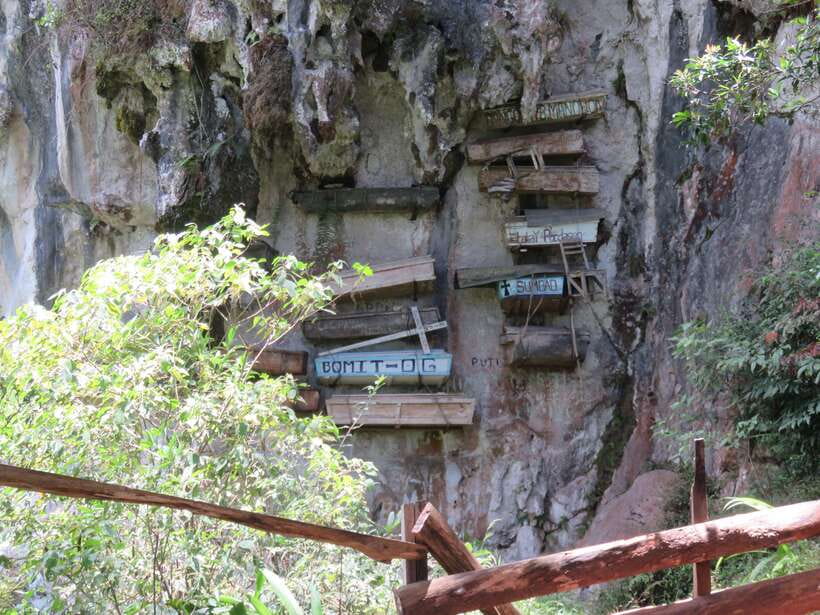
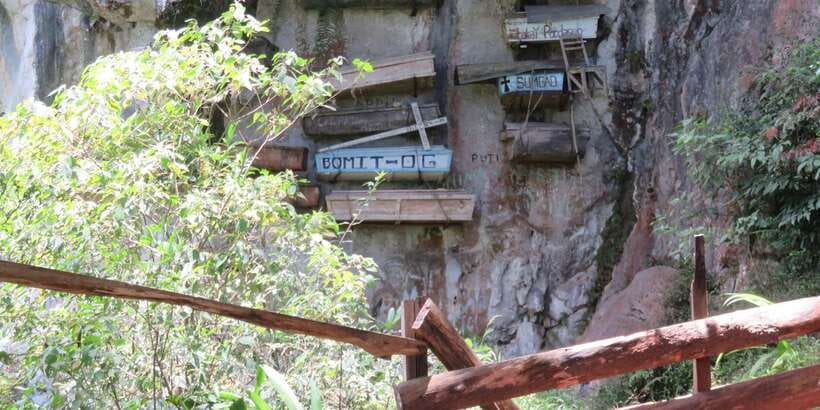
Sagada’s Hanging Coffins are one of the most unusual cultural sights in the Philippines. Coffins are placed on cliff faces and in sheltered rock areas, rather than buried in the usual way. The site is not just a photo stop. A local guide explains the customs and beliefs connected with the practice.
That explanation matters. Without it, you see coffins attached to stone and may miss the cultural meaning. With a guide, the visit becomes a lesson in how communities honor the dead and relate to the surrounding cliffs.
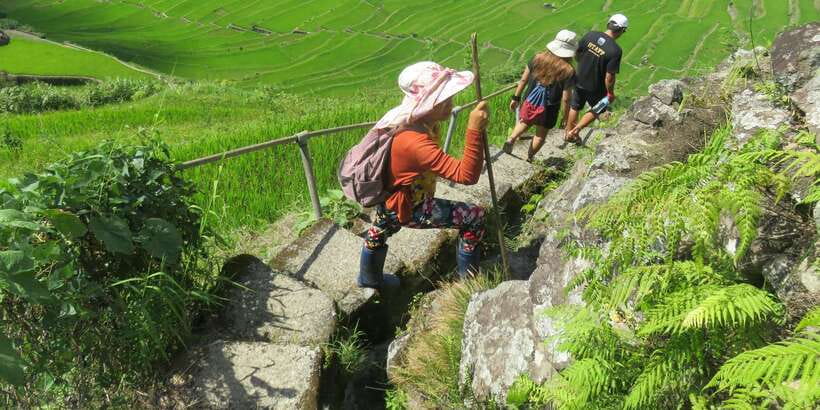
The walk through Echo Valley includes uneven paths and some uphill sections. You should wear shoes with a firm grip, especially if the ground is wet. The route is not presented as a gentle paved stroll, and the physical effort can vary with weather and your pace.
Guides have been especially valued for their care on these walks. Zohan, also known as Mark, is praised for watching each person’s footing and changing the plan when needed. That kind of attention is useful in a group with mixed ages and fitness levels.
Sumaguing Cave, where the floor becomes part of the route
Sumaguing Cave gives the Sagada portion its most physical challenge. You should expect slippery rocks, steep sections, and moments when you use your hands for balance. One participant described the activity as barefoot cave spelunking, which gives you a fair idea of the terrain.
This is not a cave where you simply follow a lit walkway. The appeal comes from moving through the rock itself, but that also makes the experience unsuitable for anyone uncomfortable with uneven footing or confined spaces.
The cave can be a highlight for active visitors, but you do not have to force yourself through every section. One guide adapted the day for a participant who chose not to complete the full cave activity and skipped a waterfall visit. That flexibility is important. The tour has a planned program, but it is not presented as a test you must pass.
Ask your guide what the day’s conditions are like before setting out. Wear clothes that can handle dirt and water, and keep valuables protected. The official information does not specify what equipment is supplied, so do not assume specialist gear is included.
Weaving, the Ifugao House Museum, and the move to Banaue
The second main stage takes you toward Banaue and the Ifugao terraces. Along the way, the program includes a visit with traditional weavers and a stop at the Ifugao House Museum.
These stops give needed context before you reach Batad. The terraces are not simply dramatic mountain scenery. They are working places shaped by farming, construction skill, family knowledge, and local custom. Meeting people connected with these traditions helps you see the terraces as part of daily life, not just a scenic backdrop.
The museum adds another layer. It places local homes, tools, and customs in a setting where you can ask questions. Guides such as Zohan and Frank have been praised for answering questions with patience and linking what you see to Ifugao traditions.
This is one of the tour’s strongest features. The cultural information is not left to a printed sign or a rushed introduction. Your guide can adjust the explanation to your interests. If you want to understand local burial practices, farming, weaving, or village customs, say so.
A few more Manila days worth weighing up
- 4 Day Banaue Ifugao Rice Villages Private tour Trekking
★ 4.5 · 3 reviews - Balabac Palawan Private Expedition 4 Days and 3 Nights
★ 3.5 · 103 reviews - PALAWAN: Balabac Group Excursion – 4 Days and 3 Nights
★ 3.5 · 15 reviews - Sagada and Banaue Rice Terraces 4-Day Tour
★ 5.0 · 4 reviews
Batad Rice Terraces and Tappiya Falls
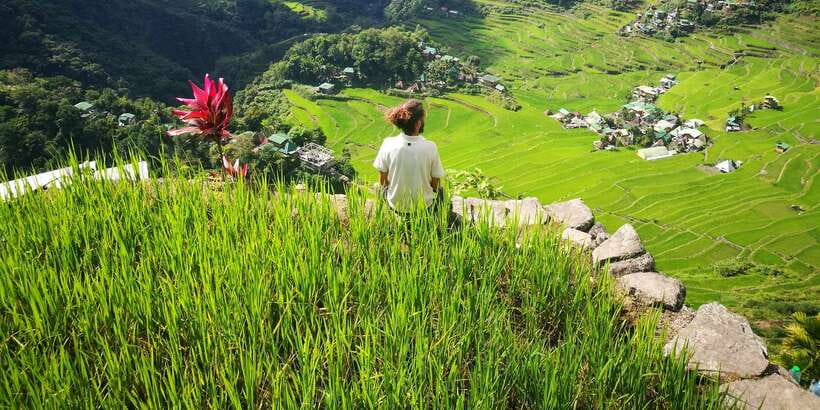
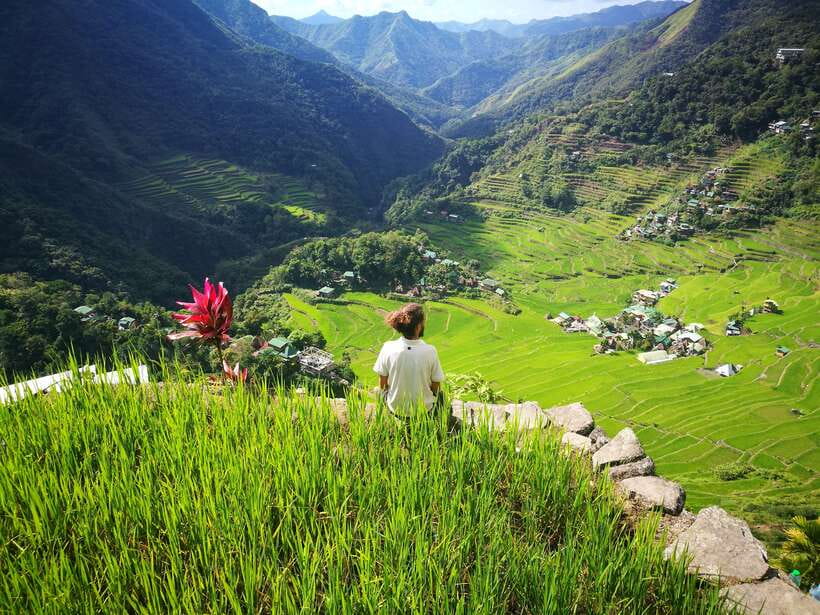
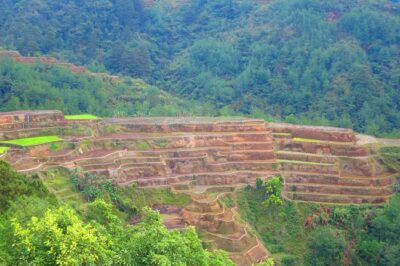
Batad is the scenic centerpiece. Its rice terraces curve around the mountainside in huge, layered steps. You spend the night in a guesthouse overlooking the terraces, which gives you more time with the setting than a short viewpoint stop would.
The route into Batad is a hike, not a bus-accessible sightseeing stop. You should expect steep sections and uneven paths. The return can be just as tiring as the walk in, so save energy and carry only what you need.
The terraces change with weather, season, and farming activity. The supplied information describes them as lush green steps, but you should not expect exactly the same color or planting stage on every visit. The enduring appeal is the scale of the work and the way the terraces follow the mountain contours.
Tappiya Falls adds a welcome change after the walk. The route leads through the terraces toward a waterfall where you can take a cool swim. This is one of the trip’s most rewarding combinations: a demanding walk followed by fresh water and a quiet natural setting.
Do not treat the waterfall stop as guaranteed in every form. Weather, time, group needs, or your own energy may change the plan. The guide has shown a willingness to skip an activity when it is not right for the group, which is sensible in mountain conditions.
The Batad accommodation is a hostel or guesthouse rather than a resort. That is part of the value, but you should expect simple lodging. The reward is the location, especially the chance to wake near the terraces instead of returning to a larger town after the hike.
Bangaan Village and the last terrace walk
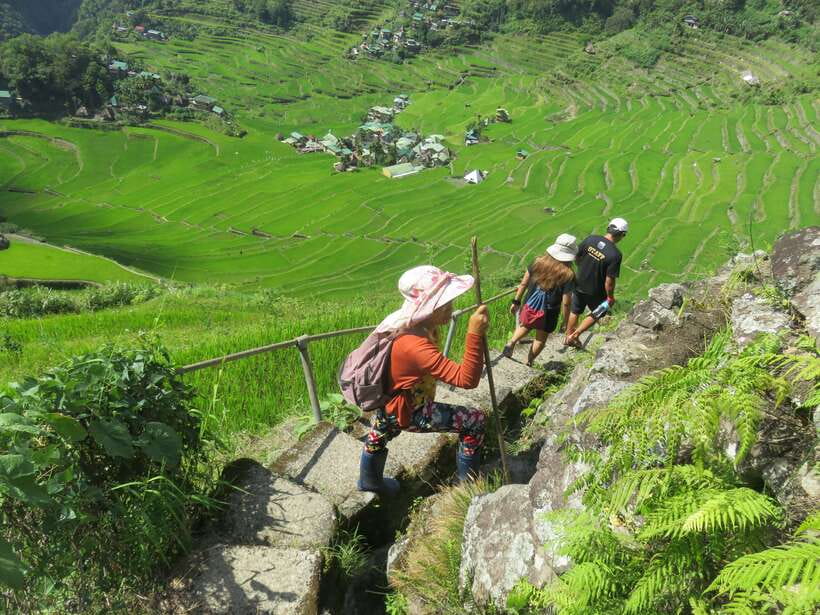
The final day includes Bangaan Village and its rice terraces before the group winds down in Banaue. The program describes a hike for broad views, and one planned version of the route involves roughly three hours of walking.
That detail deserves attention. At least one visitor was disappointed not to complete the full Bangaan hike, so the route can change. Conditions and timing may affect how much walking takes place. If Bangaan is your main reason for booking, ask at the start of the trip what route is planned and how long it is expected to take.
Bangaan gives you another view of Ifugao terrace farming. It helps prevent the trip from becoming a single famous viewpoint repeated in different forms. You see how villages and fields relate to one another, and you get another chance to ask about local life.
The final meal in Banaue marks the end of the mountain portion. Dinner is not included in the tour price, so budget for it along with other evening meals.
What $306 includes, and what it does not
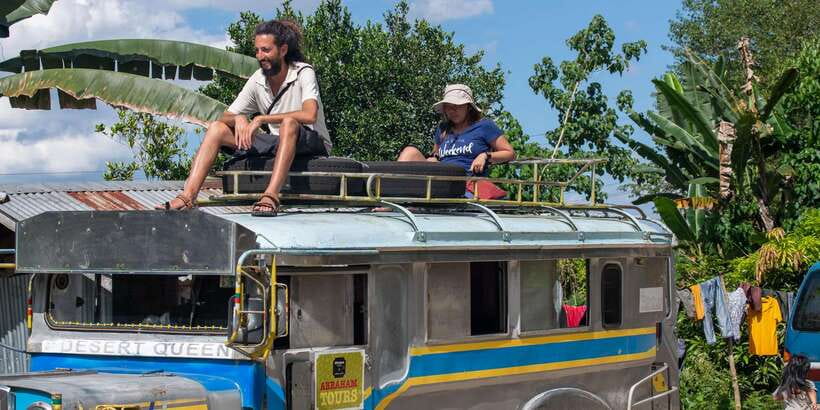
At $306 per person, the tour offers good value if you want transport and local guiding arranged in one package. The price includes transportation to all listed sites, entrance fees, daily breakfast, lunch on day three, local guides in Sagada and Banaue, and two hostel nights in Sagada and Batad.
That removes several expenses that can add up quickly when you arrange a mountain trip alone. You also gain local coordination in places where roads, trail access, and village visits may not be simple to organize independently.
You still need money for drinks, dinners, and lunch on the first two days. The price also does not change the basic nature of the trip: the accommodation is simple, the bus ride is long, and the walking can be strenuous.
For a private or small group, the value improves if you care about flexibility. A guide can adjust the pace, answer personal questions, or shorten an activity when someone is struggling. A larger group may give you less control, so check which group format is available when you book.
The guides are a major part of the experience
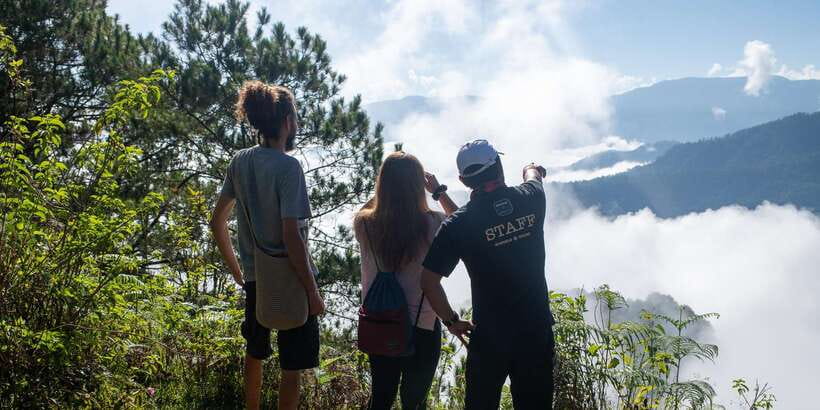
The strongest praise is directed at the guides, especially Zohan, also known as Mark. He is described as a local tribe member with close links to rice growers and wine makers, and as someone who shares family customs and personal knowledge of the area.
That background can make a major difference. A guide who explains the meaning behind a burial hut or a terrace is offering something you cannot get from a viewpoint alone. One person was even taken to a guide’s village and shown an ancestral burial hut, though you should not assume that exact personal visit is part of every departure.
The guiding style also seems flexible. Zohan has adapted the program for solo visitors, older people, reserved group members, and people with different comfort levels. That does not remove the physical demands, but it can make the trip more manageable.
Guide assignments may vary. Frank is also named as a guide who explains local customs and follows the group closely. English is the listed tour language.
Who should book this four-day trip?
I would recommend it to you if you want mountain scenery tied to local culture. It suits active visitors who are happy with caves, steep terrace paths, a cold waterfall swim, simple lodging, and a long bus transfer.
It is also a good choice for solo visitors. The group structure gives you company, while the guides can shape parts of the day around your interests. The private and small-group options may be worth considering if you want more control over walking speed and stops.
I would think twice if you are pregnant, use a wheelchair, dislike confined cave spaces, or have difficulty with steep and slippery trails. The tour is not suitable for pregnant women or wheelchair users, and the physical demands are clear.
Pack light, wear shoes with good grip, and bring clothes that can get wet or dirty. Keep cash available for meals and drinks. Most of all, allow extra patience for the bus. The long ride is the price of reaching this remote mountain region from Manila.
Should you book the Sagada and Banaue tour?
Book it if you want more than a quick rice terrace photo. The combination of Sagada’s hanging coffins, Sumaguing Cave, Batad’s terraces, Tappiya Falls, weaving, museums, and local guides gives you a full picture of the Cordilleras.
The best reason to choose this tour is the human side. Guides such as Zohan and Frank help connect the scenery with Ifugao customs and daily life. The main reason to skip it is comfort: the overnight bus, basic accommodation, and demanding paths are not minor details.
If you accept those limits, $306 is a fair price for four days of transport, guiding, entrance fees, breakfasts, one included lunch, and two nights in mountain guesthouses. You will work for the views, but the terraces and local encounters make that effort worthwhile.
FAQ
Where does the tour depart from in Manila?
The meeting point is Coda Lines Terminal. You should arrive at least 15 minutes before departure.
How long is the trip?
The tour lasts four days. Starting times depend on availability.
How long is the bus ride to Sagada?
The overnight bus journey from Manila to Sagada takes about 13 hours. Air conditioning and comfort breaks are provided.
What sights are included in Sagada?
The Sagada portion includes Echo Valley and the Hanging Coffins, along with Sumaguing Cave. A waterfall visit may also form part of the schedule, depending on conditions and the group.
Which rice terraces are visited?
The program includes the Ifugao Rice Terraces, Batad Rice Terraces, and Bangaan Village’s rice terraces.
Is a waterfall swim included?
The route includes Tappiya Falls, where you can take a cool swim after walking through the Batad terraces. The schedule can change based on conditions and group needs.
What accommodation is included?
Two hostel nights are included, one in Sagada and one in Batad. The Batad accommodation is described as a guesthouse overlooking the rice terraces.
What meals are included?
Daily breakfast and lunch on day three are included. Drinks, dinners, and lunch on days one and two are not included.
Is the tour suitable for wheelchair users or pregnant women?
No. The activity is not suitable for pregnant women or wheelchair users, and several walks include steep paths, slippery rocks, caves, and challenging terrain.
Just added around Manila
- 3 Days Private Tour in Banaue Ifugao visiting Batad Rice Terraces★ 3.5 · 3 reviews
- Unforgettable Manila Fishing Village Day Excursion 2024★ 5.0 · 4 reviews
- indigenous Forest experience Manila 2023★ 5.0 · 4 reviews
- Cultural Dinner and Show in Manila★ 5.0 · 4 reviews
- Shared Old Manila Tour★ 5.0 · 5 reviews
- Shared Cruise Shore Excursion of Manila Old and New City Tour★ 4.0 · 10 reviews
- 5 Days Sagada Banaue Batad Discovery (PRIVATE GROUP TOUR Max 6 Travellers)★ 5.0 · 16 reviews
- Private Departure Airport Transfer in Manila Bay and Makati Area★ 5.0 · 3 reviews
Rice Terraces Tours, compared.
Small-Group Weekend Hiking Tour to Banaue-Ifugao from Manila
Read our review →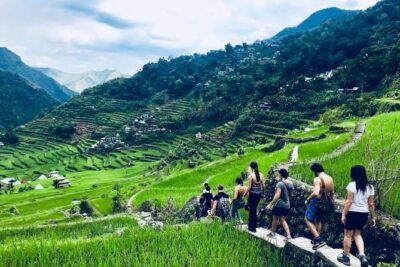
Banaue & Batad UNESCO 3days 2 nights Tour ( Private Group Tour Max 6 Travelers)
Read our review →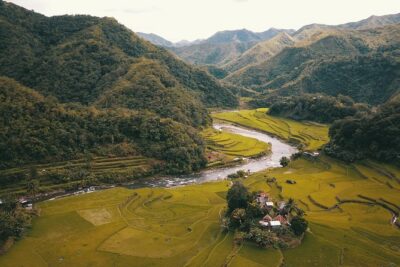
5 Days Sagada Banaue Batad Discovery (PRIVATE GROUP TOUR Max 6 Travellers)
Read our review →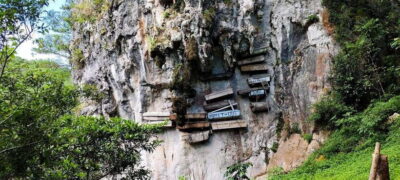
3-Day Sagada, Baguio, & Banaue Rice Terraces Tour
Read our review →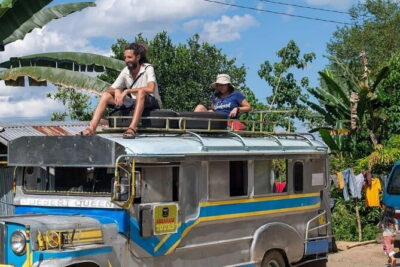
Banaue Rice Terraces Escape: 3 Days, 2 Nights with Transfers
Read our review →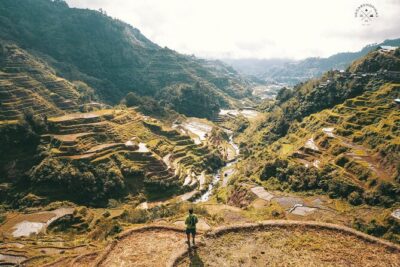
4 Day Banaue Ifugao Rice Villages Private tour Trekking
Read our review →Browse the lists this tour appears in