
Reviewed · MANILA TOURS
indigenous Forest experience Manila 2023
The most memorable part of this Aeta cultural experience is not simply walking through forest. It is seeing how an Indigenous community uses local plants, bamboo, and other materials in daily life. At the Pamulaklakin Forest Trail near Subic Bay, your guide may show you plants used for medicine, demonstrate practical jungle skills, and prepare lunch inside bamboo.
I like two things right away: the small group limit of 15, which gives you more time to ask questions, and the chance to learn directly from an Aeta guide. I also like that the long drive from Manila is handled in an air-conditioned vehicle, with pickup available from selected areas.
The main drawback is the day’s length. With a 6:30 am start and about 10 to 12 hours overall, this is a demanding outing, not a quick nature stop. You should also be ready for a walking tour, as one participant specifically advised.
Key points to know before booking
- Aeta-led forest visit: Learn about traditional plant use, bamboo work, and jungle survival in the Binictican Hills of Subic Bay.
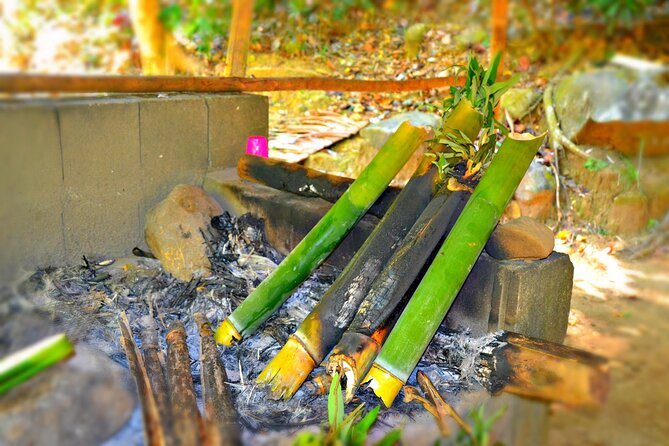
- Bamboo-prepared lunch: Food is traditionally prepared inside bamboo, with bamboo cups and other simple items made during the visit.
- About three hours on the trail: The Pamulaklakin Forest Trail is the main activity, set in one of the Philippines’ remaining rainforest areas.
- Early 6:30 am departure: The full outing lasts about 10 to 12 hours, including the journey from Manila.
- Small-group setting: The tour accepts no more than 15 people, making conversation with the guide easier.
- Weather matters: Poor weather can lead to a new date or a full refund.
Why the Aeta encounter gives this day its purpose
Many forest trips give you scenery, a short walk, and a few photographs. This one is built around practical knowledge. The Aeta people are Indigenous to the Subic area, and the visit focuses on how they use the forest around the Pamulaklakin Trail.
That difference matters. You are not simply being led through trees while someone recites general nature facts. You are shown useful plants, local materials, and survival methods tied to the community’s way of life. The experience works best if you arrive curious and willing to ask questions.
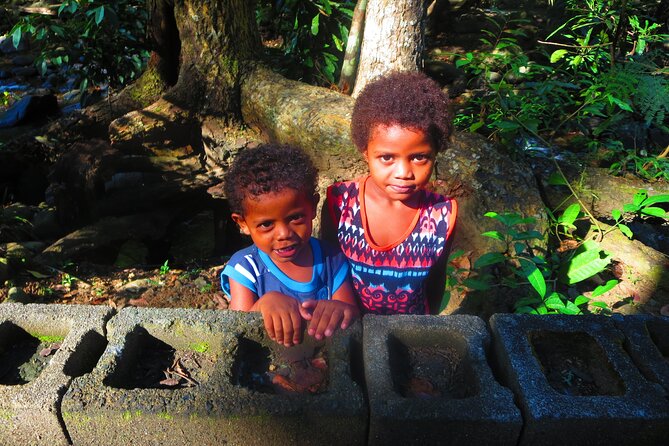
The Aetas are described as a small-statured Indigenous people with tightly curled hair, distinct from most other Filipino groups. That detail is part of the cultural context, but the real value is the personal exchange. You have a chance to learn from an Aeta guide rather than only reading a short explanation at a museum or visitor center.
Some departures have included guides named Eddie and Ricky. Their role was active and informal, with plant explanations, answers to questions, and a sense of fun during the walk. Guide assignments can change, so you should not assume those exact guides will lead every departure, but the experience is clearly designed around close contact rather than a large coach commentary.
A few more Manila days worth weighing up
- Intramuros, Manila: Historical Bamboo Bike Tour
★ 4.8 · 583 reviews - Experience Intramuros with Bamboo Bicycle – Ecotours
★ 5.0 · 508 reviews - Manila: Intramuros, Chinatown, and Old Manila Half-Day Tour
★ 4.8 · 475 reviews
The early ride from Manila to Subic Bay
The day begins at 6:30 am. That early start is important because Subic Bay is outside Manila, and the whole outing takes roughly 10 to 12 hours. Pickup is offered from selected parts of Manila, so check your exact pickup area before paying.
The air-conditioned vehicle is a useful part of the package. The journey takes time, and having transport arranged is easier than trying to coordinate public transport, a private driver, and the forest visit separately. It also makes the experience more practical for anyone staying in Manila without a rental car.
The tradeoff is simple: this is a long day on the road. You are paying for access to a guided cultural visit, but some of your day is spent getting there and back. If you want a short activity close to central Manila, this is the wrong choice. If you want a structured day trip and prefer not to arrange transport yourself, the long ride may feel worthwhile.
The tour offers group discounts, which could improve the value for people booking together. The maximum group size is 15, small enough to avoid the feel of a large bus excursion but not necessarily private or completely quiet.
Walking the Pamulaklakin Forest Trail
The forest visit lasts about three hours and takes place along the Pamulaklakin Forest Trail in the Binictican Hills of Subic Bay, Olongapo. The area is described as one of the few remaining relatively untouched rainforest areas in the Philippines.
The trail is not just a backdrop for the tour. It is the classroom. Your guide may point out plants with medicinal uses and explain how the surrounding forest supports everyday life. This is where the experience gains its strongest sense of place.
You should plan for active walking. The exact trail conditions are not specified, so it is sensible to wear comfortable clothes and footwear suitable for a forest path. The available information does not promise an easy paved walk, and the three-hour duration means you should take the physical side seriously.
The walk also gives the guide room to respond to your interests. If you want to know how a plant is used, how bamboo is shaped, or how people manage in the forest, a small group makes those questions easier to ask. That personal exchange is one of the better reasons to choose this tour instead of a standard sightseeing trip.
The drawback is that the forest component may not suit anyone who dislikes walking or warm outdoor conditions. The description says most people can participate, but it does not give a detailed accessibility assessment. If mobility is a concern, ask the operator for current trail information before booking.
Learning medicinal plants and survival skills
The most useful teaching focuses on plants and practical forest skills. Guides have pointed out plants with medicinal value, and demonstrations cover jungle survival techniques.
The word survival can sound dramatic, but the appeal here is practical rather than theatrical. You are learning how the forest can provide useful materials and remedies, and you may see how local knowledge has been passed down through the community.
This is also a good setting for questions about responsible use. A plant demonstration does not mean you should collect or consume plants on your own. Treat the information as cultural and educational, and follow the guide’s instructions during the walk.
One participant described the guides as very involved and willing to answer questions. That is exactly what you want from this sort of activity. A quiet walk through unfamiliar forest can be pleasant, but it becomes much more meaningful when someone explains what you are seeing and why it matters.
The experience is especially well suited to people interested in Indigenous culture, local food traditions, plant knowledge, and outdoor learning. It is less suited to someone looking only for dramatic scenery or a fast list of photo stops.
Same islands, a completely different kind of day:
- Manila: Old & New 4-Hour City Tour
★ 4.5 · 458 reviews - Manila Food Tour: Introduction to Philippine Street Food
★ 5.0 · 417 reviews - Manila Old and New: Sightseeing Tour Including Intramuros and Fort Santiago
★ 4.5 · 377 reviews - Makati Nightlife: VIP Access to Clubs, Rooftops & Go-Go Bars
★ 4.9 · 278 reviews
Bamboo cooking turns lunch into a lesson
Lunch is traditionally prepared inside bamboo, which gives the meal a direct connection to the forest setting. This is more interesting than receiving a standard packed meal from the vehicle.
The bamboo cooking method is part of the cultural exchange. You see how a common local material can serve more than one purpose, from cooking to drinking vessels and small souvenirs. Bamboo cups may be made on the spot, and one visitor took cups home as a reminder of the visit.
The food itself was described as delicious, but the bigger attraction is the process. Lunch shows how cooking, materials, and local knowledge fit together. It is a modest experience, not a restaurant meal, so do not book this expecting a broad menu or formal dining service. The supplied details do not identify the dishes or provide a list of dietary options.
If you have food allergies or strict dietary needs, contact Yolo Travel Philippines before departure. The meal is part of the traditional presentation, but no special arrangements are stated.
The bamboo items also raise a practical point for international visitors. Bamboo products can be subject to customs or quarantine rules when you return home. One person reported no issue bringing bamboo cups back to their country, but rules differ by destination. Check your own country’s requirements before packing plant-based souvenirs.
What the $160 price really covers
At $160 per person, this is not a cheap half-day attraction. The price makes more sense when you consider the full package: a full-day outing from Manila, air-conditioned transport, selected-area transfers, a guided forest visit, and a traditionally prepared lunch.
You are also paying for access to an Indigenous cultural experience that would be difficult to arrange independently. The value is strongest if you want a complete day with transport handled for you and prefer a guide who can explain the plants, customs, and demonstrations.
The price is harder to justify if you are already based near Subic Bay or can arrange your own local transport. In that case, the Manila transfer portion may not add much value, and you might prefer to contact a local operator directly.
The group discount could help if you are booking with friends or family. Since the group limit is 15, the tour should remain more personal than a large coach trip, although the exact number on your date is not guaranteed.
The activity is commonly booked well ahead of time, with an average booking lead of 56 days. That suggests planning early if your dates are fixed, especially because weather and minimum-group requirements can affect departures.
Weather, changes, and the long-day reality
This experience requires good weather. If poor weather forces cancellation, you are offered another date or a full refund. A minimum number of participants is also required, and if that minimum is not reached, you can choose another date or experience, or receive a full refund.
For your own planning, keep the next day flexible if possible. A 6:30 am start followed by a 10 to 12-hour outing can leave you tired, particularly after the forest walk. Avoid scheduling an evening flight or an important appointment unless you have a generous time buffer.
The cancellation terms are fair but firm. You can cancel up to 24 hours before the start time for a full refund. Cancellations or changes made less than 24 hours ahead are not accepted for a refund.
Confirmation is normally provided at booking. If you book within eight hours of departure, confirmation is subject to availability and may arrive later. That makes last-minute booking possible, but not risk-free.
Who will get the most from this experience
I would choose this tour if you want cultural contact, practical outdoor learning, and a full day away from Manila’s city center. It suits couples, families, and small groups who prefer conversation and hands-on demonstrations to polished sightseeing.
It is also a good match for anyone interested in food preparation and traditional materials. The bamboo lunch and handmade cups give the day a physical, memorable quality. You are not only hearing about local life. You are seeing how bamboo and forest plants can be used.
I would hesitate if you dislike early starts, long vehicle rides, or several hours of walking. The tour also may not satisfy you if your main goal is wildlife spotting, dramatic mountain views, or a luxury nature retreat. Those features are not promised.
The experience works best when you treat it as a cultural visit with an outdoor component, not as a demanding expedition or a conventional sightseeing tour.
Should you book the Pamulaklakin Forest Trail visit?
Book it if you want an unusual Manila day trip with an Indigenous guide, practical plant knowledge, bamboo cooking, and a small-group feel. The strongest parts are the human contact, the hands-on demonstrations, and the way lunch connects naturally to the forest setting.
Think twice if the $160 price feels high for a day that includes a long ride, or if you need a highly predictable schedule. Weather, group minimums, and traffic can affect the day.
For the right person, this is a thoughtful choice. You leave with more than photographs: you gain a clearer sense of how the Aeta community relates to the forest around Subic Bay.
FAQ
Where does the experience take place?
The visit takes place at the Pamulaklakin Forest Trail in the Binictican Hills of Subic Bay, Olongapo, Philippines.
What time does the tour start?
The stated start time is 6:30 am.
How long does the experience last?
The full outing lasts approximately 10 to 12 hours. The forest trail portion lasts about three hours.
Is transportation from Manila included?
Air-conditioned transportation is included, and free transfers are offered from selected areas of Manila.
Is lunch included?
Yes. The experience includes a traditionally prepared lunch cooked inside bamboo.
How large is the group?
The activity has a maximum of 15 participants.
Who leads the forest visit?
An Aeta guide leads the forest visit. Some departures have included guides named Eddie and Ricky, but guide assignments may vary.
What will I learn during the visit?
You can learn about the Aeta community’s use of the forest, medicinal plants, bamboo preparation, and jungle survival skills.
Can most people participate?
The activity information says most people can participate. Because the forest visit includes a walking tour, ask the provider about current trail conditions if you have mobility concerns.
What happens if the weather is poor?
If the experience is canceled because of poor weather, you are offered another date or a full refund. A new date, another experience, or a full refund may also be offered if the minimum group size is not reached.
Just added around Manila
- 3 Days Private Tour in Banaue Ifugao visiting Batad Rice Terraces★ 3.5 · 3 reviews
- Unforgettable Manila Fishing Village Day Excursion 2024★ 5.0 · 4 reviews
- Shared Old Manila Tour★ 5.0 · 5 reviews
- Cultural Dinner and Show in Manila★ 5.0 · 4 reviews
- Shared Cruise Shore Excursion of Manila Old and New City Tour★ 4.0 · 10 reviews
- 5 Days Sagada Banaue Batad Discovery (PRIVATE GROUP TOUR Max 6 Travellers)★ 5.0 · 16 reviews
- Private Departure Airport Transfer in Manila Bay and Makati Area★ 5.0 · 3 reviews
- Transfers from Manila, Makati, Taguig and Pasay Hotel to Airport★ 4.0 · 6 reviews
Manila Tours, compared.
Intramuros, Manila: Historical Bamboo Bike Tour
Read our review →
Experience Intramuros with Bamboo Bicycle – Ecotours
Read our review →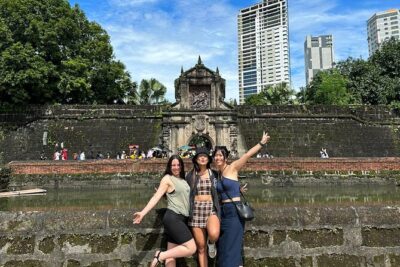
Intramuros, Chinatown, and Old Manila Half-Day Tour
Read our review →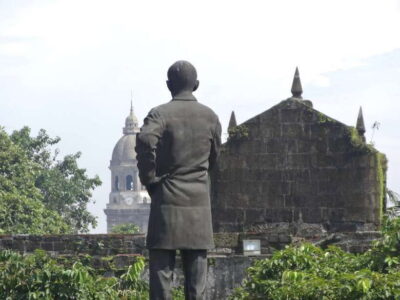

Manila Food Tour: Introduction to Philippine Street Food
Read our review →
Manila Old and New: Sightseeing Tour Including Intramuros and Fort Santiago
Read our review →
Makati Nightlife: VIP Access to Clubs, Rooftops & Go-Go Bars
Read our review →
Manila Food Tour: Explore World’s Oldest Chinatown
Read our review →Browse the lists this tour appears in