
Reviewed · MANILA TOURS
Shared Old Manila Tour
Manila’s past comes into focus inside the walls of Intramuros, where a Spanish fortress, an old stone church, and a recreated 19th-century home sit close together. This tour then crosses into Binondo, Manila’s Chinatown, adding a horse-drawn calesa ride and, on some departures, small tastes of spring rolls and bao buns.
I like the small maximum of six people, which should make questions and conversation easier, and I like the choice of morning or afternoon departure. The main drawback is time: four hours gives you a useful first look, but stops are short, and city traffic can eat into the schedule. At $142.31 per person, value depends heavily on your pickup location and how much you want a guide to handle transport and context.
Key points to know before booking
- Fort Santiago gives the tour its strongest historical setting, with the old fortress positioned at the mouth of the Pasig River.
- San Agustin Church and Casa Manila sit near each other, so you get two very different views of Manila’s Spanish-era past without long walks between them.
- The calesa ride adds local character, taking you across the Pasig River toward Binondo and Binondo Church.
- The group is limited to six people, a useful advantage for a compact city tour.
- Guides may add food stops in Chinatown, including spring rolls and bao buns, though these extras should not be treated as guaranteed.
- Hotel pickup and drop-off apply only to selected hotels, and traffic can change transfer times.
A practical first look at old Manila
This is a good orientation tour if you have only one free morning or afternoon in Manila. You see the central sights in and around Intramuros, then get a taste of Binondo, an area with its own old churches, food traditions, and streets.
The experience is less about lingering at one major attraction and more about connecting several pieces of Manila’s story. You move from national memory at Rizal Park to Spanish colonial rule in Intramuros, then toward Chinatown and the Pasig River. That broad sweep is the real value.
The tour starts at 8:00 a.m. The stated duration is about four hours, though transfer times are approximate and depend on traffic. Manila roads can be slow, so a morning departure may help you make better use of the clock, especially if you have another appointment later.
The small group size matters here. With a maximum of six people, you are not being moved through the old city in a large crowd. You can ask about details, pause for photos, and hear the guide more easily. Guides named Jonas, Joan, Richard, and Amy have led this experience, with particular strengths in history, local culture, and food.
A few more Manila days worth weighing up
- Intramuros, Manila: Historical Bamboo Bike Tour
★ 4.8 · 583 reviews - Experience Intramuros with Bamboo Bicycle – Ecotours
★ 5.0 · 508 reviews - Manila: Intramuros, Chinatown, and Old Manila Half-Day Tour
★ 4.8 · 475 reviews
Rizal Park and the story of Jose Rizal
The city tour begins with Rizal Park, named for Dr. Jose Rizal, the Philippines’ national hero. The stop is brief and mainly for photographs, so you should think of it as an introduction rather than a full park visit.
That short pause still matters. Rizal’s name appears across the Philippines, and starting here places the rest of the tour in a national context. You are not simply looking at old buildings. You are beginning with a figure tied to the country’s identity and its struggle under Spanish rule.
Do not expect a long walk through every corner of the park. The schedule moves quickly, and the main focus comes next, inside Intramuros.
Fort Santiago, 30 minutes inside Manila’s old fortress
Fort Santiago sits at the mouth of the Pasig River and is one of the most important stops on the tour. The fortress witnessed major moments in Philippine history, and its walls give you a strong sense of Manila as a defended colonial city.
You have about 30 minutes here, with admission included. That is enough to see the main areas and hear an explanation of the site, but not enough for an unhurried visit to every corner. Stay close to the guide and use the time well. This is one place where a clear explanation adds a lot, since the stone walls alone cannot tell you why the fort matters.
The location also connects the old city to the river. Manila developed around the Pasig, and Fort Santiago’s position helps explain the military and commercial importance of this part of town.
I would give Fort Santiago your full attention. The tour has several stops, but this is the one most likely to reward historical questions. Ask how the fortress fits into the wider Spanish period and how it relates to the city beyond the walls.
San Agustin Church and its 15-minute visit
From Fort Santiago, you travel along the cobbled streets of Intramuros to San Agustin Church. It is described as the oldest stone church in the country, and the visit includes admission.
The church contains ecclesiastical icons, vestments, and other religious objects. You get about 15 minutes, so this is a focused stop rather than a long museum visit. Look beyond the main architecture and notice the collection of religious items. They help show how faith, art, and colonial rule were tied together.
The short time can feel restrictive if you want to study every object. Still, San Agustin works well in this format because it adds a different layer to Fort Santiago. The fortress presents power and defense. The church shows the religious side of Spanish Manila.
As with any active place of worship, keep your voice low and follow the guide’s instructions. The supplied information does not specify any dress rules, so ask the guide if you are unsure.
Same islands, a completely different kind of day:
- Manila: Old & New 4-Hour City Tour
★ 4.5 · 458 reviews - Manila Food Tour: Introduction to Philippine Street Food
★ 5.0 · 417 reviews - Manila Old and New: Sightseeing Tour Including Intramuros and Fort Santiago
★ 4.5 · 377 reviews - Makati Nightlife: VIP Access to Clubs, Rooftops & Go-Go Bars
★ 4.9 · 278 reviews
Casa Manila and a recreated 19th-century home
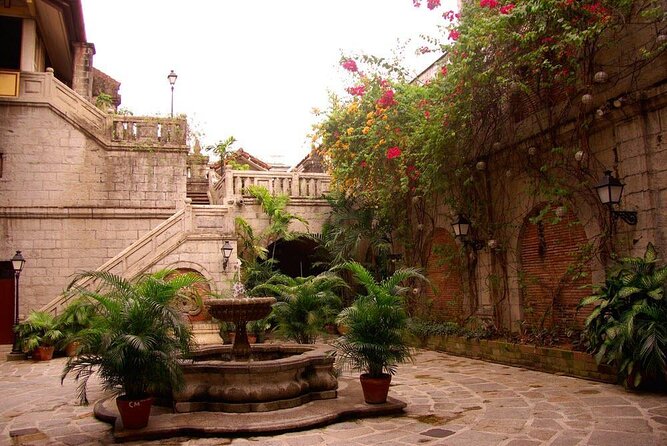
Casa Manila is across the street from San Agustin Church, making this an efficient part of the visit. It is a reproduction of a 19th-century house, furnished with oriental and European decor and Philippine antique furniture.
The word reproduction is important. Casa Manila is not presented as an untouched original home. Its value comes from showing how a well-appointed Manila residence might have looked, with design influences from several cultures.
You get about 30 minutes here. That is enough time to take in the rooms and furnishings without turning the stop into a long museum visit. I like the contrast with the church: one shows public religious life, while Casa Manila suggests the domestic world of the period.
If you enjoy interiors, furniture, and social history, this may be one of your favorite stops. If you prefer ruins and open-air sights, it may feel more staged. The guide’s explanation is especially useful here because the objects need context.
Crossing the Pasig River by calesa
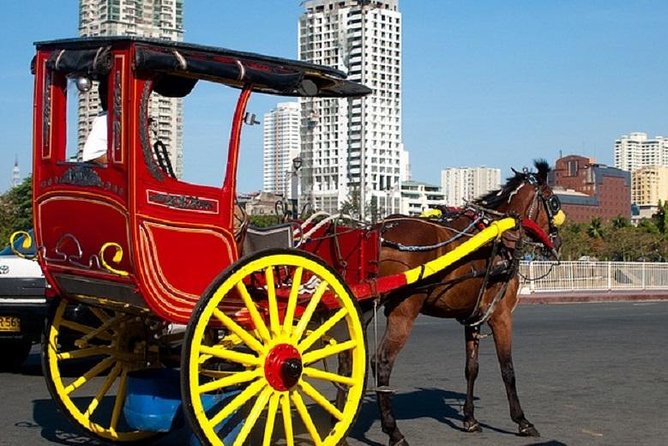
The tour then boards a horse-drawn carriage called a calesa and heads toward Binondo. This is one of the more distinctive parts of the experience because it changes the pace and gives you a traditional form of transport rather than another vehicle transfer.
The route crosses the Pasig River and continues toward an alley leading to Binondo Church. The ride is not described as a long excursion, and the listed visit at Binondo Church is 15 minutes with no admission charge. Think of the calesa as a short cultural link between Intramuros and Chinatown, not a separate sightseeing tour.
There is also a practical point here. Horse-drawn transport moves at its own pace, and traffic conditions can affect the timing. The benefit is atmosphere. You get a slower look at the streets than you would from a van, even if the ride itself is brief.
Binondo and the food side of the tour
Binondo adds a welcome change after the Spanish-era sights. The area is Manila’s Chinatown, and the tour takes you toward Binondo Church, a historic landmark built by the Spaniards. The supplied schedule gives this stop about 15 minutes, so the formal sightseeing portion is compact.
Some departures include extra food stops arranged by the guide. Jonas, for example, has taken people to two food stalls for traditional spring rolls and bao buns. Those tastings were described as a memorable bonus, but they are not listed as a guaranteed part of every departure.
That distinction matters. You should book this tour for its city sights and guided overview, then treat Chinatown food sampling as a possible extra. Also note the unusual wording around meals: lunch is listed among the inclusions, while food and drinks are also listed under what is not included. I would confirm exactly what lunch covers before paying, particularly if food is an important part of your decision.
Binondo is where you may wish for more time. Fifteen minutes is enough to see the church and get a quick sense of the area, but not enough to explore Chinatown at a relaxed pace. The guide can make the short visit more useful by pointing out food, history, and cultural details as you go.
What the guides add to the experience
The guide is central to the tour’s value. The buildings are worth seeing, but four hours of short stops can feel thin without clear explanations and good timing.
Jonas is described as strong on Philippine history and culture, and he has also added the Chinatown food stops. Joan is noted for explaining landmarks, food, and Filipino culture. Richard and the driver have been praised for their command of Manila’s past, while Amy is described as flexible about individual interests.
Guide assignments can change, so you should not assume a particular person will lead your departure. Still, these examples show the sort of experience to expect: an English-speaking guide who explains the old city, answers questions, and may adjust the emphasis to your interests.
The best use of your guide is to ask direct questions. Ask about the Spanish period, the Pasig River, the purpose of Fort Santiago, or how Casa Manila represents 19th-century life. A small group makes this easier than a large coach tour.
Is $142.31 a fair price?
At $142.31 per person, this is not a bargain sightseeing bus. The price makes more sense if you value hotel pickup and drop-off, admission to Fort Santiago, San Agustin Church, and Casa Manila, a professional guide, transport between areas, and a small group capped at six.
Taxes, fees, fuel surcharges, and service charges are included. That reduces the chance of small add-on costs, though the meal wording should be clarified before booking.
The tour is more useful for a first visit than for someone who already knows Intramuros and Binondo. If you are staying at a selected hotel and have only half a day, the convenience may justify the price. If you can arrange your own transport and spend a full day exploring slowly, you may find the four-hour format less satisfying.
Group discounts are offered, though no discount amount is specified. Children receive a child rate only when sharing with two paying adults, and children must be accompanied by an adult.
Timing, pickup, and what to keep in mind
The starting time is 8:00 a.m., with a choice of morning or afternoon departure listed for the experience. Hotel pickup and drop-off are available only from selected hotels, so check that point before booking rather than assuming every Manila address is covered.
Most people can participate, but the tour is subject to favorable weather. Transfer times are estimates, and traffic can change the schedule. If you have a flight, cruise departure, or strict evening reservation, leave a generous buffer.
A mobile ticket and instant confirmation make the booking simple. The experience also offers free cancellation if you cancel at least 24 hours before the start time. Cancellations made within 24 hours are not refunded, and changes inside that window are not accepted. If you are arriving by cruise ship, no refund is provided if you miss the tour because the ship arrives late or does not arrive.
Who should book the Shared Old Manila Tour?
I would choose this tour if you want a compact introduction to Manila’s old center and prefer having transport, admissions, and explanations arranged for you. It suits first-time visitors, history fans, families with an adult present, and anyone who likes seeing several major places in one morning.
It is also a sensible choice for people who want a small group rather than a large city coach. The chance of a Chinatown food stop adds appeal, especially if you enjoy trying local snacks, but I would not treat that as guaranteed.
I would hesitate if you want long, quiet visits at each site, extensive Chinatown exploration, or a low-cost walking tour. The four-hour schedule is efficient but tight, and traffic may reduce the time available. At this price, the guide and convenience need to matter to you.
FAQ
How long does the Shared Old Manila Tour last?
The tour lasts approximately four hours. Transfer times are estimates and can vary with traffic and time of day.
What time does the tour start?
The stated start time is 8:00 a.m. A choice of morning or afternoon departure is also listed, so confirm the available option when booking.
Which attractions are included?
The tour visits Rizal Park, Fort Santiago, San Agustin Church, Casa Manila, and Binondo, including Binondo Church. It also includes a horse-drawn calesa ride toward Chinatown.
Is hotel pickup available?
Hotel pickup and drop-off are offered from selected hotels only. You should confirm that your hotel is included.
How large is the group?
The activity has a maximum of six travelers.
Is lunch included?
Lunch is listed among the inclusions, but food and drinks are also listed as not included. Confirm what the lunch provision covers before booking.
Can I cancel for a refund?
Yes. You can cancel at least 24 hours before the local start time for a full refund. Cancellations or changes made less than 24 hours in advance are not refunded or accepted.
Just added around Manila
- 3 Days Private Tour in Banaue Ifugao visiting Batad Rice Terraces★ 3.5 · 3 reviews
- Unforgettable Manila Fishing Village Day Excursion 2024★ 5.0 · 4 reviews
- indigenous Forest experience Manila 2023★ 5.0 · 4 reviews
- Cultural Dinner and Show in Manila★ 5.0 · 4 reviews
- Shared Cruise Shore Excursion of Manila Old and New City Tour★ 4.0 · 10 reviews
- 5 Days Sagada Banaue Batad Discovery (PRIVATE GROUP TOUR Max 6 Travellers)★ 5.0 · 16 reviews
- Transfers from Manila, Makati, Taguig and Pasay Hotel to Airport★ 4.0 · 6 reviews
- Private Half-Day Manila with Rizal Park and Fort Santiago★ 4.5 · 5 reviews
Manila Tours, compared.
Intramuros, Manila: Historical Bamboo Bike Tour
Read our review →
Experience Intramuros with Bamboo Bicycle – Ecotours
Read our review →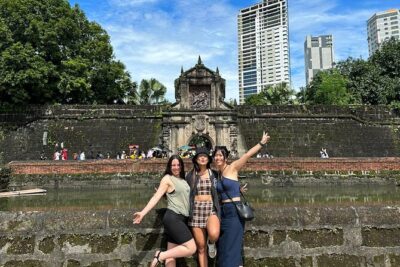
Intramuros, Chinatown, and Old Manila Half-Day Tour
Read our review →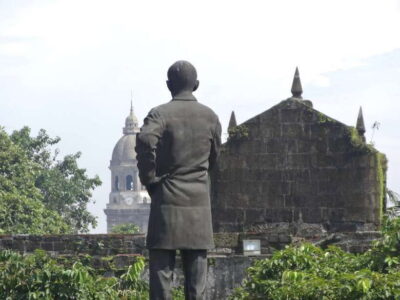

Manila Food Tour: Introduction to Philippine Street Food
Read our review →
Manila Old and New: Sightseeing Tour Including Intramuros and Fort Santiago
Read our review →
Makati Nightlife: VIP Access to Clubs, Rooftops & Go-Go Bars
Read our review →
Manila Food Tour: Explore World’s Oldest Chinatown
Read our review →Browse the lists this tour appears in