
Reviewed · FOOD & DRINK
Manila Food Tour Experience with Local Guide
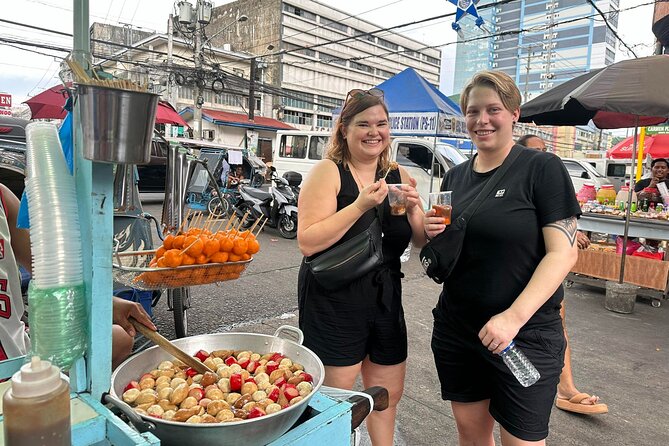
Manila’s best food stories often happen away from polished restaurants. This small-group tasting walk takes you through Tondo and Binondo, where you can try everything from savory adobo and kwek kwek to sweet biko and halo-halo. Guides V and Venus also add local color, photos, and help with navigation.
I like the mix of Filipino street food and Chinese-Filipino cooking, and I like the chance to see parts of Manila that can feel hard to approach on your own. The main thing to keep in mind is that the exact dishes depend on what is available that day, and the two-hour schedule moves quickly.
Key points to know before booking
- Tondo begins the food story: Start among local markets and street stalls with traditional Filipino dishes.
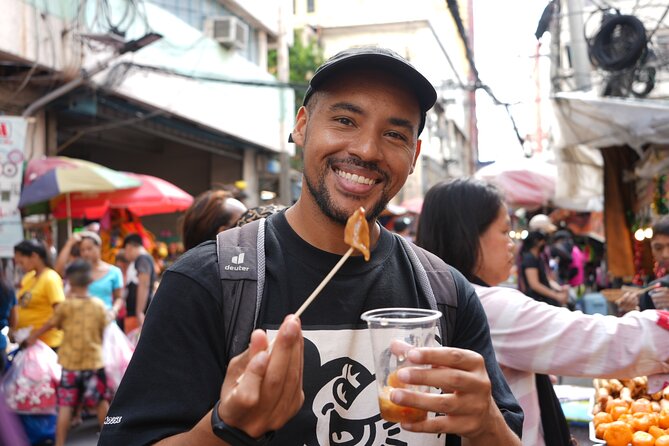
- Binondo adds Chinese-Filipino flavor: Continue to the world’s oldest Chinatown for siopao, dumplings, noodle shops, tea shops, and bakeries.
- Expect 6 to 10 tastings: The food may include kwek kwek, adobo, biko, halo-halo, and other items available locally.
- A guide makes the difference: V and Venus are named guides connected with the experience, with V especially praised for navigation, photos, and friendly company.
- The group is intended to stay small: The tour is described as limited to 12 participants, while the practical booking details list a maximum of 8, so confirm the current group size.
- It is a short, focused outing: The experience lasts about two hours and returns to the meeting point in Tondo.
Why Tondo is the right place to begin
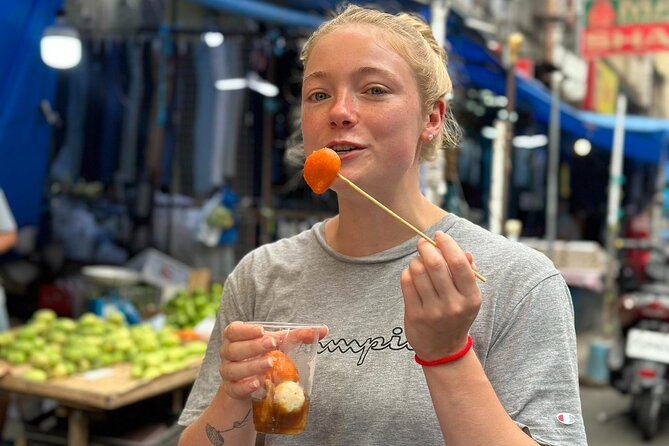
The tour starts in Tondo, a part of Manila known for its everyday street life and local food stalls. You are not beginning with a formal dining room or a fixed tasting menu. Instead, the first hour is built around what is being prepared and sold in the neighborhood that day.
That matters because Filipino food makes the most sense when you see how many forms it takes. A familiar dish such as adobo may appear alongside snack foods, rice cakes, fried bites, and sweets. The appeal is not simply eating several dishes. It is seeing how food fits into ordinary city life.
You can expect about 6 to 10 tastings across the full experience, though the selection changes. Kwek kwek may be available, along with adobo, biko, halo-halo, or other local favorites. Since the food is based on local availability, you should come ready for some variety rather than one guaranteed menu.
I like this setup for first-time visitors because a guide can explain what you are looking at before you order or taste it. That removes much of the guesswork from unfamiliar street food. It also gives you a person to ask about ingredients, customs, and the difference between a snack and a full dish.
Tondo may feel more intense than Manila’s main sightseeing areas. Streets can be crowded, and food stalls are part of a working neighborhood rather than a show arranged for visitors. That is a benefit if you want a direct view of local life, but it also means you should expect a less polished setting.
More Food Tours in Manila
- Makati Street Food Experience end with a Rooftop Bar
★ 5.0 · 33 reviews - Intramuros & Chinatown Manila Tour – Walking, Food & Culture
★ 4.5 · 32 reviews - Manila Chinatown Food Tour Experience
★ 5.0 · 20 reviews
What to expect from the Filipino tastings
The first half of the experience focuses on traditional Filipino food. Adobo brings the familiar combination of meat, seasoning, and sauce, while biko offers a sweet, sticky contrast. These examples show why Filipino cooking can move from savory to sweet without much ceremony.
Kwek kwek is another possible tasting. These small battered quail eggs are a common street-food choice, though the exact availability is not guaranteed. Halo-halo may appear later as a cold dessert, but the food stops depend on what is being sold during your visit.
This flexibility is both a strength and a limitation. You get a more natural food walk because the guide responds to the neighborhood. At the same time, you cannot treat the listed dishes as a fixed promise. If you have your heart set on one particular item, ask the guide what is available at the start.
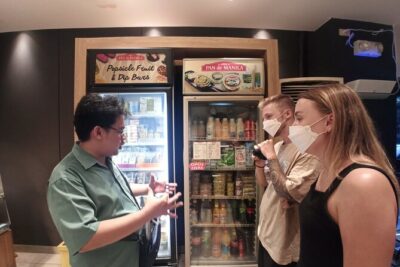
The food is the central feature, but the setting gives each bite more meaning. You may see small stalls, market activity, and local vendors working through the day. The point is not fine dining. It is learning how Manila eats in places where residents actually shop and snack.
Moving from Tondo into Binondo
The second hour takes you to Binondo, Manila’s Chinatown and the world’s oldest Chinatown. Here the food changes direction, with Chinese-Filipino dishes such as siopao and dumplings taking the lead.
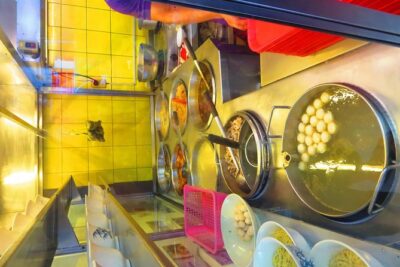
Binondo adds an important layer to the city’s food culture. Filipino cooking is not one single style, and this stop shows how Chinese influences have become part of Manila’s daily eating habits. Noodle houses, tea shops, and bakeries line the historic streets, giving the walk a different feel from Tondo.
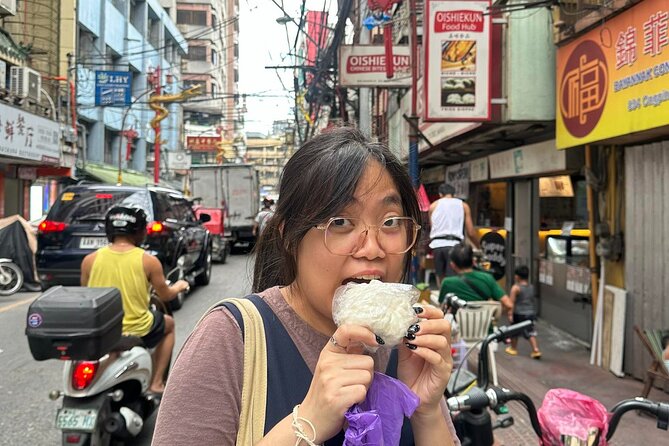
Siopao is a particularly useful introduction because it is easy to understand as a filled steamed bun, yet closely tied to local Chinese-Filipino food traditions. Dumplings offer another simple way to compare textures and fillings. Your guide can help place these dishes within the wider food scene.
The Binondo portion is also more than a series of tastings. You get time to look at the streets, shops, and food businesses that make the district distinct. If you enjoy noticing how neighborhoods change from one block to the next, this part of the tour adds real value.
The practical catch is that admission for this stop is not included as a separate ticket item, and the experience returns to the original meeting point in Tondo. The supplied details do not explain the transport between the two areas, so ask at booking how that movement is handled and if any additional cost applies.
The guide can make or break the experience
A food tour in Tondo and Binondo asks more from a guide than simply naming dishes. You need help with navigation, timing, food choices, and the basic rhythm of a crowded city. The strongest part of this experience appears to be the personal role played by guides such as V and Venus.
V is associated with helping visitors find their way through Manila, including places that can be difficult to discover alone. Her easy conversation and photo-taking are especially useful if you are traveling solo. A private-style experience may also occur if no one else books your date, although that is not guaranteed.
Venus is connected with showing visitors lesser-known corners of Tutuban and sharing local food from her home city. That suggests a guide-led walk rather than a simple chain of restaurant stops. You are likely to get more out of the tour if you ask questions and show interest in the places around you.
The experience is described as intimate, with a limit of 12 participants, while the additional booking information gives a maximum of 8. That inconsistency is worth checking before you pay. Even a group of 8 feels quite different from a group of 12 when you are ordering food at small stalls.
More food tours in Luzon:
- Makati Street Food tour Experience
★ 5.0 · 16 reviews - Binondo Bites Manila Food Tour with 15+ Tastings
★ 5.0 · 5 reviews - Manila Food Tour: Introduction to Philippine Street Food
★ 5.0 · 417 reviews - Boracay Sunset Cruise with Party DJ & Unlimited Food and Drinks
★ 5.0 · 211 reviews
Is $70 a fair price?
At $70 per person, this is not the cheapest way to eat in Manila. You could certainly buy individual street-food items for much less. The value comes from the guide, the planning, the local route, and the confidence of eating in unfamiliar areas.
You are paying for more than the food itself. The price covers a guided experience of Tondo and Binondo, between 6 and 10 tastings, and an introduction to both Filipino and Chinese-Filipino cooking. If you would otherwise spend hours researching where to go, the guidance can make the cost easier to justify.
The value is strongest for first-time visitors, solo visitors, and anyone who wants context with their meal. It is less compelling if you already know Manila well, speak confidently with vendors, and prefer choosing every dish yourself.
The tour’s short duration also matters. Two hours is enough for a focused introduction, but it is not a full-day food crawl. Think of it as a useful first taste that can help you decide where to return later, not as a complete survey of Manila cuisine.
Who will enjoy this most
I would recommend this experience to you if food is one of your main reasons for visiting Manila and you want to see more than the usual sightseeing stops. It is also a good fit if you are unsure what to order and prefer having someone explain the choices in person.
Solo visitors may find the format especially useful. A guide such as V can handle the route, take photos, and provide company, which removes some of the awkwardness of eating and exploring alone. The small-group format can also make it easier to ask questions.
It suits adventurous eaters, but you do not need to be an expert in Filipino food. The possible dishes range from familiar savory food to unusual street snacks and sweet treats. You should simply be open to trying what is available rather than expecting a fixed restaurant menu.
This is not the best choice if you need a guaranteed list of dishes, a quiet setting, or a long sit-down meal. The route takes place in active city districts, and food availability can change. Anyone with strict dietary needs should ask the provider for details before booking, since the supplied information does not list substitutions or allergy arrangements.
Timing, meeting point, and practical details
The meeting point is in Tondo, Manila, and the tour ends back there. Plan your day around that fact. The experience does not finish in Binondo, so do not assume you can continue directly from the last tasting without returning to the starting area.
The total duration is about two hours. Wear comfortable shoes and arrive ready to walk, stand, and eat at several stops. The tour is delivered with a mobile ticket, and confirmation is provided when you book.
Most people can take part, according to the supplied participation information. Still, the route involves public streets and food stalls, so you should consider your own comfort with crowds, walking, and unfamiliar dishes.
You can cancel for a full refund if you do so at least 24 hours before the start time. Changes or cancellations made within 24 hours are not accepted for a refund, and the cut-off follows local Manila time.
How to get the most from the food walk
Come hungry, but not so hungry that you rush the first few tastings. With as many as 10 samples across two hours, pacing matters.
Ask your guide which foods are likely to appear that day. Since the menu follows local availability, this is the best way to set expectations. If you have a strong preference for savory dishes, sweets, or street snacks, mention it early.
Bring a phone with enough battery for photos. V is known for taking good photos, but you will still want your own record of the places and foods. Keep your hands free when possible, since food walks work better when you are not managing bulky bags.
Most of all, treat the route as an introduction to Manila’s food culture rather than a checklist. The value is in the combination of tastes, neighborhoods, and local guidance. One snack may be memorable because of its flavor, while another stands out because of the street where you ate it.
Should you book this Manila food tour?
Book it if you want a compact and personal introduction to Manila food, especially if you are new to Tondo and Binondo. The strongest reasons are the local guide support, the chance to try both Filipino and Chinese-Filipino dishes, and the appeal for solo visitors who want help finding their way.
Think twice if you require a fixed menu or want the lowest possible food cost. The $70 price is easier to defend when you value the route and the guide as much as the tastings.
For most first-time food-focused visitors, I would consider this a good two-hour starting point. Confirm the group-size limit, ask how the move between Tondo and Binondo works, and accept that the food selection may change. Do that, and you will have a clearer idea of what you are buying: not just snacks, but a guided look at how Manila eats.
FAQ
Where does the Manila food tour start?
The tour starts in Tondo, Manila, in Metro Manila, Philippines.
Where does the tour end?
The activity ends back at the meeting point in Tondo.
How long does the experience last?
The experience lasts approximately two hours, with about one hour in Tondo and one hour in Binondo.
How many food tastings are included?
You can expect between 6 and 10 food tastings, depending on what is available locally on the day.
Which foods might be included?
Possible foods include kwek kwek, halo-halo, adobo, biko, siopao, dumplings, and other Filipino or Chinese-Filipino dishes.
Does the tour visit Binondo?
Yes. The second part takes place in Binondo, described as the world’s oldest Chinatown.
Is the tour suitable for solo visitors?
Yes. The experience is presented as suitable for solo visitors, and the guide V is associated with offering company, navigation help, and photos.
How large is the group?
The experience is described as limited to 12 participants, while the additional booking information lists a maximum of 8 travelers. Confirm the current limit before booking.
Is the ticket mobile?
Yes. The experience includes a mobile ticket.
Can I cancel for a full refund?
Yes, if you cancel at least 24 hours before the scheduled start time. Cancellations or changes made less than 24 hours before the start time are not refunded.
Just added around Luzon
- Skip the Line: Villa Escudero Plantation & Resort Day Pass Ticket★ 4.5 · 11 reviews
- Villa Escudero Coconut Plantation Day Trip from Manila★ 3.5 · 9 reviews
- Villa Escudero Tour with Lunch From Manila (SHARED)★ 5.0 · 5 reviews
- The Jeepney & Tuk Tuk Adventure ride with Local Guide★ 4.5 · 4 reviews
- VILLA ESCUDERO DAY TOUR with Carabao Cart Ride and Bamboo from Manila★ 4.0 · 6 reviews
- Private Filipino Cooking Class in the Heart of Manila,Makati City★ 5.0 · 5 reviews
- Pagsanjan Falls Adventure with Lunch and Rapids Experience★ 4.5 · 3 reviews
- Manila ATV Mountain Trail Adventure(with Transfers***)★ 4.5 · 19 reviews
Food & Drink, compared.
Manila Food Tour: Introduction to Philippine Street Food
Read our review →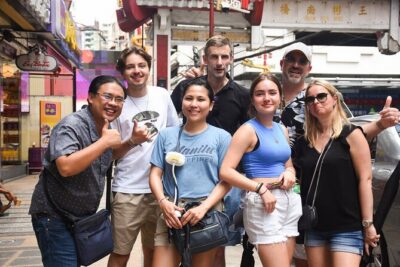
Manila Food Tour: Explore World’s Oldest Chinatown
Read our review →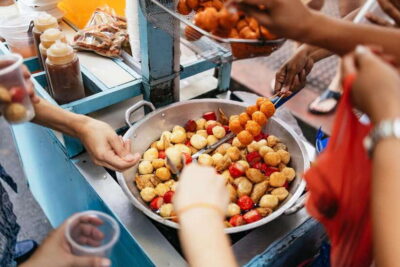
Street Food and Drinks Walking Tour with Tastings
Read our review →
The Original Cebu City Historical and Food Walking Tour
Read our review →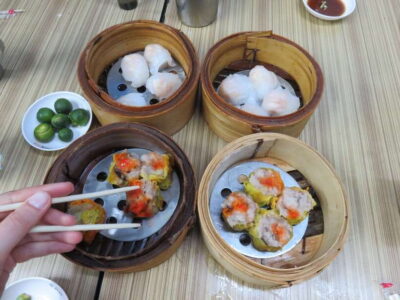
Manila’s Culinary Expedition: The Ultimate Food and Market Tour
Read our review →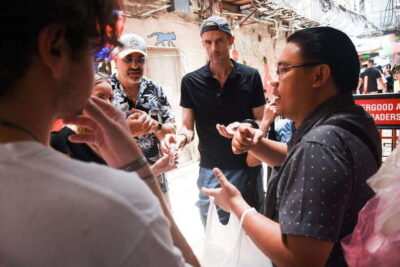
Makati Street Food Experience end with a Rooftop Bar
Read our review →Browse the lists this tour appears in