
Reviewed · FOOD & DRINK
Manila: Sightseeing and Food Walking Tour with Tastings
Manila makes the most sense when you connect its food, streets, and past. This tour starts at Quinta Market, moves through Quiapo and Binondo, then carries you by local transport to Intramuros for a bamboo-bike ride among old churches and fortifications.
I like the mix of market food and everyday transport, since you are not simply driven from one monument to the next. I also like the variety: Quiapo’s crowded stalls, Binondo’s Filipino-Chinese snacks, a jeepney ride, and Intramuros by bike. The main drawback is stamina. Six hours of walking, heat, traffic, and market crowds can wear you out, and the tour is not suitable for people with mobility impairments.
Key points to know before booking
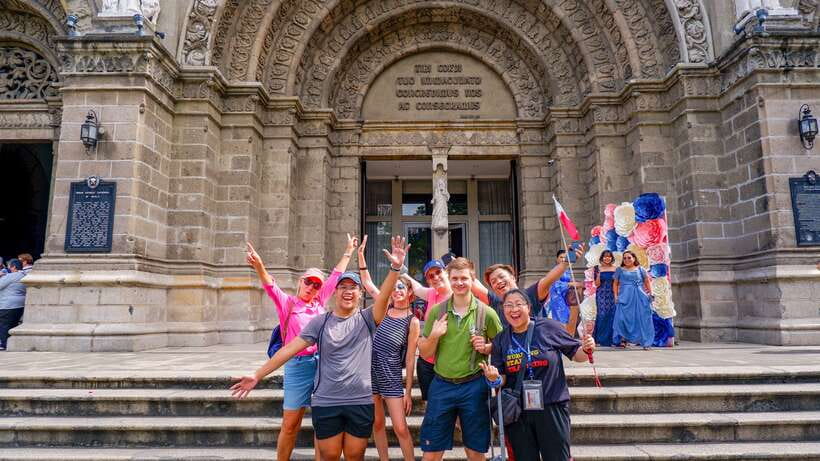
- Quiapo starts the day with local color: Expect a busy market, food stalls, fresh noodles, herbal products, and plenty of street activity.
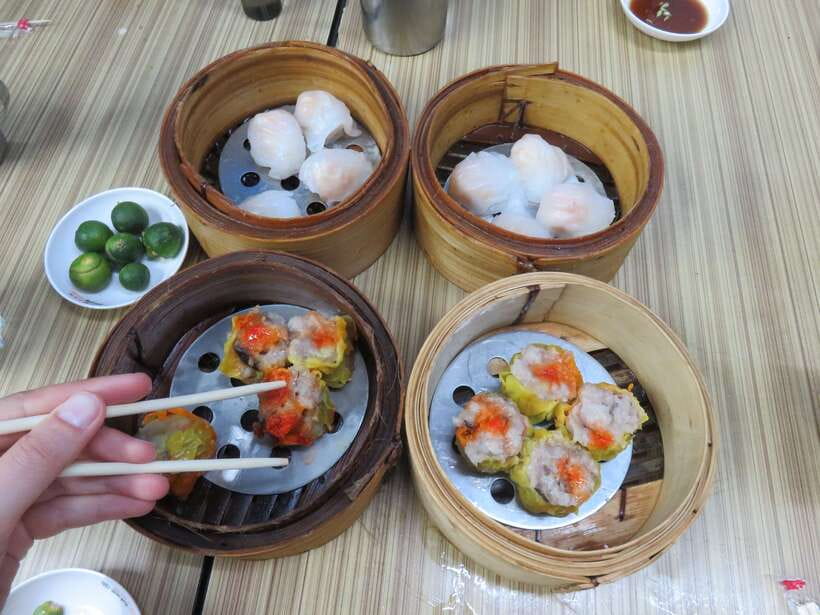
- Binondo brings the food focus: Tastings include Chinese-Filipino favorites such as dumplings, hopia, fruits, desserts, and other local snacks.
- Transport is part of the lesson: The planned ride to Intramuros is by jeepney, while some outings have also included a ferry or tricycle.
- Intramuros is explored by bamboo bike: This gives you a relaxed way to cover old streets, churches, viewpoints, and historic corners.
- The guides shape the experience: Jen, Eric, Grace, and their assistants have led different departures, with English commentary throughout.
- Plan for a full, active day: Bring water, a hat, comfortable clothes, and an ID or passport copy.
Why this tour gives you a useful first look at Manila
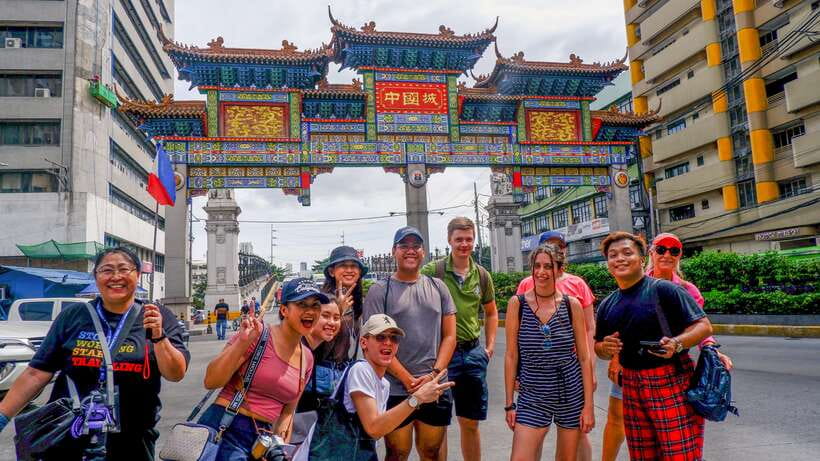
Many city tours show you famous buildings and leave you with a thin idea of the place. This one tries to show how Manila works at street level. You see people shopping, eat foods tied to local communities, use public transport, and then place all of that within the city’s colonial past.
That mix is the tour’s main strength. Quiapo and Binondo are not polished sightseeing districts. They can be noisy, crowded, and hard to read on your own. A guide helps you understand what you are seeing, where to pause, and how to move through streets that may feel confusing at first.
I especially like the way the day changes pace. The morning is mostly walking and tasting. After lunch, transport becomes part of the fun, and the bamboo bike gives you a slower way to see Intramuros. You get a broad introduction rather than one narrow subject.
This is also a good choice if you have only a short stay in Manila. You will not see every important place in the city, but you will cover several different sides of it in six hours: market life, Chinese-Filipino culture, local transport, Spanish-era Manila, and everyday snacks.
More Food Tours in Manila
- Manila Food Tour: Introduction to Philippine Street Food
★ 5.0 · 417 reviews - Manila Food Tour: Explore World’s Oldest Chinatown
★ 5.0 · 158 reviews - Manila: Street Food and Drinks Walking Tour with Tastings
★ 4.8 · 114 reviews
Starting at Quinta Market and entering Quiapo
The meeting point is in front of Quinta Market. The day begins at 9:00, with the Quiapo portion starting around 9:15. Arrive ready to walk, since the first part takes place in one of Manila’s most active market areas.
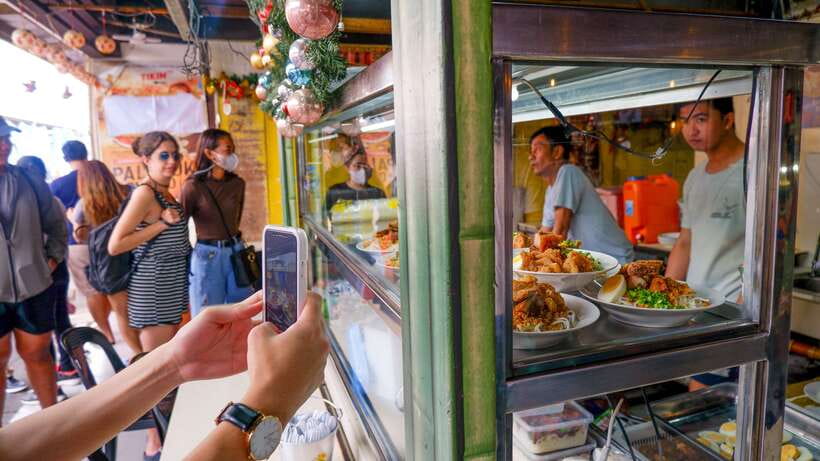
Quiapo gives you an immediate sense of Manila’s energy. Vendors sell fresh noodles, food items, and herbal cures, while shoppers move through a dense mix of stalls and narrow streets. This is not the kind of place where you stroll in a straight line and admire a view. You stop often, look closely, and let the guide explain what matters.
The scheduled Quiapo visit lasts about two hours. That gives you time to take in the market and try food without racing from one stall to another. It also means the morning can feel intense. Expect noise, crowds, uneven walking conditions, and the need to keep track of your belongings.
Food tasting here is part of the introduction to Manila. You may try snacks, fruits, and other local foods as the guide explains what they are and how they fit into daily life. The supplied details do not promise a fixed tasting menu, so you should think of this as a changing selection rather than a set meal.
For me, this is more valuable than a quick photo stop. You learn how a working market feels, not just how it looks. If you prefer quiet museums and neatly arranged exhibits, Quiapo may be a lot. If you want a direct look at city life, it is a strong opening.
Walking through Binondo, the world’s oldest Chinatown
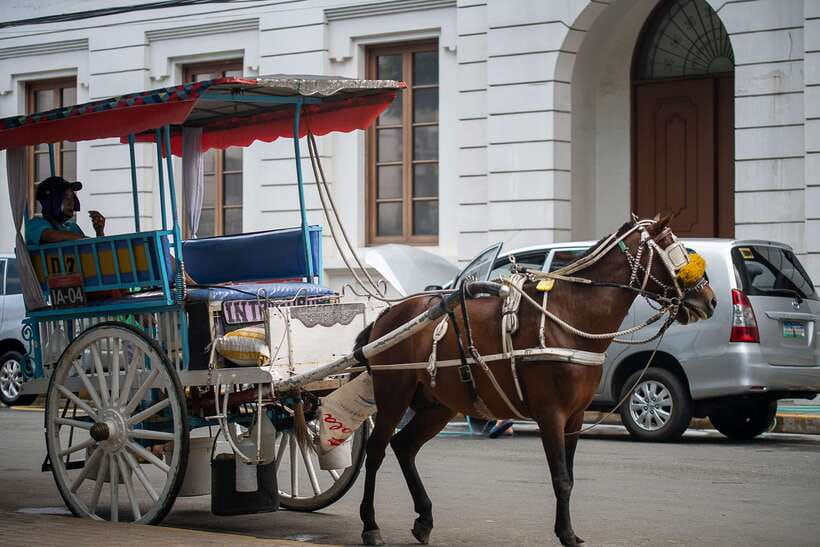
The tour reaches Binondo around 11:00. The walking section is listed at about 30 minutes, though the wider food experience can make this part feel longer depending on the pace and number of stops.
Binondo is known as the oldest Chinatown in the world, and its appeal comes from the meeting of Chinese and Filipino food traditions. The streets can be difficult to navigate alone, with tight spaces, busy movement, and many places competing for your attention. A guide gives you a clearer route and adds cultural context as you walk.
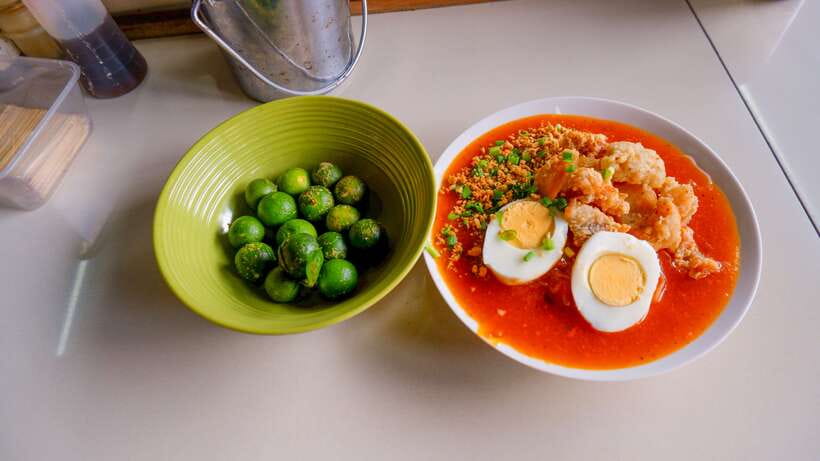
This is the main food section of the day. Tastings can include dumplings, hopia, fruits, desserts, and other local favorites. One especially unusual item mentioned from a departure was cheese ice cream. You may not receive exactly the same foods every time, but the range is clearly broader than one or two token samples.
That matters when you compare this tour with a standard sightseeing outing. You are not only hearing about Binondo. You are using your senses to understand the area, one bite at a time. The Filipino-Chinese connection becomes easier to grasp when you can taste the overlap in ingredients, cooking styles, and sweets.
Do not expect a full sit-down lunch unless the guide advises you otherwise. The food comes through multiple tastings, so breakfast should be sensible rather than huge. Drinks are not included, so carry water or budget for drinks along the way.
Riding local transport toward Intramuros
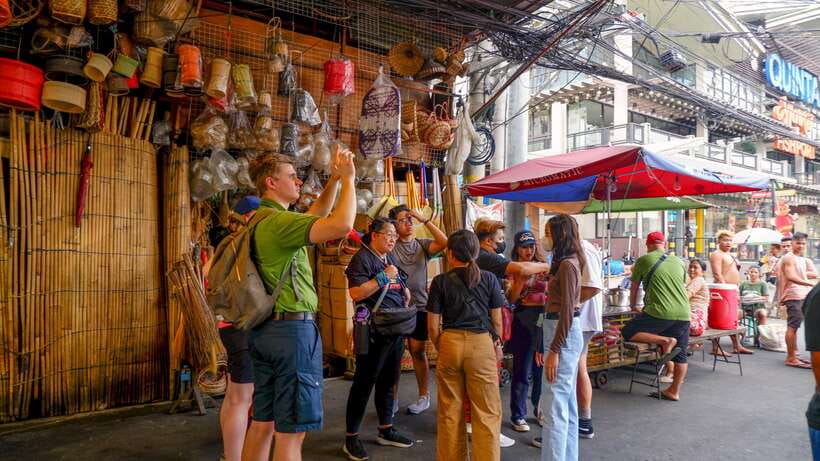
Around 12:30, the planned route takes you toward Intramuros by jeepney. The jeepney is not just a convenient vehicle here. It is a familiar part of Manila’s public transport system, and learning how to ride it makes the move between districts part of the experience.
Some descriptions of this tour also include a tricycle, tuk tuk, or Pasig ferry. The written schedule specifically lists a jeepney, so you should not assume every mode will appear on every departure. Routes and conditions can affect the day, but the broader idea stays the same: you are moving around Manila in local ways rather than sitting in a private tour vehicle all day.
That is a useful feature for first-time visitors. Your guide can explain the practical side of public transport, including how fares work and how to communicate with a driver. This turns a simple ride into a small lesson in how the city functions.
It also adds some uncertainty. Public transport depends on traffic and availability, so the timetable is approximate. The tour is carefully paced according to the information provided, but you should not book it expecting every stop to run to the minute.
Same islands, a completely different kind of day:
- Intramuros, Manila: Historical Bamboo Bike Tour
★ 4.8 · 583 reviews - Experience Intramuros with Bamboo Bicycle – Ecotours
★ 5.0 · 508 reviews - Manila: Intramuros, Chinatown, and Old Manila Half-Day Tour
★ 4.8 · 475 reviews - Manila: Old & New 4-Hour City Tour
★ 4.5 · 458 reviews
Cycling Intramuros on a bamboo bike
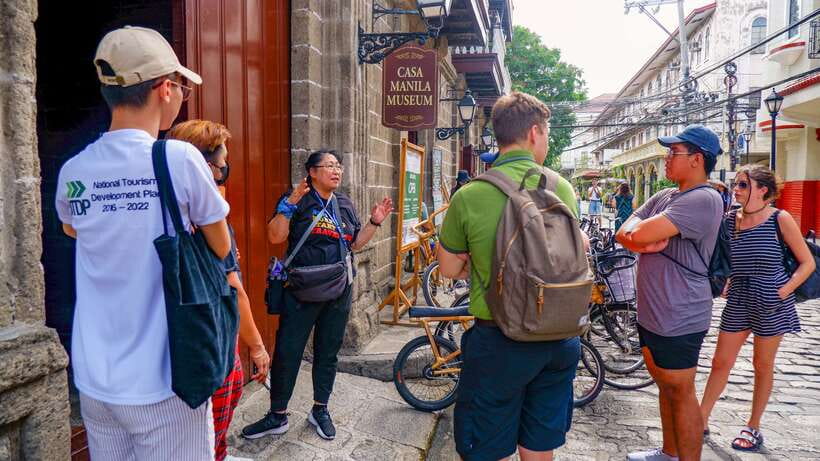
The Intramuros portion begins around 1:00 and lasts about an hour and a half. You ride a traditional bamboo bike through the old walled city, with stops connected to Spanish-era churches, fortifications, viewpoints, and other historic corners.
This is a smart way to see Intramuros. Walking the entire area in the heat can be tiring, while a vehicle would make the streets feel distant. A bike gives you movement, fresh air, and a better chance to stop when something catches your eye.
The bamboo bike is also a memorable part of the outing. It is different from a standard city bicycle and makes the ride feel tied to the local setting. You are not racing. The point is to move through the old district at an easy pace while the guide explains what you are seeing.
The route may include time for photos, coffee, or local treats. Casa Manila is the stated end point, with the tour finishing around 2:30. You should have opportunities to ask questions and take short breaks, but this remains an active afternoon after a busy morning.
Intramuros offers a sharp contrast to Quiapo and Binondo. The markets show modern Manila in motion. Intramuros brings walls, churches, old streets, and reminders of the Spanish period. Seeing both in one day helps you understand that Manila is not one single type of city.
What the guides add to the day
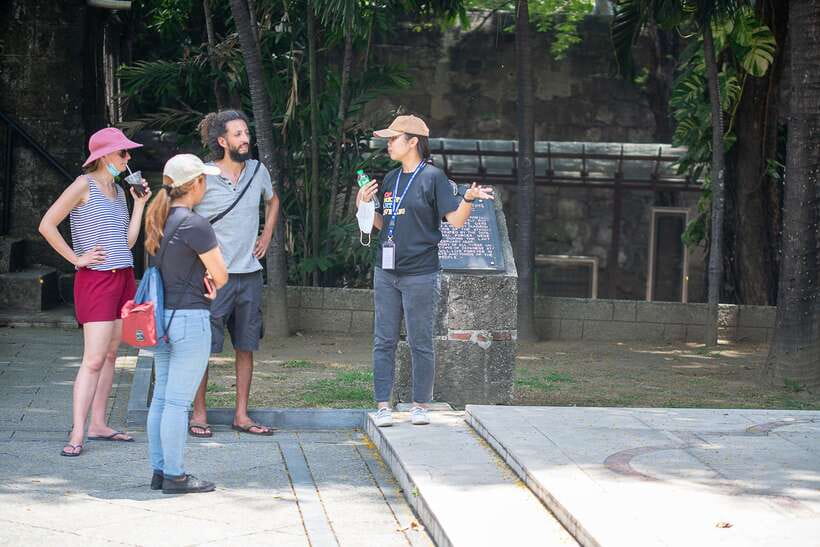
The guide is central to this experience. The tour is offered in English, and different departures have been led by people including Jen, Eric, and Grace, often with an assistant. You should not expect the same guide every time, but the repeated strengths are clear: clear explanations, good organization, patience, and a sense of humor.
Jen is specifically noted for keeping the day moving while allowing time for water, toilets, questions, and food. Eric is described as giving a useful overview of the schedule and keeping the group on time. Grace and her assistants have been praised for explaining Philippine history, culture, and daily life in detail.
Those details matter because the route has a lot going on. You are not simply following a guide through one neighborhood. You are changing transport, crossing busy streets, trying unfamiliar foods, and shifting from market scenes to historic sites. A calm guide makes the day feel manageable.
The small-group setup also helps. A private group option is available, though the standard group size is not specified. If you want more control over food choices, pace, and questions, ask about the private option before booking.
The food, heat, and walking factor
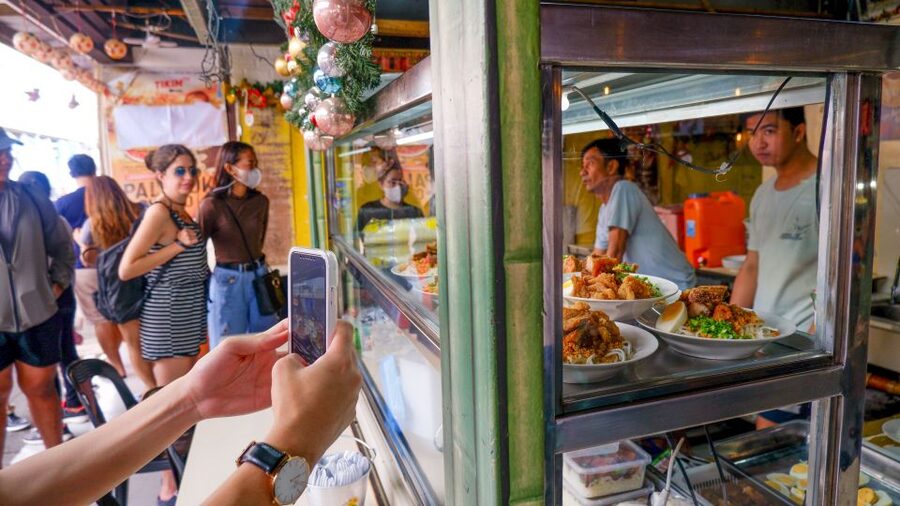
You should treat this as an active food tour, not a gentle tasting stroll. The route involves market walking, Chinatown streets, public transport, and cycling. Several hours in Manila’s heat can make the day feel longer than the clock suggests.
Wear comfortable clothes and shoes. Bring a hat and water, and keep an ID or passport copy with you because it is listed among the items to bring. Drinks are not included, so carrying some water from the start is sensible even if there are chances to buy more.
The tastings are a strong part of the value, but adventurous eating is not required to enjoy the tour. A good guide can explain unfamiliar foods and help you understand what you are trying. If you have allergies or strict dietary needs, contact the provider before booking, since the supplied information does not outline dietary substitutions.
The market sections may be challenging for anyone with limited mobility. The tour is specifically not suitable for people with mobility impairments, and the combination of walking, crowded streets, bikes, and public transport explains why.
Is $58 a fair price?
At $58 per person, the price is reasonable for a six-hour outing that includes a guide, transportation between sites, entrance fees, food tastings, and the bike. You are paying for more than a short walk through one district. The day combines three major areas, several transport experiences, and a fairly large amount of food.
The value is strongest if you would otherwise need to arrange separate rides, find the tasting stops yourself, and research the history of Quiapo, Binondo, and Intramuros. The guide also saves you the effort of figuring out the practical details of local transport.
It is less compelling if you only want a quiet Intramuros visit or a dedicated food tour. The tour covers a lot of ground, so no single section receives the same depth as a specialist walking tour. It is designed as a broad first look at Manila.
Free cancellation is available up to 24 hours before the start, and you can reserve now and pay later. Those terms are useful if your plans are still moving, but the main booking decision should come down to your energy level and interest in local transport.
Who should book this Manila tour?
I would choose this tour if you are visiting Manila for the first time, have limited time, and want more than monuments. It suits curious eaters, families with older children who can handle a full day, and people who enjoy learning how a city works through markets and transport.
It is also a good fit if you want a guide to handle the complicated parts of Quiapo and Binondo. The food, photos, and bike ride give the day plenty of variety, and the historical context keeps it from becoming only a snack crawl.
I would think twice if you dislike crowds, heat, unfamiliar foods, or public transportation. It is also a poor match for anyone who needs a low-walking route. The tour is full, not rushed according to the information provided, but it remains a physically demanding six hours.
My call on booking
Book it if you want a broad, hands-on introduction to Manila. The strongest combination is the food in Quiapo and Binondo, the local transport, and the bamboo-bike ride through Intramuros. You get a useful sense of how the city’s daily life and history sit side by side.
Skip it if you want a slow museum day, a fixed restaurant meal, or a fully private vehicle. For the right visitor, $58 buys a well-packed day with food, stories, transport, and a memorable way to see the old walled city.
FAQ
Where does the tour meet?
The meeting point is in front of Quinta Market. A Google Maps pin is provided with the booking information.
How long does the tour last?
The tour lasts about six hours. The approximate schedule runs from 9:00 to 2:30.
What places does the tour visit?
The route includes Quinta Market, Quiapo Market, Binondo Chinatown, and Intramuros. It ends at Casa Manila.
What food is included?
Food tastings are included in Quiapo Market and Binondo Chinatown. Examples connected with the tour include dumplings, hopia, fruits, desserts, and other local snacks. Drinks are not included.
Is transportation included?
Yes. Transportation to the tour sites is included. The planned route includes a jeepney ride to Intramuros, and some departures have also used other local transport such as a tricycle, tuk tuk, or ferry.
Is the tour available in English?
Yes. The tour has a live English-speaking guide.
What should I bring?
Bring a hat, water, comfortable clothes, and a passport or ID card. A copy of your passport or ID is accepted. The tour is not suitable for people with mobility impairments.
More Walking Tours in Manila
- Viva Old Manila: Intramuros Walking Tour
★ 4.9 · 104 reviews - Manila’s Walled City: Intramuros Walking Tour
★ 5.0 · 82 reviews - Manila: Intramuros Walking Tour.
★ 4.9 · 63 reviews - Intramuros Walking Tour with Transportation by Don’t Skip Manila
★ 5.0 · 46 reviews
Just added around Manila
- 3 Days Private Tour in Banaue Ifugao visiting Batad Rice Terraces★ 3.5 · 3 reviews
- Unforgettable Manila Fishing Village Day Excursion 2024★ 5.0 · 4 reviews
- indigenous Forest experience Manila 2023★ 5.0 · 4 reviews
- Cultural Dinner and Show in Manila★ 5.0 · 4 reviews
- Shared Old Manila Tour★ 5.0 · 5 reviews
- Shared Cruise Shore Excursion of Manila Old and New City Tour★ 4.0 · 10 reviews
- 5 Days Sagada Banaue Batad Discovery (PRIVATE GROUP TOUR Max 6 Travellers)★ 5.0 · 16 reviews
- Private Departure Airport Transfer in Manila Bay and Makati Area★ 5.0 · 3 reviews
Food & Drink, compared.
Manila Food Tour: Introduction to Philippine Street Food
Read our review →
Manila Food Tour: Explore World’s Oldest Chinatown
Read our review →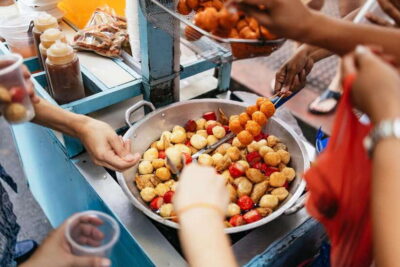
Street Food and Drinks Walking Tour with Tastings
Read our review →
The Original Cebu City Historical and Food Walking Tour
Read our review →
Manila’s Culinary Expedition: The Ultimate Food and Market Tour
Read our review →
Makati Street Food Experience end with a Rooftop Bar
Read our review →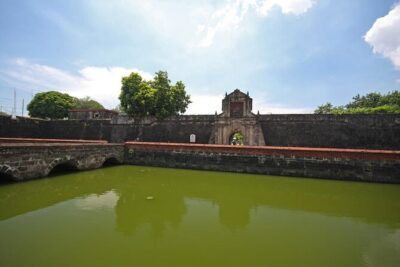
Intramuros & Chinatown Manila Tour – Walking, Food & Culture
Read our review →Browse the lists this tour appears in