
Reviewed · FOOD & DRINK
Manila: Guided Food Tour of Binondo with Tastings
Binondo is best understood one bite at a time. This three-hour walk starts at Binondo Church, then slips through narrow streets and small eateries for lumpia, handmade dumplings, mami, dimsum, and hopia. You get a useful look at how Chinese and Filipino cooking meet in Manila’s oldest Chinatown.
I like the way the tour combines small local stops with stories about the Filipino-Chinese community. I also like the warm, personal guiding style reported from Chloe, Nel, Jian, and Juan, who explain the food while helping you feel at ease in a busy area. The main drawback is simple: portions are large, and the first sweet vegetable wrap and take-home dessert may not appeal to everyone.
Key points at a glance
- Seven stops in three hours: The route begins and ends at Binondo Church, with five food stops and a bakery visit in between.
- Come very hungry: Dumplings, noodles, dimsum, lumpia, and pastries add up quickly, and some people found the portions too large to finish.
- The guides make the difference: Chloe, Nel, Jian, and Juan have been praised for clear English, local stories, kindness, and practical Manila advice.
- A walking route through side streets: You visit small restaurants and alleys that are easy to miss if you only follow the main roads.
- Strong choice for meat eaters: Vegans and vegetarians should not book this tour, and wheelchair users may find the route unsuitable.
- Good protection for flexible plans: You can cancel up to 24 hours ahead for a full refund and reserve now while paying later.
Starting at Binondo Church
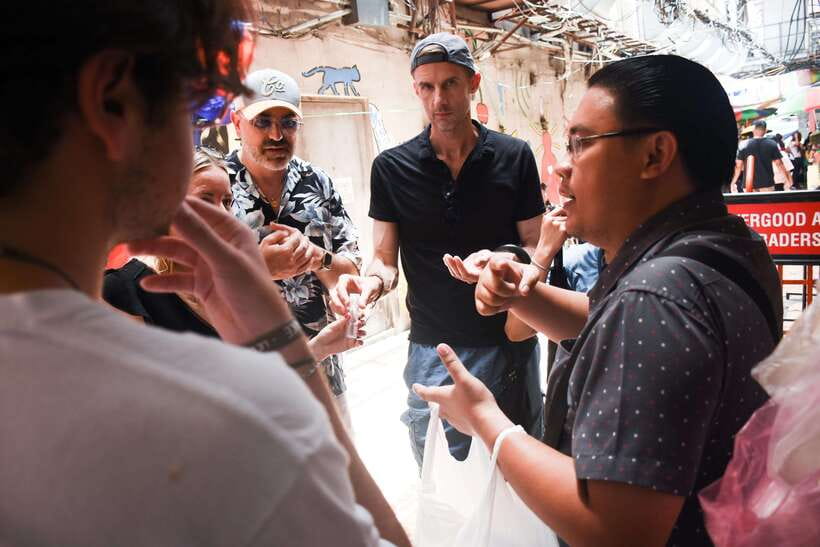
Meet your guide in the lobby area of Binondo Church, near the candles. This is a sensible meeting point because it gives you a clear landmark in a part of Manila where streets and alleys can feel confusing at first.
You need to arrange your own way there. Grab is specifically suggested, and hotel pickup is not included. Give yourself time to reach the church, especially if traffic is heavy. The tour is on foot, so wear comfortable shoes and bring only what you need. Large bags, luggage, and baby strollers are not allowed.
The church also sets the tone for the walk. Binondo is not presented as a collection of restaurants alone. The route uses food to explain the long connection between Chinese and Filipino communities, showing how everyday dishes can carry family traditions and local history.
Your guide may be Chloe, Nel, Jian, Juan, or another English-speaking member of the team. The strongest feedback centers on guides who keep the walk friendly and relaxed rather than turning it into a lecture. Chloe is praised for her clear explanations and helpful Manila tips. Nel is described as especially welcoming to solo visitors and attentive to how comfortable people feel. Jian is noted for cultural stories and food knowledge, while Juan brought background on the Chinese community and the origins of the dishes.
More Food Tours in Manila
- Manila Food Tour: Introduction to Philippine Street Food
★ 5.0 · 417 reviews - Manila Food Tour: Explore World’s Oldest Chinatown
★ 5.0 · 158 reviews - Manila: Street Food and Drinks Walking Tour with Tastings
★ 4.8 · 114 reviews
Carvajal Street and the first taste
The first food stop takes you toward Carvajal Street, where the smell of fresh lumpia helps announce the food ahead. Local vendors prepare these rolls using methods passed through generations, making this a useful first introduction to Filipino-Chinese cooking.
The dish has a gentle, approachable character, but it also creates the tour’s one notable question mark. One person in a four-person group did not enjoy the sweet vegetable wrap and felt this first stop could be skipped. That does not make it a bad choice for everyone, but it is worth knowing if you prefer savory food or have a limited appetite.
The guide helps here by explaining what you are eating and how it fits into local food culture. You are not expected to finish every bite. If you are unsure about a dish, ask before taking a full portion. The food comes as part of the tour, so you can taste carefully instead of ordering a whole plate on your own.
Handmade dumplings in a small eatery
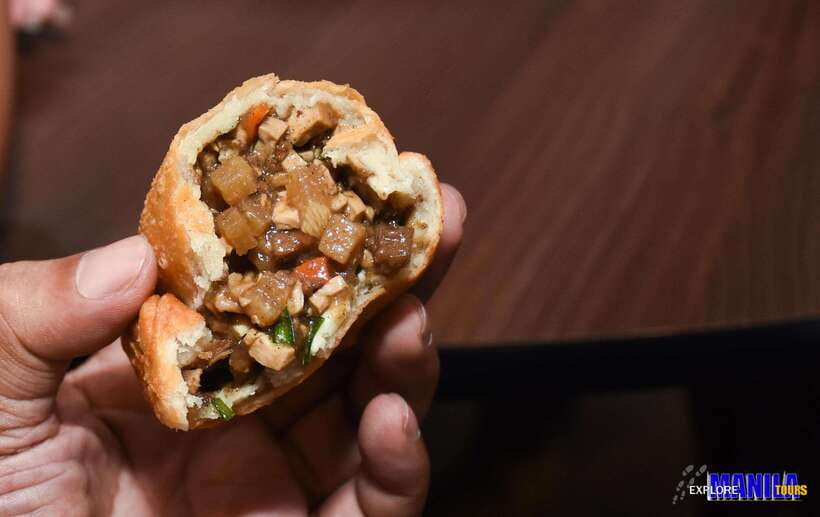
The dumpling stop is the clear favorite for many people on this route. The focus is on handmade dumplings, with the preparation treated as a craft rather than a quick snack pulled from a freezer.
I would pay close attention here. Dumplings show the Filipino-Chinese connection in a direct way: familiar Chinese forms are made and eaten in a Manila setting, alongside local habits and tastes. Your guide can give the dish context while you focus on texture, filling, and seasoning.
This is also where the large portions begin to matter. The tour includes several tastings, not just tiny samples, and dumplings may arrive in quantities that are difficult to finish if you have already eaten breakfast. One couple skipped breakfast before joining and still shared food because they were full. That is useful advice: arrive hungry, but do not assume you need to starve yourself.
Mami and the comfort of noodle soup
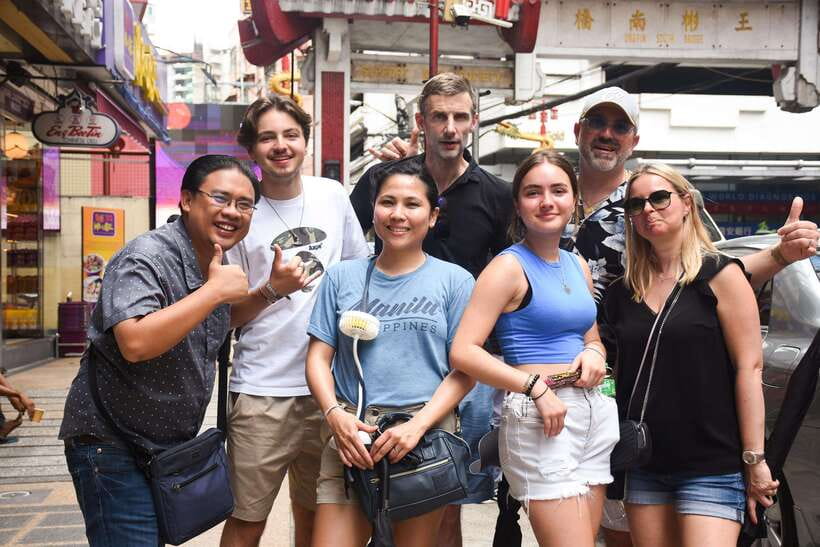
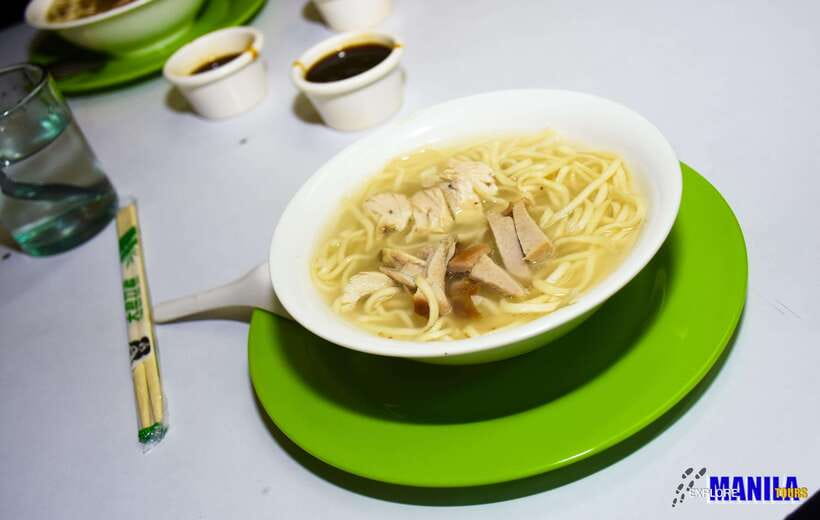
The route then reaches a local favorite for mami, a noodle soup tied to Filipino comfort food. After walking through Binondo’s streets, a warm bowl gives the meal a different pace from the earlier snacks.
Mami matters because it is not simply a Chinese dish placed in Manila. It has become part of local comfort food culture, and the guide explains that connection as you eat. This kind of explanation is one reason the tour is more useful than wandering from restaurant to restaurant without context.
You should expect a full food experience rather than a tasting menu built around tiny portions. The exact amount you receive can vary, but the consistent theme is abundance. If you have dietary restrictions beyond the stated exclusions, ask the provider before booking, since the tour is not suitable for vegans or vegetarians.
Same islands, a completely different kind of day:
- Intramuros, Manila: Historical Bamboo Bike Tour
★ 4.8 · 583 reviews - Experience Intramuros with Bamboo Bicycle – Ecotours
★ 5.0 · 508 reviews - Manila: Intramuros, Chinatown, and Old Manila Half-Day Tour
★ 4.8 · 475 reviews - Manila: Old & New 4-Hour City Tour
★ 4.5 · 458 reviews
Classic dimsum in Binondo
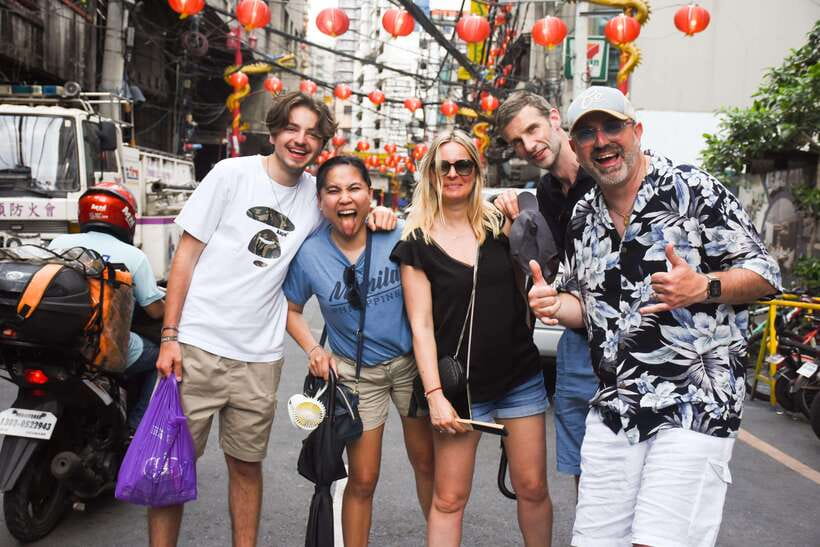
The dimsum stop is another major reason to choose this walk. The route takes you to a respected place for classic dimsum, and one person singled out the dimsum as the best part of the day.
The value here is access and confidence. You could try dimsum independently, but a guide helps you choose from an unfamiliar setting and explains why the food matters. You also avoid spending part of your short Manila visit guessing which place fits your route.
The food is described as varied, tasty, and plentiful. That is good news if you want a substantial meal, but less ideal if you hoped for a light snack tour. Share when you can, pace yourself, and leave room for the bakery. The route is designed to keep feeding you.
Finishing with hopia at a historic bakery
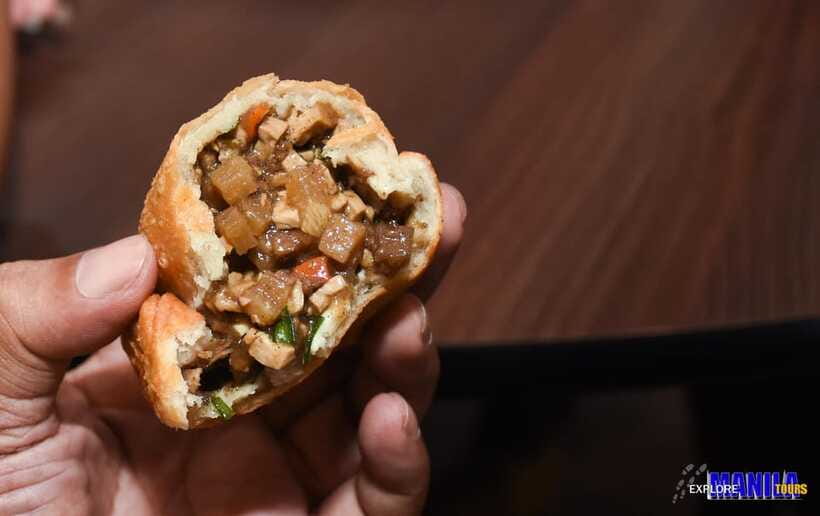
The final food stop is a bakery known for hopia, a flaky pastry with different fillings. This gives the walk a sweet finish and sends you home with a direct taste of Chinese-Filipino baking traditions.
Hopia is also the one item that may divide the group. A person in one group felt the take-home dessert was unnecessary and might go uneaten at the hotel. I would treat it as a bonus rather than a reason to book the tour. If you enjoy pastries, it is a pleasant finish. If you are already full or prefer savory food, you may not value it as much.
Ending at a bakery works well from a storytelling point of view. The meal has moved from a street snack to dumplings, soup, dimsum, and pastry, showing how many forms this shared food culture can take. You then walk back to Binondo Church, giving the route a tidy beginning and ending.
What the guides add to the food
Food tours live or die by the guide, and this one appears strongest when the guide takes time with the group. Chloe, Nel, Jian, and Juan are each praised for a mix of friendliness, clear English, and local background rather than for simply naming dishes.
Chloe is a good fit if you want food suggestions and wider Manila tips along with the Chinatown walk. Nel has been especially attentive with solo visitors and is described as making people feel safe and welcome. Jian brings cultural stories and unusual food details, while Juan has offered careful explanations of how the Chinese community developed in the Philippines.
That variety matters because the tour is not only about eating. You are walking through a part of Manila with winding streets, small businesses, and places you might not choose on your own. A good guide reduces the stress of navigating and gives meaning to stops that could otherwise look like ordinary restaurants.
The personal style also helps if you are cautious about unfamiliar dishes. One useful feature of this kind of tour is that you can taste without pressure to finish everything. Tell your guide if you are full or unsure. The aim is to try more, not to prove how much you can eat.
How much food do you really get?
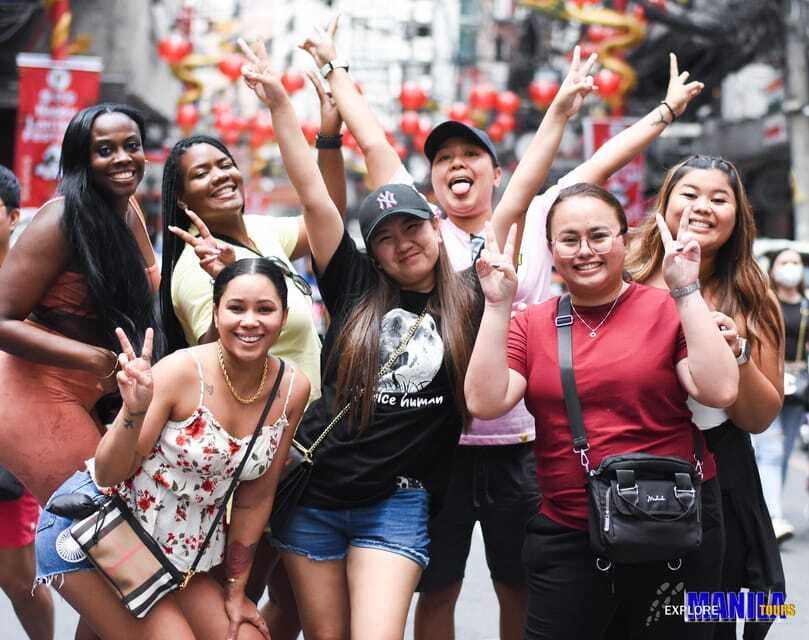
At $60 per person, the tour is not the cheapest way to buy individual snacks in Manila. You are paying for the guide, the route, the food and drinks listed in the plan, and the time spent finding and explaining each stop.
The value improves if you want a full introduction to Binondo during a short stay. Five restaurant tastings plus a bakery visit would take planning, local knowledge, and several separate purchases if you went alone. You also receive cultural background and help with ordering, which matters if you are new to Filipino-Chinese food.
The value drops if you eat very little, dislike shared tastings, or mainly want a quick look at Chinatown. The servings are generous enough that some people could not finish everything. You may also feel that the first sweet vegetable wrap or the final take-home dessert is not worth its share of the cost.
For most food-focused visitors, the price is reasonable if you treat the tour as both lunch and a guided neighborhood walk. Skip breakfast, but not to an extreme. Arrive ready for a large meal and plan no major food stop immediately afterward.
Practical details that affect your day
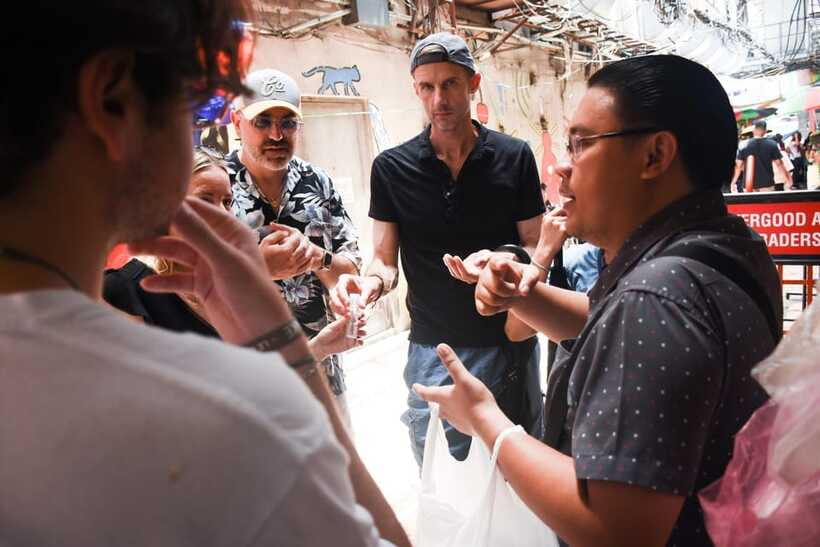
The experience lasts three hours, though one account described the walk taking closer to four hours. Allow some flexibility instead of scheduling a tight airport transfer or another fixed activity directly afterward.
The tour runs rain or shine. Manila weather can change quickly, so a light rain layer may be sensible, although the only required item listed is comfortable footwear. The route includes streets and alleys, and it is not suitable for wheelchair users.
Do not bring luggage or a large bag. Baby strollers are also not allowed. Hotel transfers and souvenirs are not included, so plan your transport and shopping separately.
You can cancel up to 24 hours before the start for a full refund, and the reserve-now, pay-later option keeps your schedule flexible. Starting times vary, so check availability for your date.
The published rating is 4.8 from 38 ratings, with repeated praise for the food quantity, dumplings, guide warmth, and cultural explanations. The less favorable detail is also useful: not every stop will suit every palate, and the amount of food can be more than you expect.
Who should book this Binondo food walk?
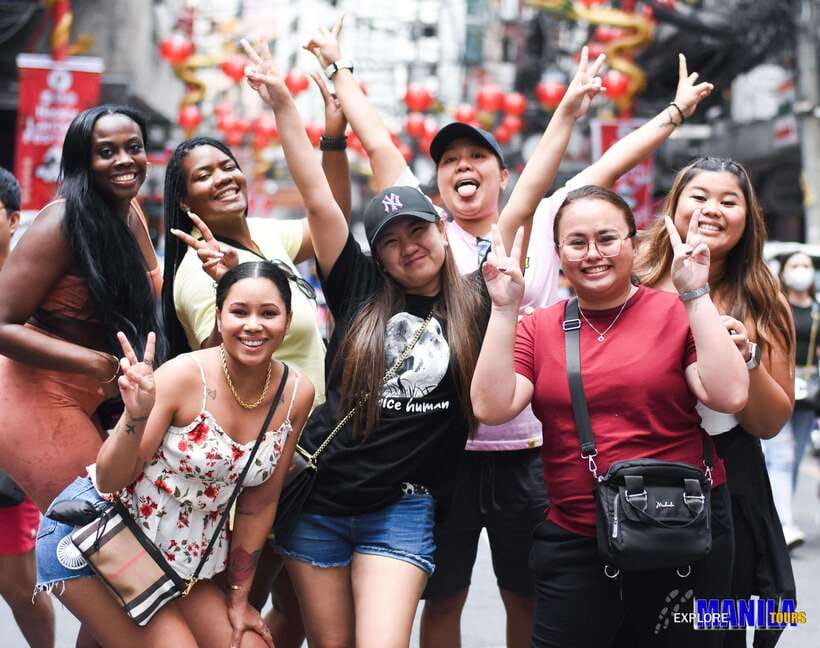
I would choose this tour if you want a guided first look at Chinatown and prefer tasting several dishes to committing to one restaurant. It suits solo visitors, couples, and small groups who like walking, local stories, and generous portions.
It is also a good match if you are nervous about ordering unfamiliar food. The guide gives you a starting point, explains the dishes, and helps you move through a busy area with less fuss.
I would skip it if you are vegan or vegetarian, use a wheelchair, dislike walking in rain, or want a light snack outing. It is also a poor fit if you carry luggage or need a stroller. Food allergies and other restrictions should be checked before booking because the supplied information only confirms that vegans and vegetarians are not suited to the tour.
Should you book it?
Book this Binondo tour if you want a generous, food-first introduction to Manila’s Chinese-Filipino cooking and do not mind eating a lot. The dumplings, mami, dimsum, and guide-led route are the strongest reasons to go, while the small eateries and side streets give you more than a standard restaurant meal.
Approach it as lunch with a story attached, not as six tiny samples. Wear good shoes, bring a small bag, arrive at Binondo Church hungry, and leave room for hopia. If that sounds like your kind of Manila afternoon, $60 buys a useful and filling introduction to Binondo.
FAQ
Where does the tour meet?
Meet your English-speaking guide in the lobby of Binondo Church, near the candles area.
How long does the tour last?
The stated duration is three hours. Starting times vary, so check availability for your chosen date.
What food is included?
The route includes fresh lumpia, handmade dumplings, mami noodle soup, classic dimsum, and hopia from a local bakery, along with the food and drinks specified in the tour plan.
Is transportation included?
No. Hotel pickup and drop-off are not included. You can use the Grab app to reach the meeting point.
Is the tour suitable for vegetarians or vegans?
No. The tour is not suitable for vegans or vegetarians.
What should I bring?
Wear comfortable shoes. Do not bring luggage, large bags, or a baby stroller. The tour takes place rain or shine.
Just added around Manila
- 3 Days Private Tour in Banaue Ifugao visiting Batad Rice Terraces★ 3.5 · 3 reviews
- Unforgettable Manila Fishing Village Day Excursion 2024★ 5.0 · 4 reviews
- indigenous Forest experience Manila 2023★ 5.0 · 4 reviews
- Cultural Dinner and Show in Manila★ 5.0 · 4 reviews
- Shared Old Manila Tour★ 5.0 · 5 reviews
- Shared Cruise Shore Excursion of Manila Old and New City Tour★ 4.0 · 10 reviews
- 5 Days Sagada Banaue Batad Discovery (PRIVATE GROUP TOUR Max 6 Travellers)★ 5.0 · 16 reviews
- Private Departure Airport Transfer in Manila Bay and Makati Area★ 5.0 · 3 reviews
Food & Drink, compared.
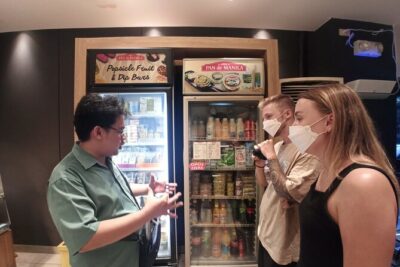
Manila Food Tour: Introduction to Philippine Street Food
Read our review →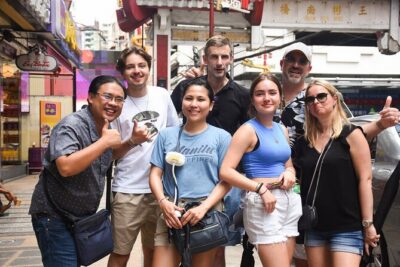
Manila Food Tour: Explore World’s Oldest Chinatown
Read our review →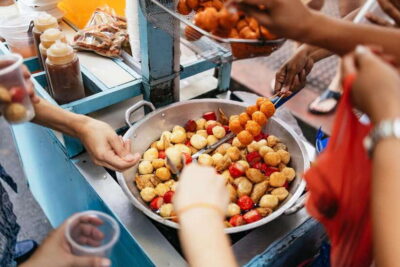
Street Food and Drinks Walking Tour with Tastings
Read our review →
The Original Cebu City Historical and Food Walking Tour
Read our review →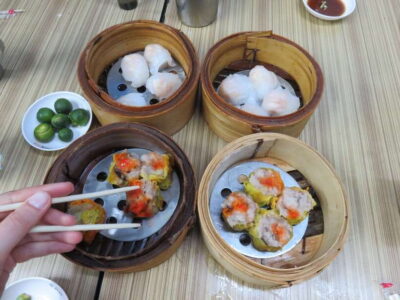
Manila’s Culinary Expedition: The Ultimate Food and Market Tour
Read our review →
Makati Street Food Experience end with a Rooftop Bar
Read our review →
Intramuros & Chinatown Manila Tour – Walking, Food & Culture
Read our review →Browse the lists this tour appears in