
Reviewed · HISTORICAL TOURS
Cebu: Heritage Half-Day Tour: Explore Historic Landmarks
Cebu’s story comes together in a compact old-city circuit, from Magellan’s Cross and the Santo Niño to the stone walls of Fort San Pedro. You’ll see how religion, Spanish rule, local identity, and modern city life overlap within a few blocks.
I like the private transport, which saves you from arranging taxis between crowded central sites. I also like the mix of major sights and street-level history, especially Colon Street and the Heritage of Cebu Monument. The main consideration is time: this is a fast half-day introduction, not a slow museum tour.
Key points to know
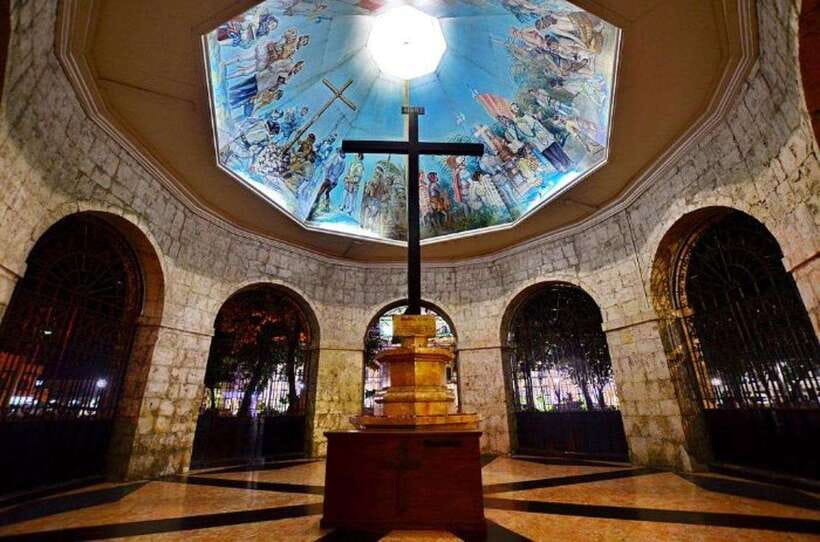
- Magellan’s Cross sets the historical stage: See the small chapel linked with Magellan’s 1521 arrival and the beginning of Christianity in the Philippines.
- The Basilica del Santo Niño is the spiritual center: Visit the country’s oldest Roman Catholic church and its revered Santo Niño image.
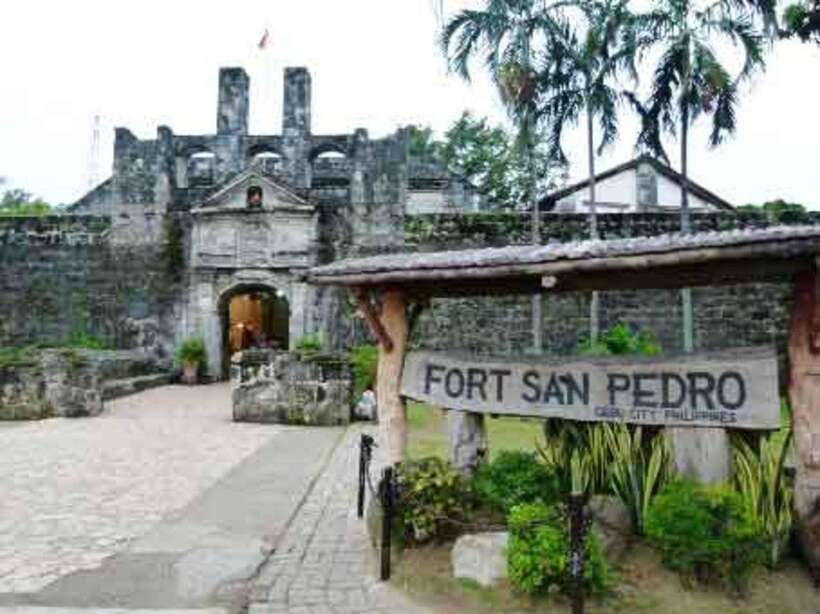
- Fort San Pedro adds military history: Walk through Cebu’s oldest military defense structure, with stone walls, cannons, and museum displays.
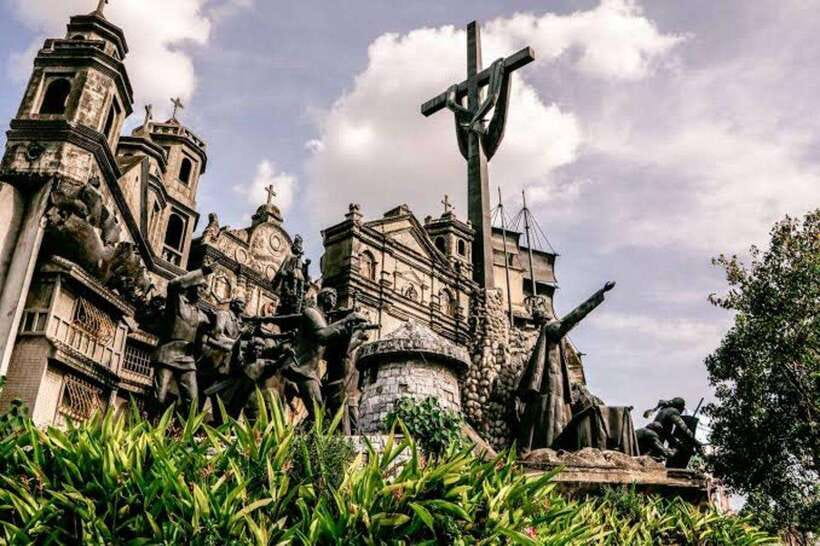
- The Heritage of Cebu Monument tells several stories at once: Its detailed sculpture presents major events from pre-colonial Cebu through later periods.
- Colon Street brings history into daily life: Walk along the Philippines’ oldest street, where older buildings and present-day commerce share the same space.
- Private pickup makes the morning easier: Collection and drop-off are available in Cebu City, Mactan Island, and Lapu-Lapu City.
Cebu’s old center in one compact outing
This tour is built around Cebu’s central historic district. You are not spending half a day on one grand attraction. Instead, you move from a religious landmark to a military fort, then through public streets and monuments that explain how Cebu developed.
That variety is the main appeal. You get symbols of the Spanish arrival, Catholic devotion, colonial defense, local identity, and the city’s working streets. I find this kind of route useful early in a Cebu visit because it gives you a framework for the city before you set off to see more of the island.
The tour is described as a half-day experience, although the booking information lists a validity of one day and does not give one fixed departure time. Check the available starting times before booking. The central visits are short, with about 30 minutes at the Basilica del Santo Niño and 30 minutes at Fort San Pedro, followed by about an hour in Cebu for additional sightseeing, walking, photos, free time, and shopping.
More Historical Tours in Cebu
- The Original Cebu City Historical and Food Walking Tour
★ 4.5 · 81 reviews - Cebu: Exploring Cebu City’s rich history and Uphill Tour
★ 4.5 · 68 reviews - Cebu City: Historical Street and Food Tour
★ 4.9 · 31 reviews
Starting at Magellan’s Cross
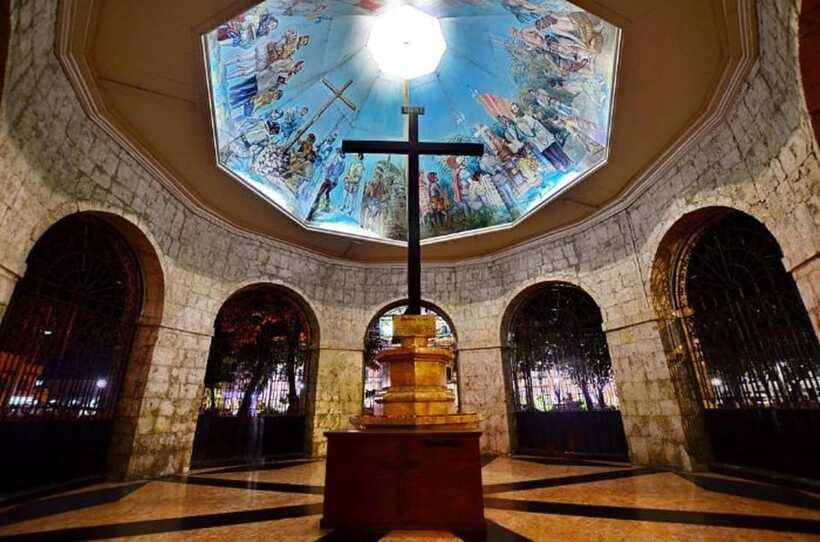
Magellan’s Cross is the natural opening point. The small chapel holds a cross associated with Ferdinand Magellan’s arrival in Cebu in 1521, an event tied to the introduction of Christianity to the Philippines.
You will not need much time to see the chapel, but its importance is larger than its size. This is one of those places where the physical sight is simple and the historical meaning does most of the work. Your driver-guide can explain why the cross matters to both Philippine religious life and the country’s colonial story.
I recommend listening closely here instead of treating it as a quick photo stop. The arrival of Magellan did not explain all of Cebu’s past, and this tour becomes more useful when you see the cross as one part of a longer local story. The later stops help add that context.
The chapel can be busy, and the visit is brief. You should expect a symbolic landmark rather than a large building with extensive displays. If you want a long historical lecture or a quiet place for study, this stop may feel too short.
The Basilica del Santo Niño and Cebu’s central devotion
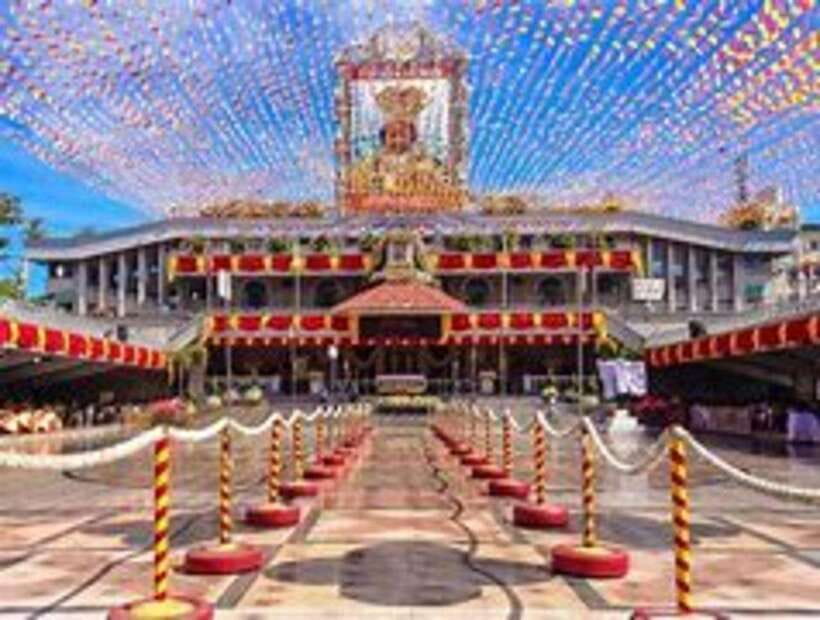
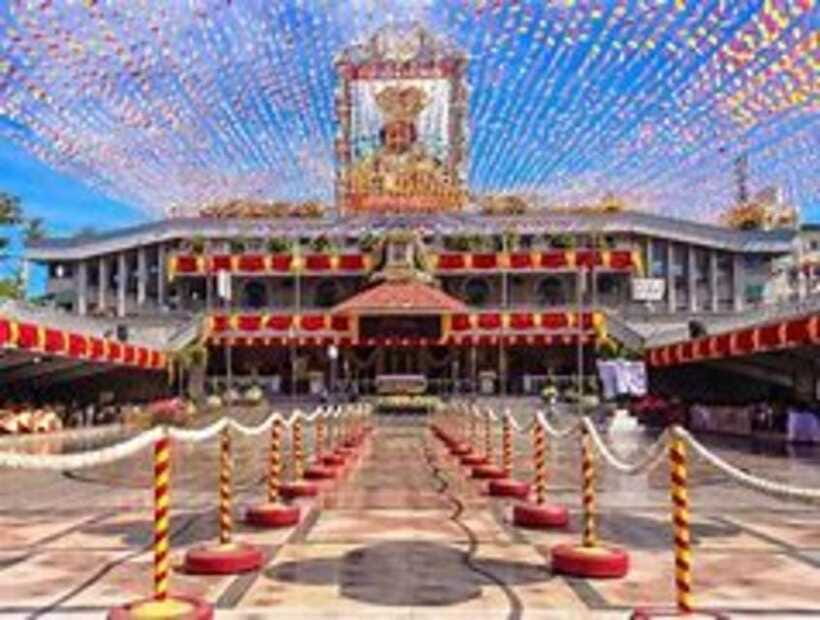
The next visit is the Basilica Minore del Santo Niño de Cebu, identified as the oldest Roman Catholic church in the Philippines. The church is closely linked with the Santo Niño image said to have been given by Magellan to Queen Juana of Cebu.
The value here is not only architectural. The basilica remains an important religious site, and the Santo Niño image gives the earlier history a living connection. You can look at the interior, take photographs where permitted, and spend time in the church under the guidance of your driver-guide.
The planned visit is about 30 minutes. That is enough for a focused look, but it does not allow for an unhurried architectural study or a long period of quiet reflection. If services or religious activity are taking place, follow local instructions and keep your visit respectful.
I like this stop because it prevents the tour from becoming a simple Spanish-colonial sightseeing route. You are shown a place that still matters in Cebu today, not just a preserved structure from the past. The contrast between the small chapel at Magellan’s Cross and the larger basilica also gives the opening part of the tour a clear rhythm.
Fort San Pedro’s stone walls and military past
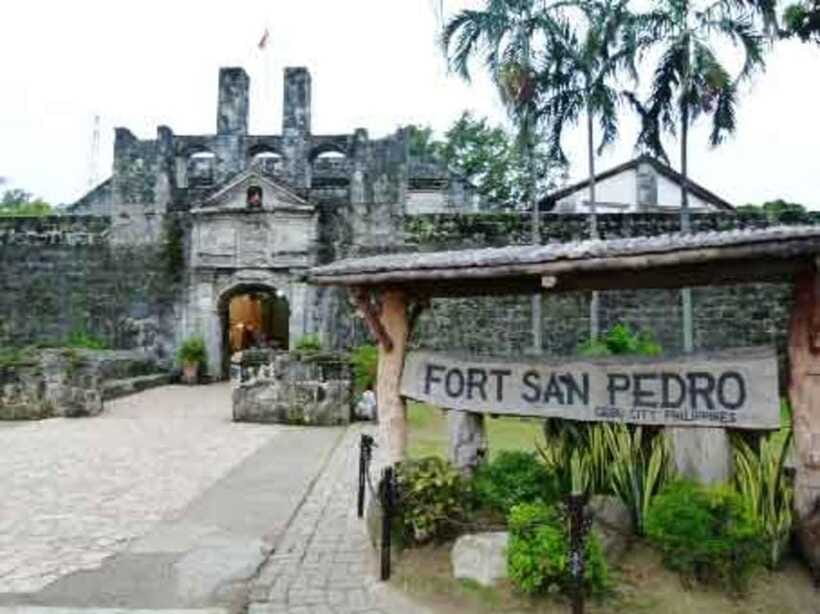
Fort San Pedro shifts the focus from religion to defense. It is described as Cebu’s oldest military defense structure, dating from the Spanish period. Its stone walls and cannons point to a time when Cebu’s position made protection of the settlement and harbor important.
You will have about 30 minutes here for a visit, photographs, walking, and sightseeing. The fort also has a museum with artifacts connected to Cebu’s past. The compact setting makes it easy to see the basic layout without spending hours inside.
I find forts most useful when the guide explains what they were built to protect and how they fit into the wider city. The walls alone can seem plain if you do not know what you are looking at. Ask your English or Tagalog-speaking driver-guide to connect the fort with the earlier stops and with Cebu’s role during the Spanish era.
The short time limit is again the trade-off. You will get an outline of the site and a chance to walk through it, but you may not have time to examine every museum item. The tour’s strength is coverage, not a detailed military study.
Same islands, a completely different kind of day:
- Cebu City: Whale Shark Swimming & Kawasan Falls Canyoneering
★ 4.7 · 665 reviews - Canyoneering Experience in Kawasan Falls with Lunch
★ 5.0 · 440 reviews - Cebu: Whale Shark Swim and Kawasan Canyoneering Tour
★ 4.6 · 318 reviews - Cebu: Kawasan Falls Canyoneering Tour with Ziplining & Lunch
★ 4.8 · 259 reviews
The Heritage of Cebu Monument in one detailed sculpture
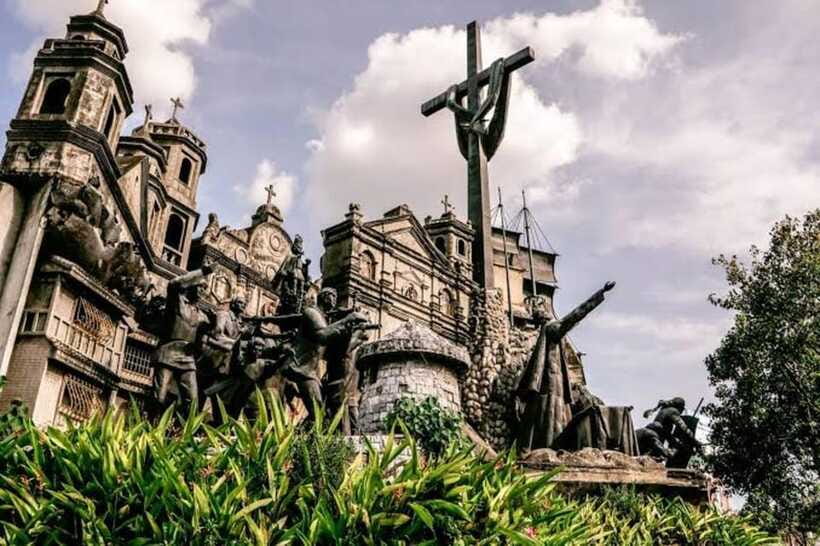
The Heritage of Cebu Monument is one of the more unusual stops because it presents several chapters of the city’s past in a single sculptural work. The monument shows key events that shaped Cebu, from pre-colonial times to more recent periods.
This is where the tour can correct an overly narrow view of Cebu’s past. Magellan and the Spanish period are important, but they are not the whole story. The monument places those events beside earlier local history and later changes, giving you a more complete visual outline.
Look closely at the figures and scenes rather than taking only one photograph. The details reward a few minutes of attention, especially if your guide points out what each section represents. The information provided for this tour does not give a separate fixed duration for the monument, so its exact length may depend on the wider Cebu portion of the visit.
The monument is particularly useful if you learn best through images. You can see the city’s story arranged in front of you rather than trying to remember a list of dates. It is also a welcome change from the formal church and fort settings.
Colon Street, where the past meets daily Cebu
The final part includes a walk along Colon Street, known as the oldest street in the Philippines. This is not a polished historical avenue where every building has been preserved for sightseeing. It is a working city street, with older and newer businesses sharing the same setting.
That is precisely why I like the stop. You see history as part of ordinary life, not only behind museum walls. The street gives you a feel for Cebu’s movement and commercial energy while keeping the focus on its age and place in the city.
The wider Cebu segment lasts about an hour and includes free time, photos, walking, sightseeing, and shopping. The description also connects this section with the Heritage of Cebu Monument, so the exact order or amount of time at each place may vary.
You should wear comfortable shoes and keep your belongings secure in crowded public areas. No special shopping stop is promised, so think of this as a chance to look around rather than a dedicated retail excursion. If you prefer quiet lanes and carefully restored historic buildings, Colon Street may feel hectic. If you want to see how old and new Cebu occupy the same streets, it is one of the more revealing parts of the outing.
Why private transport matters in Cebu
Pickup and drop-off are included from hotels or areas within Cebu City, Mactan Island, and Lapu-Lapu City. Mandaue City is also listed among the pickup and drop-off locations. This removes one of the least pleasant tasks on a short city tour: finding separate transport for every stop.
The group is private, and the driver-guide speaks English and Tagalog. That gives you a more direct way to ask questions or request clarification than you might have in a large shared group. The vehicle also allows the tour to keep moving between stops without making you work out each transfer.
The available feedback describes punctual pickup and parking close to the sites. That matters on a short tour, since losing time to a distant drop-off or a missed meeting point would cut into the actual visits. Still, Cebu traffic can affect any road-based schedule, so keep your plans after the tour reasonably flexible.
The driver-guide format is practical rather than the same as having a specialist historian lead every walk. If you want highly detailed academic commentary, ask questions as you go. If you want someone to handle the route, entrances, and transfers while giving you useful background, the setup fits well.
What the $74 price covers
The price is $74 per person. It includes hotel pickup and drop-off, an English-speaking driver-guide, all entrance fees, and bottled water.
That package has real value if you are staying in Cebu City, Mactan Island, or Lapu-Lapu City and would otherwise pay for several separate rides. The private group also matters. The value improves when you are sharing the experience with family or friends, although the listed price remains per person.
You are paying for convenience and a concentrated introduction, not for a full-day cultural program. There is no mention of a meal, a specialist museum talk, or extended time at each attraction. Budget for food separately if you need it, and do not book this expecting a long, slow examination of every site.
The free cancellation period is up to 24 hours before the activity for a full refund, and you can reserve now and pay later. Those terms help if your Cebu schedule may change, but the main decision should still be whether you want a short overview or a more leisurely independent day.
Who will get the most from this tour
I would choose this tour if you have limited time in Cebu, want the main historic landmarks in one outing, or prefer not to arrange several short rides yourself. It also works well as an orientation on your first day in the city.
Families and small private groups may appreciate the pickup service and the ability to ask the driver-guide questions along the way. The mix of church, fort, monument, and street makes the route varied enough for people with different interests.
It is also a sensible choice if you are staying in Mactan or Lapu-Lapu City and want to see central Cebu without planning the transport yourself. The included entrances make the cost easier to judge in advance.
I would hesitate if you want to spend an hour or more at each site, attend a long guided history talk, or build your whole day around museums. The 30-minute visits at the basilica and fort are useful but brisk. Independent sightseeing may suit you better if you already know Cebu’s landmarks and want to set your own pace.
Small details that improve the visit
Wear shoes you can walk in. The route includes walking at the fort, around the monument area, and along Colon Street.
Dress respectfully for the Basilica del Santo Niño. You are visiting an active religious site, so keep your voice low and follow any local instructions about photographs or access.
Keep some flexibility after the tour. The advertised starting time depends on availability, and road conditions may affect the exact finish. The activity is valid for one day, but it is presented as a half-day route rather than a full-day schedule.
Use the driver-guide well. Ask for the connection between Magellan’s Cross, the Santo Niño, the fort, and the Heritage of Cebu Monument. The route becomes much more meaningful when those stops are treated as parts of one story instead of isolated photo opportunities.
Should you book this Cebu heritage tour?
Book it if you want a private, efficient introduction to Cebu’s historic center with transport and admission handled for you. The strongest features are the good spread of sights, close site access, and the way the tour moves from religious landmarks to military history and ordinary city streets.
Skip it if your ideal visit means lingering at each attraction or following a specialist guide through every historical detail. At $74 per person, the tour earns its value through convenience, private transport, and coverage. For a first look at Cebu in a few hours, that is a fair trade. Just set your expectations correctly: you are getting a clear outline of the city’s past, not the final word on it.
FAQ
How long is the Cebu Heritage Tour?
It is presented as a half-day tour. The booking information also says the activity is valid for one day, with starting times available according to the date you select.
What landmarks are included?
The tour includes Magellan’s Cross, the Basilica Minore del Santo Niño de Cebu, Fort San Pedro, the Heritage of Cebu Monument, and Colon Street.
How long do you spend at the Basilica del Santo Niño?
The listed visit lasts about 30 minutes and includes a photo stop, guided tour, and free time.
How long do you spend at Fort San Pedro?
The listed visit lasts about 30 minutes and includes photos, sightseeing, walking, and free time.
Is hotel pickup included?
Yes. Pickup and drop-off are included from hotels or areas within Cebu City, Mactan Island, and Lapu-Lapu City. Mandaue City is also listed as a pickup and drop-off location.
Is this a private tour?
Yes. The activity is arranged as a private group experience.
What languages does the driver-guide speak?
The driver-guide speaks English and Tagalog.
Are entrance fees included?
Yes. All entrance fees are included in the price.
Is bottled water provided?
Yes. Bottled water is included.
Can you cancel for a full refund?
You can cancel up to 24 hours in advance for a full refund. You can also reserve now and pay later, according to the booking terms.
More Half-Day in Cebu
- Cebu Highlands: Half-Day Escape with Optional Lunch
★ 4.5 · 63 reviews - Cebu City: Half-Day Tour with Shopping
★ 4.8 · 36 reviews - Half-Day Cebu City Tour
★ 4.5 · 29 reviews - Cebu City with Sirao Garden Half Day Tour
★ 5.0 · 14 reviews
Just added around Cebu
- Trekking to see the beautiful view of Cebu City★ 3.3 · 4 reviews
- Kalanggaman Island Day Tour Package from Cebu City or Mactan★ 3.0 · 6 reviews
- Kawasan Falls and Mantayupan Falls in One Day from Cebu★ 5.0 · 5 reviews
- Kawasan Canyoneering Adventure Package from Cebu★ 5.0 · 11 reviews
- Discover Scuba Diving★ 5.0 · 18 reviews
- Half day tour with Snorkel at Sancturary and Sulpa island★ 5.0 · 3 reviews
- Snorkeling at San Vicente with speed boat★ 5.0 · 8 reviews
- Twin Island Snorkeling Adventure at Hiltungan and Nalsuan★ 5.0 · 5 reviews
Historical Tours, compared.
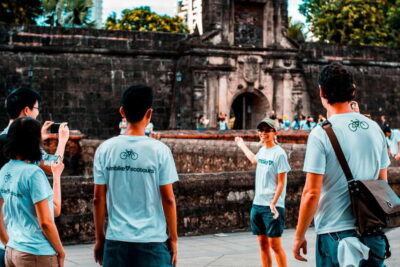
Intramuros, Manila: Historical Bamboo Bike Tour
Read our review →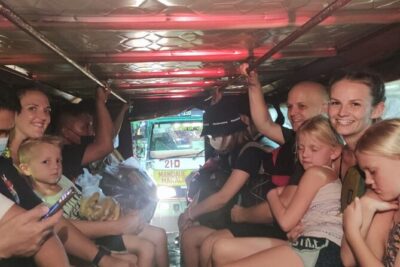
The Original Cebu City Historical and Food Walking Tour
Read our review →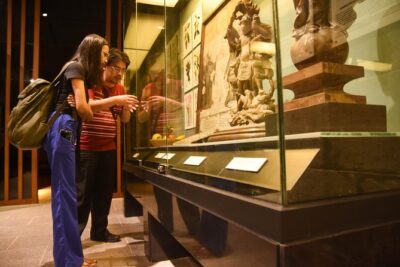
Explore Intramuros: Introduction to Philippine History
Read our review →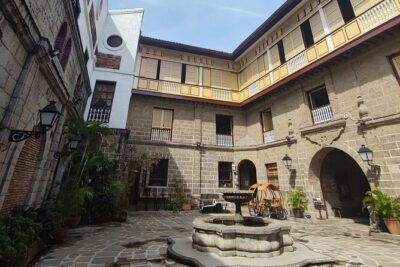
Experience Manila’s Heritage: Intramuros & More in Half a Day!
Read our review →
Exploring Cebu City’s rich history and Uphill Tour
Read our review →
Browse the lists this tour appears in