
Reviewed · INTRAMUROS WALKING TOURS
Intramuros, Manila: Historical Bamboo Bike Tour
Intramuros is easiest to understand when you move through it slowly, with a guide pointing out the places a casual walk would miss. This bamboo bike tour covers the walled city’s key sights at an easy pace, from a Japanese World War II cannon to Fort Santiago and San Agustin Church.
I like the locally made bikes and the way the guides turn old stone walls into a story about Manila, war, religion, and colonial power. I also like the practical care: helmets, route support, sunscreen and insect repellent when needed, plus a cold towel and ice cream at the finish.
The main drawback is the heat. Even the 9:30 a.m. departure can feel hot and humid, and the tour offers no fixed drink stop, so bring a refillable bottle and ask the team when you need water.
Key points to know before you book
- Handcrafted bamboo bikes: Choose from bike styles including city cruisers and mountain-bike types, with children’s bikes available for young riders.
- Flat, gentle route: The ride is suited to casual cyclists and does not require gears, though the pace may feel slow to strong cyclists.
- Strong guide team: Guides including Josh, Paolo, Prime, Chi, Anj, Mica, JD, and Justine are praised for clear explanations, humor, and safe riding support.
- Big Intramuros coverage: You visit Japanese Cannon, Puerta Real Gardens, Puerta del Parian, Manila Cathedral, Fort Santiago, and San Agustin Church.
- Good value at $27: The price includes the bike, helmet, guide, entrance fees, rain poncho if needed, and the end-of-tour refreshment.
- Plan around the weather: The tour runs in most weather, but tropical storms stop operations. Wear light clothing, sunscreen, and comfortable shoes.
Why a bamboo bike works so well in Intramuros
Intramuros is compact on a map, but its sights are spread across broad plazas, old lanes, gardens, churches, and fortified areas. Walking is possible, yet the heat and traffic can make the circuit tiring. A bicycle lets you cover more ground without turning the visit into a march.
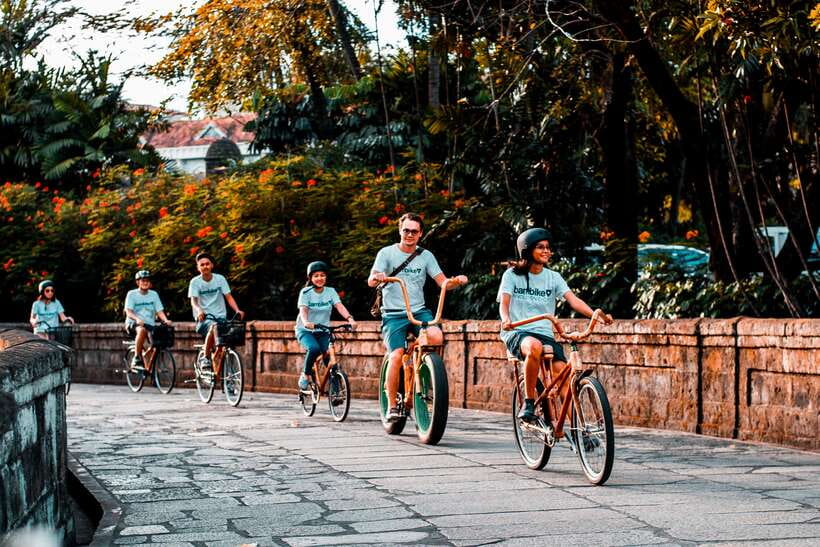
The bamboo frame is the point of the experience, not just a novelty. The bikes are made by local craftsmen, and the sustainable design gives the ride a connection to the community behind the tour. You still ride a real bicycle, with sturdy frames and familiar controls, rather than a fragile display piece.
The route is mostly flat and easy. Several riders found the bikes simple to handle, with no gears to manage. If you are not a confident cyclist, that matters. You can concentrate on the guide and the streets instead of wrestling with a complicated bicycle.
The pace may be too relaxed for experienced cyclists. One rider used to faster cycling found it slow, but that is part of the tradeoff. This is a history tour on wheels, not a workout or a point-to-point transfer.
More Historical Tours in Manila
- Explore Intramuros: Introduction to Philippine History
★ 5.0 · 80 reviews - Experience Manila’s Heritage: Intramuros & More in Half a Day!
★ 5.0 · 76 reviews - Half-Day Heritage Tour: Manila’s Historic Gems
★ 4.9 · 29 reviews
Starting with the Japanese cannon
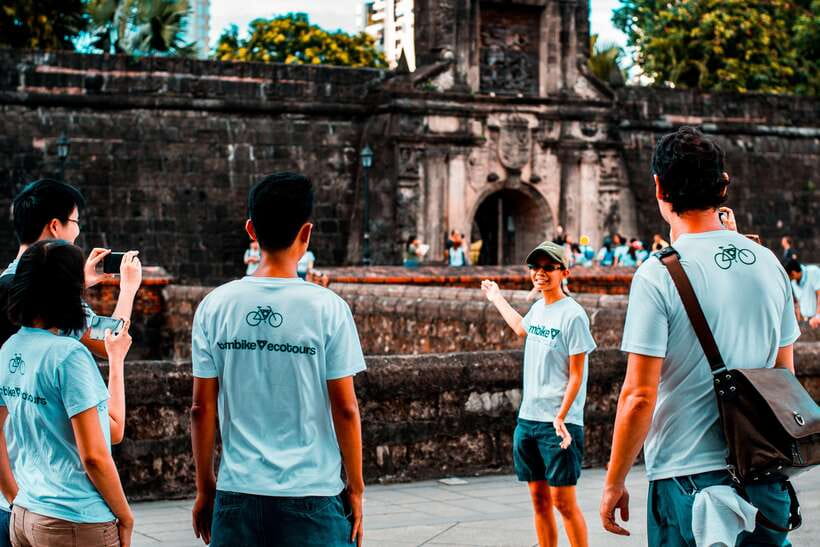
After choosing and adjusting your bike, the group rides to the Japanese Cannon. This stop adds a wartime layer to the older Spanish colonial story of Intramuros. The cannon is part of a complex inside the walled city and gives the guide a clear way to explain how World War II affected Manila.
Expect about 15 minutes here. The stop is short, but useful because it shows that Intramuros is not frozen in the Spanish period. The district also carries the marks of the Pacific War and the destruction that reshaped Manila.
Your guide will likely set the pattern for the rest of the tour here: ride a short distance, stop, hear the story, ask questions, and take a few photographs. Guides such as Josh, Prime, Paolo, and Justine are known for mixing facts with humor rather than delivering a dry lecture.
Puerta Real Gardens and the walled city’s quieter side
Puerta Real Gardens is one of the longer stops, with about 30 minutes for explanation and a look around. The garden setting offers a break from the stone fortifications and gives you space to hear how Intramuros functioned as the center of Spanish colonial Manila.
This is also a good place to pace yourself. You will be outdoors, often in warm conditions, so the stop is not only about information. It gives your legs a rest and lets you look at local plants and the surrounding fortifications without rushing.
The guide’s interpretation matters here. A garden can seem like a pleasant pause if you do not know its purpose or place in the old city. With context, the stop becomes part of the larger story of defense, government, religion, and daily life within the walls.
After Puerta Real Gardens, the tour includes a roughly 15-minute break at a local café. The exact refreshment arrangement can depend on the day, so do not assume this is a full meal stop. It is a useful chance to cool down, but I would still carry water.
Puerta del Parian and Manila’s old gateways
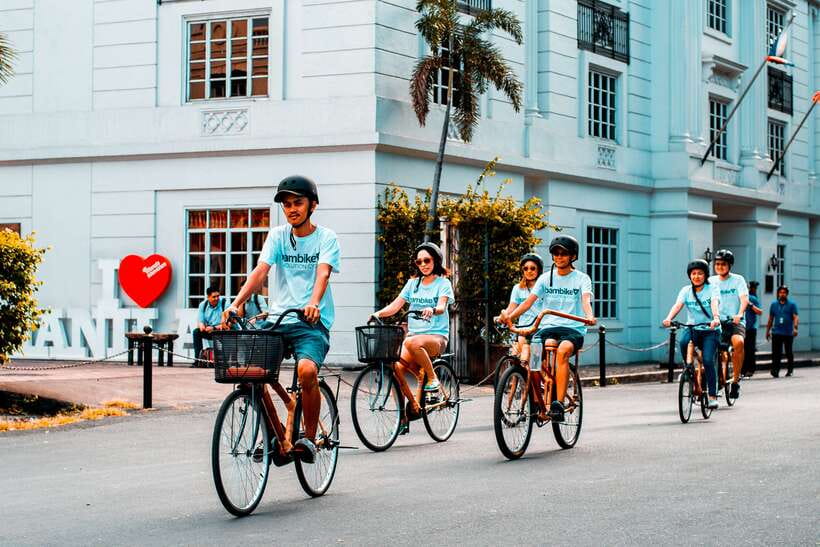
Puerta del Parian was one of the early gateways into Intramuros. The stop is short, around 15 minutes, but it helps you read the city as a controlled settlement rather than a collection of attractive old buildings.
A gateway tells you something about movement and access. People, goods, officials, soldiers, and religious communities all passed through such entrances, and the guide can place the gate within the social structure of colonial Manila.
This is where a guided tour earns its price. On your own, you may photograph an old gateway and move on. With a guide, you get the reason it mattered and how it connected to the rest of the walled city.
More Intramuros tours:
- Experience Intramuros with Bamboo Bicycle – Ecotours
★ 5.0 · 508 reviews - Manila: Intramuros, Chinatown, and Old Manila Half-Day Tour
★ 4.8 · 475 reviews - Manila Old and New: Sightseeing Tour Including Intramuros and Fort Santiago
★ 4.5 · 377 reviews - Manila: Guided Sunset Bamboo Bike Tour in Intramuros
★ 4.8 · 119 reviews
Manila Cathedral and Plaza de Roma
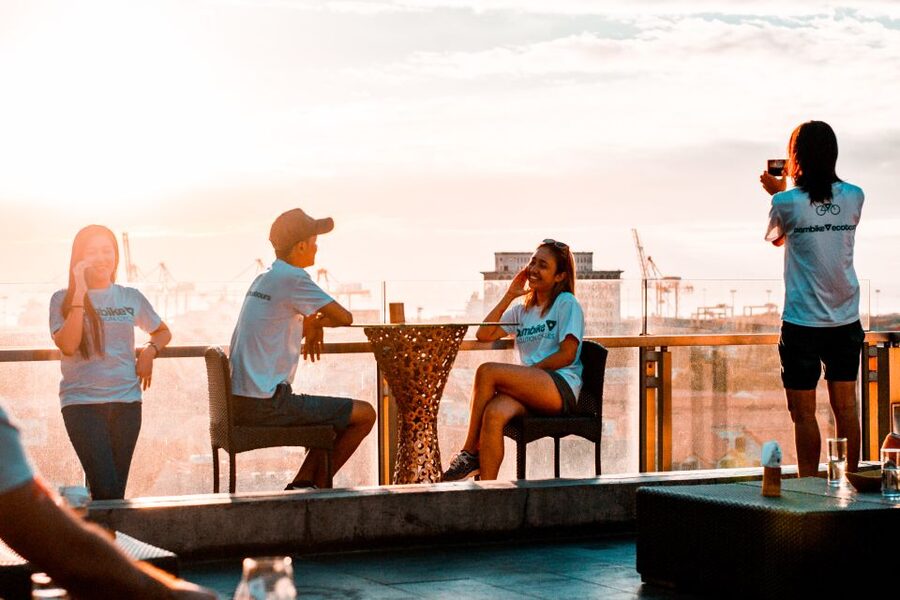
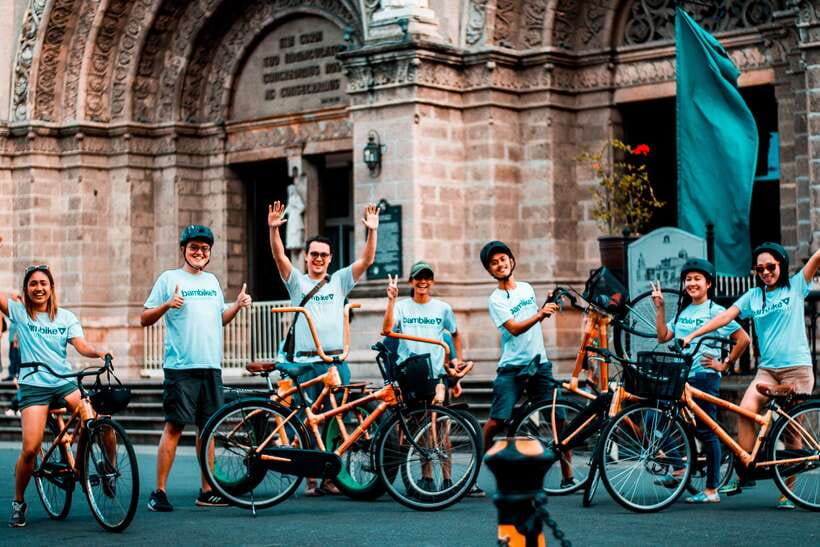
The route then reaches Manila Cathedral and Plaza de Roma, described as the historic center of Spanish colonial Manila. The cathedral gives the tour a strong religious focus, while the plaza helps explain the civic center that grew around it.
You receive about 15 minutes of guided explanation here. That is enough for a clear introduction, though not a long interior visit or a full architectural study. If you want extended time inside the cathedral, you may need to return on your own after the bike tour.
The stop works well as part of a sequence. You have already seen a military object, a garden, and a city gate. At the cathedral and plaza, the guide adds religion and administration to the picture. Intramuros starts to feel like a functioning colonial capital, not merely a preserved district.
Fort Santiago is the tour’s main historical stop
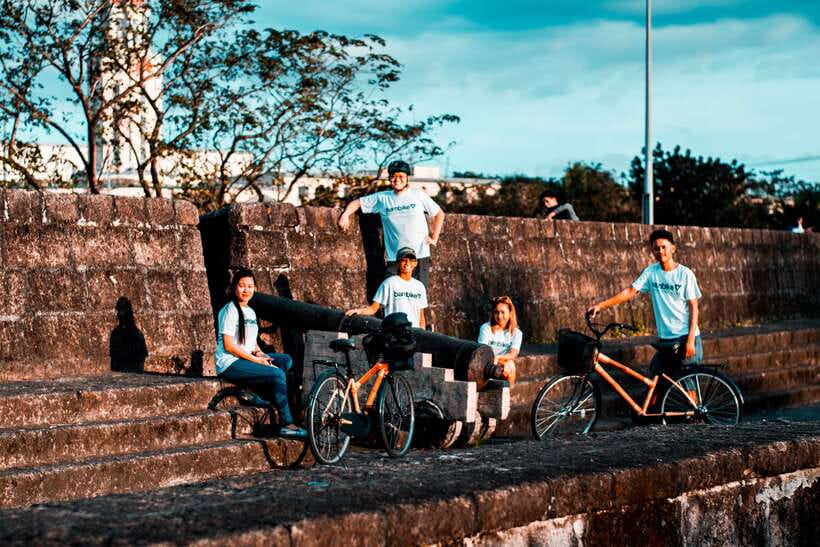
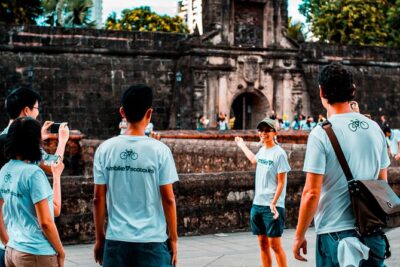
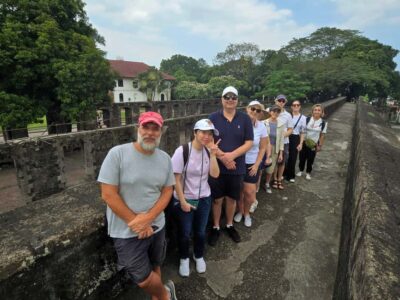
Fort Santiago receives the longest portion of the route, about 45 minutes. You ride through the area and stop for a fuller explanation of its role in Intramuros.
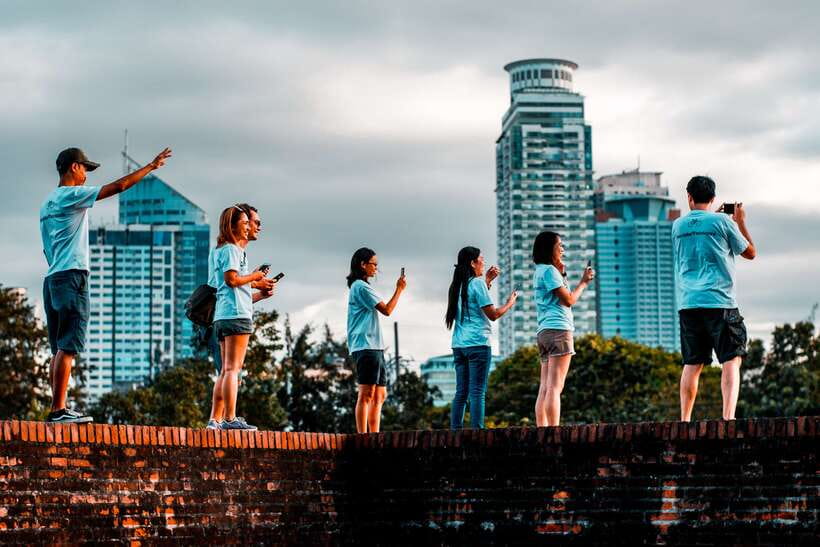
This is likely the tour’s strongest stop for visitors who want historical context. The fort gives you a physical sense of defense and power, and the guide can connect it to the wider history of Manila. The extended time also lets you look around rather than simply pause for a photograph.
The route through Fort Santiago is described as safe and manageable, with guides helping the group move through the streets. Some tours include a second team member whose job is to help control traffic and keep riders together. That support is especially useful if you are nervous about cycling in an unfamiliar city.
You should still stay alert. The tour operates in a real urban district, not a closed cycling park. Follow the guide, keep your eyes up, and let the staff handle the group’s movement through busier sections.
San Agustin Church closes the historical circuit
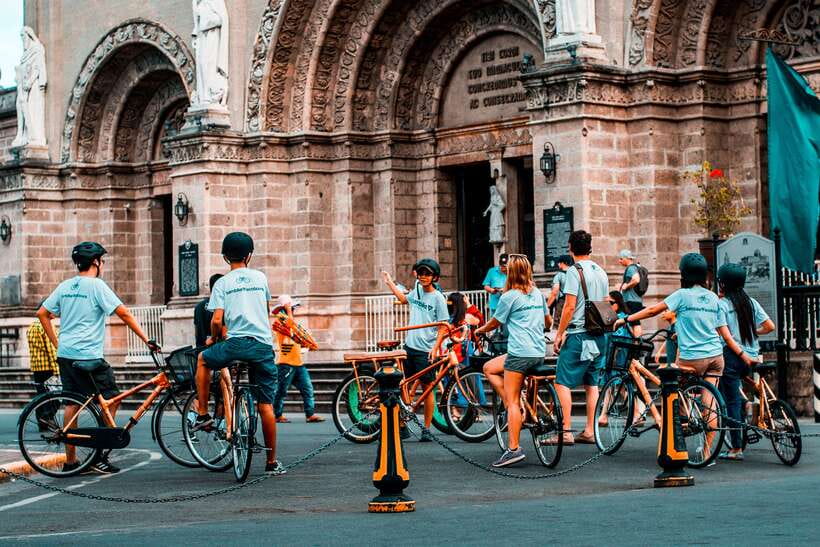
San Agustin Church is the final major sight, with about 15 minutes of guided time. It adds another important religious and architectural stop to the route and gives you a chance to see a different part of Intramuros before returning to the starting point.
The visit is brief, so think of it as an introduction rather than an exhaustive church tour. If this is the site that interests you most, note what you want to revisit after the ride.
By this point, the bicycle has done its job. You have crossed enough of Intramuros to understand the layout, yet the schedule includes regular pauses so the ride does not feel like a race. The overall route takes about two to three hours, depending on the option booked and the rhythm of the group.
Guides make the difference
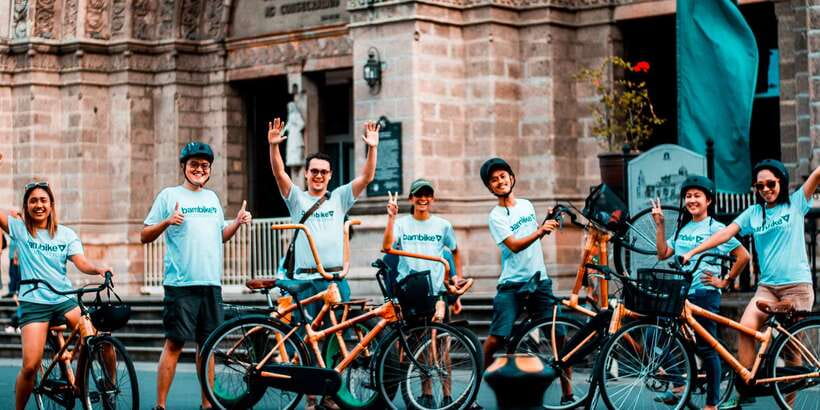
The guide team is one of the tour’s greatest strengths. Names frequently praised for clear storytelling and friendly care include Josh, Paolo, Prime, Chi, Anj, Mica, JD, Justine, Inah, Jenjie, Dinah, Noe, Gab, and Naomi.
The best guides do more than recite dates. They answer questions, add small facts, help with photographs, and adjust the pace. Anj, for example, is noted for keeping explanations interesting without making them feel like a lecture. Paolo is often singled out for humor and a welcoming manner, while Prime is praised for making riders feel safe and included.
You can also expect help with photographs at the stops. This is especially useful if you are traveling alone. Staff may take pictures for you without turning the process into a formal photo session.
The tour is offered in English and Tagalog. If you need a specific language, check the option available when you book.
What the $27 price really covers
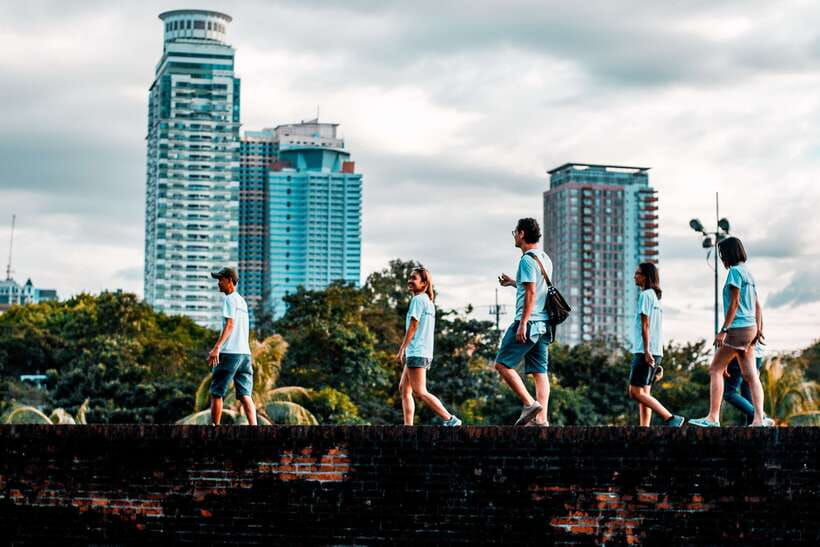
At $27 per person, this is good value if you want both transportation around Intramuros and proper historical explanation. The cost includes the local guide, bamboo bike, helmet, entrance fees, and a rain poncho when needed.
The bicycle is more than a way to get from one stop to another. It saves walking time and energy, while the guide gives each stop meaning. Paying separately for entry, a rental bike, and a guide would likely involve more planning and less coordination.
The tour does not include hotel pickup or drop-off, so you must arrange your own way to the meeting point. The starting location is Bambike Ecotours Intramuros, though the exact meeting point can vary by booking option. Read the confirmation carefully before setting out.
The final cold towel and ice cream are small additions, but they matter in Manila’s heat. They give the tour a pleasant finish and help you cool down before continuing with your day.
Heat, clothing, and practical comfort
Wear comfortable shoes and light, comfortable clothing. Sunscreen is essential, and insect repellent is sensible for the garden sections. Staff may have sunscreen and insect repellent available, but you should not rely on that as your only supply.
Bring a refillable water bottle. One useful practical point is that there is no official drink stop built into the schedule, so ask the staff when you need to top up. A sweat towel and a small portable fan could also be useful during the hotter months.
The tour runs in most weather conditions, except tropical storms. Rain ponchos are supplied if needed, but a wet-weather ride can still be less comfortable than a dry one. If the forecast looks uncertain, the free cancellation window allows cancellation up to 24 hours before departure for a full refund.
The earliest suggested departure is appealing because it avoids the worst of the midday heat. A 9:30 a.m. start still may be hot and humid, but it lets you finish around lunchtime and continue to nearby food stands or cafés.
Who should book this ride
I would choose this tour if you are visiting Manila for the first time, want an overview of Intramuros, or prefer learning through stories rather than reading plaques. It is also a smart option for solo visitors because the guide and staff help with photographs and group navigation.
Families can consider it too. Children aged 4 to 12 must ride with an adult, and infant seats for ages 2 to 4 are available if requested at booking. Unaccompanied minors are not allowed.
The ride suits casual cyclists more than serious riders. The flat route and easy bikes are reassuring if you lack confidence, but strong cyclists may wish for a quicker pace. It is also not the best pick if you want long, quiet periods at each church or fort. The tour gives you a broad introduction, then you can return independently to the places that catch your interest.
Should you book the Intramuros bamboo bike tour?
Book it if you want to cover the major sights without wearing yourself out, and if history means more to you when a person explains the place in front of you. The combination of local bamboo bikes, careful route support, and strong English-speaking guides gives you a lively introduction to old Manila.
Skip it if you dislike cycling, struggle in heat, or want a slow museum-style visit with long time inside each site. For most visitors, though, $27 is a fair price for three hours of transport, guidance, entrance fees, and a well-planned route. Choose a morning departure, bring water, and treat the ice cream as a welcome finish rather than the main reason to ride.
FAQ
Where does the Intramuros bamboo bike tour take place?
The tour takes place in Intramuros, Manila, the historic walled district of the city.
How long does the tour last?
The activity lasts about two to three hours, depending on the option booked and the tour schedule.
How much does the tour cost?
The listed price is $27 per person.
Which sights are included?
The route includes Japanese Cannon, Puerta Real Gardens, Puerta del Parian, Manila Cathedral, Plaza de Roma, Fort Santiago, and San Agustin Church.
Is a bamboo bicycle provided?
Yes. Bamboo bicycle rental and a helmet are included in the tour price.
Are entrance fees included?
Yes. Entrance fees are included.
What languages are available?
Live guides are available in English and Tagalog.
Is the tour suitable for children?
Children aged 4 to 12 must be accompanied by an adult. Infant seats for children aged 2 to 4 are available on request if advised at the time of booking. Unaccompanied minors are not allowed.
What should I bring?
Bring comfortable shoes, sunscreen, and comfortable clothing. A refillable water bottle is also useful because there is no fixed drink stop during the tour.
What happens if it rains?
The tour operates in most weather conditions, except tropical storms. Rain ponchos are available if needed.
More Cycling Tours in Manila
- Express Bamboo Bike Tour inside Intramuros
★ 4.5 · 66 reviews - Boracay: ATV, Sky Bike and Zipline Adventure with Pickup
★ 4.6 · 12 reviews
Just added around Manila
- 3 Days Private Tour in Banaue Ifugao visiting Batad Rice Terraces★ 3.5 · 3 reviews
- Unforgettable Manila Fishing Village Day Excursion 2024★ 5.0 · 4 reviews
- indigenous Forest experience Manila 2023★ 5.0 · 4 reviews
- Cultural Dinner and Show in Manila★ 5.0 · 4 reviews
- Shared Old Manila Tour★ 5.0 · 5 reviews
- Shared Cruise Shore Excursion of Manila Old and New City Tour★ 4.0 · 10 reviews
- 5 Days Sagada Banaue Batad Discovery (PRIVATE GROUP TOUR Max 6 Travellers)★ 5.0 · 16 reviews
- Private Departure Airport Transfer in Manila Bay and Makati Area★ 5.0 · 3 reviews
Intramuros Walking Tours, compared.
Experience Intramuros with Bamboo Bicycle – Ecotours
Read our review →
Intramuros, Chinatown, and Old Manila Half-Day Tour
Read our review →
Manila Old and New: Sightseeing Tour Including Intramuros and Fort Santiago
Read our review →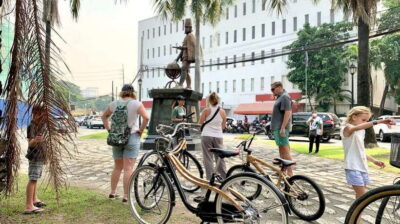
Explore Intramuros: Introduction to Philippine History
Read our review →
Experience Manila’s Heritage: Intramuros & More in Half a Day!
Read our review →Browse the lists this tour appears in