
Reviewed · INTRAMUROS WALKING TOURS
Explore Intramuros: Introduction to Philippine History
Intramuros gives you Manila’s past in one compact walk: a surviving stone church, a recreated Spanish-era home, wartime memorials, and the old fortress where the independence story comes into sharper focus. I like the small group size, capped at 15, and the way the tour mixes famous sights with backstreets. I also like that the entrance fees and water are included, so the $55 price is clear from the start.
The main caution is pace. Three hours is enough for a strong introduction, not a slow study of every site. One guest felt rushed and missed parts of the planned route, so tell your guide if you prefer more time at each stop.
Key points to know before you book
- San Agustin Church begins the story: Start at the country’s oldest stone church, then continue into its museum.
- The tour links several eras: Spanish colonial rule, Catholic life, the Galleon Trade, World War II, and the fight for independence all appear along the route.
- Guides shape the experience: Jian, Jerome, and Patrick are praised for clear explanations, humor, local insight, and patient answers.
- Three hours covers a lot: Expect six stops, walking between them, and only limited time at each major attraction.
- The ending is useful: The tour finishes at Fort Santiago, giving you a natural base for further sightseeing in Intramuros.
- The value depends on your priorities: Included admissions help, but visitors wanting a slow museum visit may find the schedule tight.
Why Intramuros is the right place for a first history lesson
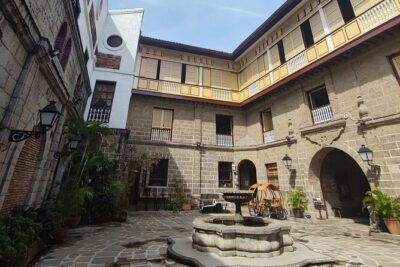
Intramuros means within the walls, and the name tells you what makes this part of Manila useful for first-time visitors. In a small area, you can move from a church founded during the Spanish period to a military fort, from an upper-class colonial home to a memorial for civilians killed during World War II.
You do not need a full day to get your bearings. This three-hour walk gives you a framework for understanding Manila before you explore other parts of the city. I like that the story is not limited to architecture. The guide connects religion, trade, colonial rule, war, and independence.
The route also includes less formal walking between the headline sights. That matters because Intramuros is not only a collection of ticketed buildings. Its lanes and walls help you see how the old settlement was organized and how much of its character comes from the spaces between the attractions.
More Historical Tours in Manila
- Intramuros, Manila: Historical Bamboo Bike Tour
★ 4.8 · 583 reviews - Experience Manila’s Heritage: Intramuros & More in Half a Day!
★ 5.0 · 76 reviews - Half-Day Heritage Tour: Manila’s Historic Gems
★ 4.9 · 29 reviews
Starting at San Agustin Church
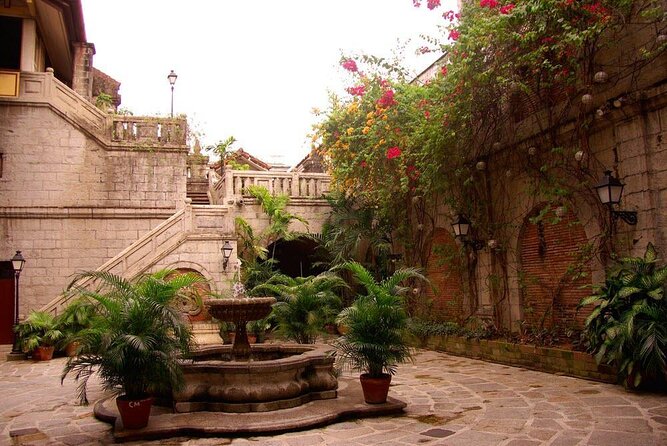
The meeting point is San Agustin Church on General Luna Street. This is a practical place to begin because the church immediately gives you something substantial to look at while the guide sets the scene.
San Agustin is described as the oldest stone church in the Philippines and the only church in Intramuros to survive the bombing of Manila during World War II. Even a short visit carries a lot of weight. The building is not simply an old religious site. It is a surviving piece of a city that suffered enormous wartime damage.
The scheduled stop is about 10 minutes, with no admission fee for this part of the visit. That is enough for an introduction and orientation, but not enough for a slow architectural inspection. If church design is your main interest, you will want to return on your own after the tour.
The San Agustin Museum and the worldwide Galleon Trade
Next door, the San Agustin Museum receives about 30 minutes of the tour. Admission is included, which makes this one of the clearest parts of the tour’s value.
The museum helps place Manila in a much larger trading network. The guide explains the Spanish Galleon Trade, which linked the Philippines with distant parts of the world. This gives you a useful correction to the idea that colonial Manila was an isolated outpost. Its position made it an important point in a long-distance system of commerce and power.
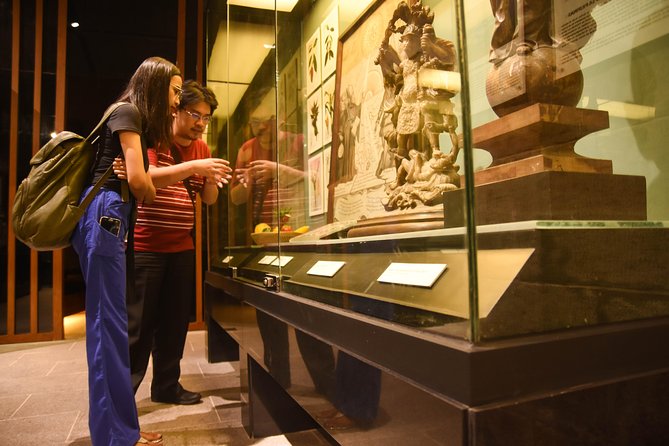
You will also see religious objects and artifacts from different periods. A guide is especially helpful here because a display case alone cannot explain why an object mattered, who used it, or how Catholic practice shaped public life in the Philippines.
Jian is often praised for adding small details about culture as well as dates and events. Jerome is noted for making the subject lively with humor and questions. That style suits a museum stop, since the material can otherwise feel formal or difficult to connect with.
Thirty minutes goes quickly. You should expect an overview rather than a room-by-room examination. If you want to read every label, the group schedule may feel restrictive.
Casa Manila and the colonial home
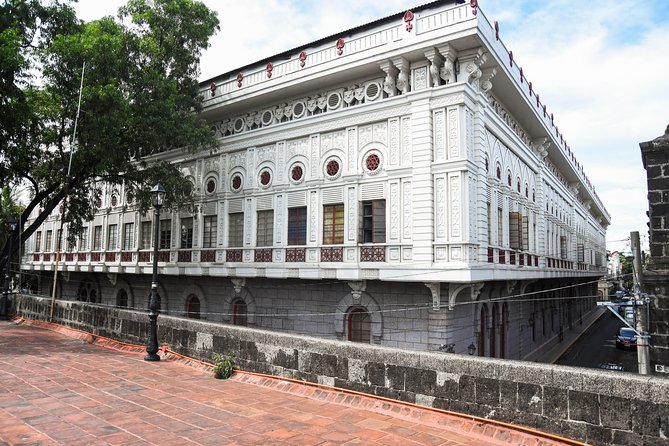
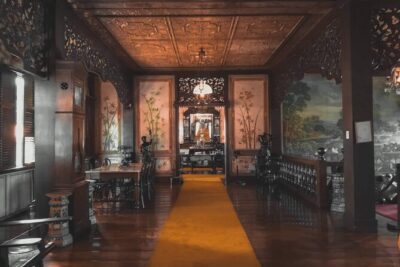
Casa Manila offers a different kind of history lesson. Instead of looking at a church or military site, you enter a recreation of an upper-class Manila home from around the turn of the 19th century.
This stop helps you picture daily life among the wealthier residents of Spanish Manila. Furnishings, room layouts, and household details make social differences easier to understand than a lecture alone. You begin to see that colonial society was not just a contest between Spain and the Philippines. It also involved class, status, religion, and access to trade.
The visit lasts about 30 minutes and admission is included. That is enough time to see the main rooms and hear how the home reflects the period. I find this one of the most useful stops for anyone who has trouble connecting political history with ordinary life.
Casa Manila is also one of the three major indoor visits, along with the San Agustin Museum and Fort Santiago. If you are sensitive to heat, the indoor breaks help make the walking route more comfortable. One guide specifically worked a rest break into the three-hour experience, which can be welcome in Manila’s warm conditions.
More Intramuros tours:
- Experience Intramuros with Bamboo Bicycle – Ecotours
★ 5.0 · 508 reviews - Manila: Intramuros, Chinatown, and Old Manila Half-Day Tour
★ 4.8 · 475 reviews - Manila Old and New: Sightseeing Tour Including Intramuros and Fort Santiago
★ 4.5 · 377 reviews - Manila: Guided Sunset Bamboo Bike Tour in Intramuros
★ 4.8 · 119 reviews
The Memorare Manila Monument and the cost of war
The Memorare Manila Monument is a short stop, about 10 minutes, but it changes the tone of the walk. The monument remembers civilians killed during the Battle of Manila in World War II.
This is an important pause because the tour does not treat the city’s past as a string of attractive colonial buildings. It makes room for loss and for the people who suffered during the fighting. The guide explains more about the Philippines during the war and places Manila within that wider conflict.
There is no admission fee here. Since the stop is brief, listen closely to the explanation and take a moment to consider the setting. The monument is less about a long visit than about giving the rest of Intramuros a human cost.
Manila Cathedral and the role of Catholicism
The route continues to Manila Cathedral, the seat of the Catholic Church in the Philippines. The planned stop is around 10 minutes and does not require an admission fee.
This visit works best when you treat it as part of the larger religious story rather than an isolated photo stop. San Agustin shows you an old surviving church and museum collections. The cathedral shows the continuing importance of Catholic institutions in the country.
The short timing means you should not expect an extended interior tour or a detailed architectural study. Instead, the guide uses the stop to explain the church’s place in Philippine life and in the development of Manila.
For visitors trying to understand Spanish influence, this connection is valuable. It also keeps the tour from presenting colonial rule only through forts and government power. Religion was a major part of the system, and the route gives it proper attention.
Fort Santiago and the road to independence
The final major stop is Fort Santiago, the old Spanish military stronghold inside Intramuros. About 30 minutes are scheduled here, with admission included.
The fort gives the tour a strong ending because it brings together military control, resistance, and the movement toward Philippine independence from Spain. The guide also explains the life and importance of one of the country’s heroes.
Fort Santiago is more than a wall and a gate. It helps you see how colonial authority was maintained and why a military site became tied to the national story. The guide’s explanation is the key part. Without context, you may notice stone corridors and defensive structures but miss the political meaning.
The tour ends here, which is convenient. You are not returned to the starting point, so plan your next move before you arrive. The ending location is still inside Intramuros, and it gives you a sensible place to continue sightseeing, find food, or explore at your own pace.
The guides make the difference
The strongest part of this experience is the guide-led explanation. Jian is repeatedly described as patient, friendly, and able to add useful facts about both Philippine history and current culture. He has also tailored the pace and discussion when only one person or a very small number of people joined the tour.
Jerome brings a different strength. He is praised for humor, clear delivery, helpful answers, and an ability to make historical events easier to follow. If you are curious about Filipino languages as well as national history, his background and explanations can add another layer.
Patrick is also named as part of the guide team, especially in connection with an informative and well-structured visit. Since the exact guide can vary, you should not book on the assumption that one particular person will lead your date.
The small group format matters here. A maximum of 15 people is small enough for questions, though the experience can become more personal when only a few people book. In one case, a solo participant received what was effectively a private tour. That is a pleasant possibility, but not something to count on.
Is $55 a fair price?
At $55 per person, this is not the cheapest way to walk around Intramuros. You can see several exterior sights without paying for a tour, and you could visit some locations independently.
The price makes more sense when you count the included admissions to the San Agustin Museum, Casa Manila, and Fort Santiago. Bottled water is also included, and you do not need to stop at each entrance to handle separate payments.
The bigger value is the interpretation. If you already know Philippine colonial and wartime history, you may find the tour less essential. If this is your first visit, the guide saves you from seeing unrelated buildings without understanding how they connect.
I would consider it good value for someone who wants a structured introduction in half a day. I would be more cautious if you prefer to move slowly, spend a long time inside museums, or focus mainly on photography. The three-hour schedule covers six stops, so time at each place is limited.
Pace, walking, and practical planning
This is a walking tour, and private transportation is not included. The meeting point is near public transportation, but you are responsible for reaching San Agustin Church.
Wear comfortable shoes and bring protection from the sun. The route includes outdoor walking, and the weather can affect the experience. The operator may cancel for poor weather and offer another date or a full refund.
The pace is usually described as easy and well organized, but the schedule has little spare time if the group asks many questions or a stop takes longer than planned. You can improve the experience by telling the guide at the start if you want more explanation at a particular location.
The tour is suitable for most people, and children or young adults can follow it if they enjoy history and walking. It is not designed as a private, fully flexible visit. Group size, weather, and the guide’s approach will shape the exact feel of the morning or afternoon.
Who should book this Intramuros tour?
I would choose this tour for a first visit to Manila, especially if you want the basic story before exploring the city on your own. It works well for solo visitors, couples, families with older children, and anyone who prefers learning through conversation rather than reading guide panels.
It is also a good fit if you want to see several paid sites without managing separate entrance fees. The combination of San Agustin, Casa Manila, and Fort Santiago gives you religion, home life, and military history in one route.
I would skip it if you already have a strong grasp of Philippine history or want to spend an hour at each museum. In that case, visiting independently may give you more control. You should also be ready for the possibility that the route feels rushed, particularly if you want every planned stop covered in detail.
Final verdict: a useful first walk through Manila’s past
Book this tour if you want a clear introduction to Intramuros and the major forces that shaped Manila. The route is compact, the admissions are included, and the best guides, especially Jian and Jerome, add the context that turns old buildings into a connected story.
Just keep your expectations in line with the format. This is a three-hour overview, not a slow museum day. If you communicate your preferred pace and stay engaged with the guide, the experience can give you a strong foundation for exploring Intramuros on your own afterward.
FAQ
How long does the Intramuros tour last?
The tour lasts approximately three hours.
Where does the tour begin?
It begins at San Agustin Church on General Luna Street in Intramuros, Manila.
Where does the tour end?
The tour ends at Fort Santiago inside Intramuros.
Which sites are included?
The route includes San Agustin Church, Museo San Agustin, Casa Manila, the Memorare Manila Monument, Manila Cathedral, and Fort Santiago.
Are entrance fees included?
Yes. Entrance fees for the included attractions are covered in the tour price.
Is transportation included?
No. Private transportation is not included. You meet the guide at San Agustin Church and walk through Intramuros.
How many people can join the tour?
The group can include a maximum of 15 people.
Just added around Manila
- 3 Days Private Tour in Banaue Ifugao visiting Batad Rice Terraces★ 3.5 · 3 reviews
- Unforgettable Manila Fishing Village Day Excursion 2024★ 5.0 · 4 reviews
- indigenous Forest experience Manila 2023★ 5.0 · 4 reviews
- Shared Old Manila Tour★ 5.0 · 5 reviews
- Cultural Dinner and Show in Manila★ 5.0 · 4 reviews
- Shared Cruise Shore Excursion of Manila Old and New City Tour★ 4.0 · 10 reviews
- 5 Days Sagada Banaue Batad Discovery (PRIVATE GROUP TOUR Max 6 Travellers)★ 5.0 · 16 reviews
- Private Departure Airport Transfer in Manila Bay and Makati Area★ 5.0 · 3 reviews
Intramuros Walking Tours, compared.
Intramuros, Manila: Historical Bamboo Bike Tour
Read our review →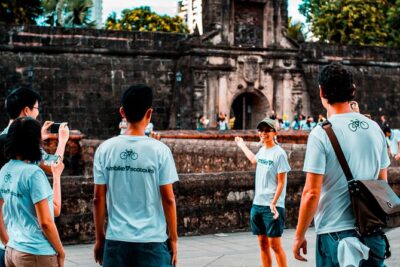
Experience Intramuros with Bamboo Bicycle – Ecotours
Read our review →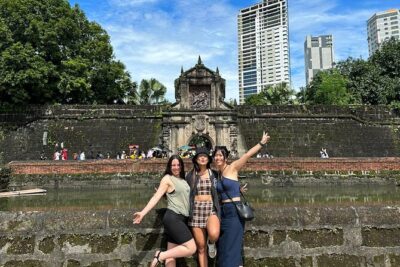
Intramuros, Chinatown, and Old Manila Half-Day Tour
Read our review →
Manila Old and New: Sightseeing Tour Including Intramuros and Fort Santiago
Read our review →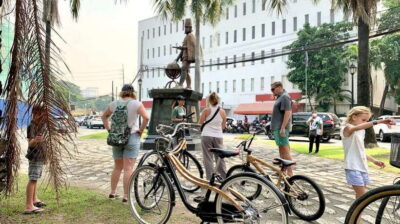
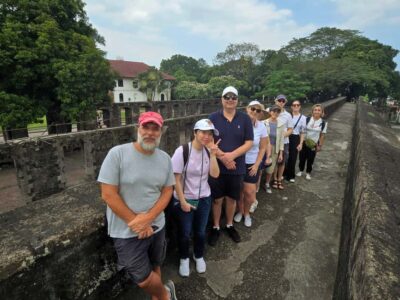
Experience Manila’s Heritage: Intramuros & More in Half a Day!
Read our review →Browse the lists this tour appears in