
Reviewed · STREET FOOD TOURS
⭐ Manila Street Food Tour in the Downtown, Eat and Drink⭐
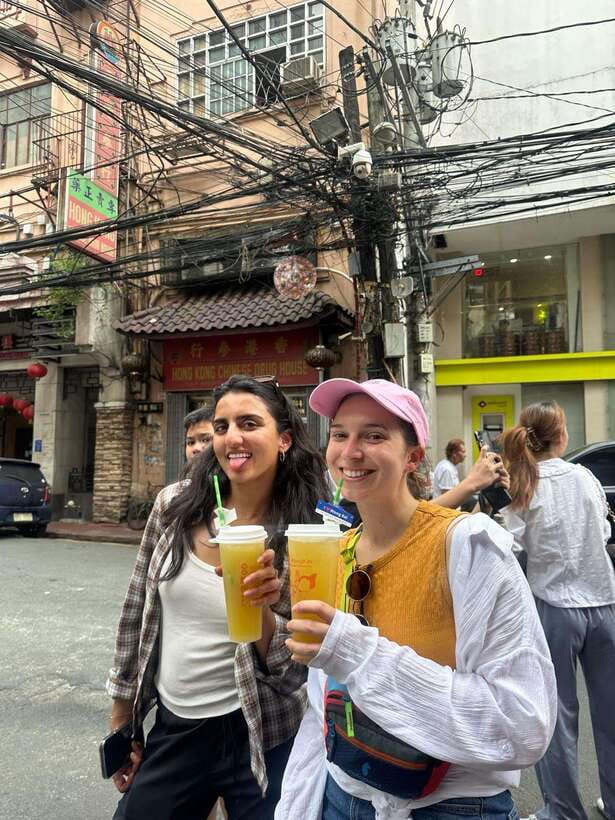
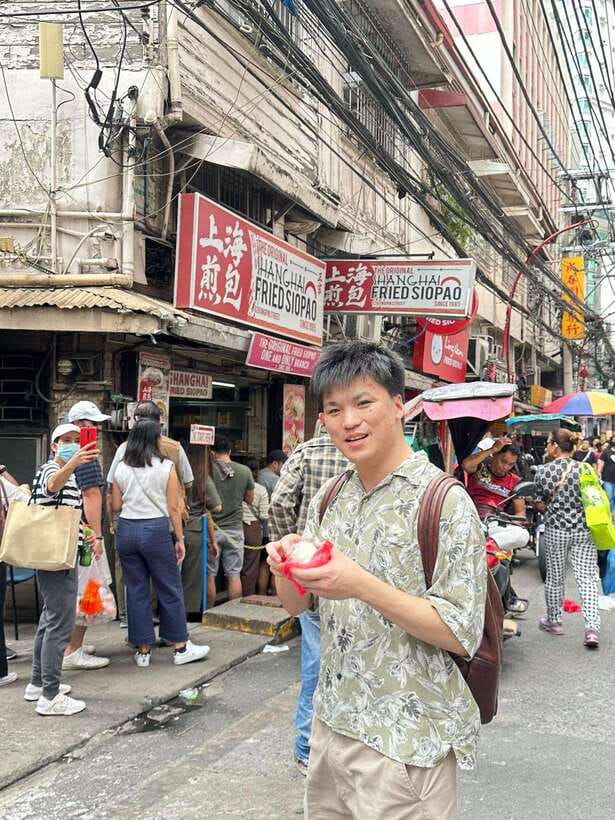
Manila’s street food is best understood one small bite at a time, and this two-hour tour takes you into the side streets of Tondo and Binondo for 6 to 10 Filipino tastings. You may try kwek kwek, balut, puto bumbong, cassava cake, chicken afritada, egg tart, banana, or halo-halo, depending on what is available that day.
I like the small-group limit of 12, which keeps the outing personal, and I like the mix of walking, food stops, and local transport. Guides Floyd and V have been praised for taking solo visitors under their wing, snapping photos, and helping them get their bearings fast. The main caution is that the food selection can lean sweet, and the two-hour route may feel rushed if you want a long look at each market.
Key points to know before booking
- Six to 10 tastings: Expect a broad sample of Filipino street food, with the exact menu changing with availability.
- Tondo and Binondo setting: You eat in downtown Manila neighborhoods rather than in a polished restaurant.
- Floyd and V as possible guides: Both have been singled out for warm service, food knowledge, photos, and practical Manila tips.
- Local transport included: The route uses more than walking, adding a useful slice of everyday city life.
- Tutuban meeting point: Meet outside the Bonifacio Monument at Tutuban Center Mall.
- Best for food-focused visitors: The tour suits a short Manila stop, solo travelers, couples, and small groups, but not vegans, vegetarians, or pregnant women.
Why this is a smart first taste of Manila
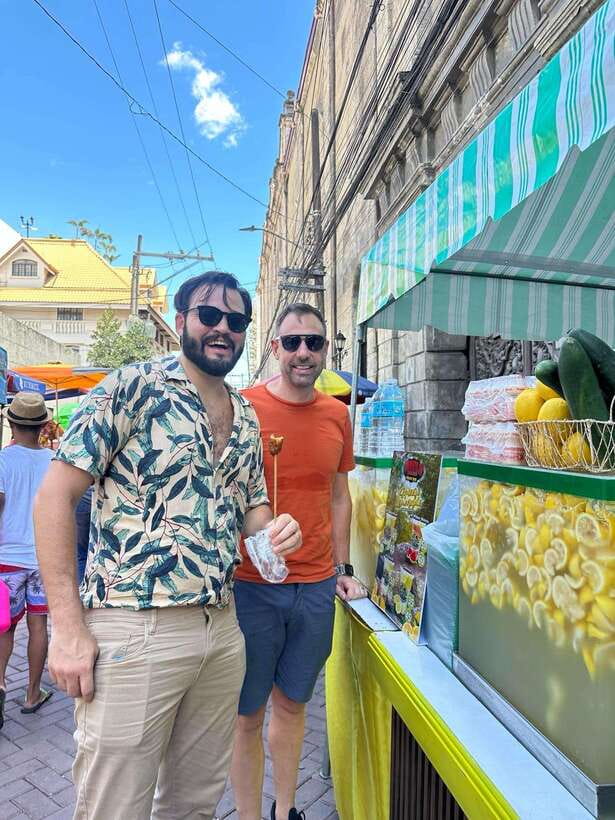
If you have only a layover or one or two days in Manila, a guided street-food walk can do more work than a long list of attractions. In two hours, you get food, neighborhoods, transport, and conversation with a local guide. That is a good return on limited time.
The setting matters. Tondo and Binondo are known here as the food areas for the route, and the experience takes place on small side streets rather than inside a tourist restaurant. You will see how Filipino food is bought and eaten in ordinary city spaces, where the stalls and shops decide the menu.
I especially like that the tour does not promise one fixed plate or one formal meal. Street food changes with the day, the vendors, and what is ready to serve. That gives the outing a more genuine feel, though it also means you should not book expecting every listed item.
The guide is central to the experience. Floyd has been praised for hospitality and for making the transport portion fun. V has been described as easy to spend time with, good at choosing food, and helpful with photos and further Manila suggestions. Since the group is limited to 12, you have a better chance to ask questions and adjust the pace than on a large coach outing.
More Food Tours in Manila
- Manila Food Tour: Introduction to Philippine Street Food
★ 5.0 · 417 reviews - Manila Food Tour: Explore World’s Oldest Chinatown
★ 5.0 · 158 reviews - Manila: Street Food and Drinks Walking Tour with Tastings
★ 4.8 · 114 reviews
Meeting at Tutuban Center and starting in downtown Manila
The meeting point is outside the Bonifacio Monument at Tutuban Center Mall. Give yourself enough time to locate the mall and monument before the start, especially if you are coming directly from the airport or a hotel.
The tour is built around movement. You walk through the downtown area, stop for food, and use local transportation as part of the route. The exact vehicles are not listed, but the experience includes different modes of transport, according to the tour details and guest descriptions. That makes the ride more than a simple transfer. It becomes part of your introduction to Manila.
This setup is useful if you are nervous about navigating the city alone. You can watch how the route works while your guide handles the practical side. It is also a good way to cover more ground in two hours than you could on foot.
The tradeoff is comfort. A street-food tour is not a climate-controlled food hall, and local transport can add noise, crowds, and waiting time. Wear shoes suited to walking, keep your belongings close, and arrive ready for an active outing rather than a slow restaurant lunch.
The first bites: Filipino food in small side streets
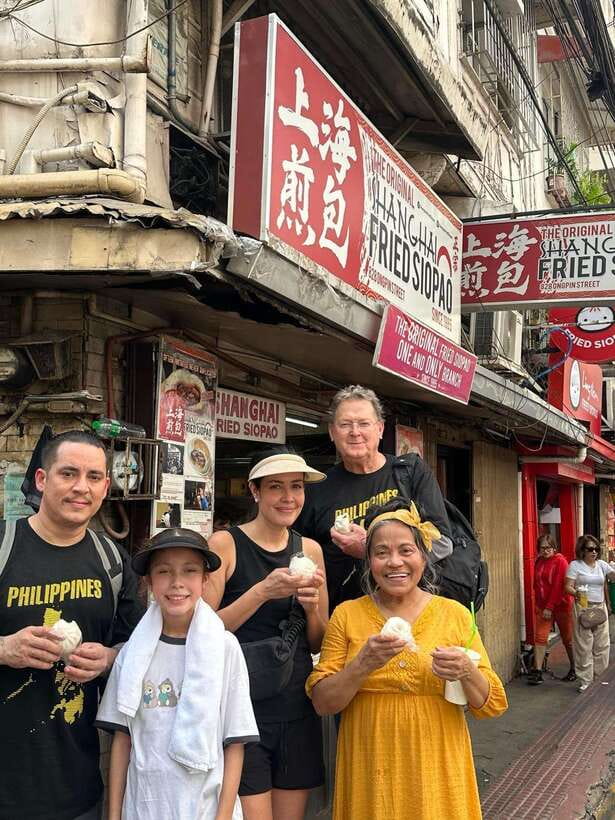
The strongest part of the tour is the range. Six to 10 tastings can introduce you to snacks, sweets, cooked dishes, and unusual local specialties in one sitting. You are not simply eating one famous item and moving on. You are comparing flavors and textures as the route unfolds.
Kwek kwek is one likely example. These are quail eggs coated in orange batter and fried, usually eaten as a quick street snack. They are easy to try and offer a gentle introduction to Filipino street food.
Balut is the more daring stop. One visitor described being nervous before trying it, then finding it more manageable than expected. If it is available and you are willing, it can become the tour’s memorable food challenge. You do not need to pretend to love it, but trying it with a guide gives you context and takes away some of the uncertainty.
Other reported tastings include chicken afritada, banana, egg tart, cassava cake, and puto bumbong. Chicken afritada gives you a savory dish, while the cakes and pastries show how often Filipino eating includes sweet, starchy treats. Puto bumbong is particularly associated with Filipino festive food and adds a different color and texture to the sampling.
The menu is not fixed, so consider these examples rather than promises. The description also names halo-halo, a cold dessert with mixed ingredients that can provide a refreshing finish. What you eat will depend on what is available in the street that day.
Sweet foods, savory foods, and what to expect
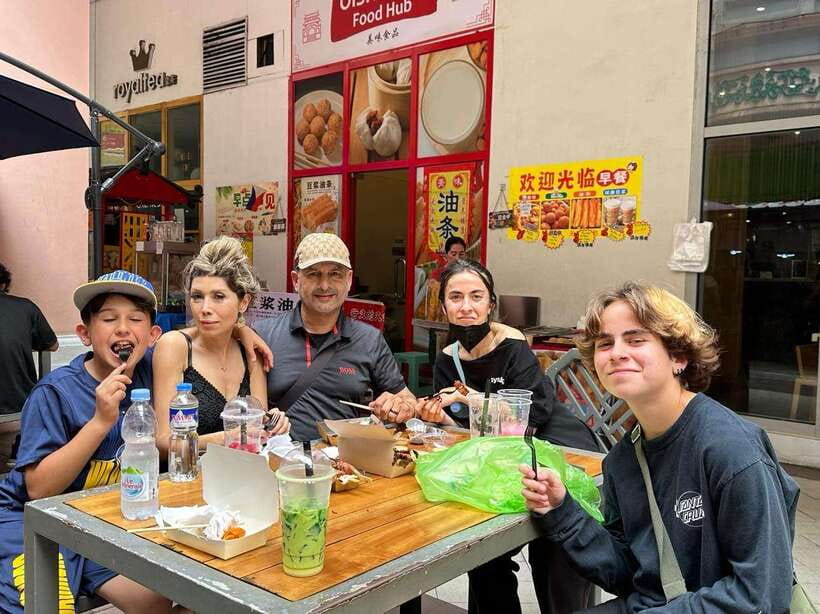
You should arrive hungry. The tastings may be small, but six to 10 portions add up quickly, especially when sweets and starches appear several times. One useful tip is simple: do not eat a full meal beforehand.
The balance of the menu is the one point I would watch. One visitor enjoyed the tour but wanted more savory food and fruit because there were many sweets. That is a fair concern for anyone who prefers a food tour built around grilled meat, noodles, or vegetables.
Still, the sweet focus can teach you something about Filipino food culture. Cassava cake, puto bumbong, egg tart, banana, and halo-halo show the range of desserts and snack foods sold in the city. If you prefer savory dishes, tell the guide early. The exact menu depends on availability, but a clear preference may help shape the choices when options exist.
The tour is not suitable for vegans or vegetarians, and the supplied information also excludes pregnant women. If you have allergies or dietary restrictions beyond those categories, the details provided do not confirm what adjustments are possible. Ask before booking rather than relying on the guide to solve the issue on the spot.
More street food tours in Manila:
- Makati Street Food Experience end with a Rooftop Bar
★ 5.0 · 33 reviews - Manila Street food and Night Market Tour
★ 4.7 · 21 reviews - Makati Street Food Tour Experience
★ 5.0 · 20 reviews - Makati Street Food tour Experience
★ 5.0 · 16 reviews
What the guide adds beyond the food
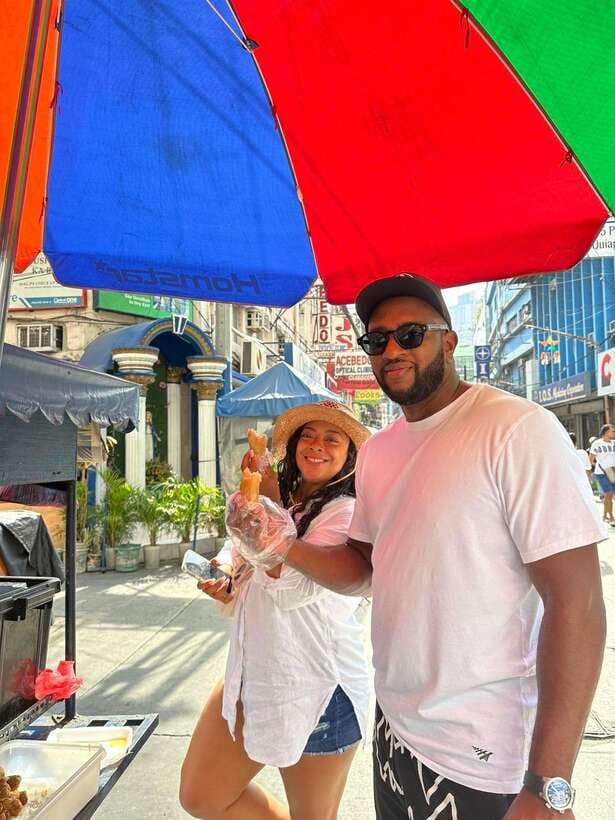
A good street-food guide does more than point at a stall. The guide explains what you are eating, helps you decide how adventurous to be, and keeps the route moving. That matters in a place where unfamiliar foods and fast-changing street conditions can make a first visit feel confusing.
V has been especially noted for strong vendor relationships, food choices, photos, and advice about other things to do in Manila. That combination is valuable for solo visitors. You can concentrate on eating and looking around instead of worrying about taking a photo at every stop.
Floyd has also received praise for hospitality and for making the transportation sections enjoyable. The guide names may vary by date, so do not assume you will receive one particular person, but Floyd and V are the guides most clearly associated with the experience.
The English and Tagalog language mix is another useful feature. The live tour is conducted in English, while Tagalog helps connect the guide with local vendors. That can make the food stops feel less like a transaction and more like a visit arranged by someone who knows the area.
A two-hour route with a quick pace
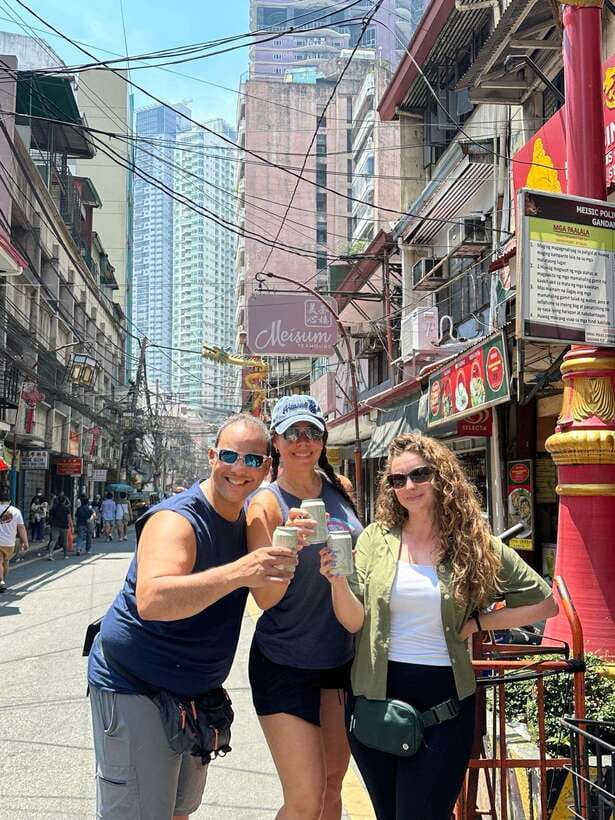
Two hours is enough for an introduction, not a full study of Manila’s food culture. You will likely move from stop to stop without long breaks, especially if the group reaches the maximum of 12 people.
That compact timing is ideal for a layover or a first afternoon in the city. It leaves room for other plans and gives you a practical sense of where to eat next. It also works well for solo visitors who want company without committing to a full-day program.
The limitation is depth. You may not have time to linger at every market, ask a long series of questions, or return to a favorite vendor. If you want a slow photography walk or a detailed historical tour, this is not the right format.
The tour also depends on the street supply. Food that is sold out, unavailable, or not being prepared may be replaced. I see that as part of the appeal, but you should think of the experience as a guided sampling route, not a guaranteed menu.
Is $63 a fair price?
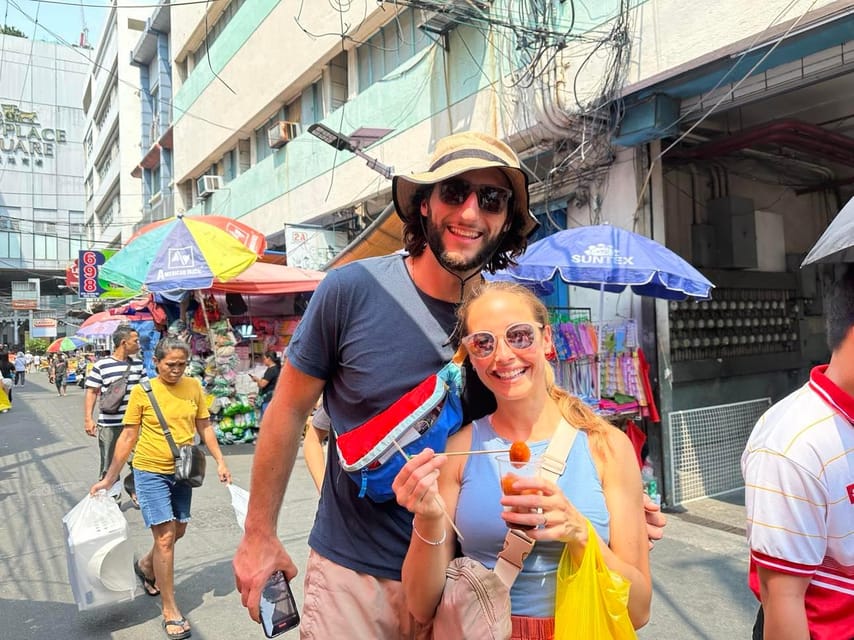
At $63 per person, this is not the cheapest way to buy street food in Manila. You could spend much less eating on your own. The value comes from the guide, the route planning, the food tastings, the transport experience, and the confidence of having someone lead you through unfamiliar neighborhoods.
For a short stay, that package can make sense. You are paying to avoid spending your limited time guessing where to go, what to order, and how to connect the stops. You also receive bottled water and a small-group experience rather than simply joining a large sightseeing group.
The price is easier to justify if you are visiting Manila for the first time, traveling solo, or using the tour during a layover. It is less compelling if you already know Tondo and Binondo, speak Tagalog, and are comfortable exploring street food without help.
Remember that the cost includes 6 to 10 food selections, but the exact items are not fixed. If you value a carefully planned tasting menu with equal amounts of savory food, fruit, and dessert, you may find the price less attractive. If you value access, guidance, and local transport, the calculation looks better.
Who will enjoy this tour most?
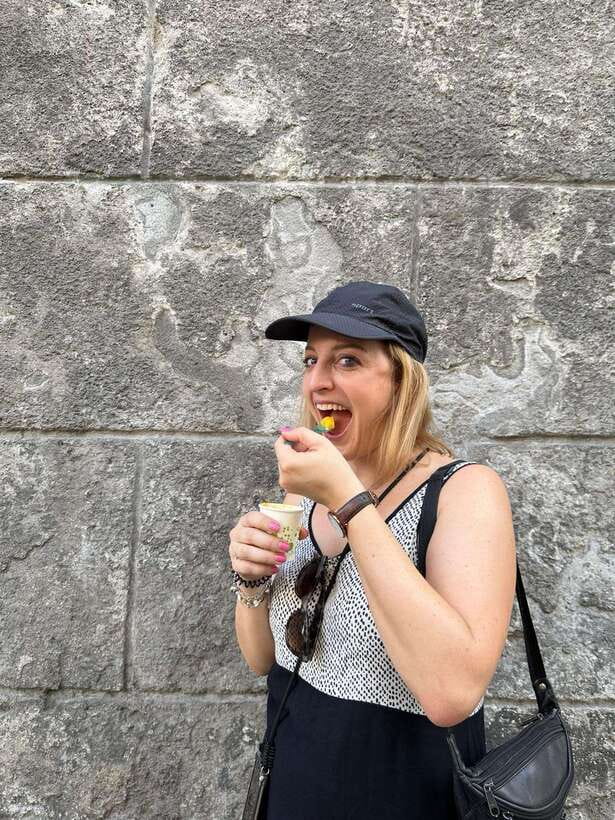
I would recommend it to curious eaters who want a compact introduction to Manila. It is particularly well suited to solo visitors, couples, and small groups who want a local guide without spending an entire day on a formal tour.
It is also a strong choice for people who want to try balut but would rather not face the experience alone. Your guide can explain the food, show you how it is eaten, and keep the mood light if you decide it is not for you.
The tour works for food enthusiasts who care as much about the setting as the dish. Eating in side streets, meeting vendors, and using local transportation gives you a closer look at daily city life than a standard restaurant meal.
You may want to skip it if you are vegetarian, vegan, pregnant, over 95, or unwilling to eat foods that vary by day. You should also think twice if you want a quiet, slow-paced outing or a menu built mainly around savory dishes.
Booking details that matter
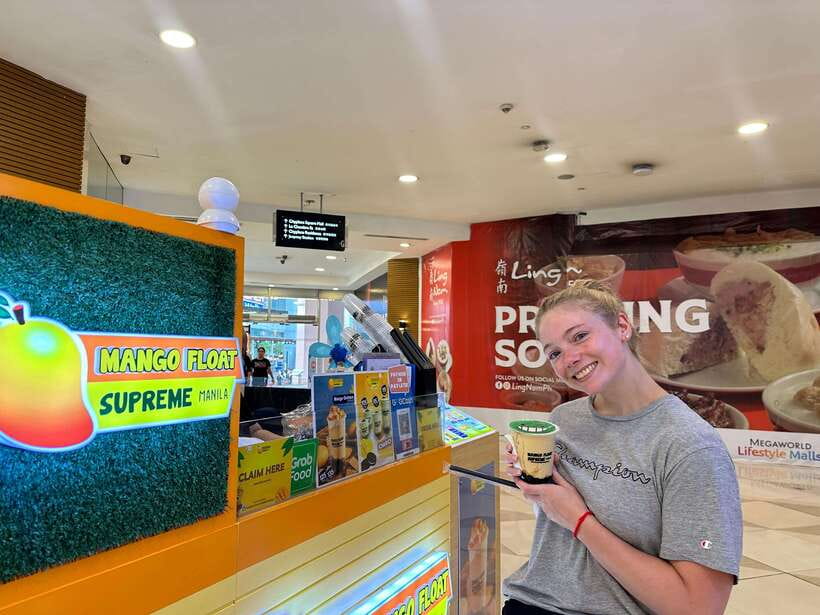
The activity lasts two hours and offers a live guide in English. The group can include up to 12 participants, and the price includes bottled water, food tastings, walking, and local transportation.
You meet outside the Bonifacio Monument at Tutuban Center Mall. The tour description identifies the route as downtown Tondo and Binondo in Manila, so check your transport time carefully before the start.
You can cancel up to 24 hours before the activity for a full refund, and the reserve-now, pay-later option keeps payment flexible. Starting times depend on availability, so check the date you want before making plans around it.
Should you book the Manila Street Food Tour?
Book it if you have limited time and want one friendly, food-focused introduction to Manila. The strongest reasons are the small group, the local transport, the broad tasting list, and the care shown by guides such as V and Floyd.
Go in hungry, expect the menu to change, and be ready for a sweet-heavy selection. If that sounds appealing, $63 buys more than snacks: it buys a planned route through Tondo and Binondo, help with unfamiliar foods, and a practical first look at Manila from street level.
FAQ
Where does the Manila Street Food Tour meet?
The meeting point is outside the Bonifacio Monument at Tutuban Center Mall.
How long does the tour last?
The tour lasts two hours.
How many foods will I taste?
You can expect between six and 10 food tastings. The exact selection depends on what is available in the street that day.
What food might be included?
Possible foods include kwek kwek, balut, halo-halo, puto bumbong, banana, cassava cake, chicken afritada, and egg tart.
Is transportation included?
Yes. Local transportation is included along with walking between food stops.
Is the tour conducted in English?
Yes. It includes a live English-speaking guide, with guides who speak English and Tagalog.
How large is the group?
The tour is limited to 12 participants.
Is the tour suitable for vegetarians or vegans?
No. The supplied tour information lists vegans and vegetarians as not suitable for this experience.
Can I cancel for a refund?
Yes. You can cancel up to 24 hours in advance for a full refund.
Just added around Manila
- 3 Days Private Tour in Banaue Ifugao visiting Batad Rice Terraces★ 3.5 · 3 reviews
- Unforgettable Manila Fishing Village Day Excursion 2024★ 5.0 · 4 reviews
- indigenous Forest experience Manila 2023★ 5.0 · 4 reviews
- Cultural Dinner and Show in Manila★ 5.0 · 4 reviews
- Shared Old Manila Tour★ 5.0 · 5 reviews
- Shared Cruise Shore Excursion of Manila Old and New City Tour★ 4.0 · 10 reviews
- 5 Days Sagada Banaue Batad Discovery (PRIVATE GROUP TOUR Max 6 Travellers)★ 5.0 · 16 reviews
- Private Departure Airport Transfer in Manila Bay and Makati Area★ 5.0 · 3 reviews
Street Food Tours, compared.
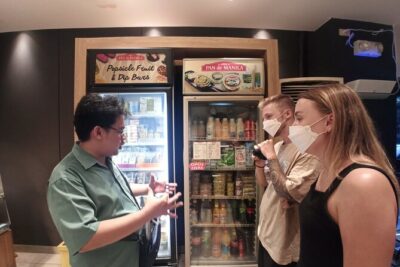
Manila Food Tour: Introduction to Philippine Street Food
Read our review →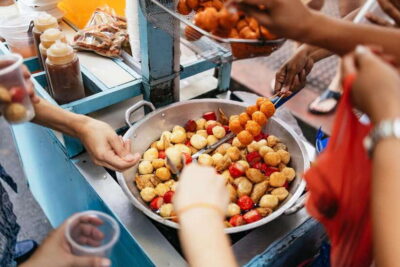
Street Food and Drinks Walking Tour with Tastings
Read our review →
Makati Street Food Experience end with a Rooftop Bar
Read our review →
Makati Street food Tour, End with a Rooftop City View
Read our review →Browse the lists this tour appears in