
Reviewed · STREET FOOD TOURS
Manila Street food and Night Market Tour
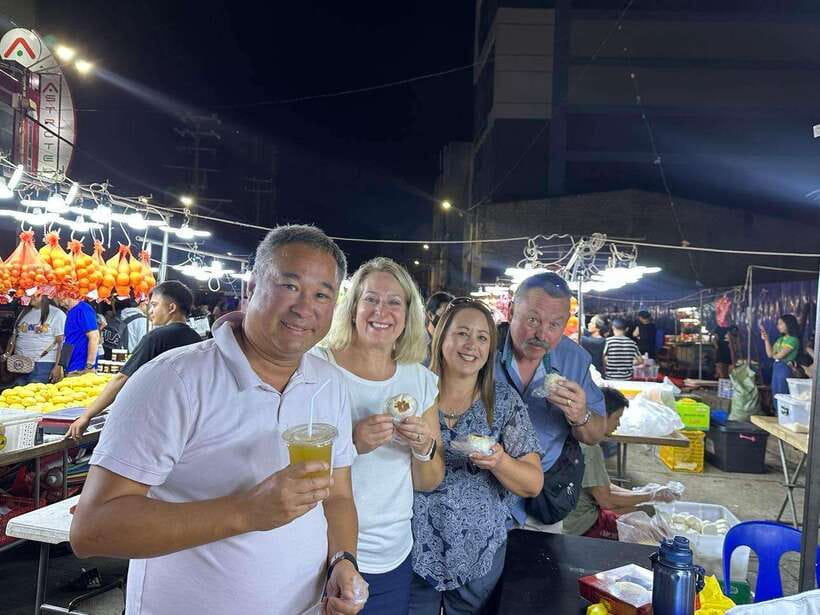
Manila’s street-food scene makes the most sense at night, when market stalls, food carts, bargain shops, and passing jeepneys all share the same narrow city streets. This tour links Tutuban Night Market, Divisoria, Binondo, and Pasig Esplanade in two hours, giving you a quick taste of Manila life rather than a polished sightseeing circuit.
I like the practical food guidance, especially learning how to order snacks the local way. I also like the mix of transport, market walking, and riverside views, with guides Floyd or Venus helping you move through places that can feel confusing on your own.
The main drawback is the tight schedule. Two hours is enough for a sampler, not a leisurely food crawl, and the walking, crowds, and unfamiliar dishes may not suit picky eaters or anyone who prefers a quiet evening.
Key points to know before booking
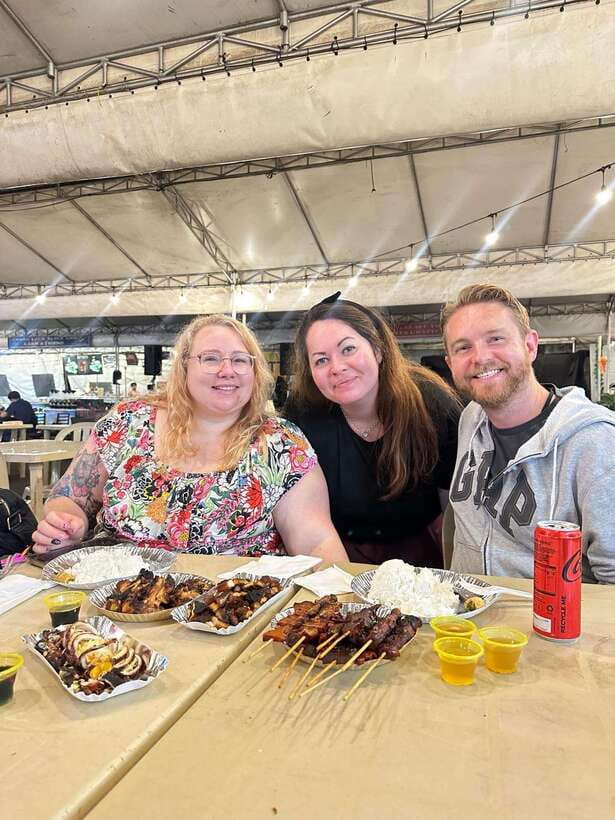
- Tutuban begins the food lesson: Try Filipino favorites such as isaw, balut, and kwek-kwek in a busy night-market setting.
- Divisoria shows everyday Manila: Ilaya Street combines low-cost shopping with snacks such as taho and banana cue.
- Binondo adds Chinese-Filipino flavors: Expect siopao, dumplings, and bakery stops in Manila’s Chinatown.
- Floyd and Venus lead in English: Their role includes explaining food, helping you order, and guiding you through crowded streets.
- Transport is part of the fun: A tuk-tuk or jeepney ride connects sections of the route.
- The tour ends by the river: Pasig Esplanade offers a calmer finish with city lights and riverside views.
A fast, flavorful introduction to Manila after dark
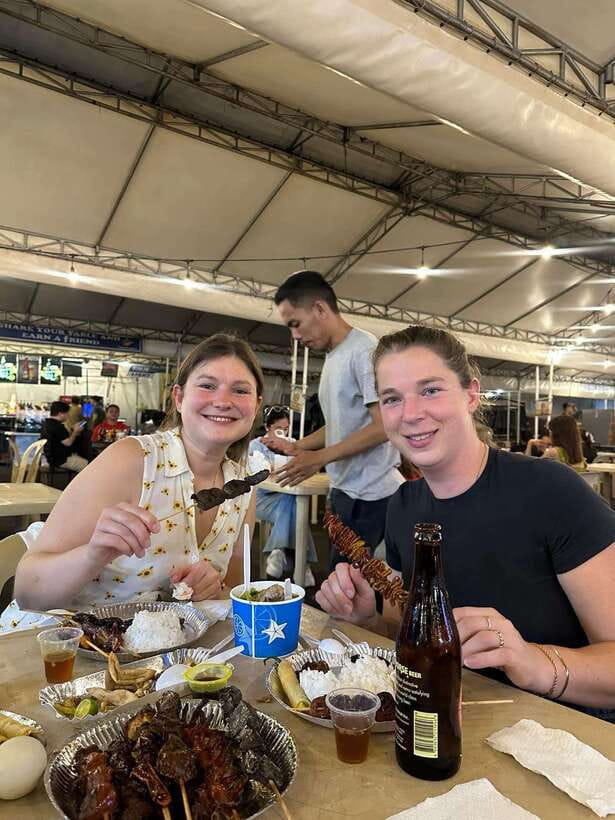
This is not a formal restaurant tour. It is a short walk through working market districts, where food is cooked in small stalls and served quickly to people who live and work nearby.
That difference matters. You are not simply tasting Filipino dishes in a comfortable dining room. You are seeing where affordable food fits into daily Manila life, how locals choose snacks, and how a guide can help you approach dishes you might otherwise skip.
At $68 per person, the price is higher than buying street food by yourself. The value comes from the guide, the route, the local transport, the food explanation, and the confidence of having someone lead you through several busy areas in a short time.
The tour is especially useful early in a Manila visit. It gives you a first look at local food and teaches you names you can use later. If you already know Tutuban, Divisoria, Binondo, and Filipino street food well, the cost may feel less attractive.
More Evening Tours in Manila
- Makati Nightlife: VIP Access to Clubs, Rooftops & Go-Go Bars
★ 4.9 · 278 reviews - Manila: Guided Sunset Bamboo Bike Tour in Intramuros
★ 4.8 · 119 reviews - Manila: Guided Night Market Experience
★ 5.0 · 54 reviews
Starting at Tutuban Night Market
The tour begins at Tutuban Center, with the meeting information also referring to the Bonifacio Monument and Tutuban Center Mall area. Confirm the exact meeting point before setting out, and use the supplied WhatsApp number, 09980864564, if you need to contact the operator.
Tutuban gets the first 30 minutes. That is enough time to get your bearings, see the market’s food stalls, and sample several quick bites without using up the evening.
This is where you may encounter:
- Isaw, grilled intestines served as a popular street snack
- Balut, a fertilized duck egg with a soft, cooked embryo
- Kwek-kwek, battered and fried quail eggs
These foods are a useful test of your travel appetite. Isaw and balut can be challenging if you are not used to eating animal parts, while kwek-kwek is an easier first step for many people. You do not need to pretend every dish will suit you. The point is to understand what people eat and why these foods matter in local street life.
Floyd or Venus can also help you order and explain what you are seeing. That support is valuable here because market stalls may move quickly, and food names are not always obvious from the display.
You should arrive ready to walk and stand. Tutuban is about observation as much as eating, with the sound and movement of the market forming part of the experience. If you want a relaxed, sit-down meal, this first stop will feel rushed.
Ilaya Street and the everyday side of Divisoria
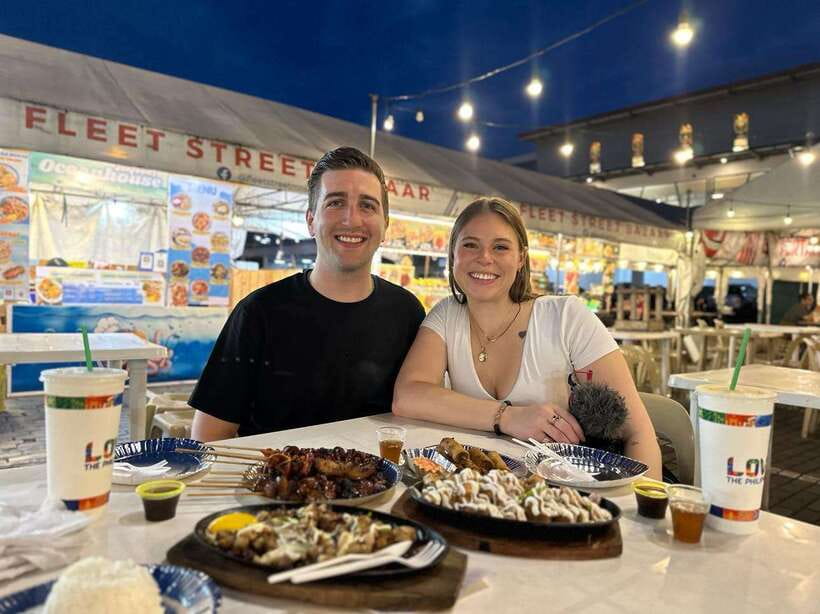
The next stop takes about 20 minutes on Ilaya Street in Divisoria. This is a short visit, but it changes the focus from food alone to the broader street-market scene.
Divisoria is known for affordable goods, and Ilaya Street gives you a look at colorful stalls and local shopping. You may see food and merchandise competing for space, which helps explain why this area feels more like a working commercial district than a sightseeing attraction.
The snack choices here include taho, silken tofu served with syrup, and fried banana cue. Taho is soft, sweet, and usually easy to try. Banana cue is a simple fried banana snack with a sugary coating, a good choice if you need something familiar between more adventurous tastings.
This portion of the tour is also where the local ordering lesson becomes practical. You are not just hearing food names. You are learning how to ask for them, choose a portion, and follow the guide’s lead at a crowded stall.
Twenty minutes goes quickly. You will not have much time for serious shopping or a long look at every stall. Think of Ilaya Street as a brief window into Divisoria, not a full market visit.
Binondo brings Chinese-Filipino flavors
The tour spends about 40 minutes in Binondo, Manila’s Chinatown. This is the longest stop, and it gives the food route a useful change of pace.
Binondo’s food culture reflects the long connection between Chinese and Filipino communities in Manila. Here, you may stop at street stalls or bakeries for siopao, steamed buns, and dumplings.
These foods are gentler introductions for anyone who feels uncertain about balut or isaw. Siopao is familiar in texture to many people, while dumplings offer a link between Chinese cooking and the Filipino city around you.
The Chinatown portion also adds context to the meal. You are not simply collecting snacks from unrelated stalls. You are moving through different food traditions within the same city, seeing how Manila’s neighborhoods shape what people eat.
Forty minutes is enough to taste and look around, but it still leaves little room for lingering. If a bakery catches your attention, you may need to choose between another snack and more sightseeing. That is the tradeoff of this tour: a wide sample in a short period instead of one district explored at a slow pace.
The guide matters here. Floyd has been praised for keeping the mood easy and explaining food and Manila stories clearly. Venus is described as professional, friendly, and well prepared. Both names appear in the tour information, so check who is assigned when booking if you have a preference, though the operator does not promise a specific guide.
More Food Tours in Manila
- Manila Food Tour: Introduction to Philippine Street Food
★ 5.0 · 417 reviews - Manila Food Tour: Explore World’s Oldest Chinatown
★ 5.0 · 158 reviews - Manila: Street Food and Drinks Walking Tour with Tastings
★ 4.8 · 114 reviews - Manila: Sightseeing and Food Walking Tour with Tastings
★ 4.7 · 68 reviews
A quieter finish at Pasig Esplanade
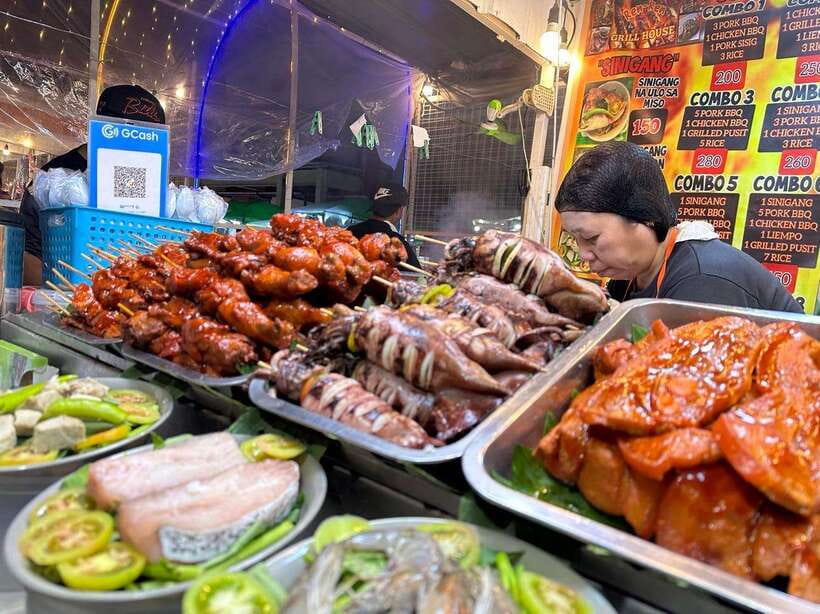
The final 30 minutes move away from the market streets to Pasig Esplanade. This gives the evening a needed pause after the close-packed food stops.
You can take a final stroll, enjoy riverside views, and see the city lights reflected around the Pasig River area. A light snack may be available, but the main purpose of this section is to slow down and finish the route in a more open setting.
This ending works well because the tour does not leave you in the middle of the market rush. You get a little time to talk with the guide, compare the foods you tried, and take photographs.
The listed itinerary says the tour finishes at Manila City Hall. Since the route description identifies Pasig Esplanade as the final stop, confirm the exact end point before making plans for dinner or transport afterward. The included photography is another useful touch, particularly if you are traveling alone and want photos from the evening.
What the transport adds
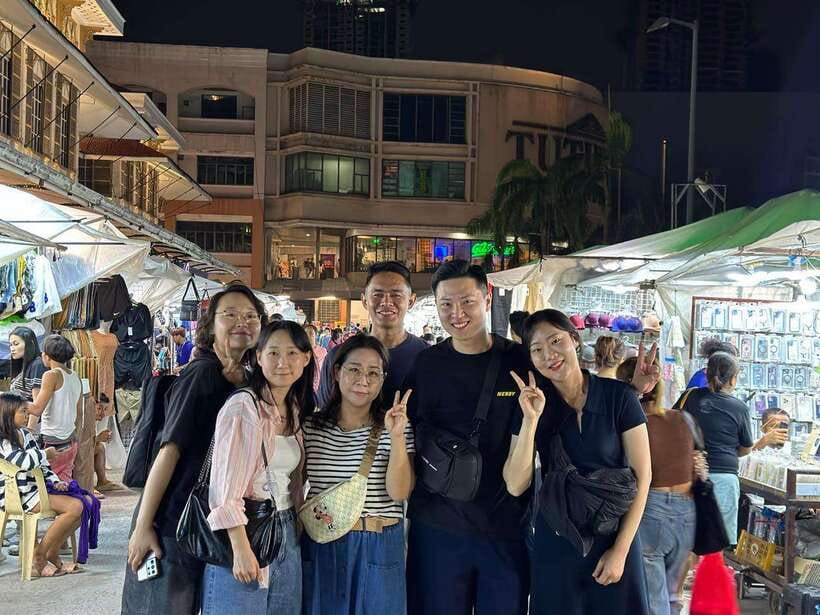
A tuk-tuk ride or jeepney ride is included. The exact vehicle may depend on the route and conditions, but either option adds a real Manila detail that a private car would miss.
A jeepney is one of the city’s familiar forms of public transport, while a tuk-tuk keeps the ride short and local. These are not sightseeing vehicles in the usual sense. They are part of how people move through the city, and using one helps connect the neighborhoods without turning the entire tour into a long walk.
The rides also give your feet a break. This is important because the experience is described as a walking tour, and the markets require time on foot. Wear practical shoes and expect uneven or crowded streets.
Traffic can affect timing. One participant arrived late because of Manila traffic, and the guide was patient. That is reassuring, but you should still allow extra time to reach the meeting point. A delayed start can reduce time at the later stops.
Food expectations and how adventurous you need to be
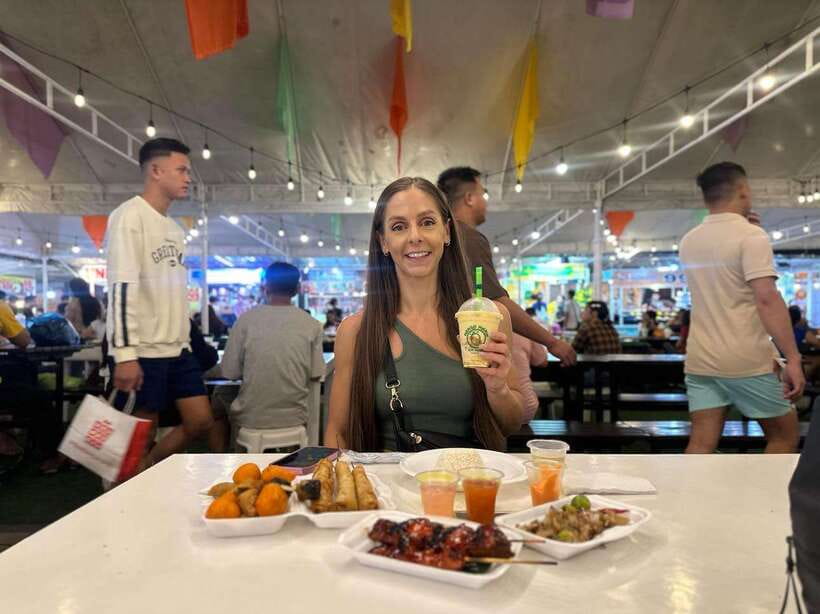
You should approach this tour with curiosity, not a checklist. The foods named in the route range from easy snacks such as banana cue and dumplings to dishes that may challenge first-time visitors, particularly balut and isaw.
You can ask the guide what each food contains and how it is normally eaten. That is one of the strongest reasons to take a guided food walk. You get cultural context and practical help instead of guessing at a stall.
Tell the operator about food allergies before the tour. The experience includes tasting, and the supplied information specifically asks you to report allergies. Do not assume every snack can be adjusted.
Picky eaters should think carefully before booking. The tour works best if you are willing to try at least a few unfamiliar foods. You do not need to like everything, but refusing most dishes will reduce the value of the experience.
How much value does $68 offer?
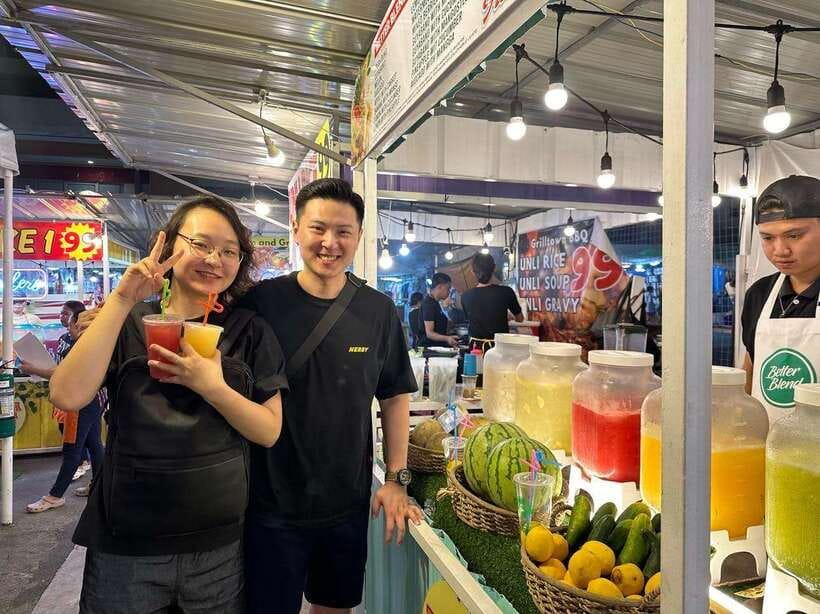
At $68, this is not a bargain if you measure value only by the amount of food. Street snacks in Manila cost far less when bought independently.
The price makes more sense if you want a guided introduction to several districts in one evening. You are paying for English guidance, route planning, food explanations, help with ordering, a tuk-tuk or jeepney ride, and photography. The tour also reduces the stress of working out where to go next in busy market areas.
The 4.7 rating from 21 recorded ratings supports the idea that the guides are a major part of the value. Floyd receives repeated praise for being funny, patient, reassuring, and good at explaining local food. Venus is described as friendly, professional, and able to give a direct look at local Manila life.
Still, two hours limits what the tour can deliver. You will get samples, not a full dinner. If you want a long meal, extensive shopping, or a detailed historical tour, you may find the pace too quick for the price.
Who will enjoy this tour most?
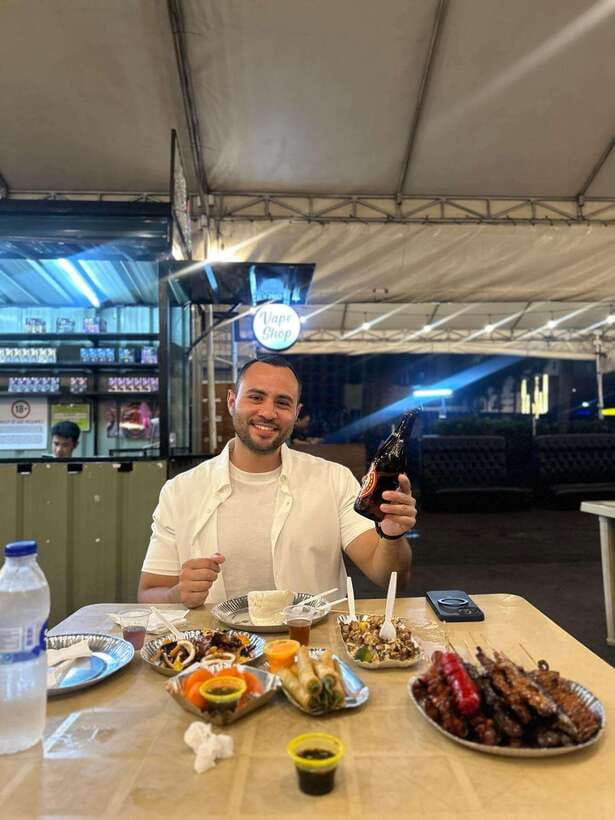
I would choose this for a first visit to Manila, a short stay, or a long layover when you want more than an airport-area meal. One solo participant used it during a long layover and appreciated having a guide who helped make unfamiliar food feel approachable.
It also suits travelers who want direct contact with local neighborhoods and do not mind some disorder. The route is not designed for people seeking polished streets, quiet dining, or a fixed restaurant menu.
You should book if you:
- Like trying unfamiliar food
- Want an English-speaking local guide
- Prefer markets and street scenes to formal attractions
- Have only a short amount of time
- Enjoy short rides mixed with walking
- Want help understanding how to order Filipino snacks
You may want another option if you have serious food restrictions, dislike crowded markets, or need a slow pace. Tell the operator about allergies before booking, and remember that this is a walking tour.
Free cancellation is available up to 24 hours before the start for a full refund, and you can reserve now and pay later. Those terms help if your Manila plans are still shifting.
Should you book it?
Book this tour if you want a compact, guided introduction to Manila food and street life, especially on your first evening in the city. Floyd and Venus bring the personal side of the experience, while the route gives you four distinct settings in only two hours.
The strongest reason to go is not the quantity of food. It is the combination of local guidance, market access, short public transport rides, and the chance to try dishes you might skip alone.
Skip it if you want a slow food crawl or if balut, isaw, and crowded market streets sound unpleasant. For an open-minded eater with limited time, $68 buys useful orientation and a memorable first look at Manila beyond the usual tourist stops.
FAQ
Where does the tour start?
The tour starts at Tutuban Center. The meeting information also refers to the Bonifacio Monument and Tutuban Center Mall area, so confirm the exact meeting point before setting out.
Where does the tour finish?
The itinerary states that the tour finishes at Manila City Hall. The route description identifies Pasig Esplanade as the final stop, so confirm the exact end point with the operator.
How long does the tour last?
The tour lasts two hours. The route allows 30 minutes at Tutuban Night Market, 20 minutes on Divisoria’s Ilaya Street, 40 minutes in Binondo, and 30 minutes at Pasig Esplanade.
What food might I try?
Possible tastings include isaw, balut, kwek-kwek, taho, banana cue, siopao, and dumplings. The tour includes Filipino food tasting and may include street stalls or bakeries.
Who leads the tour?
The tour is led in English by Floyd or Venus. Photography is included as part of the experience.
Is transport included?
Yes. A tuk-tuk ride or jeepney ride is included. The tour also involves walking through the market and neighborhood areas.
What happens if I have a food allergy?
Tell the operator about your allergies before the tour. Food tasting is part of the experience, so this information is important for planning what you can try.
More Market Tours in Manila
- Manila’s Culinary Expedition: The Ultimate Food and Market Tour
★ 5.0 · 42 reviews - Explore Manila Slums and Hidden Market
★ 4.9 · 41 reviews - Private Market Tour and Filipino Cooking Class in Manila with Isi
★ 4.5 · 15 reviews - Manila Night Market with Local Guide
★ 4.7 · 12 reviews
More Street Food Tours in Manila
- Makati Street Food Experience end with a Rooftop Bar
★ 5.0 · 33 reviews - Makati Street Food Tour Experience
★ 5.0 · 20 reviews - ⭐ Manila Street Food Tour in the Downtown, Eat and Drink⭐
★ 4.6 · 19 reviews - Makati Street Food tour Experience
★ 5.0 · 16 reviews
Just added around Manila
- 3 Days Private Tour in Banaue Ifugao visiting Batad Rice Terraces★ 3.5 · 3 reviews
- Unforgettable Manila Fishing Village Day Excursion 2024★ 5.0 · 4 reviews
- indigenous Forest experience Manila 2023★ 5.0 · 4 reviews
- Cultural Dinner and Show in Manila★ 5.0 · 4 reviews
- Shared Old Manila Tour★ 5.0 · 5 reviews
- Shared Cruise Shore Excursion of Manila Old and New City Tour★ 4.0 · 10 reviews
- 5 Days Sagada Banaue Batad Discovery (PRIVATE GROUP TOUR Max 6 Travellers)★ 5.0 · 16 reviews
- Transfers from Manila, Makati, Taguig and Pasay Hotel to Airport★ 4.0 · 6 reviews
Street Food Tours, compared.
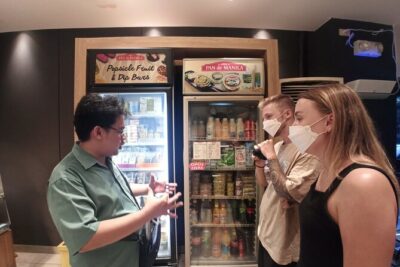
Manila Food Tour: Introduction to Philippine Street Food
Read our review →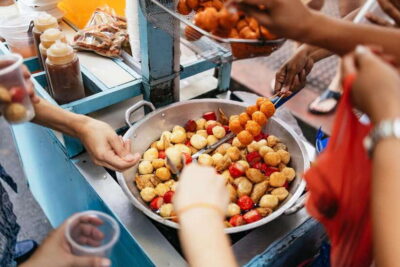
Street Food and Drinks Walking Tour with Tastings
Read our review →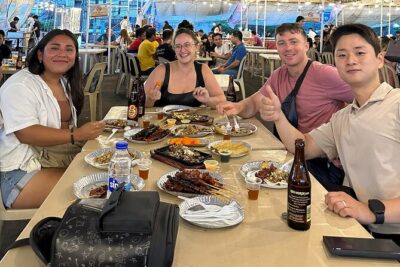
Makati Street Food Experience end with a Rooftop Bar
Read our review →
⭐ Manila Street Food Tour in the Downtown, Eat and Drink⭐
Read our review →
Makati Street food Tour, End with a Rooftop City View
Read our review →Browse the lists this tour appears in