
Reviewed · STREET FOOD TOURS
Manila Food Tour: Introduction to Philippine Street Food
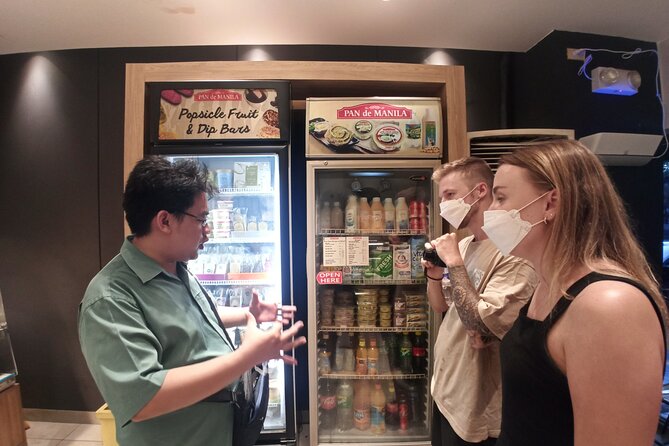
Manila’s best food often hides behind busy roads and confusing choices. This three-hour tour gets you into a real Mandaluyong neighborhood, where family-run eateries, bakeries, bars, and food stalls serve the people who live there. You move by tricycle, eat more than 15 dishes and drinks, and finish with something cool and sweet.
I like the local setting and the range of food, from steamed dumplings and skewered meat to sizzling snacks and bakery desserts. I also like the useful guidance from people such as Chloe and Jian, who can explain Filipino food and point you toward good places to eat around Metro Manila. The main drawback is that the tour is not suitable for vegans, and the rain-or-shine format means you need to dress for the weather.
Key points to know before you book
- More than 15 tastings in three hours: Come hungry, since the stops cover savory food, drinks, dessert, and beer.
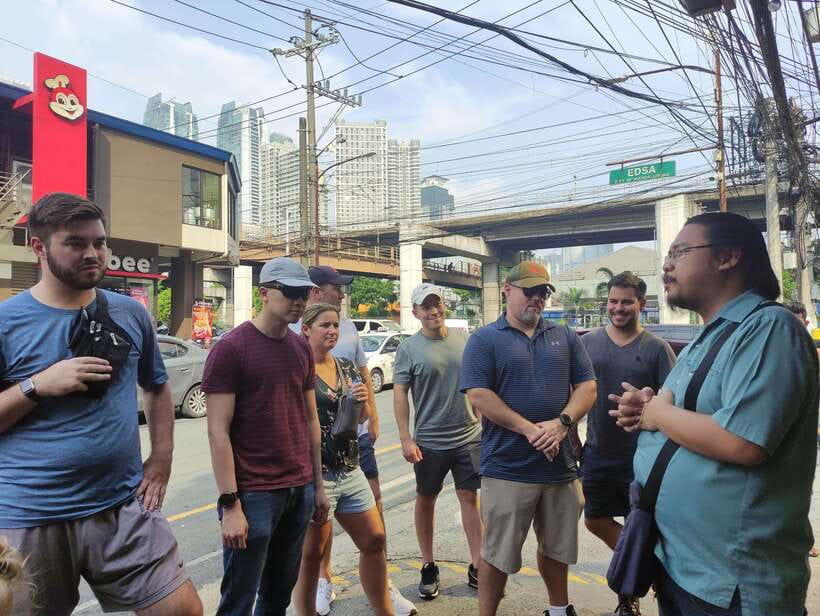
- A proper local neighborhood: You eat away from a tourist strip, in Mandaluyong City near California Garden Square.
- A short tricycle ride adds local flavor: The tour begins at Starbucks before moving into the area where the tastings take place.
- Guides add personal food advice: Chloe and Jian have provided warm, story-filled tours with useful context about Filipino dishes and local history.
- Good value for a food-focused afternoon: The $60 price includes food, alcoholic and nonalcoholic drinks, bottled water, and an English-speaking guide.
- Not for vegan diners: The tour focuses on classic Filipino street food and offers no vegan suitability.
Starting at California Garden Square
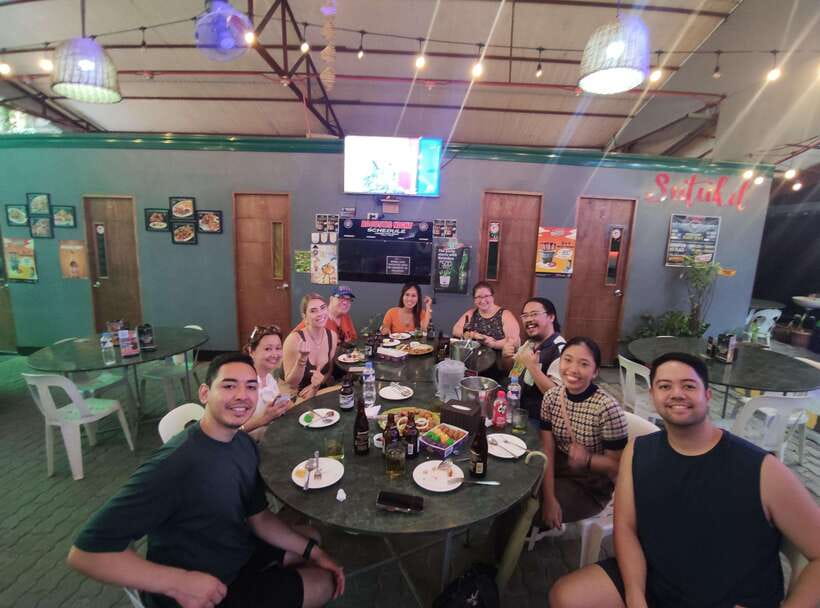
Your meeting point is inside the Starbucks near the main gate of California Garden Square in Mandaluyong City. This is a practical place to begin because you can find the guide, use the café as a clear landmark, and get a short orientation before the food starts.
The tour does not include hotel pickup or drop-off, so you need to reach the meeting point yourself. Build that into your plans. Once everyone is together, the group takes a short tricycle ride to the first food area.
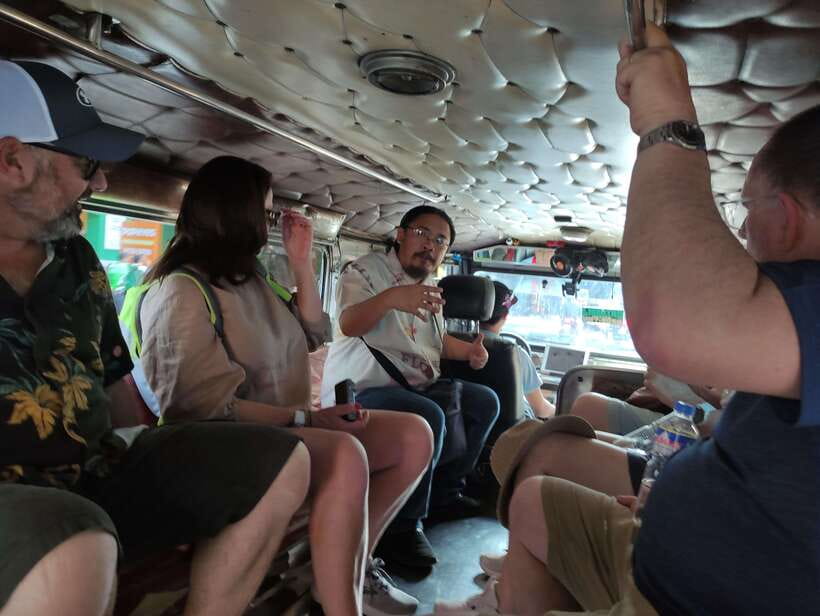
That ride is part of the appeal. You are not simply walking from one restaurant designed for visitors to another. The route brings you into an everyday Filipino neighborhood, and the tricycle gives you a quick look at how local transportation works. It is a small detail, but it helps the afternoon feel connected to the place rather than staged for tourists.
More Food Tours in Manila
- Manila Food Tour: Introduction to Philippine Street Food
★ 5.0 · 417 reviews - Manila Food Tour: Explore World’s Oldest Chinatown
★ 5.0 · 158 reviews - Manila: Street Food and Drinks Walking Tour with Tastings
★ 4.8 · 114 reviews
Why the neighborhood matters
A street-food tour works best when the setting is as useful as the food. Here, the stops are in an area where local families eat, shop, and meet. That makes the tour a good choice if you want to see a less polished side of Metro Manila and learn how food fits into ordinary city life.
You will not be eating from one large buffet or sampling only familiar dishes. The food comes from a mix of local restaurants, vendors, bakeries, and a bar. Each stop offers a different type of Filipino food, so the tour gives you a broad first look rather than a single specialty.
This also helps with a common Manila problem: knowing where to begin. The city has countless places to eat, but a first-time visitor may not know which ones are worth the effort. A local guide can explain what is typical, what is worth seeking out, and how dishes fit into Filipino eating habits.
The setting may feel less comfortable than a restaurant district aimed at international visitors. Pavements, traffic, weather, and noise are part of the city experience. If you want a quiet meal in an air-conditioned dining room, this is not the right format. If you want to understand Manila through its everyday food, the neighborhood setting is a strong reason to book.
The first food stops: dumplings, grills, and fried snacks
The early tastings introduce several familiar categories of Filipino street food. Expect steamed dumplings, grilled meat on skewers, deep-fried savory items, and sizzling dishes. The exact sequence can vary, but the idea is to build a meal from small portions at several local stops.
Steamed dumplings are an easy opening. They are familiar enough to help you settle in, but they also show how Filipino street food has connections with wider Asian food traditions. Your guide can give you the local context rather than leaving you to guess what is on the plate.
Grilled meat on skewers brings a different flavor and texture. These are the sorts of snacks that are easy to understand once you taste them, but more interesting when you know how they fit into local eating. You get a chance to compare the grilled items with the fried dishes that follow.
The fried food is likely to be the most filling part of the early route. Small savory treats are useful on a tasting tour because you can try several without committing to a full plate. Still, the portions add up quickly. Pace yourself and remember that the tour includes more than 15 food and drink tastings.
The sizzling dishes add heat, sound, and a more substantial bite. These stops show that Filipino street food is not limited to quick snacks. You may encounter food that arrives hot and cooked to order, giving the group a chance to eat it at its best.
Local restaurants instead of a single set menu
Four local restaurant stops are included in the route. That matters because the afternoon is not built around one fixed meal. You move through different venues and get a sense of how food is served in several types of local businesses.
A multi-stop route also lets you try more than one style of Filipino cooking. One place may focus on dumplings, another on grilled food, and another on fried or sizzling dishes. You do not need to research each stop in advance. The guide handles the route and explains what you are eating.
I would treat this as a tasting meal, not a formal restaurant lunch. You may eat standing or in simple surroundings, and the rhythm is likely to be quicker than a standard sit-down meal. That keeps the tour moving, but it also means you should not expect long breaks at each restaurant.
The best part is the variety. The compromise is that you do not control every dish. If you have strong dislikes, tell your guide early. Jian has adjusted tastings for a diner who preferred less sweet food, so it is worth speaking up about your tastes rather than quietly skipping half the route.
More street food tours in Philippines:
- Makati Street Food Experience end with a Rooftop Bar
★ 5.0 · 33 reviews - Manila Street food and Night Market Tour
★ 4.7 · 21 reviews - Makati Street Food Tour Experience
★ 5.0 · 20 reviews - ⭐ Manila Street Food Tour in the Downtown, Eat and Drink⭐
★ 4.6 · 19 reviews
Bakery stops and the sweet side of Filipino food
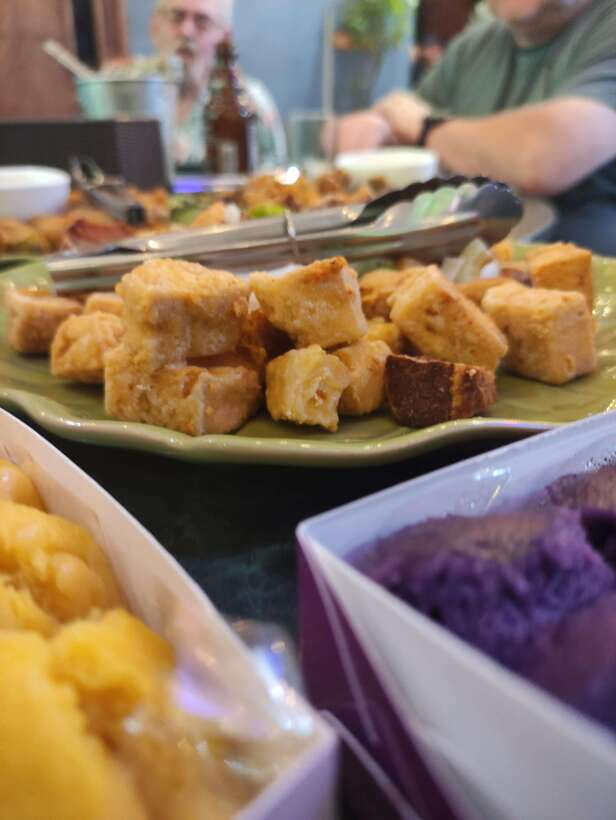
The route includes a local bakery and a final bakery stop for dessert. These visits widen the picture beyond meat, dumplings, and fried snacks. Filipino bakeries are part of daily life, and a bakery tasting can show you the softer, sweeter side of local food.
The first bakery appears as one of the daytime tasting stops. The final bakery provides dessert after the bar visit, followed by the return to the starting point. That order gives the tour a clear finish: savory foods first, drinks later, then a cool and sweet treat.
If you do not usually eat much sugar, pace yourself. The tour includes juices and dessert, and sweet flavors may appear at several points. Again, your guide can help you make choices. The route is not designed only for people with a sweet tooth, but the last stop does give the meal a pleasant ending.
A local bar with beer and more food
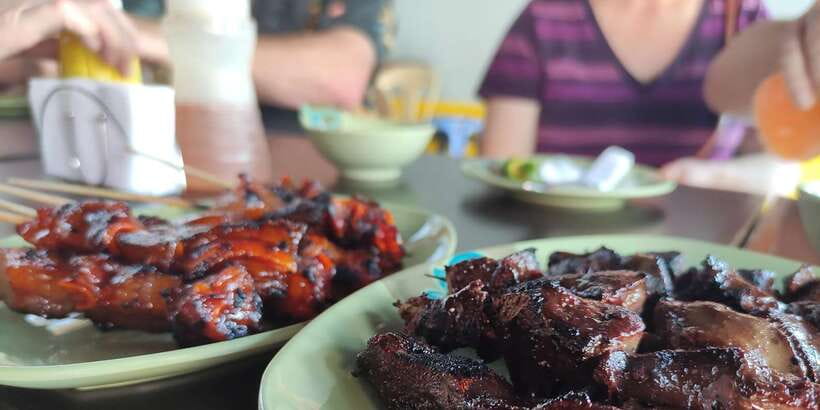
The bar stop includes beer and another food tasting. This is a useful part of the tour because Filipino food is often enjoyed with drinks, not separated from them. You can try local beer alongside the food and compare that with the nonalcoholic juices served during the route.
Alcoholic and nonalcoholic beverages are included, as is bottled water. You do not need to buy your own drinks as you go, although the information provided does not specify the exact brands or quantities. If you do not drink alcohol, you can use the juice or other nonalcoholic options instead.
The bar also gives the group a chance to slow down. After several tastings, a drink and another small dish can feel like a natural pause before dessert. It is still a food tour, not a nightlife outing, so do not book it expecting a late evening bar crawl.
The guides make the food easier to understand
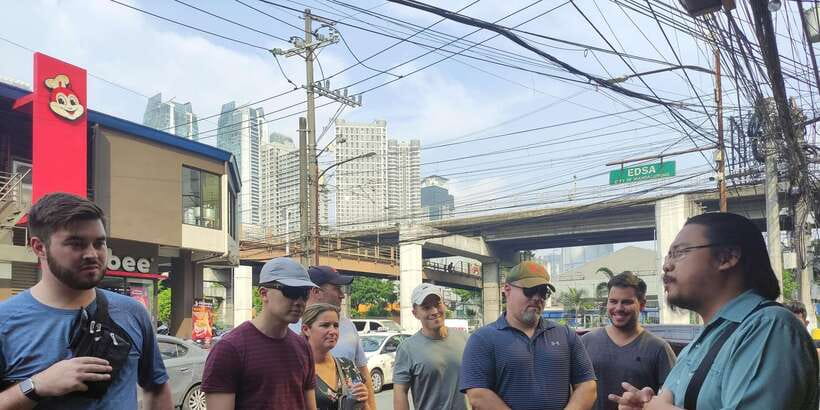
The tour is led in English, and the guide is one of its most important parts. Food is more enjoyable when you know what you are tasting, how locals eat it, and what makes one version different from another.
Chloe has led the route with warmth, humor, and practical knowledge. She also helped one diner find balut, even though it was not normally part of the tour. That does not mean balut is guaranteed or included, but it shows the value of telling your guide if there is a particular Filipino food you want to try.
Jian brings another strength. He connects Filipino dishes with food traditions from other parts of the world and adds local history to the meal. His storytelling can make the afternoon feel more like time spent with a food-loving local than a series of quick samples.
Guide availability can change, so you should not book solely because you want one particular person. The useful point is that the tour has benefited from guides who know the neighborhood and enjoy talking about food. Ask questions as you go. This is where you get the insider advice about places to eat and drink elsewhere in Metro Manila.
What $60 gets you
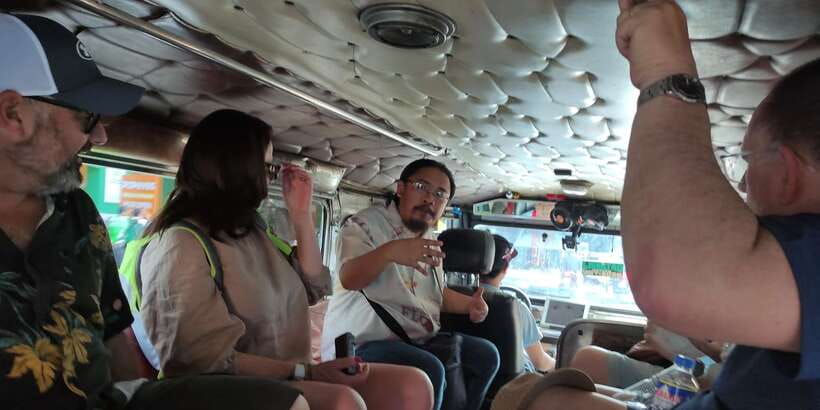
At $60 per person, the tour is not the cheapest way to eat in Manila. You could certainly spend less by choosing individual street-food stops yourself. The value comes from the organization, access to local venues, transportation by tricycle, more than 15 tastings, drinks, water, and a guide who helps you make sense of the food.
You are also paying to avoid guesswork. Finding a good sequence of local restaurants and vendors can take time, and some visitors may feel uneasy ordering unfamiliar food without help. This tour gives you a structured introduction in three hours.
The price makes the most sense if you want a concentrated start to your Manila visit. Take notes about the dishes you enjoy and ask where to return later. The tour can function as both a meal and a practical food orientation.
The value is weaker if you eat very little, avoid meat and seafood, do not drink any beverages, or prefer to choose every dish yourself. It is also not suitable for vegans. Vegetarians should ask about the available options before booking, since the supplied information only specifically excludes vegans.
Timing, clothing, and comfort
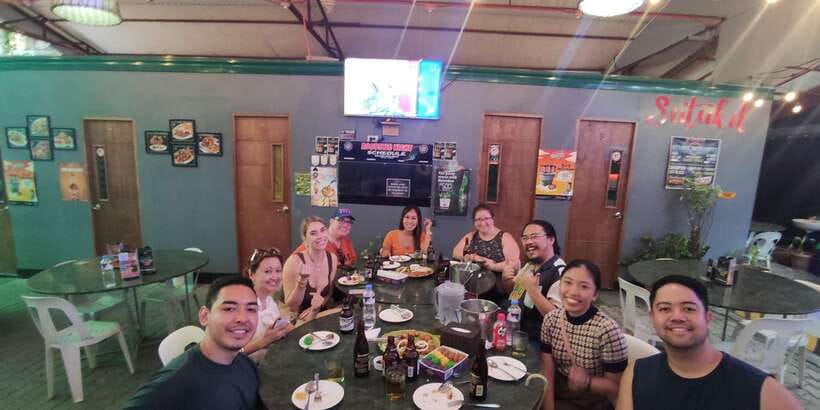
The tour lasts three hours, but that time includes movement between stops, tastings, drinks, and the return to Starbucks. You should arrive ready to eat soon after the orientation and avoid having a large meal beforehand.
Wear comfortable shoes and comfortable clothes. You will be moving between venues and taking a tricycle, so formal clothing would be unnecessary. The tour runs rain or shine. Carrying a light rain layer or umbrella is sensible, although those items are not listed as included equipment.
The route is food-centered rather than physically demanding, but weather and city conditions can affect your comfort. If rain would ruin your afternoon, check the forecast and use the free cancellation policy, which allows cancellation up to 24 hours before the tour for a full refund.
Who should book this food tour?
I would recommend it to first-time visitors who want a guided introduction to Filipino food without spending a full day on a formal sightseeing tour. It also suits returning visitors who have seen the main attractions and want to spend an afternoon in a local neighborhood.
Food lovers will get the most from it, especially people who enjoy trying several small portions and asking questions. The tour also works well for anyone who wants practical restaurant advice for the rest of a Manila stay.
I would be cautious if you are vegan, very selective with food, uncomfortable eating in simple local venues, or hoping for a quiet restaurant meal. The tour is built around variety and local access, not control and comfort.
Should you book the Mandaluyong street-food tour?
Book this tour if you want a friendly, organized way to start eating in Manila. The strongest reasons are the local neighborhood setting, the large range of tastings, the tricycle ride, and guides who can add useful context rather than simply naming each dish.
The $60 price is fair for a three-hour introduction that includes food, drinks, water, transportation during the route, and English guidance. Come hungry, wear comfortable shoes, and tell the guide about foods you want to avoid or try. If balut is on your wish list, ask about it, but do not assume it is part of the standard route.
FAQ
Where does the Manila food tour meet?
The meeting point is inside the Starbucks near the main gate of California Garden Square in Mandaluyong City.
How long does the food tour last?
The experience lasts three hours, including the food stops, drinks, tricycle ride, and return to the starting point.
How much does the tour cost?
The price is $60 per person.
How many food tastings are included?
The tour includes more than 15 food and drink tastings.
Are alcoholic drinks included?
Yes. Alcoholic and nonalcoholic beverages are included, along with bottled water.
Is the tour conducted in English?
Yes. The tour has a live English-speaking guide.
Is hotel pickup included?
No. Hotel pickup and drop-off are not included. You need to reach the Starbucks meeting point yourself.
Is the tour suitable for vegans?
No. The tour is not suitable for vegans.
What should I wear?
Wear comfortable shoes and comfortable clothes.
What happens if it rains?
The tour takes place rain or shine. You should prepare for changing weather before you arrive.
More Food Tours in Philippines
- Boracay Sunset Cruise with Party DJ & Unlimited Food and Drinks
★ 5.0 · 211 reviews - The Original Cebu City Historical and Food Walking Tour
★ 4.5 · 81 reviews - Manila: Sightseeing and Food Walking Tour with Tastings
★ 4.7 · 68 reviews - Manila’s Culinary Expedition: The Ultimate Food and Market Tour
★ 5.0 · 42 reviews
Just added around Philippines
- Underground River with Lunch★ 3.6 · 5 reviews
- Underground River without Lunch★ 4.7 · 3 reviews
- Twin Treasures: Discovering Dumaguete and Valencia★ 3.4 · 5 reviews
- Trekking to see the beautiful view of Cebu City★ 3.3 · 4 reviews
- Tri island tour: Naked Island, Daku Island and Guyman Island★ 5.0 · 3 reviews
- Kalanggaman Island Day Tour Package from Cebu City or Mactan★ 3.0 · 6 reviews
- Full-Day Historical Heritage Guided Tour of Tacloban and Palo★ 5.0 · 11 reviews
- BOHOL ATV Tour★ 4.0 · 9 reviews
Street Food Tours, compared.
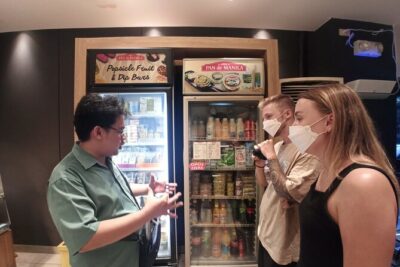
Manila Food Tour: Introduction to Philippine Street Food
Read our review →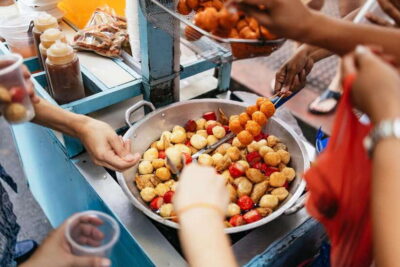
Street Food and Drinks Walking Tour with Tastings
Read our review →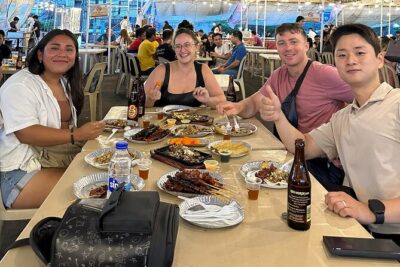
Makati Street Food Experience end with a Rooftop Bar
Read our review →
⭐ Manila Street Food Tour in the Downtown, Eat and Drink⭐
Read our review →
Browse the lists this tour appears in