
Reviewed · WALKING TOURS
Cebu City: Walking Tour
Cebu’s story comes into focus on foot, from the National Museum and a Spanish fort to an old Filipino home, a famous cross, churches, markets, and night views. Guide Chris leads the walk in English or Tagalog, and his warm, lively style is a major part of the experience.
I like the small group of up to 10 and the choice between a full three-hour walk and a shorter one to two-hour version. I also like the chance to mix major sights with local food and evening markets instead of seeing Cebu only through a vehicle window.
The main drawback is the walking itself. You cover about 3 to 4 kilometers, and the route, sights, and pace change with the time slot and group stamina. You also need suitable clothing, cash for some admissions, and money for food or drinks.
Key points at a glance
- Chris brings the city to life: His friendly, generous way of guiding is the tour’s biggest strength.
- The National Museum starts the story: You learn about the islands before later Spanish, American, and Filipino influences.
- Fort San Pedro costs only PHP 30: This compact Spanish fort adds a clear sense of Cebu’s colonial past.
- Three hours means real walking: A shorter one to two-hour version is available if your group needs less.
- Evening routes change the mood: Carbon Night Market, Sugbo Mercado, and a roof-deck city view can bring Cebu into the present.
- Budget extra cash: Plan for roughly PHP 250 to 500 beyond the tour price for admissions, jeepney fare, food, or drinks.
Starting at the National Museum beside Plaza Independencia
The daytime tour begins at the National Museum of the Philippines in Cebu, beside Plaza Independencia. Go inside and wait near the Museum Shop. The guide wears eyeglasses, blue and white rubber shoes, and carries a paper, which makes the meeting point easier to manage in a busy area.
Starting at the museum gives the walk a useful order. Instead of beginning with a famous photograph and a quick explanation, you first get a wider view of the islands and the cultures that existed before the Philippines took its modern form. The museum admission is included, so this is not an extra expense.
I like this opening because it gives later stops more meaning. Fort San Pedro is not just an old wall after you have considered the people and cultures that came before Spanish rule. Magellan’s Cross and Santo Niño Church also make more sense when you have some context for the changes that followed.
The museum portion may not feel like a long guided lecture. This is a walking tour, not a full museum seminar, and the time spent at each place depends on the group and the chosen route. If you want to inspect every display slowly, you may need a separate museum visit.
More walking tours in Cebu:
- The Original Cebu City Historical and Food Walking Tour
★ 4.5 · 81 reviews - Manila: Street Food and Drinks Walking Tour with Tastings
★ 4.8 · 114 reviews - Viva Old Manila: Intramuros Walking Tour
★ 4.9 · 104 reviews
Fort San Pedro and the Spanish chapter
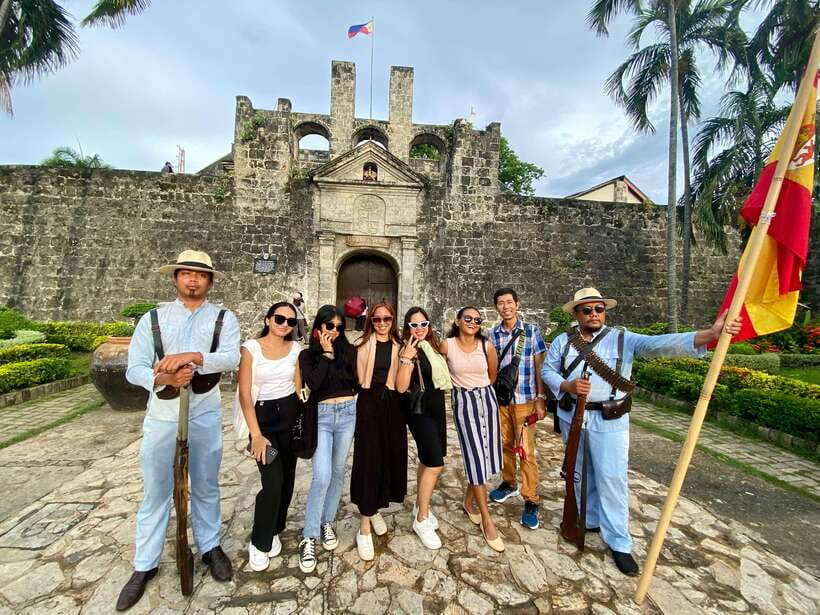
From the museum area, the walk reaches Fort San Pedro, a Spanish-era fortress near Plaza Independencia. The admission is PHP 30 in cash, so keep small Philippine notes or coins ready. That fee is not included in the $18 tour price.
The fort helps you picture Cebu as a place shaped by defense, trade, religion, and foreign rule. Its size also makes it manageable during a walking tour. You are not committing half a day to a huge complex, but you still get a physical sense of the Spanish period.
The word fortress can set you up for something grander than what you find. This is a compact historic site, and its appeal comes from the setting and the story rather than from a vast collection of rooms. Your guide’s explanation matters here. Chris is praised for explaining places clearly and keeping the walk friendly rather than stiff.
Because this is an outdoor stop, your comfort depends on the heat, your shoes, and the pace of the group. The tour requires moderate fitness, and comfortable walking shoes are more important than dressing up for photographs. Slippers are not allowed under the tour’s clothing guidance.
Cebu’s old houses at Yap-San Diego and Casa Gorordo
The route may include the Yap-San Diego Ancestral House, described as an old Filipino home dating to the 1600s. This stop shifts the focus from public power to domestic life. You get a chance to think about how an ancestral Filipino household was arranged and how daily life differed from the modern city outside.
That contrast is one of the tour’s best features. Cebu’s past is not only churches and military buildings. An old home can tell you about family life, objects, space, and social customs in a more personal way.
Casa Gorordo Museum may also appear on some routes, with an admission fee of PHP 150. Since different starting times include different places, check the exact plan when you book. Treat this fee as a possible extra rather than assuming every group will enter.
These houses can be especially useful if you want more than a list of dates. Chris can connect the building to the wider story of Cebu, while you see the physical details at close range. The tradeoff is time. A shorter walk cannot cover every location, so the half-length option may focus on only part of the route.
Magellan’s Cross and Santo Niño Church
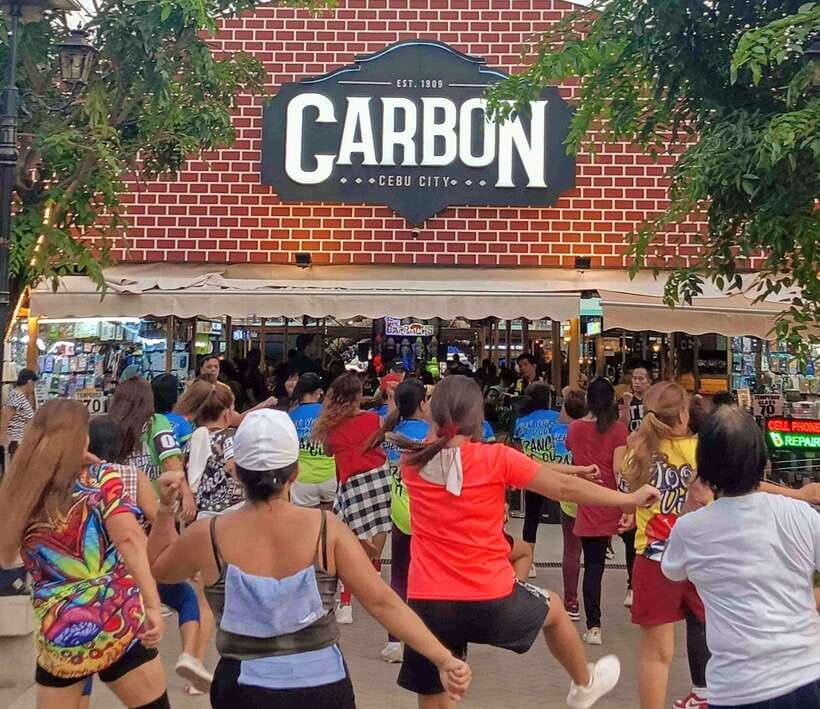
Magellan’s Cross is one of Cebu’s best-known stops and is included without an admission charge. It is a compact place, but its importance is large because it represents the arrival of Christianity and the start of a long period of Spanish influence.
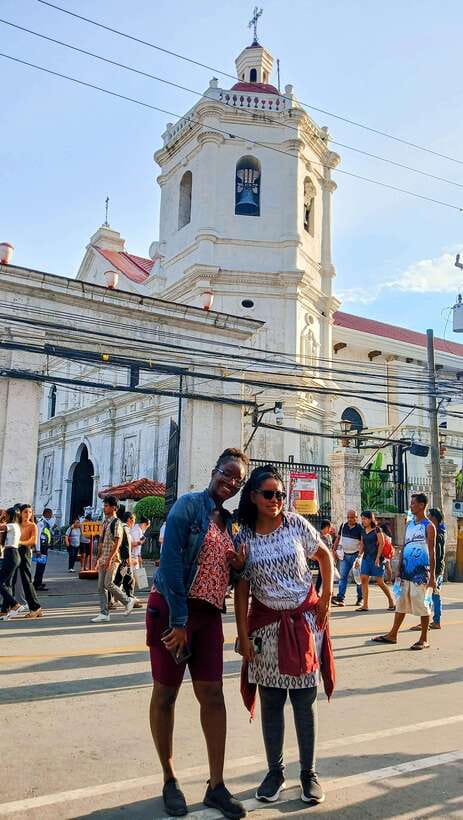
The tour also includes Santo Niño Church. Together, the cross and church show how religion became central to Cebu’s identity. They are not simply two more old buildings to tick off. They help you understand why Cebu remains such an important destination for Filipino history and faith.
Dress rules matter here. Shorts are not allowed, clothing above the knee is not allowed, and shawls for covering are not allowed. The wording is strict enough that you should dress conservatively from the start rather than hope to adjust later. No slippers are allowed either.
The stops may be busy, especially around well-known religious sites. Your guide can help you understand what you are seeing, but you should expect the atmosphere to be shared with other people. This is not a private, slow-moving photography session.
A few more Cebu days worth weighing up
- Cebu City: Whale Shark Swimming & Kawasan Falls Canyoneering
★ 4.7 · 665 reviews - Canyoneering Experience in Kawasan Falls with Lunch
★ 5.0 · 440 reviews - Cebu: Whale Shark Swim and Kawasan Canyoneering Tour
★ 4.6 · 318 reviews - Cebu: Kawasan Falls Canyoneering Tour with Ziplining & Lunch
★ 4.8 · 259 reviews
From heritage streets to Cebu after dark
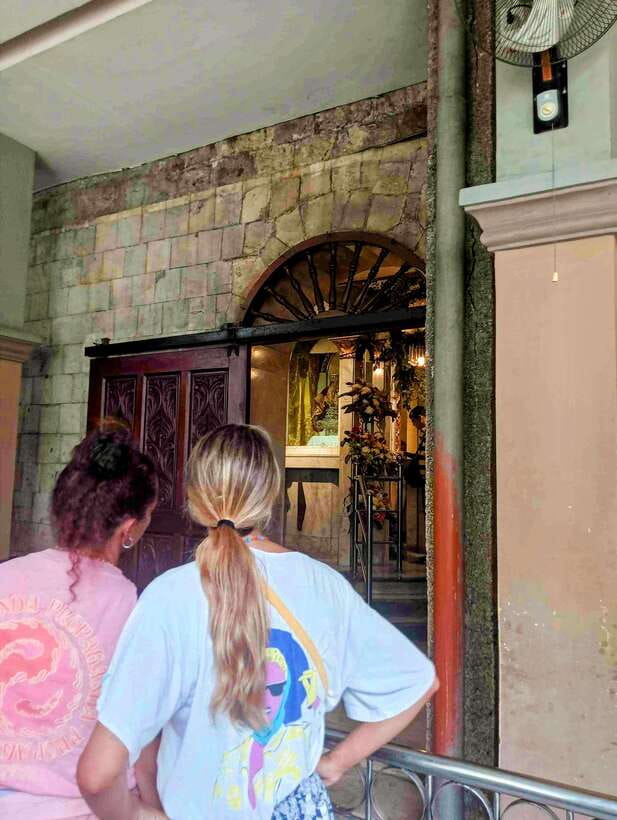
The evening meeting point is inside the McDonald’s at Magellan’s Cross. The meeting time is 19:30, and the guide waits near the entrance or close to the counter. He has the same identifying details: eyeglasses, blue and white rubber shoes, and a paper.
The night route has a different purpose from the daytime walk. Instead of building a chronological story through museums and historic sites, it shows how Cebu feels after dark. Possible stops include Carbon Night Market, Sugbo Mercado, and a roof-deck city view.
Carbon Night Market gives you a look at everyday food and street-market life. Sugbo Mercado adds another food stop, with a chance to buy refreshments or try local flavors. Food is not included, so bring money or eat before the tour. A food tasting or refreshments budget of about PHP 250 is suggested, with total extra cash costs often reaching PHP 250 to 500.
The evening route can be more relaxed, but do not assume it is easier on your legs. You still walk, and the route changes according to the time slot. The different schedule also means you may not see every daytime site. Check availability carefully if a particular museum, house, market, or viewpoint matters to you.
A roof-deck city view can be a good final note because it lets you look back at the city after seeing its older places at street level. The specific building or viewpoint is not fixed in the information provided, so treat it as part of the evening plan rather than a guaranteed named attraction.
What Chris adds to the walk
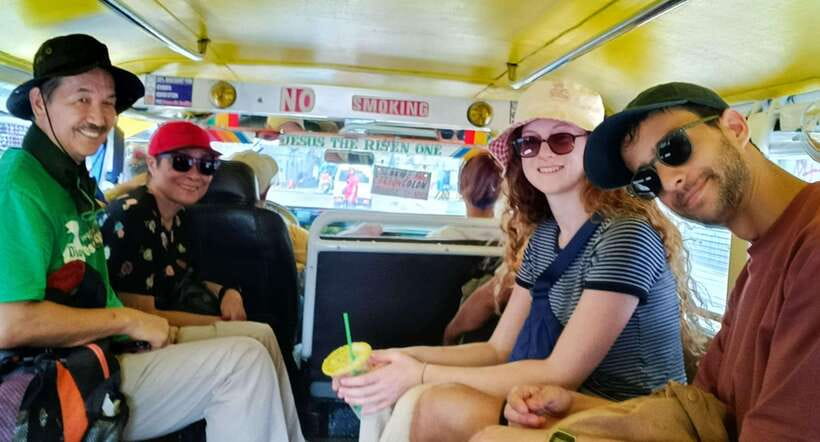
Chris is the guide to look for on this experience. He speaks English and Tagalog, and his style is repeatedly described as kind, friendly, generous, charismatic, and well-informed. Those qualities matter more on a walking tour than a long list of landmarks.
A guide can point out a building, but a good guide also helps you connect the pieces. Chris is praised for making Cebu feel exciting, explaining the sites and history, trying food with the group, and keeping the mood fun. That combination suits you if you want conversation and local perspective rather than a formal recital of dates.
The group is limited to 10 people. That is small enough for questions and easier street movement than a large coach group. It is not private, however, so the pace still depends on everyone’s stamina and interest.
The wording around the tour suggests that families with children are welcome, though children may need to stop after the shorter walk. That makes the one to two-hour option useful for families or anyone who wants a first look at central Cebu without committing to the full route.
Choosing the right time and length
Daytime start times are 09:30 and 14:30. The evening time is 19:30. Each time slot can include different places, so selecting a start time is part of planning the experience, not just a matter of convenience.
Choose the full walk if you want the broadest mix of museums, historic buildings, religious sites, food, and city life. Allow about three hours, though the pace can vary. The route covers about 3 to 4 kilometers, and the group’s fitness affects how quickly you move.
Choose the shorter walk if you have limited energy, young children, another booking, or only a brief stay in Cebu. The shorter version takes about one to two hours. You should tell the guide beforehand if you want the half walk, rather than expecting to decide halfway through.
The afternoon start can be a practical middle choice. It lets you see some heritage sites before the day ends, but you should confirm exactly what is included in that slot. The evening tour is best for food, markets, and city views, while the daytime walk is better for museums, old buildings, and religious landmarks.
Is $18 good value for Cebu?
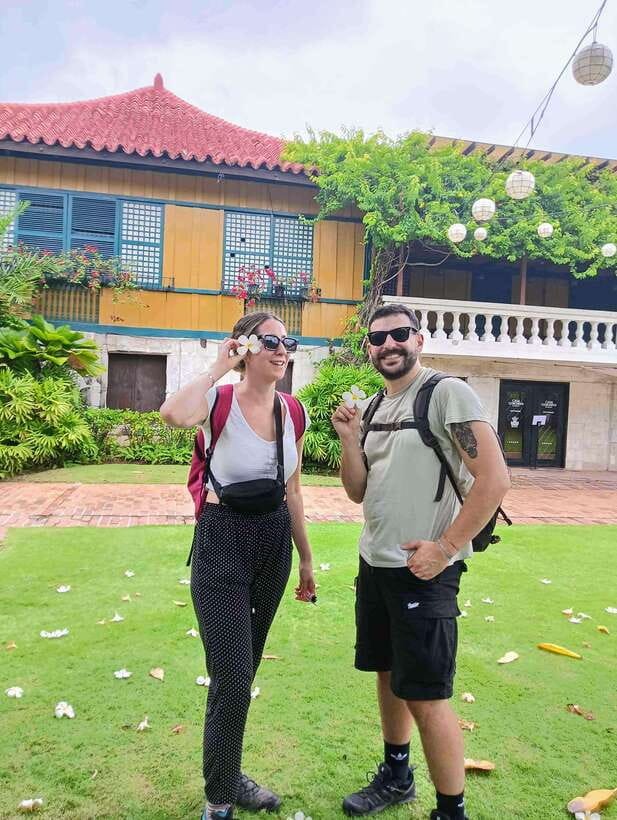
At $18 per person, the tour is reasonably priced for a small-group guided walk, especially because the National Museum, Heritage of Cebu Monument, Magellan’s Cross, Santo Niño Church, the guide, and the walking experience are included. You are paying for structure and interpretation, not just admission tickets.
The value is strongest if you are new to Cebu. A guide helps you connect places that might otherwise feel scattered. You also avoid spending your first hours guessing which historic sites belong together.
The extras are modest but real. Fort San Pedro costs PHP 30, jeepney transport costs PHP 15, and Casa Gorordo costs PHP 150 when included in your route. Food or refreshments may add PHP 250, and the suggested total for extra cash is PHP 250 to 500.
Because the experience ends back at the meeting point, you do not need to arrange a separate pickup at the end. The walking format also keeps the cost below a private vehicle tour, but it gives you less shelter from weather and fewer chances to rest.
You can reserve now and pay later, and cancellation is free up to 24 hours before the activity for a full refund. Those terms are helpful if your Cebu schedule is still moving around.
Who will enjoy this Cebu walk?
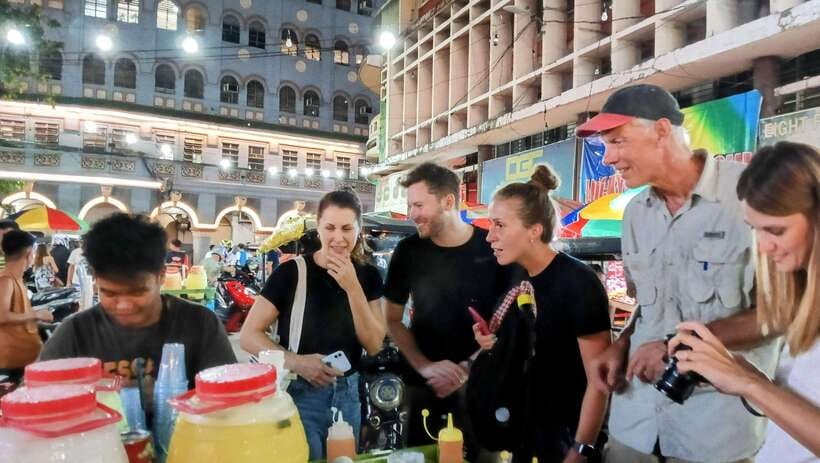
I would choose this tour if you want a first orientation to Cebu City with history, religion, local food, and evening street life in one experience. It suits solo visitors, couples, small families, and anyone who prefers a guide who talks with the group rather than simply leading from one sign to the next.
It is also a good fit if you value a personal guide. Chris’s energy and friendliness are central to the experience, and the positive feedback about him is unusually consistent. You should expect questions, stories, and a social atmosphere.
I would think twice if you dislike walking, need a fixed itinerary, or want long, quiet visits at every museum. The 3 to 4 kilometer route is not extreme, but Cebu’s heat, city streets, and changing pace can make it feel longer.
Wear clothing that meets the religious-site rules, avoid slippers, and carry cash. Since food is not included, bring money for a snack or meal. Most important, confirm the exact route for your chosen time slot.
Should you book the Cebu City Walking Tour?
Book it if you want to understand Cebu through several connected chapters: pre-colonial life, Spanish rule, ancestral homes, Christianity, markets, and the modern city at night. The $18 price is fair, the group is capped at 10, and the shorter route gives you flexibility.
Choose the full walk for the broadest introduction and the evening route for food and city views. If you have limited stamina, children, or a tight schedule, choose the half walk and tell Chris in advance.
This is not a polished sightseeing production with every minute fixed. It is a people-focused city walk led by a guide whose warmth and storytelling carry much of the experience. For a first day or evening in Cebu, that can be exactly the point.
FAQ
How long does the Cebu City walking tour take?
The full walk takes about three hours. A shorter version takes about one to two hours, and walking time varies with the group’s pace and stamina.
How far do you walk?
The tour covers about 3 to 4 kilometers and requires a moderate level of fitness.
Where does the daytime tour meet?
Daytime tours meet inside the National Museum of the Philippines in Cebu, beside Plaza Independencia. Sit near the Museum Shop.
Where does the evening tour meet?
Evening tours meet at 19:30 inside the McDonald’s at Magellan’s Cross. The guide waits near the entrance or close to the counter.
What is included in the tour?
The guide, walking tour, Heritage of Cebu Monument, National Museum of the Philippines in Cebu, Magellan’s Cross, and Santo Niño Church are included.
What extra costs should you expect?
Bring cash for PHP 30 at Fort San Pedro, PHP 15 for jeepney fare, and PHP 150 for Casa Gorordo Museum when applicable. Food or refreshments may cost about PHP 250, with suggested total extra cash of PHP 250 to 500.
Just added around Cebu
- Trekking to see the beautiful view of Cebu City★ 3.3 · 4 reviews
- Kalanggaman Island Day Tour Package from Cebu City or Mactan★ 3.0 · 6 reviews
- Kawasan Falls and Mantayupan Falls in One Day from Cebu★ 5.0 · 5 reviews
- Kawasan Canyoneering Adventure Package from Cebu★ 5.0 · 11 reviews
- Discover Scuba Diving★ 5.0 · 18 reviews
- Half day tour with Snorkel at Sancturary and Sulpa island★ 5.0 · 3 reviews
- Snorkeling at San Vicente with speed boat★ 5.0 · 8 reviews
- Twin Island Snorkeling Adventure at Hiltungan and Nalsuan★ 5.0 · 5 reviews
Walking Tours, compared.

Street Food and Drinks Walking Tour with Tastings
Read our review →
The Original Cebu City Historical and Food Walking Tour
Read our review →
Intramuros Walking Tour with Transportation by Don’t Skip Manila
Read our review →
Manila Intramuros Walking tour with Local Tour Guide
Read our review →Browse the lists this tour appears in