
Reviewed · INTRAMUROS WALKING TOURS
Viva Old Manila: Intramuros Walking Tour
Intramuros is where Manila’s past becomes physical: cobblestones, fortress walls, dungeons, churches, and old houses all sit within a walkable district. This tour gives you a useful way into that story, with guides such as Russell, Steven, Jerome, and Jonathan explaining not only what you are seeing, but why it matters.
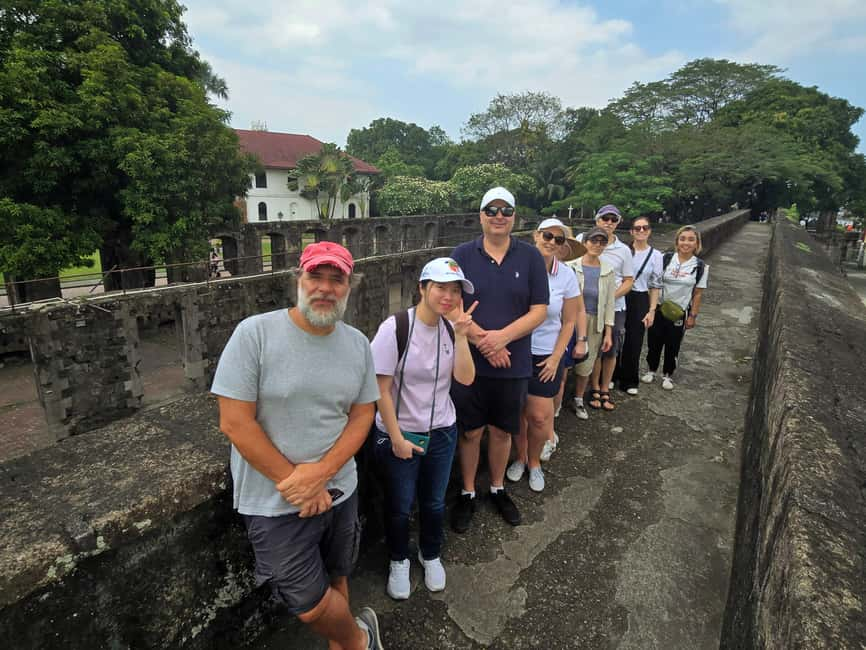
I like the lively storytelling, which mixes dates and major events with myths, personal stories, old photographs, and a little humor. I also like the route itself: Fort Santiago and the Rizal Shrine provide the serious core, while Casa Manila and San Agustin Church add a look at daily life and colonial architecture.
The main consideration is the heat and the pace. Three hours is enough for a strong introduction, but not enough for long, unhurried visits at every stop. You will need comfortable shoes, sun protection, and the discipline to stay with the group when photo time is short.
Key points at a glance
- Fort Santiago anchors the tour: Explore Manila’s best-known citadel, including its wartime dungeon and the places tied to Dr. Jose Rizal.
- Guides bring the facts to life: Russell, Steven, Jerome, Jonathan, Jimmy, and other English-speaking guides are praised for clear explanations, humor, patience, and local insight.
- The route covers several eras: You move from Spanish colonial rule to Rizal’s final days, the 1945 destruction of Manila, and the city’s surviving religious and domestic buildings.
- Admissions are included: The $27 price covers entry fees, guide services, bottled water, sunscreen, mosquito repellent, and group photo opportunities.
- It is a real walking tour: Expect three hours on foot, with cobblestones, open spaces, fortress walls, and tropical weather to manage.
- You finish at Casa Manila: This makes the final stop a useful place to continue exploring Intramuros on your own.
Why Intramuros makes a good first lesson in Manila
Intramuros means the walled city, and the name tells you what makes this part of Manila different. Inside the old walls, the city’s Spanish colonial past is easier to read than in most parts of modern Manila. Fortifications, churches, plazas, and reconstructed historic buildings sit close together.
I find a guide especially useful here because the important details are not always obvious. A wall may look like a wall until you learn what it protected. A quiet passage may carry a wartime story. A church may reveal several layers of Philippine life, not just religious worship.
The tour also connects local events to larger chapters in Philippine history. You will hear about Spanish rule, American influence, Japanese occupation, wartime destruction, and the country’s movement toward independence. The best guides, including Russell and Steven, use humor and short side stories to keep the information from becoming a long list of names and dates.
This is not a ride through Intramuros. You walk from site to site, so you see the streets at ground level and have time to notice old walls, changing architecture, and the way the district is used today. That physical connection is one of the strongest reasons to book it.
More Intramuros tours:
- Intramuros, Manila: Historical Bamboo Bike Tour
★ 4.8 · 583 reviews - Experience Intramuros with Bamboo Bicycle – Ecotours
★ 5.0 · 508 reviews - Manila: Intramuros, Chinatown, and Old Manila Half-Day Tour
★ 4.8 · 475 reviews
Meeting at the Fort Santiago entrance
The meeting point is the Fort Santiago entrance in front of the United Philippine Lines building on Sta. Clara Street. Arrive at least 15 minutes early. The directions are specific, but one person found the meeting area a little confusing, so do not cut it close.
Your guide is meant to meet the group at the gate and look for arriving participants. If you have trouble finding the entrance, the operator can be contacted through Viber or WhatsApp.
The route begins with a short introduction to Intramuros before moving into Fort Santiago. Bring an umbrella, water, and a hat. A bottle of water is provided during the tour, but you may want more for a warm morning.
Fort Santiago: Manila’s powerful opening chapter
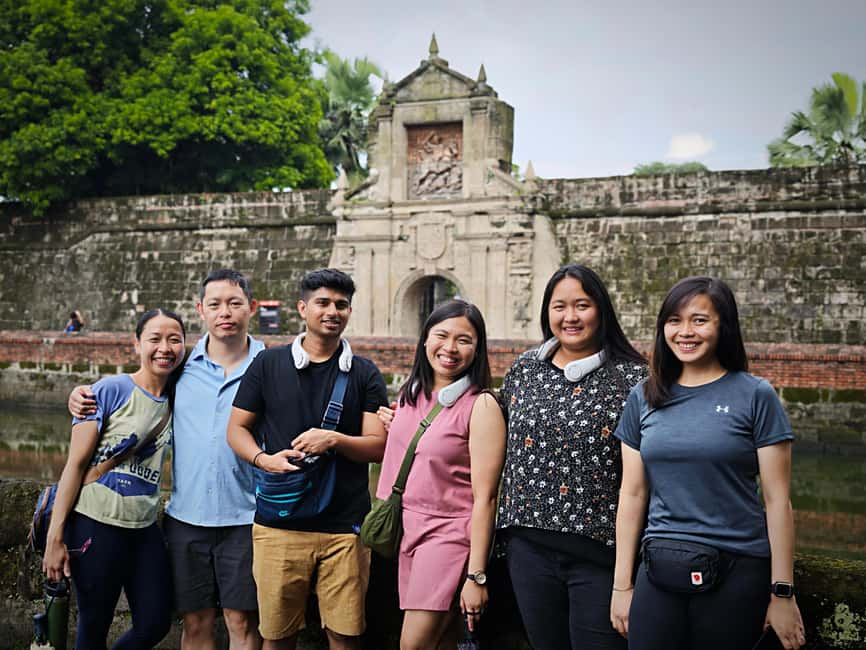
The first major stop is Fort Santiago, with about an hour set aside for the guided visit. This is the longest stop on the route, and that makes sense. The citadel gives you the clearest physical setting for understanding Intramuros as a fortified center of power.
You will walk through the fortress area and hear about its role in Manila’s Spanish period and later wartime history. The guide may use old photos and comparisons with the present-day site to show how the area changed. That kind of visual reference helps you read the remains instead of simply passing through them.
The dungeon adds a darker layer. Its wartime stories are difficult, but they explain why Fort Santiago is more than a photogenic old fort. The stop asks you to think about imprisonment, conflict, and the human cost of Manila’s battles.
The fort is also one of the places where the tour’s pacing matters. You will have time to learn and take photos, but this is not an open-ended museum visit. Stay close to the guide and take photos when the group pauses. One participant specifically noted that wandering off can leave you trying to catch up.
The Rizal Shrine and the last days of a national hero
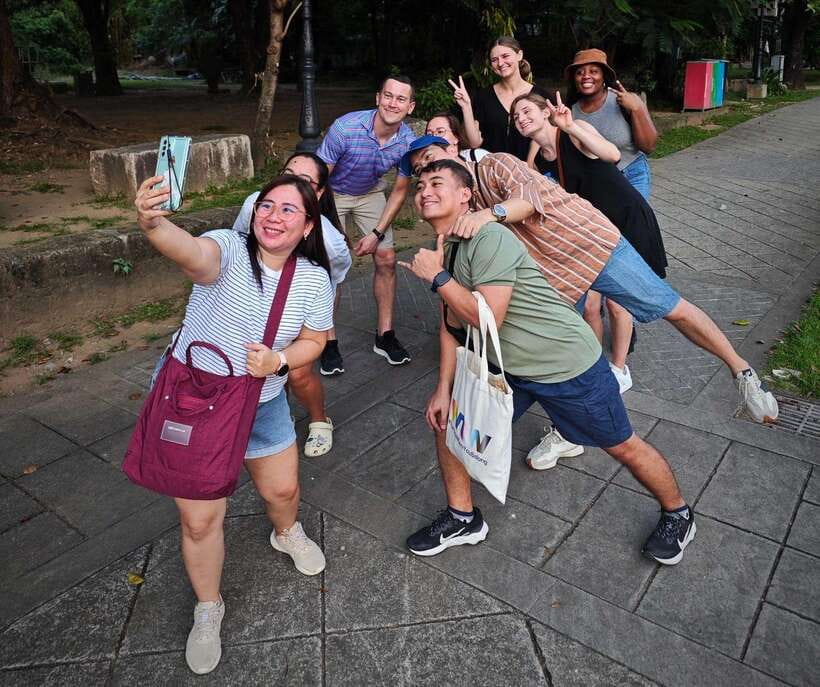
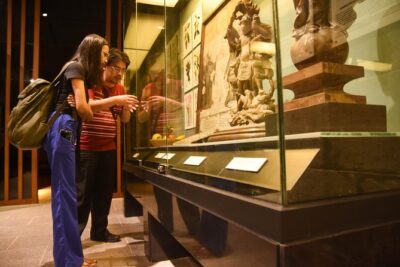
The Museum of Jose Rizal receives about 30 minutes. This section focuses on Dr. Jose Rizal, the writer and national hero whose final days are closely tied to Fort Santiago.
The value of this stop is not only in seeing objects connected with Rizal. Your guide places his final days within the larger story of Philippine resistance and national identity. The visit helps explain why Rizal remains such a central figure in the country’s public memory.
Thirty minutes is enough for a focused introduction, but you should not expect to study every display at length. Listen first, then use any remaining pause for photos or a closer look. A good guide can make this short visit meaningful by connecting the museum to the rooms, walls, and streets you have just seen.
This is also one of the more reflective points of the morning. The tour has humor, but it does not treat every part of the past lightly. The Rizal Shrine gives the route emotional weight.
More walking tours in Manila:
- Manila: Street Food and Drinks Walking Tour with Tastings
★ 4.8 · 114 reviews - Manila’s Walled City: Intramuros Walking Tour
★ 5.0 · 82 reviews - Manila: Sightseeing and Food Walking Tour with Tastings
★ 4.7 · 68 reviews - Manila: Intramuros Walking Tour.
★ 4.9 · 63 reviews
Manila Cathedral and the church district
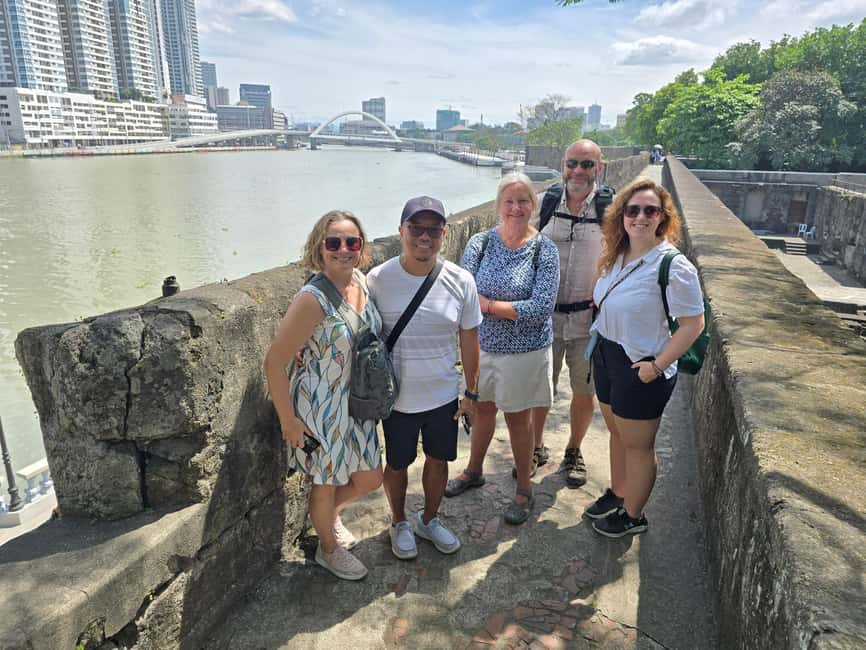
The visit to Manila Cathedral lasts about 15 minutes. That is a brief stop, but it places the Spanish religious presence in the center of the route.
Your guide explains the cathedral as part of Intramuros rather than presenting it as an isolated building. The short visit works best as a chance to understand the role of the church in colonial Manila and to see how religious buildings fit into the old city’s layout.
You should keep expectations realistic. Fifteen minutes will not allow a detailed architectural study or a long quiet visit. Instead, treat the cathedral as one piece in the larger sequence: fort, prison, national hero, cathedral, memorial, church, and colonial home.
Memorare Manila 1945 and the cost of war
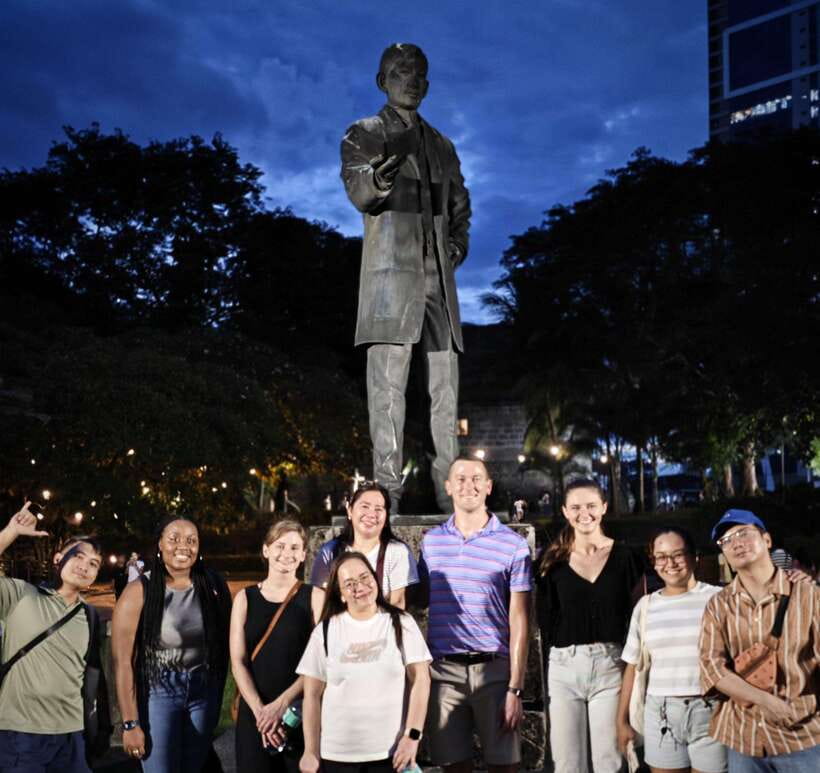
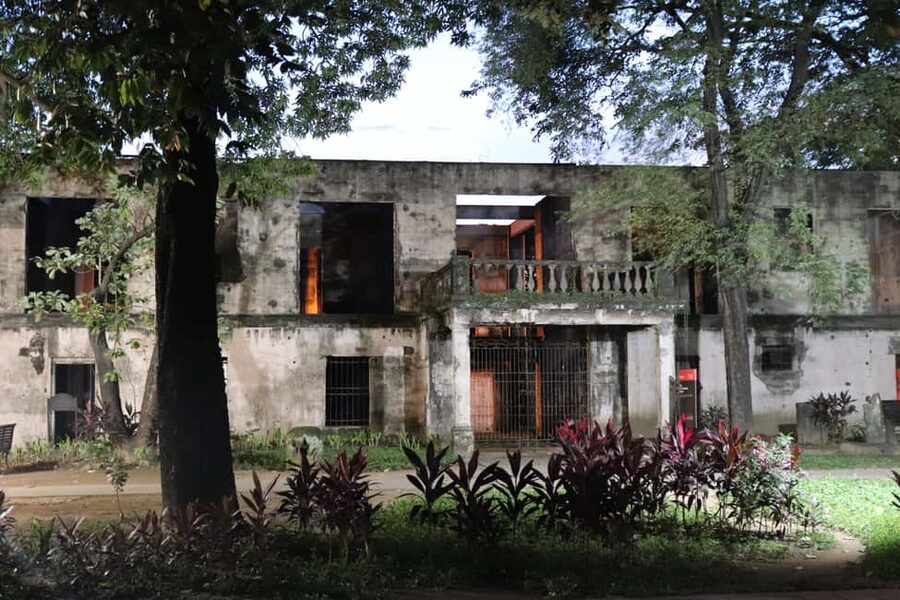
Memorare Manila 1945 brings the tour into one of its most serious sections. The memorial recalls the civilian suffering and destruction connected with the Battle of Manila in 1945.
This stop helps explain why Intramuros contains both old structures and rebuilt or restored ones. The district’s appearance is not simply the result of centuries passing. War reshaped it in a short and devastating period.
The guided explanation is important because a memorial can be easy to walk past without context. Here, you get a direct connection between the site and the wider wartime story of Manila. The 15-minute visit keeps the morning moving, but it gives you a moment to pause and understand what happened.
San Agustin Church: a surviving piece of old Manila
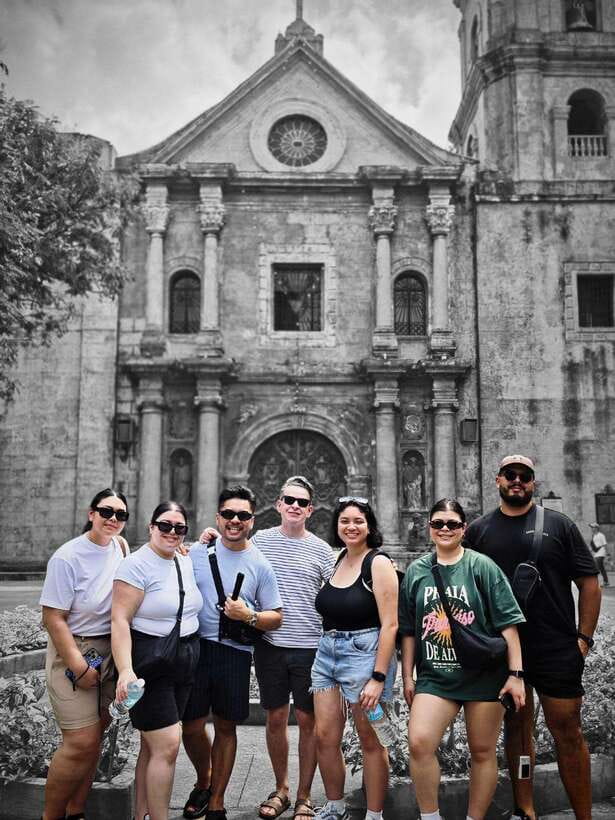
San Agustin Church receives another 15-minute visit. It is one of the route’s strongest architectural stops and gives you a different view of Intramuros after the fort and memorial.
The church shows the religious side of the old city, while the guide explains its place in Manila’s colonial story. You can expect time for an overview and photographs, but not an extended church tour.
The route can feel especially varied by this point. You have moved from military power at Fort Santiago to Rizal’s final days, the cathedral, wartime memory, and a historic church. That variety keeps the three hours from becoming repetitive.
One practical point: one participant described San Agustin as a convenient place to arrange transport after the tour, although the stated finishing point is Casa Manila. If you plan to leave immediately, confirm the exact end point with your guide that day.
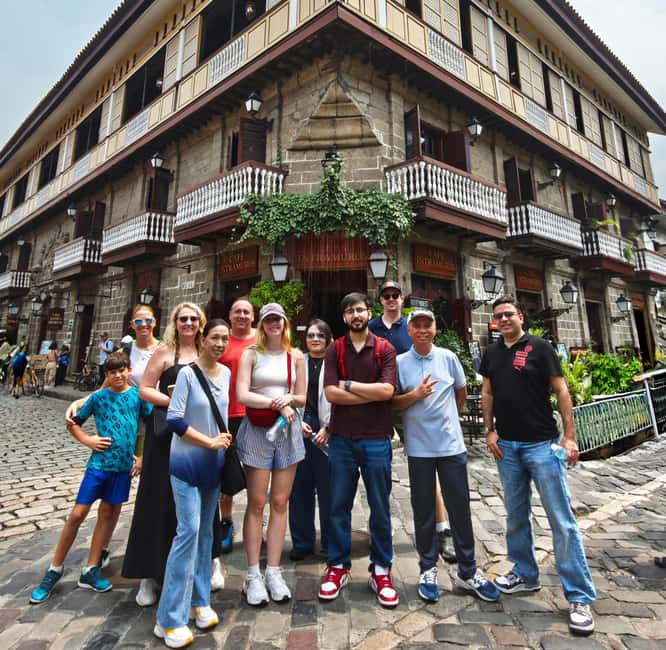
Casa Manila and a glimpse of colonial home life
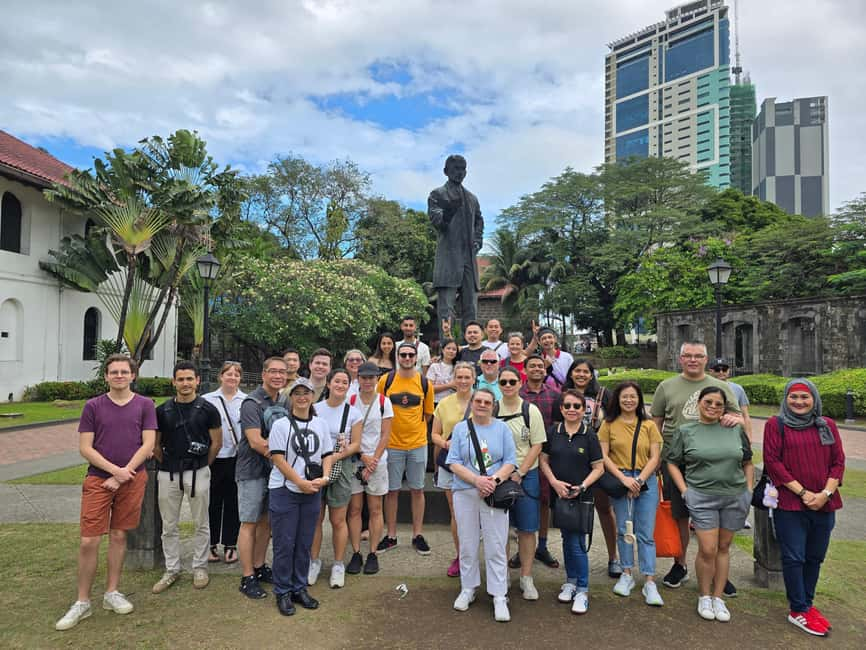
The final stop is Casa Manila, with about 15 minutes of guided time. This visit shifts attention from public buildings and battle sites to domestic life.
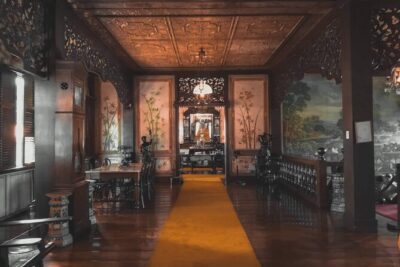
Casa Manila gives you a sense of how an affluent colonial-era home was arranged and decorated. It helps answer a question that fortifications and churches cannot: how did people live inside the walled city?
The stop is short, so you will receive an overview rather than a slow examination of every room. Still, it is a smart ending. After hearing about rulers, prisoners, heroes, churches, and war, you finish with furniture, rooms, and household details.
The tour ends at Casa Manila. You can continue exploring Intramuros from there, take photos, or arrange your next ride. Since transportation is not included, plan your onward journey before the final stop.
How the guides shape the experience
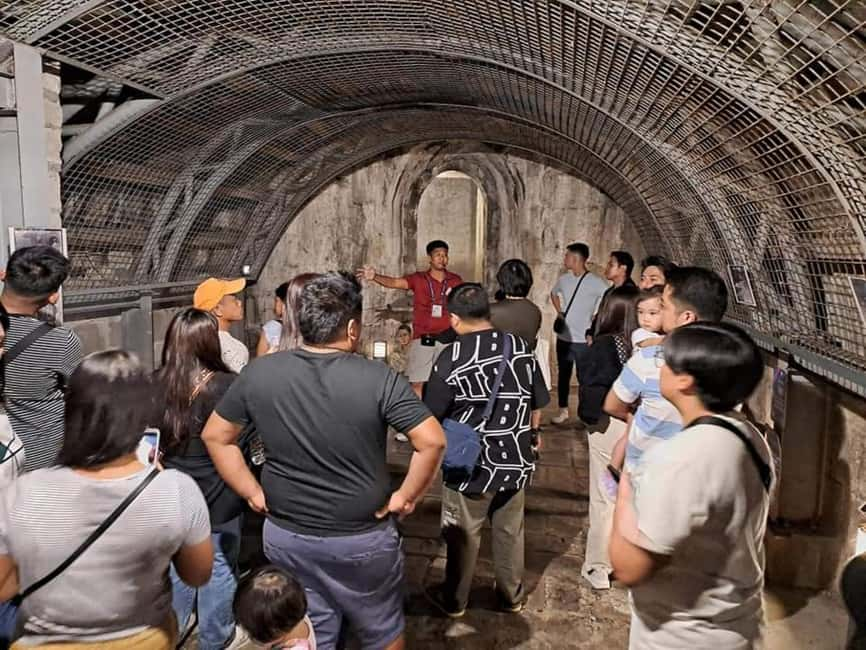
The strongest feature of this tour is the guiding. Russell is repeatedly described as clear, thorough, attentive, and passionate. Steven is praised for patience, humor, and the ability to explain a large amount of history without making the walk feel heavy. Jerome is noted for adapting explanations to unusual questions and adding a playful edge.
Other named guides include Jonathan, Jimmy, and Sedie. Guide assignments can change, so you should not book on the assumption that one specific person will lead your group. The common thread is an English-speaking, DOT-accredited local guide who can explain the sites directly.
The style is more conversational than a self-guided audio walk. You can ask questions, hear myths and legends, and sometimes see old photographs on the guide’s phone. That personal layer is useful because written plaques rarely explain how places connect to one another.
The humor also matters. Philippine history includes colonization, execution, occupation, and mass destruction. A guide who can add a little levity helps you stay focused without making light of painful events.
Pace, comfort, and accessibility
Three hours is a good length for a first look at Intramuros. Several people found the tour long enough to learn a great deal but short enough to avoid fatigue from too many dates and buildings.
The route is still physically demanding in practical ways. You will walk outdoors, cross cobblestone streets, and spend time in exposed areas. Manila’s sun and sudden rain can change the feel of the morning quickly. Wear shoes with a firm sole and carry an umbrella.
Bottled water is included, along with free use of sunscreen and mosquito repellent. I would still bring personal water, especially if you do not handle heat well. The tour is listed as wheelchair accessible, though you may want to confirm the exact route and current site conditions when booking.
The tour can be arranged as a private group. That option is useful if you want to ask many questions, move at your own photo pace, or shape the emphasis around family interests. A shared group is likely the better value if you want a straightforward introduction at the listed $27 price.
Is the $27 price good value?
At $27 per person, the price is reasonable for a three-hour guided walk that includes admission fees to the listed sites. You also receive an English-speaking DOT-accredited guide, bottled water, sunscreen, mosquito repellent, and group photo opportunities.
The real value is the interpretation. You could walk around Intramuros on your own, but the walls and buildings will not explain themselves. A self-guided visit may cost less in guiding fees, yet it can leave you missing the connections between Spanish rule, Rizal, the 1945 battle, and the surviving churches and homes.
The tradeoff is depth. This is an introduction, not a full-day study of every church, museum, or fortress room. If you want long museum visits or extensive photography, the fixed three-hour schedule may feel tight.
You also pay for convenience rather than transport. Hotel pickup, drop-off, food, beverages, and transportation are not included. You must reach the Fort Santiago entrance yourself and arrange your ride afterward.
Who should book this walk?
I would choose this tour for a first visit to Manila, especially if you want the old city explained in plain English. It suits families, adult children traveling together, curious first-time visitors, and anyone who prefers stories and local context to simply taking photographs.
It is also a good fit if you have only a morning available. The route covers the major stops without turning into an all-day commitment. The mix of military sites, religious buildings, a memorial, a museum, and a historic home keeps the subject matter varied.
You may want something else if you dislike walking in heat, prefer to linger at each museum, or want hotel transportation included. Independent visitors who already know Philippine history may find the pace too introductory, though the private-group option could make the experience more tailored.
FAQ
Where does the Intramuros walking tour meet?
The guide meets participants at the Fort Santiago entrance in front of the United Philippine Lines building on Sta. Clara Street. Arrive at least 15 minutes before the start time.
Where does the tour finish?
The stated finishing point is Casa Manila. You arrange your own transportation afterward because hotel pickup, drop-off, and transportation are not included.
How long does the tour last?
The walking tour lasts three hours. The route includes guided time at Intramuros, Fort Santiago, the Museum of Jose Rizal, Manila Cathedral, Memorare Manila 1945, San Agustin Church, and Casa Manila.
What language is the tour conducted in?
The tour is conducted in English by a DOT-accredited local guide.
Is admission included in the $27 price?
Yes. Admission fees to the listed sites, the tour guide fee, bottled water, group photo opportunities, sunscreen, and mosquito repellent are included.
What should I bring?
Bring an umbrella and water. A hat and comfortable walking shoes are also practical choices for the outdoor route, and you should be ready for sun or rain.
Should you book Viva Old Manila?
Book it if you want Intramuros to make sense, not just look old. The route covers the essential places, but the guide is what ties them together. Russell, Steven, Jerome, and the other guides are known for clear explanations, humor, patience, and a strong personal connection to Philippine history.
At $27, the tour offers solid value for a three-hour introduction with admissions included. Just arrive early, keep up with the group, bring protection from the weather, and remember that this is a brisk walking overview rather than a slow museum day. For a first morning in Manila, it is a practical and worthwhile choice.
Just added around Manila
- 3 Days Private Tour in Banaue Ifugao visiting Batad Rice Terraces★ 3.5 · 3 reviews
- Unforgettable Manila Fishing Village Day Excursion 2024★ 5.0 · 4 reviews
- indigenous Forest experience Manila 2023★ 5.0 · 4 reviews
- Cultural Dinner and Show in Manila★ 5.0 · 4 reviews
- Shared Old Manila Tour★ 5.0 · 5 reviews
- Shared Cruise Shore Excursion of Manila Old and New City Tour★ 4.0 · 10 reviews
- 5 Days Sagada Banaue Batad Discovery (PRIVATE GROUP TOUR Max 6 Travellers)★ 5.0 · 16 reviews
- Private Departure Airport Transfer in Manila Bay and Makati Area★ 5.0 · 3 reviews
Intramuros Walking Tours, compared.
Intramuros, Manila: Historical Bamboo Bike Tour
Read our review →
Experience Intramuros with Bamboo Bicycle – Ecotours
Read our review →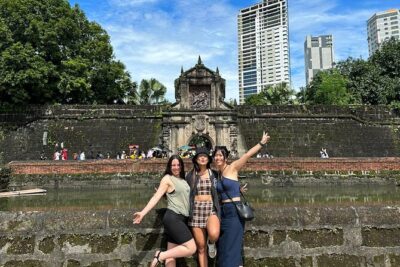
Intramuros, Chinatown, and Old Manila Half-Day Tour
Read our review →
Manila Old and New: Sightseeing Tour Including Intramuros and Fort Santiago
Read our review →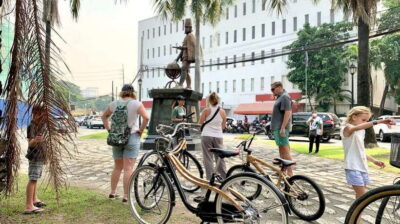
Explore Intramuros: Introduction to Philippine History
Read our review →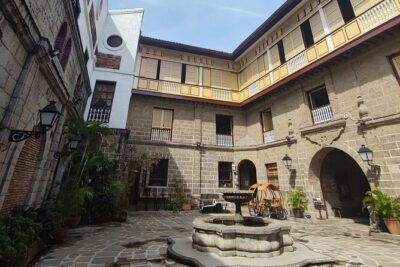
Experience Manila’s Heritage: Intramuros & More in Half a Day!
Read our review →Browse the lists this tour appears in