
Reviewed · INTRAMUROS WALKING TOURS
Manila: Intramuros, Chinatown, and Old Manila Half-Day Tour
Manila’s past and present come together quickly on this compact tour. You begin in Tondo Market, where produce, seafood, and local snacks give you a close look at daily life, then move through Binondo and finish inside the old walls of Intramuros. It is a sharper introduction to Manila than a drive past monuments.
I like the mix of ordinary city life and major landmarks. I also like that the tour uses more than one way to move around, with walking, tuk-tuks, and jeepneys included in the experience described by past participants. The main drawback is the pace: three hours is enough for an overview, but not enough for a slow meal, long shopping stop, or thorough visit inside every landmark.
- Tondo Market first: Start among food stalls, seafood, produce, and the working streets of Manila.
- Binondo in one hour: Walk through Ongpin Street and see Binondo Church and the Filipino-Chinese community around the world’s oldest Chinatown.
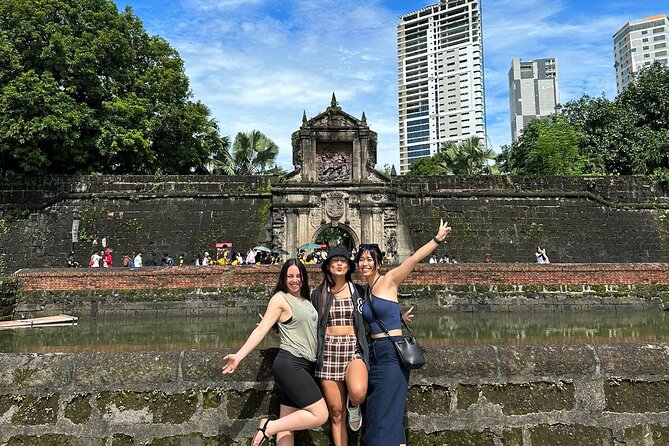
- Intramuros finale: End at Fort Santiago, with the Manila Cathedral and Spanish-era architecture nearby.
- Small-group format: The maximum group size is 15, which should make it easier to hear and ask questions.
- Guides who add personality: Felix and Floyd are named in the supplied feedback, both praised for clear English, humor, and strong local knowledge.
- Useful half-day scale: At about three hours and $75 per person, this suits a first look at Manila when you cannot spare a full day.
Three Manila districts, one compact route
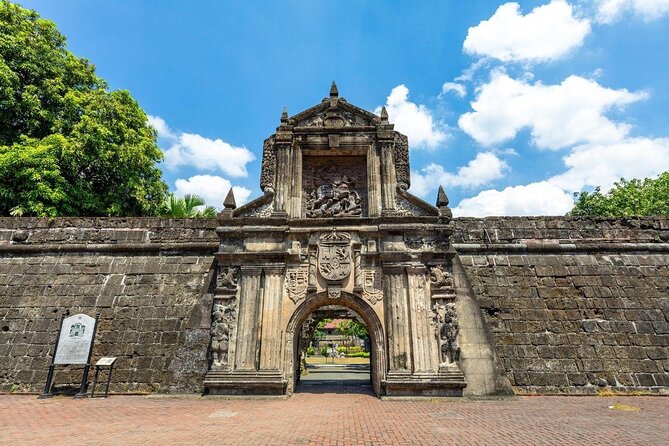
This tour works because it does not show you only the polished side of Manila. It moves from Tondo’s market streets to Binondo’s Chinese-Filipino center and then into Intramuros, the carefully preserved Spanish walled city.
That sequence gives you useful context. Manila is not one single historic quarter. It is a city shaped by trade, migration, colonial rule, religion, commerce, and ordinary work. In three hours, you get a quick look at each layer.
I would choose this tour early in a Manila stay. It helps you understand the city before you spend time exploring on your own. It also makes sense for a short visit, a stopover, or anyone who wants a guided introduction without giving up an entire day.
The group limit is 15 people. That is small enough for a guide to manage a walking group without turning every explanation into a public speech. The guide matters here because the appeal is not just the buildings. It is the explanation of what you are seeing and how each area fits into Manila.
Tondo Market: Manila before the monuments
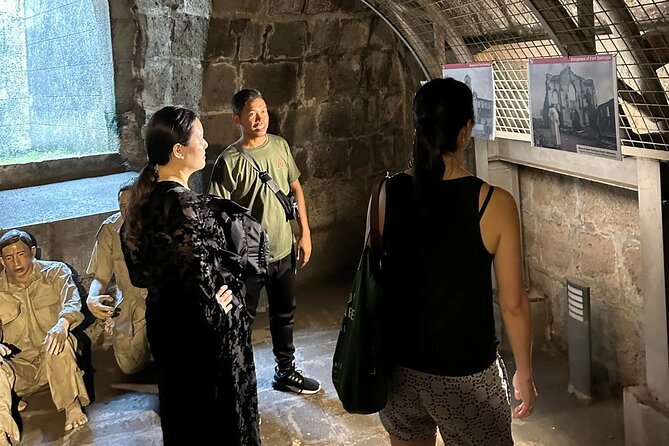
The tour begins in Tondo, at Divisoria Market. This is the most direct encounter with everyday Manila on the route. The market area is filled with stalls selling fresh produce, seafood, and local delicacies, and your guide leads you through the crowded alleys.
This is not a decorative market arranged for sightseeing. It is a working place, and that is precisely its value. You see the buying and selling that keeps a large city moving. The sights, sounds, and food displays give you a useful contrast to the grand stone churches and colonial structures later in the morning.
Plan to pay attention rather than rush through with a camera. Ask your guide about the foods and goods you see. The supplied tour details do not promise a tasting, so you should treat this as a market visit rather than a food tour with included samples.
The stop lasts about one hour, with no admission charge. That keeps the price focused on guiding and transport rather than entrance fees. It also means your experience will depend heavily on the guide’s ability to explain the setting and keep the group together.
Tondo can feel intense if you prefer quiet streets and formal sightseeing. Expect a busy urban environment, uneven walking conditions, and plenty of activity around you. The tour asks for a moderate level of physical fitness, so comfortable shoes are sensible.
More Intramuros tours:
- Manila Old and New: Sightseeing Tour Including Intramuros and Fort Santiago
★ 4.5 · 377 reviews - Manila’s Walled City: Intramuros Walking Tour
★ 5.0 · 82 reviews - Express Bamboo Bike Tour inside Intramuros
★ 4.5 · 66 reviews
Binondo and Ongpin Street: Manila’s Chinese-Filipino center
Next comes Binondo, identified as the world’s oldest Chinatown and established in 1594. The district brings a different side of Manila into view, shaped by Chinese-Filipino trade, religion, food, and commerce.
Ongpin Street is the heart of this part of the tour. You will walk through a busy commercial area and see how shops, restaurants, street activity, and religious landmarks sit close together. This is where the tour’s food appeal is strongest, although admission and food purchases are not included.
Binondo Church is one of the key sights. The tour also includes the Filipino-Chinese community around the district, giving you a better sense of place than a quick photograph outside a church. A guide can point out details that are easy to miss when you move through Binondo alone.
Allow yourself to be flexible here. The itinerary gives Binondo about one hour, so you are getting an introduction rather than a full eating tour or shopping session. If you want to sample many dishes, compare shops, or linger over lunch, you will need extra time before or after the scheduled experience.
This stop is a good match for curious eaters and first-time visitors who want more than a list of monuments. You may find the streets crowded and the pace quick, but that is part of what makes Binondo useful as a window into Manila’s living culture.
Intramuros: Spanish-era Manila behind the walls
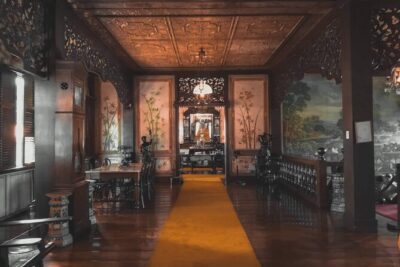
The final hour takes place in Intramuros, Manila’s old walled city. The mood changes quickly. After the market streets of Tondo and the commercial activity of Binondo, you reach an area defined by stone walls, old churches, fortifications, and colonial-era architecture.
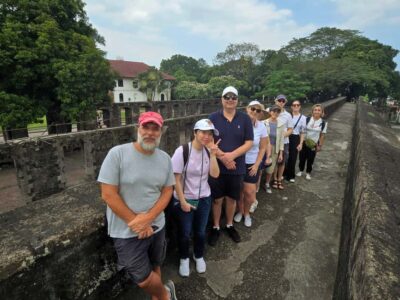
Fort Santiago is the main named site. The tour ends there, making it the natural final point for the historical section. The Manila Cathedral is also part of the Intramuros visit, and your guide can connect the buildings to the period of Spanish rule and the changing story of Manila.
The route is particularly useful for putting the city’s colonial past in context. Intramuros is not the whole story of Manila, and the tour is better because it does not present it that way. You have already seen working markets and Binondo before arriving at the walls, so the old city becomes one chapter in a larger account.
Admission to the Intramuros stop is listed as free, though the itinerary specifically names Fort Santiago and the Manila Cathedral rather than promising paid interior access to every site. If entering a particular attraction is important to you, confirm what is included when booking.
Because this section lasts about one hour, expect a guided overview. You will have time to see the main setting and hear the key background, but not to examine every church, museum, and fortification at length. The tour ends at Fort Santiago, so you can continue exploring independently afterward if your schedule allows.
Guides, stories, and the value of a small group
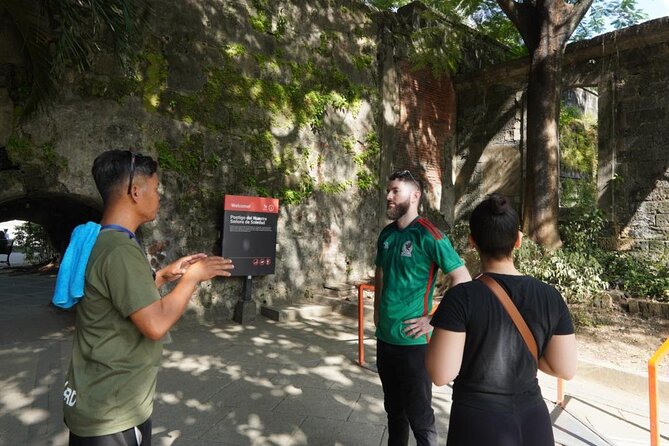
The guide is central to this experience. The tour covers three very different areas in a short time, and without explanation the route could feel like a string of disconnected stops.
Felix is praised in the supplied material for being easygoing, personable, informative, honest, and fun. Floyd is also named repeatedly for making the route engaging and for explaining Manila’s history and local life in clear English. Since guide assignments can change, treat those names as examples rather than a guarantee that one of them will lead your departure.
The strongest aspect of the guiding style is the connection between history and ordinary life. You are not simply told that Binondo was founded in 1594 or shown the walls of Intramuros. You get a guide who can explain why these places matter and point out details you might pass without noticing.
The group maximum is 15 people. That is a meaningful advantage on narrow market streets and busy sidewalks. It should also make it easier to hear the guide than you would in a large coach group.
Some participants have experienced the route one-on-one when no one else booked that departure. You should not count on a private tour, but the possibility shows how the small-group setup can feel personal on quieter dates.
A few more Luzon days worth weighing up
- Manila: Intramuros, Chinatown, and Old Manila Half-Day Tour
★ 4.8 · 475 reviews - Discover Tagaytay’s Countryside: Half-Day Sightseeing Tour
★ 4.5 · 207 reviews - From Manila: Tagaytay Countryside Wonders: A Half-Day Tour
★ 4.4 · 187 reviews - Chocolate hills tour with Tarsier & Loboc river Buffet Lunch (half-day tour)
★ 5.0 · 152 reviews
Walking, tuk-tuks, and jeepneys on a short schedule
The route includes walking, and one detailed account also describes tuk-tuks and jeepneys. That variety gives the tour a more local feel than a standard vehicle-only city circuit.
The transport is useful for covering ground between areas, but it can also make the experience less predictable than a simple walking tour. You may shift quickly from a market alley to a road journey and then back to walking around historic sites. Follow the guide’s instructions and keep your belongings secure in crowded areas.
The start is in Tondo, while the end is at Fort Santiago in Intramuros. This one-way pattern is practical because you do not waste time returning to the starting point. It also means you should plan your next activity from Intramuros rather than assume you will finish near Tondo.
The tour is near public transportation, which helps if you are arranging your own way to the start or continuing after Fort Santiago. The information provided does not specify hotel pickup, so do not assume that pickup and drop-off are included.
Is $75 a fair price for three hours?
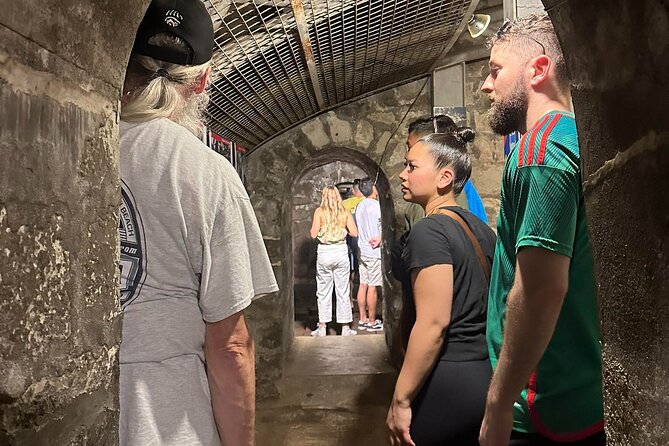
At $75 per person, this is not the cheapest way to walk around Manila. The admission charges listed for the main stops are free or not included, so the price is mainly paying for a guide, organization, and the ability to connect three districts in a short period.
That can be good value if you have limited time or do not want to work out the route yourself. Tondo, Binondo, and Intramuros are different enough that a first-time visitor may find the background and transitions worth paying for.
The value is weaker if you already know Manila, prefer to explore at your own speed, or want a long food-focused outing. Three hours leaves little room for delays, extended shopping, or a relaxed meal. You are paying for orientation and context, not a full-day exploration.
I would especially consider the price reasonable for a solo visitor who wants company and local explanation without joining a huge group. It can also work well for a first visit when your schedule is tight and you want to see more than the usual central sights.
Physical effort, timing, and practical expectations
The tour lasts about three hours, with roughly one hour at each stop. That structure is easy to fit around other plans, but you should arrive ready to keep moving.
A moderate fitness level is advised. The market and Chinatown sections involve walking through crowded urban areas, while Intramuros adds more walking around historic grounds. Comfortable footwear matters more than dressing formally.
Weather can affect the experience. The activity requires good weather, and a cancellation for poor conditions leads to either another date or a full refund. If the forecast looks uncertain, keep your later plans flexible.
The mobile ticket is convenient, and confirmation is provided when you book. Cancellation is free up to 24 hours before the start time. Inside that window, the amount paid is not refunded and changes are not accepted.
Who will get the most from this Manila tour?
I would recommend it to you if you want a fast but meaningful introduction to Manila. It is especially suitable for:
- First-time visitors who want context before exploring alone
- Solo visitors who prefer a guide and a small group
- History fans interested in Intramuros and Spanish-era Manila
- Food-focused visitors who want to see Binondo and market life
- People with only a morning or afternoon available
- Visitors who prefer local streets and daily life over a purely monument-based tour
I would be more cautious if you want a slow pace. The market, Binondo, and Intramuros each deserve more than an hour, and this tour cannot provide that depth. It is also not the right choice if your main goal is a long sit-down meal or extensive shopping.
Should you book it?
Book this tour if you want three distinct sides of Manila in a single outing: working market life in Tondo, Chinese-Filipino Manila in Binondo, and colonial architecture in Intramuros. The guide’s explanations are a major part of the value, and names such as Felix and Floyd have been associated with engaging, clear guiding.
Skip it if you already know these districts or want to explore slowly. For everyone else, the route is a practical first look, especially when three hours is all you can spare. Arrive prepared for walking, crowds, changing transport, and a quick pace, and you will get a useful introduction to Manila that goes beyond the usual postcard stops.
FAQ
How long does the Manila tour last?
The tour lasts approximately three hours, with about one hour allocated to Tondo Market, one hour to Binondo, and one hour to Intramuros.
Where does the tour start?
The tour starts in Tondo, Manila, in Metro Manila, Philippines.
Where does the tour end?
The tour ends at Fort Santiago in Intramuros, Manila.
Which places are included?
The route includes Divisoria Market in Tondo, Binondo Chinatown, Ongpin Street, Binondo Church, and Intramuros, including Fort Santiago and the Manila Cathedral.
Is admission included?
Admission is listed as free for Divisoria Market and Intramuros. Admission is not included for the Binondo stop.
How many people can join the tour?
The maximum group size is 15 people.
Do I need to be physically fit?
A moderate level of physical fitness is recommended because the tour includes walking through markets, Chinatown, and Intramuros.
What happens if the weather is poor?
The activity requires good weather. If poor weather causes cancellation, you will be offered another date or a full refund.
Can I cancel for a full refund?
Yes. You can cancel at least 24 hours before the experience start time for a full refund. Cancellations or changes made within 24 hours are not accepted for a refund.
Just added around Luzon
- Skip the Line: Villa Escudero Plantation & Resort Day Pass Ticket★ 4.5 · 11 reviews
- Villa Escudero Coconut Plantation Day Trip from Manila★ 3.5 · 9 reviews
- Villa Escudero Tour with Lunch From Manila (SHARED)★ 5.0 · 5 reviews
- Private Filipino Cooking Class in the Heart of Manila,Makati City★ 5.0 · 5 reviews
- The Jeepney & Tuk Tuk Adventure ride with Local Guide★ 4.5 · 4 reviews
- VILLA ESCUDERO DAY TOUR with Carabao Cart Ride and Bamboo from Manila★ 4.0 · 6 reviews
- Manila ATV Mountain Trail Adventure(with Transfers***)★ 4.5 · 19 reviews
- Pagsanjan Falls Adventure with Lunch and Rapids Experience★ 4.5 · 3 reviews
Intramuros Walking Tours, compared.
Intramuros, Manila: Historical Bamboo Bike Tour
Read our review →
Experience Intramuros with Bamboo Bicycle – Ecotours
Read our review →
Intramuros, Chinatown, and Old Manila Half-Day Tour
Read our review →
Manila Old and New: Sightseeing Tour Including Intramuros and Fort Santiago
Read our review →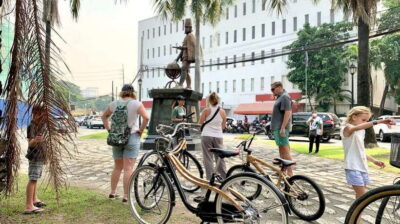
Explore Intramuros: Introduction to Philippine History
Read our review →Browse the lists this tour appears in