
Reviewed · HISTORICAL TOURS
Puerto Princesa Palawan Historical Tour
Puerto Princesa’s story comes into focus through its wartime ruins, local museums, seaside promenade, and working craft traditions. This six-hour private tour links those places in one day, with guides such as Janua and Ged explaining the city as you go.
I like the private format, since your group can adjust the pace, and I like the unusual mix of World War II history and hands-on weaving at Binuatan Creations. The main drawback is the price: at $138 per person, it offers good value for a small group wanting a full city overview, but less so if you only want a few sights.
Key points to know before booking
- Plaza Cuartel tells Puerto Princesa’s darkest wartime story, including the 1944 killing of American prisoners of war.
- Binuatan Creations adds a practical cultural stop, with locally produced fibers turned into bags, wallets, placemats, and wall art.
- The private vehicle and guide make the schedule flexible, useful if your group wants more time at one site.
- Baker’s Hill is more than a snack stop, with hopia, pastillas, gardens, and a family-friendly setting.
- The six-hour route is packed, so each museum and monument receives about 30 minutes.
- Lunch and snacks are not included, so plan to eat before or after the tour.
A six-hour introduction to Puerto Princesa
This is a city tour with a clear purpose. Instead of focusing only on photo stops, it gives you a quick education in Puerto Princesa’s public spaces, Catholic traditions, wartime past, local artifacts, food culture, and handcrafts.
The air-conditioned vehicle matters in Palawan’s heat, especially because the day moves between several stops. Pickup is offered, and the 9:00 a.m. start gives you a full morning and afternoon without turning the outing into a late-night activity.
The route is also private. That means only your group joins the tour, not a mixed busload of strangers. You can ask questions as you go, and the guide can spend more time on the subjects that interest you. Past guides named Janua and Ged were praised for being patient and thorough, while drivers named Al and Gilbert were singled out for making the day run smoothly.
You should still keep your expectations in check. This is not a slow museum study tour. Most of the early stops last 30 minutes, so you will get an introduction rather than an exhaustive visit.
More historical tours in Puerto Princesa:
- Puerto Princesa Underground River Day Tour a UNESCO heritage site
★ 4.5 · 18 reviews - Intramuros, Manila: Historical Bamboo Bike Tour
★ 4.8 · 583 reviews - The Original Cebu City Historical and Food Walking Tour
★ 4.5 · 81 reviews
Baywalk Park: from settlement area to seaside park
The tour begins at Puerto Princesa City Baywalk Park, a palm-lined promenade beside the water. It is used by locals and tourists for walking, cycling, and jogging, making it a useful first look at ordinary city life.
The story behind the park gives the stop more weight. The area was once occupied by informal settlers. The local government rehabilitated it as a public park and provided resettlement for the residents. Your guide can help connect the pleasant promenade you see today with the difficult changes that came before it.
Allow about 30 minutes here. That is enough for a stroll, photographs, and an explanation of the park’s role in the city. It is not a major museum or a long activity, so if you prefer dense historical content, this will feel like a gentle opening rather than the main event.
Immaculate Conception Cathedral and the city’s Catholic center
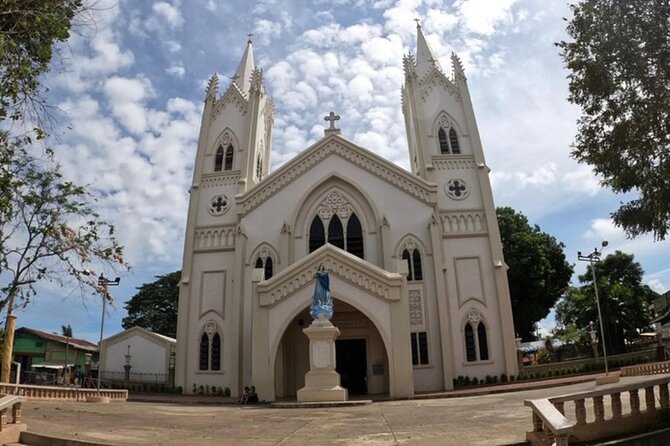
The Immaculate Conception Cathedral, also called Puerto Princesa Cathedral, sits on Rizal Avenue. It serves as the seat of the Roman Catholic Apostolic Vicariate of Puerto Princesa and remains one of the city’s important religious landmarks.
You have about 30 minutes to see the church and hear about its role in local life. The visit works best for people interested in architecture, faith, and the way religious buildings anchor a city’s identity.
This is a place to act respectfully. Dress and behavior should suit an active Catholic church, particularly if services are taking place. The tour data does not promise a special ceremony or private access, so think of this as a brief cultural visit rather than a guided religious event.
The Special Battalion Museum and World War II
The Palawan Special Battalion World War II Memorial Museum is one of the tour’s strongest stops. Its collection includes old vehicles, rusting guns and ammunition, American military uniforms, miniature aircraft and ships, wartime paper money, a typewriter, and a stenography machine said to have been used by General Douglas MacArthur in Manila.
The museum also honors the local resistance. A wall lists the names of about 1,000 guerrillas who belonged to the Special Battalion and fought in Palawan during the Japanese occupation. That list shifts the focus away from famous generals and toward the people who lived through the conflict in the province.
You get around 30 minutes here. That is enough to see the main objects and ask questions, though anyone with a serious interest in military history may want more time than the schedule provides. The displays sound varied rather than polished, which can be part of their appeal. Old equipment and personal objects often make wartime history easier to grasp than a room of dates alone.
A few more Puerto Princesa days worth weighing up
- From Puerto Princesa: Underground River Full-Day Trip
★ 4.3 · 1,460 reviews - Puerto Princesa: Honda Bay Island Hopping & Optional Massage
★ 4.4 · 474 reviews - Underground River Day Trip from Puerto Princesa City
★ 4.5 · 261 reviews - Port Barton: Island Hopping to Turtle Spot & Reef with Lunch
★ 4.6 · 206 reviews
Plaza Cuartel and a grim wartime memory
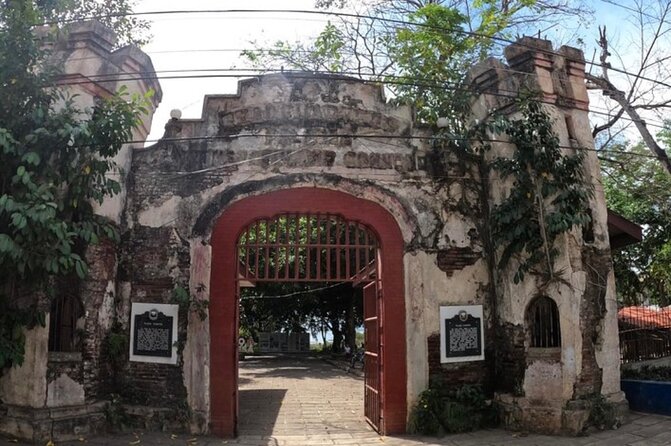
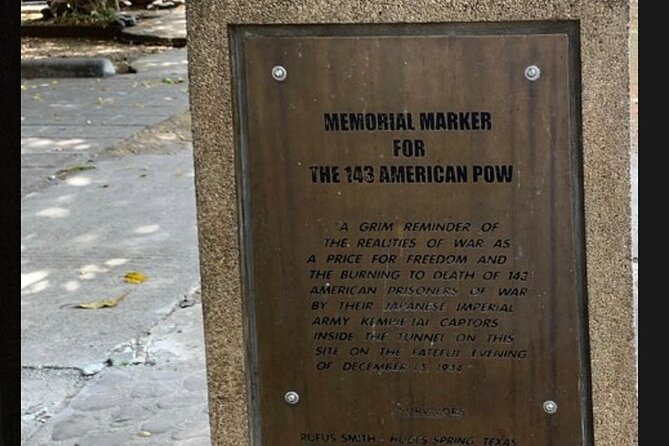
Plaza Cuartel is a National Historical Site and likely the most emotionally serious stop. It occupies the restored ruins of an old garrison. On December 14, 1944, Japanese soldiers burned around 150 American prisoners of war in a tunnel beneath the park’s portals. Only one prisoner survived to tell the story.
The remains of those killed were buried at St. Louis County, Jefferson Barracks National Cemetery, Missouri, in 1952. This is not a light sightseeing stop, and the setting asks for quiet attention. The ruined walls and memorial space make the story feel close, even though the event happened decades ago.
Plan for about 30 minutes. Your guide’s explanation is especially useful here because the physical remains alone cannot tell the full story. If you have children in your group, use your judgment about how much detail is suitable. The tour presents this site as a place of remembrance, not entertainment.
Palawan Museum and local heritage
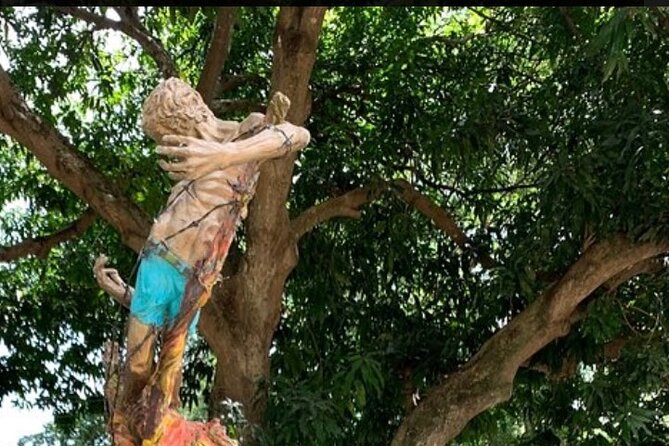
The Palawan Museum was created in 1991 as a center and repository for relics and artifacts connected to Palawan. Its purpose is to preserve the province’s natural and historical legacy and build a reference collection about local cultural heritage.
This stop helps balance the military focus of the morning. Instead of looking only at the events of World War II, you get a wider view of Palawan’s people, objects, and past. The word museum can suggest a huge institution, but the schedule allows only about 30 minutes, so expect a compact visit.
I would pay attention to the guide’s explanations here. Museum objects can be hard to read without context, particularly when labels are brief or collections cover many subjects. The guide can help you connect what you see with the wider story of Palawan.
Baker’s Hill for sweets and a change of pace
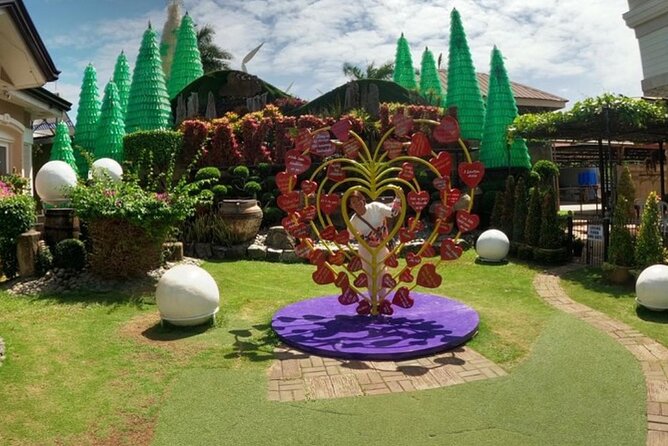
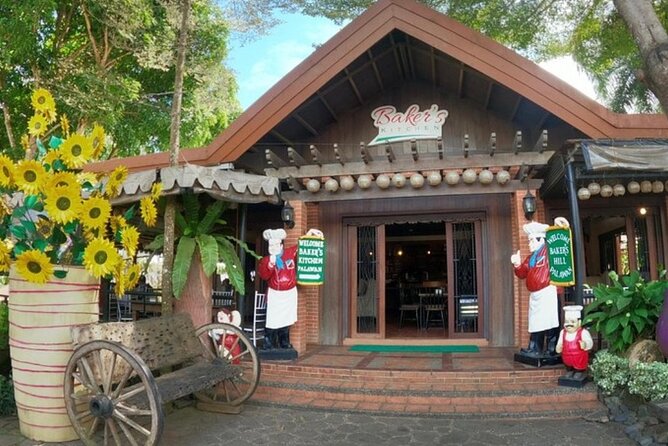
Baker’s Hill shifts the mood from memorials and museums to food and family recreation. It is known for hopia and pastillas, two treats you can try or take home. The grounds also include landscaped gardens and a playground, making this a relaxed stop for families.
You have about an hour here, longer than at any of the museums. That extra time lets you sample food, browse, take photographs, and enjoy the gardens without rushing through the visit.
Food purchases are not included in the tour price, and snacks are listed separately as an exclusion. Bring extra money if you want to buy hopia, pastillas, or other items. Since lunch is also not included, Baker’s Hill should not be treated as a guaranteed lunch stop unless your guide confirms the plan.
This is also the most commercial part of the day. That is not a flaw if you want edible souvenirs and a break. If you prefer only historical sites, you may find the hour here less compelling than the museums.
Binuatan Creations and traditional handloom weaving
The final stop, Binuatan Creations, gives the tour its most hands-on cultural element. The center produces handicrafts and souvenirs using traditional handloom weaving and fibers made in the local area.
You can see how artisans create handbags, wallets, placemats, wall art, and other pieces. The process is described as careful and time-consuming, which gives you a better sense of the labor behind a finished souvenir. This is more useful than simply entering a shop, buying an item, and leaving without knowing how it was made.
The visit lasts about an hour. You may have a chance to watch the weaving process and select something to bring home, though the provided details do not promise a specific personal workshop or finished item. The tour describes the stop as a hands-on activity, so ask your guide what you can try on the day.
Binuatan Creations is a good place to think about what makes a souvenir meaningful. A locally made woven item carries a story about materials, skill, and work. Prices and products are not provided, so set your shopping budget before you arrive.
What the $138 price means
The listed cost is $138 per person. That includes an air-conditioned vehicle, landing and facility fees, and a professional guide. It does not include lunch or snacks.
For a private six-hour tour, the price can make sense if you value comfort, door-to-door transport, and the ability to ask questions throughout the day. It is especially useful for a small group that wants to combine several places without arranging separate rides.
The value is weaker for a solo visitor or someone who wants only Baywalk, the cathedral, and Plaza Cuartel. In that case, you are paying for the full route and private service even if you are not interested in every stop.
The guide is a major part of the value. A patient guide such as Ged can help make the museum objects and wartime sites understandable. A flexible guide such as Janua can also adjust the flow if your group wants to linger at a memorial, shorten a shopping stop, or ask more questions about local culture. Those specific guides may not be assigned to every booking, so treat them as examples rather than a guarantee.
Who will enjoy this Puerto Princesa tour
I would recommend this tour to you if you want a broad first look at Puerto Princesa and prefer a private vehicle over planning several short rides. It suits families, couples, and small groups with mixed interests because the day includes parks, religion, war history, food, gardens, and crafts.
It is also a good fit if you want context. Plaza Cuartel means more when someone explains the event connected to it. The Special Battalion Museum means more when the names of local guerrillas and the wartime objects are put into a local setting.
You may want a different plan if your priority is nature. This route focuses on city culture and history, not beaches, underground rivers, wildlife, or island trips. It is also not ideal if you dislike shopping-oriented stops or prefer spending several hours in one museum.
Wear practical clothing and comfortable shoes. The tour involves walking at several locations, though no special fitness level is stated. Bring money for food and purchases, since neither snacks nor lunch is included.
Should you book it?
Book this Puerto Princesa tour if you want one well-organized day that connects the city’s difficult past with its present-day food and craft culture. The strongest reasons are the private format, air-conditioned transport, flexible pacing, and the mix of Plaza Cuartel, the World War II museum, Baker’s Hill, and Binuatan Creations.
Skip it if you want a nature excursion, a slow museum day, or a cheaper route built around only two or three sights. At $138 per person, the tour earns its price through convenience and coverage. It is best for someone who wants to arrive in Puerto Princesa, learn the city’s main stories, and leave with both historical context and a locally made souvenir.
FAQ
How long is the Puerto Princesa Historical Tour?
The tour lasts approximately six hours.
What time does the tour start?
The stated start time is 9:00 a.m.
Is hotel pickup available?
Pickup is offered, though the provided details do not specify the exact pickup locations.
Is this a private tour?
Yes. Only your group participates in the activity.
What is included in the tour price?
The price includes an air-conditioned vehicle, landing and facility fees, and a professional guide.
Are lunch and snacks included?
No. Lunch and snacks are not included.
Can most people participate?
Yes. The activity information says most travelers can participate.
Just added around Puerto Princesa
- Underground River with Lunch★ 3.6 · 5 reviews
- Underground River without Lunch★ 4.7 · 3 reviews
- Puerto Princesa Underground River Day Tour a UNESCO heritage site★ 4.5 · 18 reviews
- 3in1 Private PPUR Underground River; Ugong rock cave & zipline★ 5.0 · 3 reviews
- Private Puerto Princesa Palawan Underground River shore excursion★ 4.5 · 10 reviews
- Private Puerto Princesa Underground River, Ugong Cave & zipline★ 4.5 · 6 reviews
- Private Underground River Tour In Puerto Princesa★ 5.0 · 10 reviews
- Puerto Princesa Jungle River Firefly Watching★ 4.0 · 19 reviews
Historical Tours, compared.
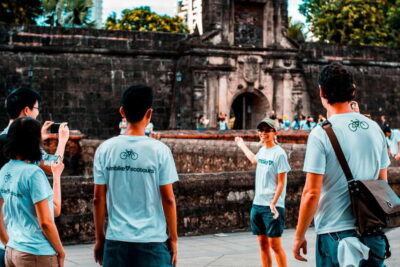
Intramuros, Manila: Historical Bamboo Bike Tour
Read our review →
The Original Cebu City Historical and Food Walking Tour
Read our review →
Explore Intramuros: Introduction to Philippine History
Read our review →
Experience Manila’s Heritage: Intramuros & More in Half a Day!
Read our review →
Exploring Cebu City’s rich history and Uphill Tour
Read our review →
Browse the lists this tour appears in