
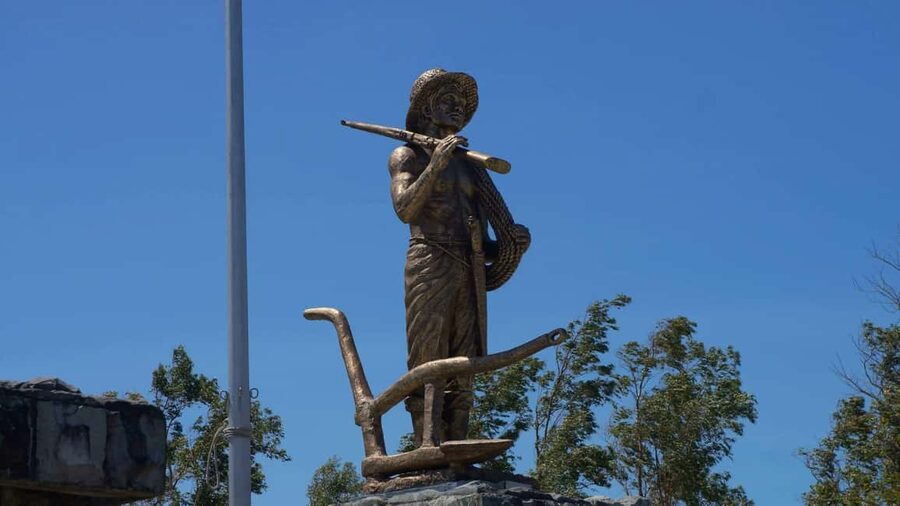
Reviewed · GUIDED
Manila: Corregidor Island Guided Tour w/Hotel Pick up & Drop
Corregidor is more than an island sightseeing stop. It is a wartime fortress where enormous coastal guns, ruined barracks, tunnels, and memorials tell the story of the Philippines during World War II. The setting at the mouth of Manila Bay gives the visit both military importance and fine sea views.
I like two things right away: the island tram lets you cover a lot without a hard hike, and the guide gives the scattered ruins a human story. I also like that lunch, entrance fees, hotel pickup, and boat transfers are included. The main drawback is the long road journey. Reaching the Bataan jump-off from Manila can take about 3 to 3.5 hours before the island visit even begins.
Key points at a glance
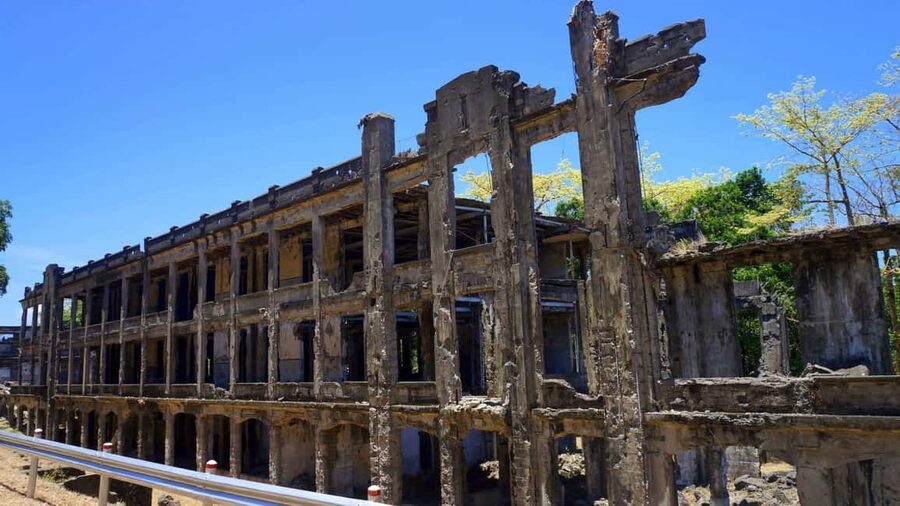
- A full-day military history trip: Expect roughly 7 to 8 hours, with most of the day devoted to transport and guided sightseeing.
- Corregidor by island tram: The tram makes it practical to visit the Malinta Tunnel, batteries, memorials, old barracks, and viewpoints in one outing.
- Battery Way and Battery Hearn: These huge coastal guns show why Corregidor was known as the Rock guarding Manila Bay.
- A quieter side of the island: The Japanese Garden of Peace offers a calm memorial stop after the heavier wartime sites.
- Views from the Spanish Lighthouse: Climbing here adds a scenic break and broad views across Manila Bay.
- Pack for a long day: Wear comfortable shoes, bring cash and a charged phone, and carry a change of clothes, sunscreen, and insect repellent.
Why Corregidor deserves a full day
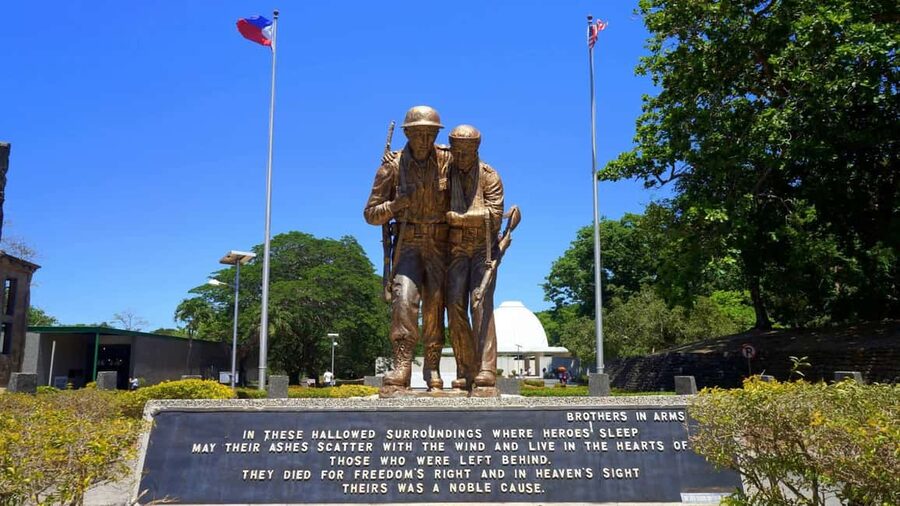
Corregidor sits at the entrance to Manila Bay, a position that made it a key defense point for the Philippines. Its military role began before World War II, and the island later became closely tied to the fighting between American and Filipino forces and Japan.
That setting gives the tour more weight than a simple ruin visit. You are not only looking at old concrete and rusting guns. You are seeing the remains of a place built to control ships entering the bay, then used during one of the most difficult periods in Philippine history.
I like this kind of visit because the island makes military history physical. The size of the batteries helps you understand the scale of the defenses. The damaged buildings show how war affects everyday places, not just battlefields. A guide matters here because many of the structures are worn, open to the weather, or difficult to interpret on their own.
The experience is conducted in English, and private or small-group arrangements are available. The shared tram and boat portions are also intended to bring people together, so this is not a fully private island experience unless your booking specifically provides that setup.
A few more Manila days worth weighing up
- Manila: Guided Sunset Bamboo Bike Tour in Intramuros
★ 4.8 · 119 reviews - Manila: Guided Tuk Tuk Ride
★ 4.8 · 57 reviews - Manila: Guided Night Market Experience
★ 5.0 · 54 reviews
The long road from Manila to the jump-off point
Hotel pickup is included from Manila, Quezon City, and Pampanga. The drive toward Bataan is one of the most important practical details to understand before booking. The stated travel time from Manila is around 3 to 3.5 hours, and road conditions can change the schedule.
That makes this a demanding day. You will have time to rest in the van, but you should not think of the tour as seven or eight hours of sightseeing. A meaningful portion is spent getting to the coast, crossing to Corregidor, and returning afterward.
I would book this tour when you want one organized day focused on Corregidor and do not want to arrange the van, boat, tram, guide, meals, and entrance fees separately. I would not choose it for a slow, relaxed day or if long road transfers are difficult for you.
The transport information refers to a boat or ferry connection from Manila or Bataan, with a round-trip trigger boat from the jump-off point to Corregidor included. Since the exact launching point and boat schedule can vary, confirm the departure details before travel. Weather and sea conditions can also affect timing.
A poncho is provided in case of rain or a cool boat ride. Still, I would carry light rain protection and a change of clothes. The supplied advice to bring biodegradable sunscreen and insect repellent is sensible for an outdoor day beside the water.
Crossing to Corregidor by boat

The water crossing is part of the appeal. Manila Bay gives you a different view of the city and the surrounding coast, while the approach to Corregidor helps you understand why the island mattered as a defensive position.
Boat travel also brings the day’s first practical caution. One previous participant gave the overall experience a top score but pointed out that the life jackets did not have enough size variety, and some straps were missing or difficult to adjust. I would check your jacket carefully before departure and ask for a better fit if needed, especially for children or anyone needing a larger or smaller size.
The boat portion is shared, as is the island tram. That means you should expect some waiting and group movement. The tradeoff is a more social trip and a simpler setup than arranging each section yourself.
Bring only what you need. Large bags and luggage are not allowed, and a small day bag is more useful than a suitcase. Keep your phone charged for photos and practical communication. Cash is also listed as something to bring, which is wise for personal expenses not covered by the tour.
Seeing Corregidor from the island tram
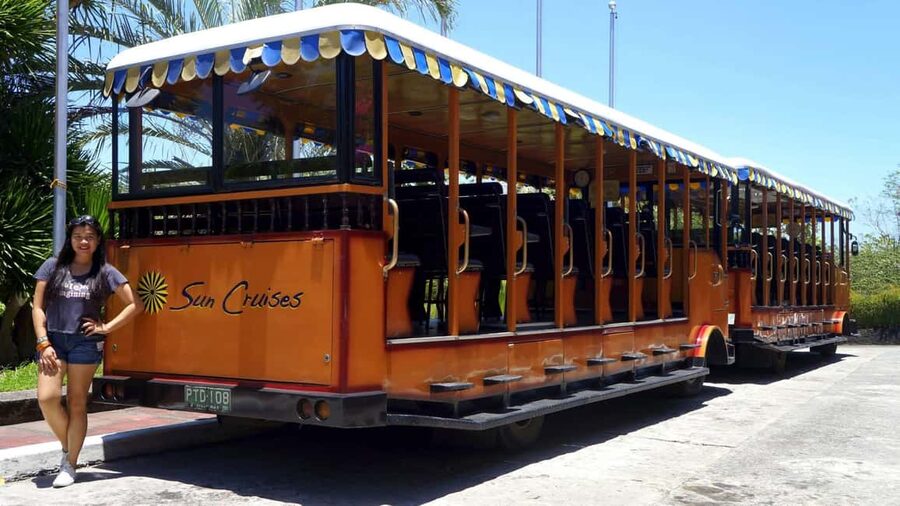
The tram is one of the tour’s best practical features. Corregidor is not a single compact ruin. Its sights are spread across the island, and the vehicle allows you to reach major locations without turning the visit into a strenuous walk.
You will pass through a mix of military remains, open areas, memorial sites, and viewing points. The exact order can change because of weather, road conditions, group pace, and physical ability. Think of the published schedule as a guide rather than a guarantee.
I like the tram because it preserves your energy for looking and listening. You can focus on the guide’s explanation instead of spending the day trying to navigate between distant structures. The limitation is that you will not control every stop for as long as you might on a private walking visit.
Comfortable shoes still matter. You may need to walk around each stop, climb at the lighthouse, and move across uneven surfaces. The tour is not suitable for babies under one year or people over 95, and anyone with limited mobility should ask about the day’s walking demands before paying.
Same islands, a completely different kind of day:
- Intramuros, Manila: Historical Bamboo Bike Tour
★ 4.8 · 583 reviews - Experience Intramuros with Bamboo Bicycle – Ecotours
★ 5.0 · 508 reviews - Manila: Intramuros, Chinatown, and Old Manila Half-Day Tour
★ 4.8 · 475 reviews - Manila: Old & New 4-Hour City Tour
★ 4.5 · 458 reviews
Malinta Tunnel and the wartime story
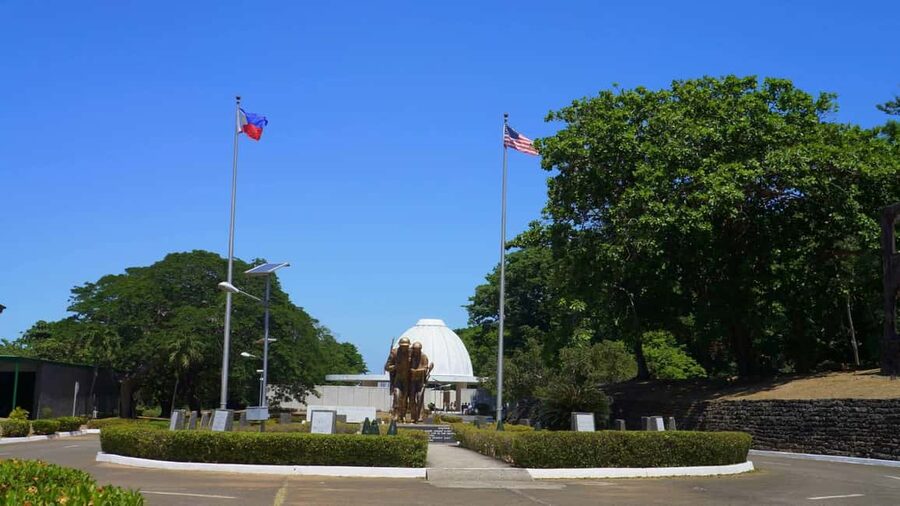
Malinta Tunnel is among the island’s most important sites. It was built as a protected military complex and became closely linked with command operations during World War II. The tunnel helps explain how the island functioned under threat, with its underground spaces offering protection from bombardment.
A guide is especially useful here. An empty tunnel can be hard to read without context. The value comes from learning how it fitted into the wider defense system and what it meant to the people stationed on the island.
Do not expect a polished museum setting at every stop. Corregidor is a living outdoor historic site, and weather, wear, and damage are part of what you see. That raw quality can make the visit more affecting, but it also means you should wear practical clothes and listen closely to safety instructions.
Battery Way and Battery Hearn
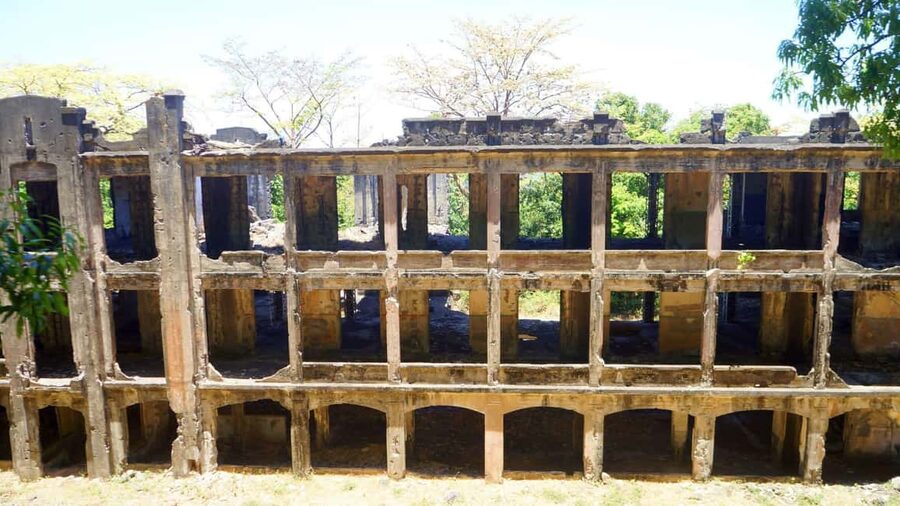
The coastal batteries are the clearest reminder of Corregidor’s military purpose. Battery Way and Battery Hearn feature massive guns designed to protect the entrance to Manila Bay. Their size gives the best sense of the island’s defensive power.
I find these stops valuable even for visitors who are not military enthusiasts. The guns are easy to understand visually. You can see the machinery, the concrete positions, and the relationship between the batteries and the water they were meant to cover.
The batteries also help balance the memorial sites. Corregidor is not presented only as a place of loss. It was a working fortress with a technical purpose, and these installations show the engineering and planning behind that role.
Your time at each battery may depend on the group schedule. If photography matters to you, keep your camera or phone ready, but do not let pictures replace the explanation. The guide’s account is what turns the objects into a meaningful stop.
Pacific War Memorial and the old barracks
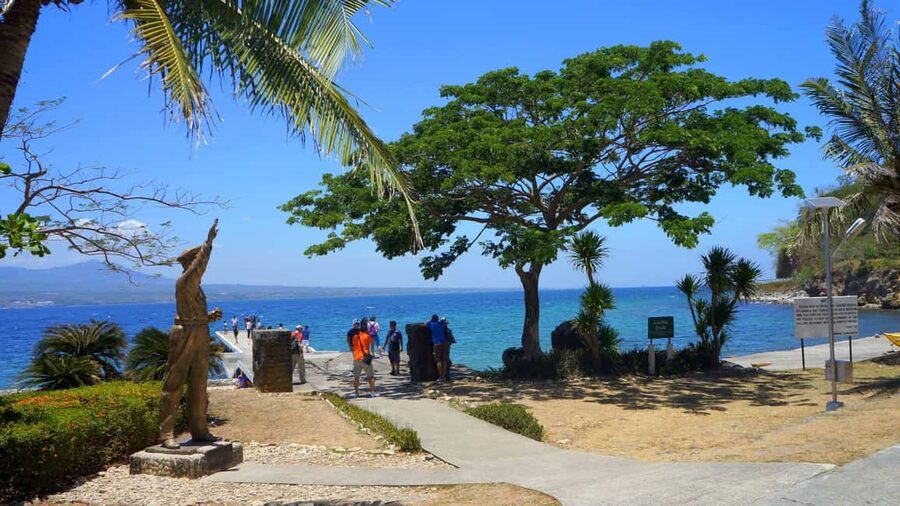
The Pacific War Memorial adds a more reflective part to the day. It connects Corregidor to the wider Pacific conflict and honors the people involved in the fighting. The old barracks, meanwhile, show the everyday side of military life.
Ruined barracks can look plain at first. I would give them time. They help you picture Corregidor as a lived-in post rather than a collection of isolated monuments. Soldiers worked, rested, prepared, and waited here. The remains make that routine easier to imagine.
This is also where the guide’s storytelling can have the greatest value. The tour promises compelling war stories, but no guide’s name is provided in the available information. You will have an English-speaking guide, and the quality of the day will depend in part on how clearly that person links the sites together.
Japanese Garden of Peace
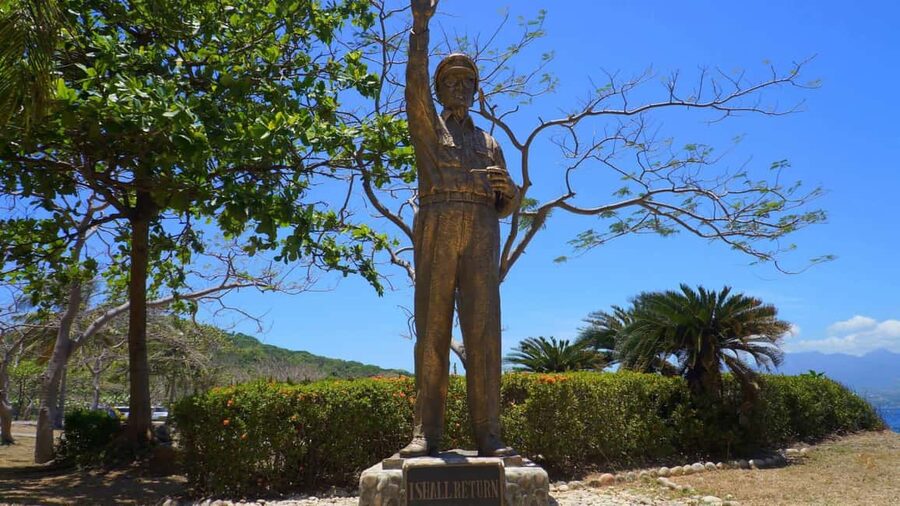
The Japanese Garden of Peace offers a quieter pause in the schedule. Its purpose is memorial rather than defensive, and the calmer setting gives you room to reflect after the batteries, tunnel, and wartime ruins.
I like having this kind of stop in a military tour. Without it, the day could become a rapid sequence of weapons and damaged buildings. The garden brings attention back to remembrance and the human cost of war.
Keep your expectations measured. This is a memorial visit, not a long garden walk or a separate cultural program. Its value is in the setting and the change of mood. Take a few quiet minutes, listen to the guide, and consider how the same island is remembered from different sides of the conflict.
Spanish Lighthouse and Manila Bay views
The Spanish Lighthouse supplies one of the day’s strongest scenic moments. You can climb for panoramic views across Manila Bay, giving you a clear sense of Corregidor’s position at the bay entrance.
This stop breaks up the heavier historical material. After spending time with tunnels, guns, and wartime accounts, the open view offers a chance to reset. It also makes the island’s strategic location easier to understand from above.
The climb means comfortable footwear is important. The available information does not give the number of steps or describe accessibility, so ask the operator if climbing is a concern. Weather may also affect the view and the route.
Lunch and what the price covers
A Filipino lunch is included, which is useful on a long day with limited free time. You will not need to leave the group to find a meal, and lunch gives you a proper break before continuing the tour.
The $306 per person price is high for a day trip, so value depends on what you would otherwise arrange yourself. The package includes hotel pickup and return, the boat transfer, an English-speaking guide, island tram transport, island entrance, a Filipino lunch, and the listed Bataan and Mount Samat fees. A poncho is also supplied if conditions turn wet or cool.
That bundle can make sense if you value convenience and have only one day available. It is less attractive if you are already near the departure point, prefer independent travel, or want to control every stop and meal.
One detail deserves clarification before booking: Mount Samat entrance and a Bataan tour guide are listed among the inclusions, but the supplied schedule focuses on Corregidor and does not clearly describe a separate Mount Samat visit. Ask exactly how those inclusions fit into your departure and return plan. That question could affect your view of the price.
Who should book this Corregidor tour?
I would recommend it to you if you want a guided introduction to Corregidor, prefer hotel pickup, and value having the transport and major fees handled in one booking. It suits adults, older children who can manage a long day, and anyone interested in World War II, military sites, memorials, or Manila Bay views.
It is also a good choice if you are staying in Manila and do not want to solve the Bataan transfer and boat connection yourself. The tram keeps the island visit manageable, and lunch removes one more planning task.
I would think twice if you dislike long van rides, need a flexible schedule, carry large luggage, or expect a quiet private tour from start to finish. The island portions are shared, and weather, traffic, sea conditions, and group pace can change the plan.
The tour has a 4.2 rating from four recorded ratings, with one five-star account praising the thorough island coverage and boat ride while noting problems with life-jacket sizing and straps. That is a useful picture of the experience: strong coverage and convenience, with a few practical details worth checking.
Should you book it?
Book this tour if Corregidor is a priority and you want the easiest all-in-one way to reach it from Manila. The long transfer is the price of access, but the island tram, guide, lunch, boat, and included fees make the day much simpler than arranging each piece alone.
Before you pay, confirm the exact pickup time, boat departure point, Mount Samat arrangements, group size, and life-jacket availability. If those details suit you, this is a worthwhile history day with powerful military sites, peaceful memorial spaces, and some of the best views around the entrance to Manila Bay.
FAQ
How long does the Corregidor tour take?
The stated duration is 7 to 8 hours. The drive from Manila to Bataan takes approximately 3 to 3.5 hours, not including the boat crossing and island sightseeing.
Is hotel pickup included?
Yes. Round-trip van pickup is included from Manila, Quezon City, and Pampanga.
What transport is used on Corregidor?
A round-trip trigger boat takes you from the jump-off point to Corregidor, and a tram transports you around the island.
Is lunch included?
Yes. A Filipino lunch is included. Other meals are not included.
Is the tour conducted in English?
Yes. The tour includes a live English-speaking guide.
Can I cancel the tour or pay later?
You can cancel up to 24 hours in advance for a full refund. Reserve now and pay later is also available.
Just added around Manila
- 3 Days Private Tour in Banaue Ifugao visiting Batad Rice Terraces★ 3.5 · 3 reviews
- Unforgettable Manila Fishing Village Day Excursion 2024★ 5.0 · 4 reviews
- indigenous Forest experience Manila 2023★ 5.0 · 4 reviews
- Cultural Dinner and Show in Manila★ 5.0 · 4 reviews
- Shared Old Manila Tour★ 5.0 · 5 reviews
- Shared Cruise Shore Excursion of Manila Old and New City Tour★ 4.0 · 10 reviews
- 5 Days Sagada Banaue Batad Discovery (PRIVATE GROUP TOUR Max 6 Travellers)★ 5.0 · 16 reviews
- Transfers from Manila, Makati, Taguig and Pasay Hotel to Airport★ 4.0 · 6 reviews
Guided, compared.


Waterfall Hopping & Secret Jungle Trails Guided Tour
Read our review →


Browse the lists this tour appears in