
Reviewed · MANILA TOURS
Bataan Death March memorial tour
The most powerful part of this tour is its personal connection to the Bataan Death March. Guides such as JB Quemado have shared stories passed down from relatives who survived the march and POW camps, giving the memorials a human face. You are not simply checking off monuments. You are visiting places tied to surrender, imprisonment, sacrifice, and memory.
I like the private format, which lets your group ask questions and adjust the day to your interests. I also like the mix of formal memorials and smaller museum collections, especially the Bamban Museum of History. The drawback is clear: this is a long day, with heavy road time, and the exact route may run in reverse to avoid an even longer drive.
Key points to know before booking
- A private group of up to four gets hotel pickup in the Manila area and a guide focused on your questions.
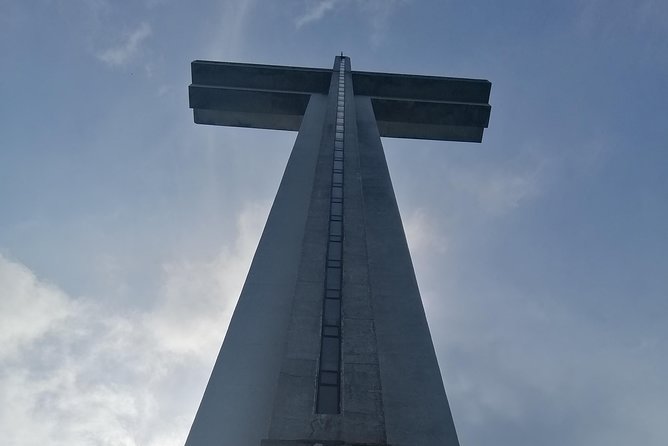
- Mount Samat National Shrine provides the grandest setting, with a one-hour visit and admission included.
- Capas National Shrine, formerly Camp O’Donnell, helps explain the POW experience after the 1942 surrender.
- Bamban Museum of History is a private collection where the curator shares local stories and displays wartime relics.
- Family wartime stories from guides such as JB Quemado can add emotional detail that a solo visit may lack.
- Plan for about 10 hours, starting at 7:00 a.m., with substantial driving between Manila and the sites.
Why this day matters beyond the monuments
The Bataan Death March memorial tour is built around a painful chapter in Filipino and American history. The places on the route connect the military defeat in 1942 with the suffering that followed. You visit a surrender site, a former POW camp, national memorials, and museums that preserve objects and stories from the war.
That range is important. A single monument can feel symbolic and distant. A museum can feel factual but detached. Together, these stops give you several ways to understand what happened, including the military story, the experience of prisoners, and the way Filipino families remember the period.
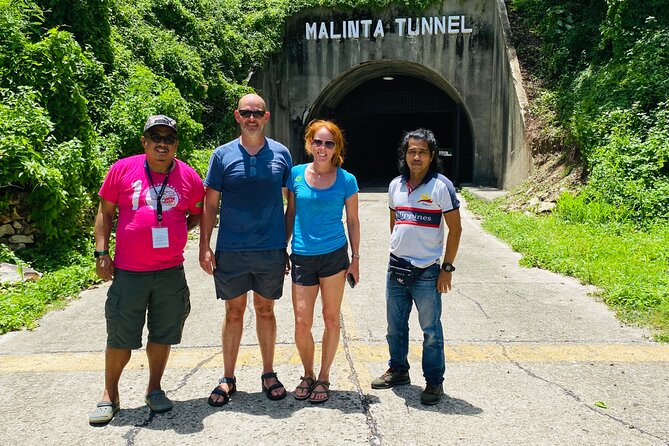
I would choose this tour if you want context rather than a quick photo stop. The guide can explain how the sites relate to one another, point out details you could miss alone, and answer questions as the day unfolds. Some guides also share family experiences. JB Quemado has connected the tour to his grandfather’s participation in the march and POW experience, while another guide, Ferdinand Contreras, has been praised for giving a clear account of the events.
This is not a light sightseeing outing. The subject includes brutality, imprisonment, and death. You should expect a serious tone, though the guides can also bring warmth and conversation to a long day on the road.
A few more Manila days worth weighing up
- Intramuros, Manila: Historical Bamboo Bike Tour
★ 4.8 · 583 reviews - Experience Intramuros with Bamboo Bicycle – Ecotours
★ 5.0 · 508 reviews - Manila: Intramuros, Chinatown, and Old Manila Half-Day Tour
★ 4.8 · 475 reviews
The 7:00 a.m. start and the long road from Manila
Pickup is offered from hotels in the Manila area, and the tour begins at about 7:00 a.m. That early departure is necessary because the sites are spread across several areas, not gathered in one compact historic district.
The driving is the main practical issue. The route can take roughly four hours to reach the Mariveles or Bagac area, according to the tour provider’s explanation of the schedule. Because of that, the day may begin at Camp O’Donnell and continue toward Bataan, even though the listed stops are presented in a different order.
You should confirm the order with your guide at the start. A reverse route is not a flaw by itself. It may be the sensible way to fit the sites into one day. But if you have a particular stop you most want to see, ask about it before leaving Manila.
The private vehicle makes the road time easier than joining a large bus group. You can talk with the guide, ask for clarification, and make reasonable adjustments within the day. Still, do not book this expecting a relaxed morning and a short afternoon. The tour lasts about 10 hours, and the distance is part of the experience.
Mount Samat National Shrine and the view from the memorial
Mount Samat National Shrine, also called Dambana ng Kagitingan, is the grand memorial stop. Its purpose is to honor those who fought during World War II, and its position on Mount Samat gives the visit a strong sense of place.
You have about an hour here, with admission included. That is enough time to take in the shrine, listen to the guide, and appreciate the setting without turning the stop into a rushed photograph. The scenic view from the shrine has been singled out as one of the memorable parts of the day.
This stop works best when your guide supplies the context. The monument can look impressive on its own, but the meaning comes from understanding whom it honors and how it fits into the Bataan campaign. Ask your guide to connect the site with the surrender and the later march.
Mount Samat is closed on Mondays. Check the day of your booking carefully, since this is one of the fixed limits on the itinerary. If the shrine is your main reason for booking, do not leave the schedule to chance.
The Bataan World War II Museum and the 1942 surrender
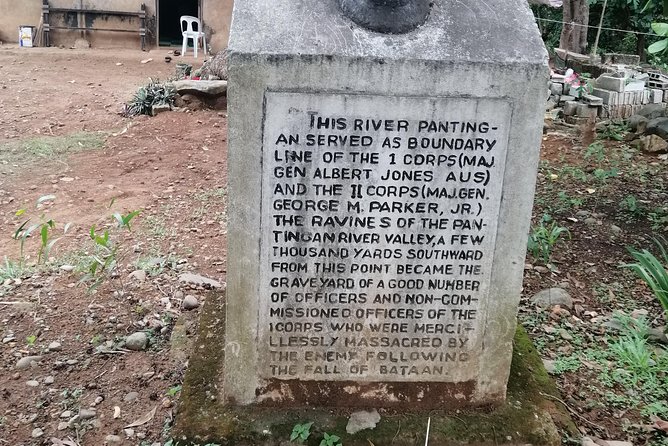
The Bataan World War II Museum is scheduled for about 30 minutes, with admission included. It marks the surrender site of the USAFFE forces in 1942, making it one of the key points for understanding why the march and imprisonment followed.
Thirty minutes is not a long museum visit. I would treat this as a focused stop rather than an attempt to study every display. Listen closely to the guide and use the time to establish the basic sequence of events. If you have detailed military questions, ask early and clearly, since the time here is limited.
The value of this museum is its direct link to the surrender. You are not looking at an unrelated wartime collection. You are standing at a place tied to the transition from combat to captivity, which gives the rest of the day greater weight.
One important planning point is that the tour does not include the San Fernando station. The provider has stated that it has been under construction since December 2022. If that location is essential to your plans, ask for a current update before booking rather than assuming it is part of the route.
Same islands, a completely different kind of day:
- Manila: Old & New 4-Hour City Tour
★ 4.5 · 458 reviews - Manila Food Tour: Introduction to Philippine Street Food
★ 5.0 · 417 reviews - Manila Old and New: Sightseeing Tour Including Intramuros and Fort Santiago
★ 4.5 · 377 reviews - Makati Nightlife: VIP Access to Clubs, Rooftops & Go-Go Bars
★ 4.9 · 278 reviews
Capas National Shrine and the former Camp O’Donnell
Capas National Shrine is the stop most directly tied to the POW story. It was formerly Camp O’Donnell, identified here as a concentration camp for Filipino POWs in 1942. You have about 30 minutes, and admission is included.
The short visit means you should focus on the meaning of the place and the guide’s explanation. This is not simply another memorial. It helps you understand what happened after the surrender, when prisoners were held in harsh conditions.
For many people, Camp O’Donnell is the emotional center of the tour. The march itself can seem like a single event in a textbook. This site reminds you that imprisonment continued after the march and that the suffering did not end when prisoners reached the camp.
The tour may start here because of the long drive from Manila to the Bataan area. That can make the day feel out of sequence if you expected to begin at Mount Samat. I would not judge the tour by the order alone. Ask the guide to explain the timeline as you move between locations, and the reverse route can still make good historical sense.
Bamban Museum of History and its local wartime stories
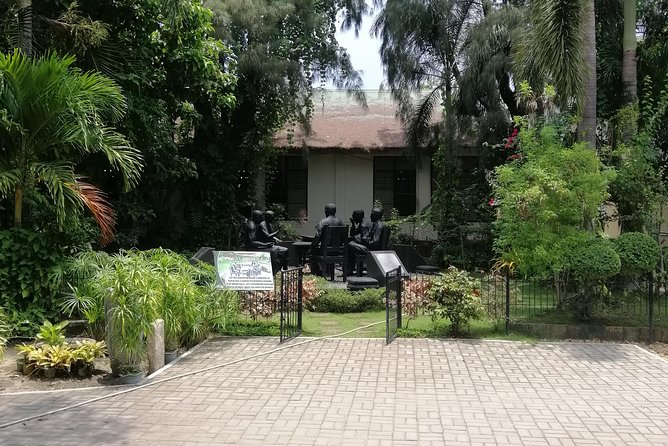
The Bamban Museum of History is a private museum with a collection of relics from the area. The curator shares stories about places and people connected with the war, and you have about an hour here. Admission is free.
This is likely to feel different from the larger memorial sites. Instead of a formal national monument, you get a smaller collection shaped by local knowledge. The museum has been described as one of the most remarkable parts of the day, especially for its material from the battles around Bamban.
I like the contrast. Official memorials tell you what a nation chooses to remember. A private museum can preserve objects and stories that feel more local and personal. The quality and presentation may not be as polished as a major state museum, so keep your expectations realistic. Its strength is the material and the storytelling, not a grand visitor center.
The curator’s explanations matter here. Take time to ask how the objects relate to nearby places and personalities. If you are interested in military history, this is a stop where specific questions can turn a short visit into a much more useful one.
The guides make or break the experience
The strongest part of this tour is the guide-led interpretation. The company is associated with JB Quemado, and guides named JB, Vincent, and Ferdinand Contreras have been connected with the experience. Your assigned guide may vary, so you should not assume one particular person is guaranteed unless the provider confirms it.
JB’s family connection is especially meaningful. He has shared his grandfather’s experience as a participant in the march and POW period, giving the history a direct family link. Another guide has also spoken about a grandfather who took part in the march. Those stories do not replace historical explanation, but they can help you grasp how the war remained part of Filipino family memory.
Several parts of the tour require careful explanation. The route can be reversed, some sites have limited visiting time, and not every wartime location is included. A good guide should help you understand those choices and connect the stops instead of treating each one as an isolated attraction.
I would come with a short list of questions. Ask about the surrender site, the purpose of each memorial, the connection between Camp O’Donnell and the march, and the local stories preserved at Bamban. The private format gives you a better chance to shape the conversation than a large group tour.
Is $350 a fair price for up to four people?
The price is $350 per group of up to four people. If four people share the booking, that works out to $87.50 per person before any separate personal expenses. For a private, full-day outing with hotel pickup, a driver, a guide, and included admission at the listed paid sites, that is a reasonable value for a small group that wants focused attention.
The calculation changes if you are traveling alone or as a pair. One person pays the full group price, and two people effectively pay $175 each. The private format is most attractive for four people, families, or friends who would rather have their own vehicle and guide than join strangers.
The value also depends on your interest. If you care about World War II history and want to visit several connected sites in one day, the cost covers a lot of ground. If you want a short cultural outing close to Manila, the long driving time may make the price feel less appealing.
Admission is included at Mount Samat National Shrine and the Bataan World War II Museum. The Bamban Museum of History has no admission charge. The main thing you are paying for is the transport, coordination, and guide access over a very long day.
Who should book this private memorial tour?
This experience suits you if you have a strong interest in military history, Filipino history, family wartime stories, or memorial sites. It also suits a small group that values privacy and wants to ask questions without waiting for a large group to move along.
Families can find it meaningful, especially if older children or teenagers already have an interest in World War II. The topic is serious, so parents should decide if the subject is suitable for their group.
You should think twice if you dislike long drives or prefer a slow visit at each museum. The itinerary covers four main stops, but two of them allow only about 30 minutes. The day favors breadth and historical connections over extended time at one site.
Most people can participate, and service animals are allowed. The activity is private, so only your group takes part. Confirmation is provided at booking, and you can cancel for a full refund up to 24 hours before the start time. If poor weather cancels the tour, you are offered another date or a full refund.
What to know before you commit
I would confirm three things before paying. First, ask which guide is assigned if the personal family connection is important to you. Second, confirm the day’s order, since the route may begin at Camp O’Donnell rather than Mount Samat. Third, ask about the current condition of any site you consider essential, especially locations affected by construction.
Bring patience for the road. The tour covers a wide area, and the long transfer is not wasted if you use it to talk with the guide, but it can be tiring. A 7:00 a.m. start also means you should be ready for a full day rather than a casual half-day outing.
The 91 percent recommendation and 4.7 rating from 35 ratings suggest that the experience works very well for many people, but the lower assessment points to real risks: poor route communication, incomplete expectations, and questions that may not receive detailed answers. That is useful warning information. Settle the route and your must-see priorities before departure.
Should you book the Bataan Death March memorial tour?
Book it if you want a serious, personal, full-day look at the Bataan Death March and the POW experience. The combination of Mount Samat, the surrender site, Camp O’Donnell, and Bamban gives you a wider understanding than a single memorial visit. The family stories shared by guides such as JB Quemado can make the history feel close and human.
Skip it if you want minimal driving, a short schedule, or a polished museum circuit. The tour is demanding, and the route can change to make the distance manageable. For a group of four with a real interest in the subject, though, the private format offers solid value and a respectful way to remember the people who suffered.
FAQ
How long is the Bataan Death March memorial tour?
The tour lasts approximately 10 hours.
What time does the tour start?
The stated start time is 7:00 a.m.
Is hotel pickup available?
Yes. Transfers are offered from hotels in the Manila area.
How many people can join the private tour?
The price covers a private group of up to four people.
Which sites are included?
The main stops are Mount Samat National Shrine, the Bataan World War II Museum, Capas National Shrine, and Bamban Museum of History.
Is admission included?
Admission is included at Mount Samat National Shrine and the Bataan World War II Museum. Admission to Bamban Museum of History is free.
Is Mount Samat National Shrine open every day?
No. Mount Samat National Shrine is closed on Mondays.
Can I cancel the booking for a refund?
You can cancel at least 24 hours before the experience start time for a full refund. Changes or cancellations made less than 24 hours before the start are not accepted for a refund. If poor weather causes the tour to be canceled, you are offered another date or a full refund.
Just added around Manila
- 3 Days Private Tour in Banaue Ifugao visiting Batad Rice Terraces★ 3.5 · 3 reviews
- Unforgettable Manila Fishing Village Day Excursion 2024★ 5.0 · 4 reviews
- indigenous Forest experience Manila 2023★ 5.0 · 4 reviews
- Cultural Dinner and Show in Manila★ 5.0 · 4 reviews
- Shared Old Manila Tour★ 5.0 · 5 reviews
- Shared Cruise Shore Excursion of Manila Old and New City Tour★ 4.0 · 10 reviews
- 5 Days Sagada Banaue Batad Discovery (PRIVATE GROUP TOUR Max 6 Travellers)★ 5.0 · 16 reviews
- Private Departure Airport Transfer in Manila Bay and Makati Area★ 5.0 · 3 reviews
Manila Tours, compared.

Intramuros, Manila: Historical Bamboo Bike Tour
Read our review →
Experience Intramuros with Bamboo Bicycle – Ecotours
Read our review →
Intramuros, Chinatown, and Old Manila Half-Day Tour
Read our review →

Manila Food Tour: Introduction to Philippine Street Food
Read our review →
Manila Old and New: Sightseeing Tour Including Intramuros and Fort Santiago
Read our review →
Makati Nightlife: VIP Access to Clubs, Rooftops & Go-Go Bars
Read our review →
Manila Food Tour: Explore World’s Oldest Chinatown
Read our review →Browse the lists this tour appears in