
Reviewed · MANILA TOURS
Manila Chinatown Hidden Gems with Venus
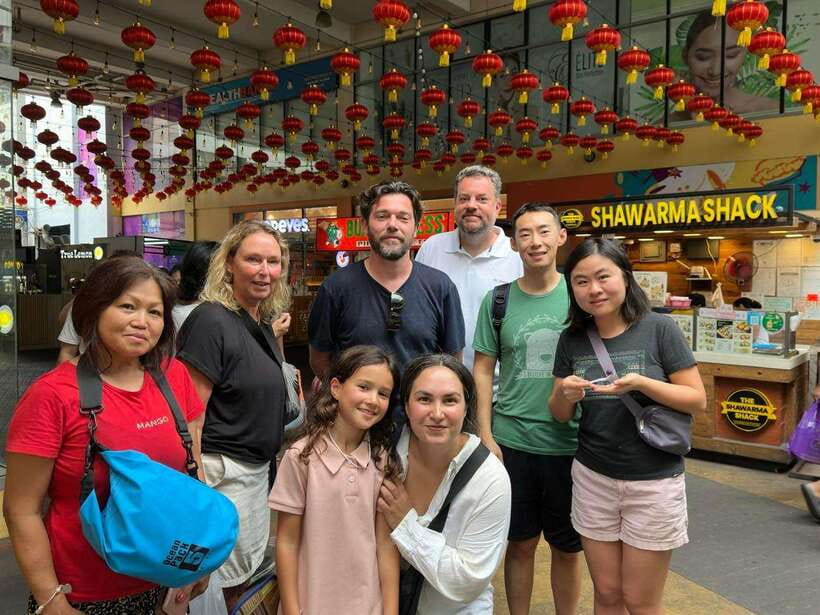
Binondo is best understood at street level, and this tour gets you there quickly. With Venus guiding you through Manila’s oldest Chinatown, you’ll see historic churches and temples, sample Chinese food, and use the local transport that makes the district tick.
I like the mix of food and local rides, especially the chance to try jeepneys, an electric tricycle, and a tuk tuk in one short outing. I also like that Venus takes you along streets you may skip on your own, adding useful context about Filipino-Chinese life and the surrounding communities. The main drawback is speed: two hours is packed, so you need to stay close and keep moving.
Key points about the Binondo tour
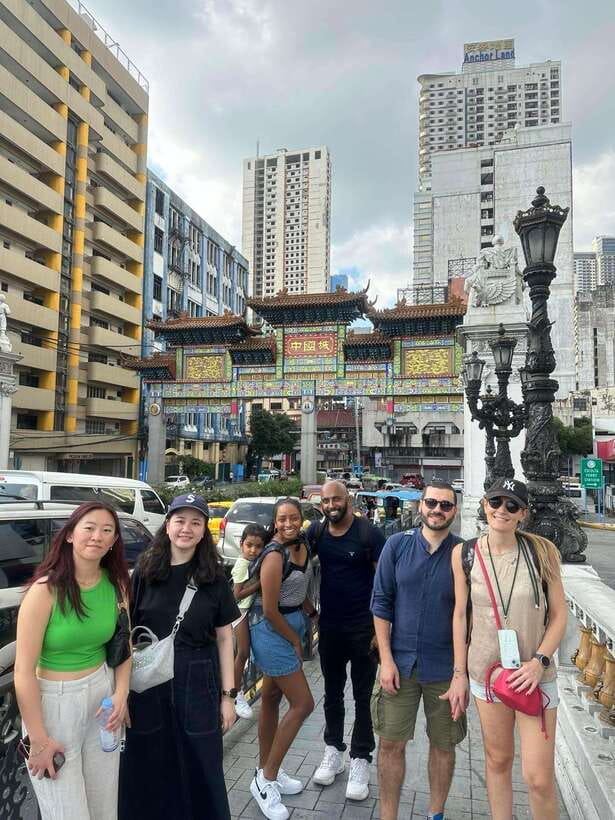
- Binondo Church dates to 1596, giving the tour a clear starting point in Manila’s long Filipino-Chinese story.
- Ongpin Street brings food and shopping together, with Chinese herbs, sweets, noodles, dumplings, and small local shops.
- Venus uses several forms of transport, including a jeepney, electric tricycle, and tuk tuk.
- Food stops may include dim sum, hopia, hand-pulled noodles, and street food, with Eng Bee Tin and Dong Bei Dumplings named as key places.
- Seng Guan Temple adds a religious and architectural stop, away from the food stalls and traffic.
- The pace is brisk, making this a good fit for curious, active visitors who want a lot in a short time.
Why Binondo works best with a local guide
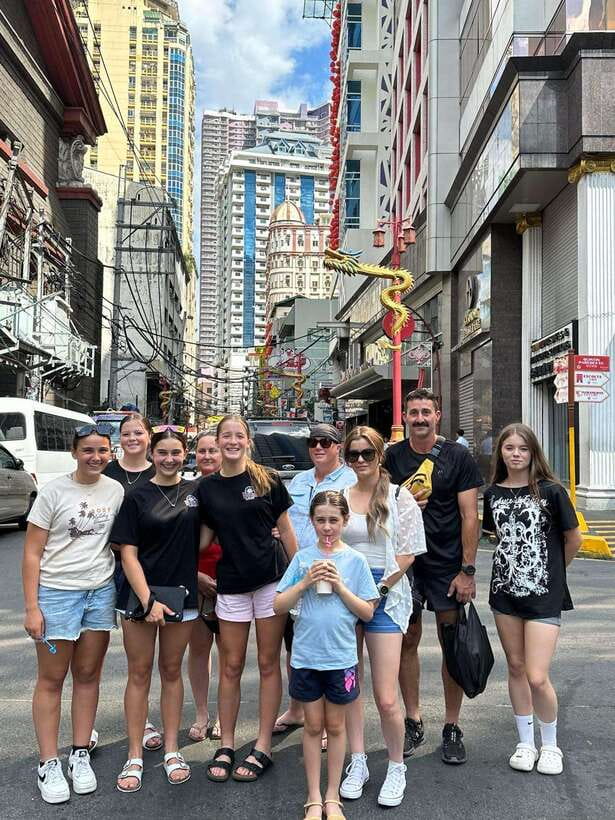
Manila’s Chinatown can look simple on a map. In practice, it is a tight network of streets, shops, food counters, religious buildings, and transport routes. The pleasure comes from understanding how the pieces fit together, not just from walking past them.
A local guide gives you that framework. Venus explains how Binondo developed, points out older buildings, and connects the district’s Chinese roots with present-day Filipino life. That matters because the area is not a museum. People shop, eat, pray, work, and commute here every day.
I especially like the practical side of this tour. You are not limited to the main road or the most obvious food stop. Venus takes you through side streets and less familiar parts of the district, places you might avoid on your own simply because you do not know where they lead.
The tour can also make the area feel easier to handle. You still need to pay attention, since the route moves through crowded streets, but Venus helps you understand where you are and how to move through each area. That is useful if you are new to Manila and want a first look without spending half your time checking a map.
A few more Manila days worth weighing up
- Intramuros, Manila: Historical Bamboo Bike Tour
★ 4.8 · 583 reviews - Experience Intramuros with Bamboo Bicycle – Ecotours
★ 5.0 · 508 reviews - Manila: Intramuros, Chinatown, and Old Manila Half-Day Tour
★ 4.8 · 475 reviews
Starting at Binondo Church and Tutuban Center
The meeting point is at Tutuban Center Mall, by the Bonifacio Monument. You should ask mall security where to find the exact meeting location, since the instructions do not give a more precise shop or entrance.
From there, the tour leads toward Binondo Church, a landmark dating to 1596. This is an important opening because it gives you a sense of how long the Filipino-Chinese connection has shaped the district. The church is not just a photo stop. It helps place Chinatown within Manila’s wider religious and civic story.
The starting area also helps you see the contrast that defines Binondo. Modern commercial activity sits close to old religious buildings, food shops, and streets used for ordinary errands. The district’s appeal comes from that overlap.
Give yourself enough time to reach Tutuban Center before the scheduled start. Manila traffic and the size of commercial areas can make even a short final approach take longer than expected. The meeting instructions specifically direct you to ask mall security, so use that option rather than wandering around the complex.
Ongpin Street: food shops, herbs, and small discoveries
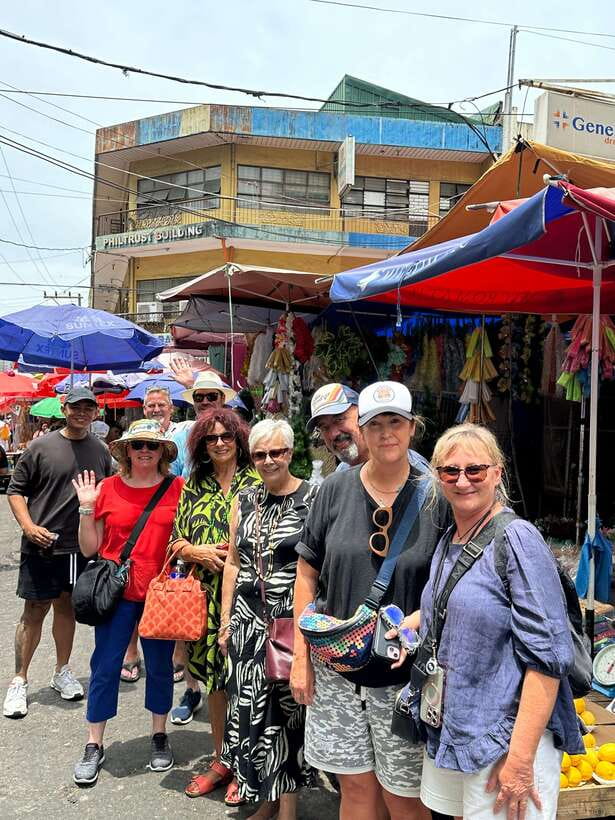
Ongpin Street is the tour’s main food and shopping corridor. It is lined with shops selling Chinese herbs, delicacies, trinkets, and prepared food. You will see a side of Manila that is more useful and local than a polished sightseeing strip.
This is where the tour’s food focus begins to make sense. Chinese cuisine in Binondo is not one single style. You might move from a sweet pastry to a savory dumpling, then try something spicy or noodle-based. The changing flavors reflect the district’s long Filipino-Chinese exchange.
Eng Bee Tin is known for Chinese pastries and delicacies, with hopia among the foods associated with the stop. Hopia is a compact pastry with a soft filling, and it makes a practical snack because it is easy to carry and share. Dong Bei Dumplings is another named stop, connected with dumplings and hand-pulled noodles.
The exact food tasting order can vary, so do not treat the tour as a fixed restaurant meal. Think of it as a guided introduction to several tastes and food traditions. If you have a serious allergy or dietary restriction, explain it to Venus before eating, since the supplied details do not specify allergy handling or vegetarian substitutions.
Eating through Binondo one bite at a time
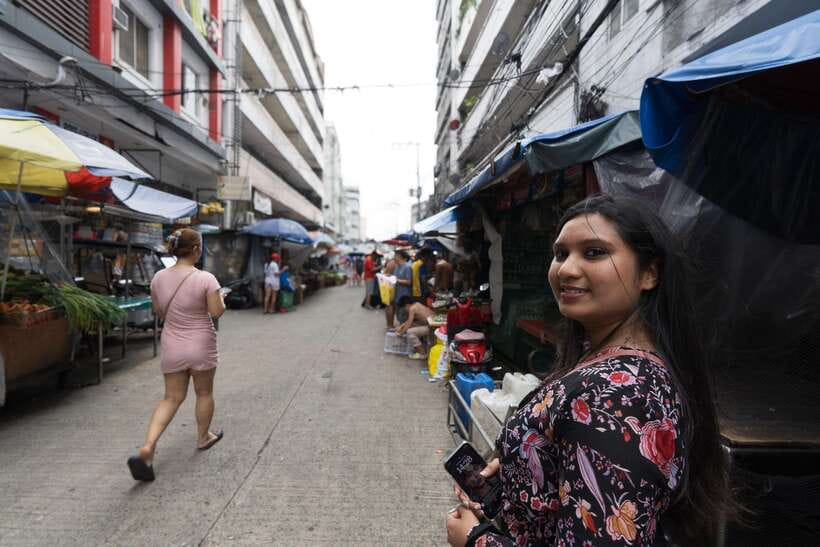
Food is one of the strongest reasons to book this tour. You get more than a list of restaurant names. Venus helps you connect what you eat with the neighborhood around you, and the short format lets you sample several kinds of Chinese food without committing to a single long meal.
Expect a mix of sweet, savory, and spicy dishes. Possible highlights include dim sum, hopia, dumplings, hand-pulled noodles, and other street foods. The appeal is variety. You may not leave with a full restaurant lunch, but you should leave with a better idea of what to order if you return to Binondo on your own.
The food stops also add rhythm to the walk. A historic building can be interesting, but after a stretch of traffic and narrow streets, a pastry or dumpling gives the tour an immediate, sensory reward. I like this balance because the food is not treated as an afterthought.
Keep your expectations realistic. A two-hour tour cannot offer a long sit-down meal at every stop. You are tasting and moving, not spending an afternoon over one table. If you prefer slow meals and plenty of time for photos, this schedule may feel rushed.
Same islands, a completely different kind of day:
- Manila: Old & New 4-Hour City Tour
★ 4.5 · 458 reviews - Manila Food Tour: Introduction to Philippine Street Food
★ 5.0 · 417 reviews - Manila Old and New: Sightseeing Tour Including Intramuros and Fort Santiago
★ 4.5 · 377 reviews - Makati Nightlife: VIP Access to Clubs, Rooftops & Go-Go Bars
★ 4.9 · 278 reviews
Riding jeepneys, a tricycle, and a tuk tuk
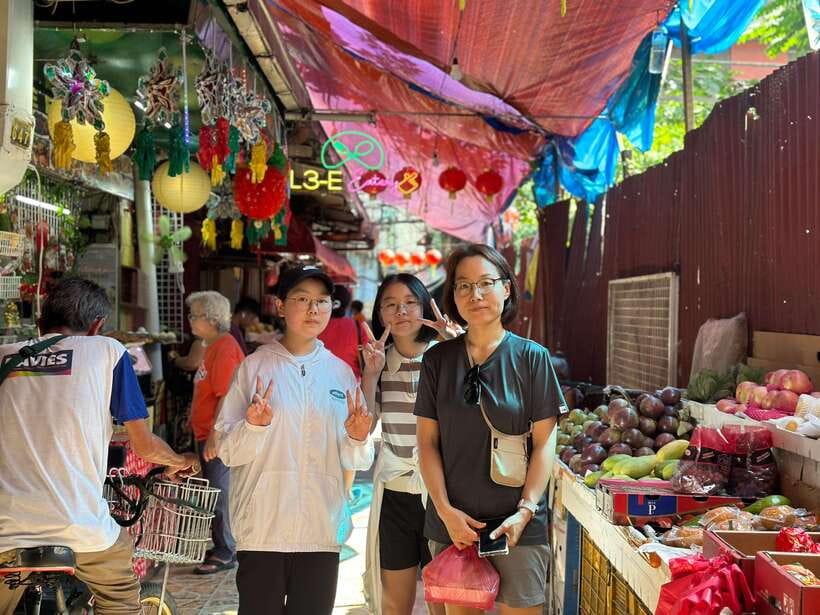
The transport is one of the most distinctive parts of the outing. The route includes a jeepney, an electric tricycle, and a tuk tuk, giving you a quick look at several ways people get around Manila.
A jeepney ride is useful because it puts you into the city’s everyday movement rather than keeping you on foot the entire time. The electric tricycle and tuk tuk add a smaller, more local feel. These rides are not just a novelty. They break up the walking and show how short trips through dense streets are handled.
The rides can also save time in a two-hour route. Instead of treating transport as a delay between sights, the tour makes it part of the experience. You move through the district while watching shops, signs, traffic, and pedestrians pass around you.
Pay close attention when changing vehicles or getting off. The route is fast, and one person described Venus as moving expertly through busy streets but stressed the need to keep up. That is a fair warning. Stay near the guide and avoid stopping far behind the group for photographs.
The activity information describes a small group limited to one participant, while the experience has also accommodated groups of four. Because the group size information is not fully consistent, confirm the arrangement when booking if a private or very small outing matters to you.
Seng Guan Temple and the quieter side of Chinatown
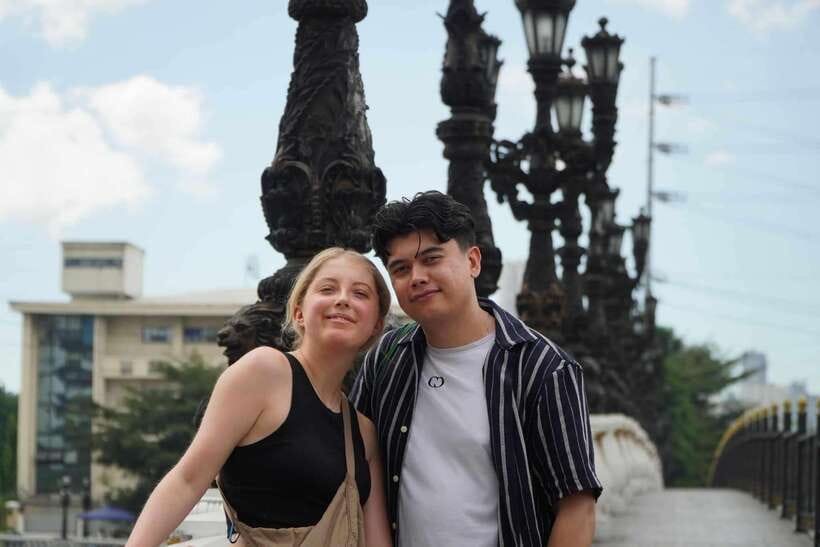
Seng Guan Temple gives the tour a needed change of tone. After food stalls, traffic, and commercial streets, a temple offers a chance to look at local religious practice and Chinese architectural detail.
The value here is not simply visual. A temple shows that Binondo is more than a food district. It is also a place where cultural traditions continue in daily life. Venus can help explain what you are seeing, although the exact amount of time at the temple depends on the pace of the route.
You should dress and behave respectfully at religious sites. The supplied information does not list specific clothing rules, opening hours, or photography policies, so follow local instructions at the entrance and ask Venus before taking close-up photographs.
The temple stop may appeal most to visitors who want cultural context rather than a checklist of famous buildings. It is a short part of a broader route, but it helps keep the tour from becoming only a food crawl.
Seeing local life beyond the main shopping streets
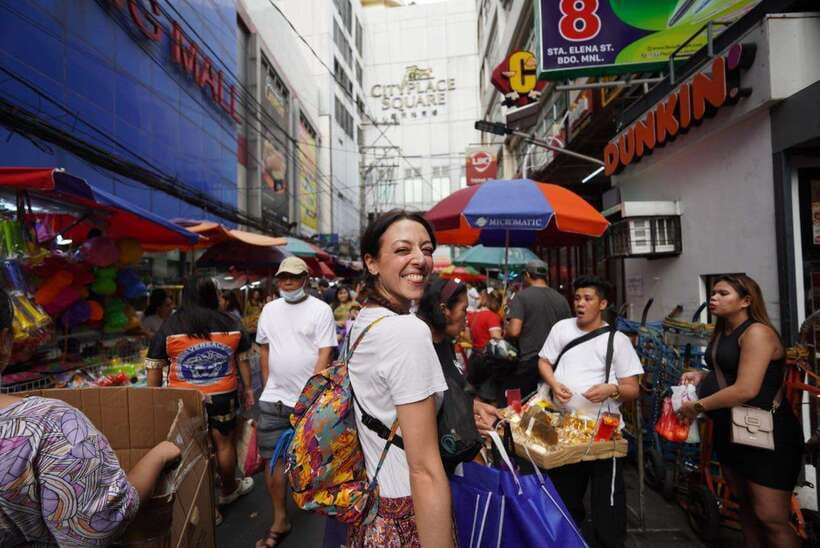
One of the tour’s strongest features is its use of less obvious streets. Venus guides you through areas you might skip if you were walking alone, including places where everyday living is visible alongside commerce.
This part requires a respectful attitude. The route can include poorer communities and areas described as slums. The useful approach is to listen, observe, and avoid treating people’s homes as scenery. Venus provides context about daily life, which can help you understand the district without turning it into a spectacle.
I appreciate that this element gives the tour some weight. You are not only seeing attractive storefronts or trying snacks. You are also getting a glimpse of the uneven conditions that shape life in Manila. The experience is still brief, so it cannot explain every social issue, but it can encourage you to look past the tourist-facing side of Chinatown.
The route may feel intense if you prefer quiet streets and long pauses. Busy traffic, close quarters, and quick changes from one area to another are part of the setting. That is a reason to choose this tour for its access and context, not for a calm stroll.
What $65 means for the value
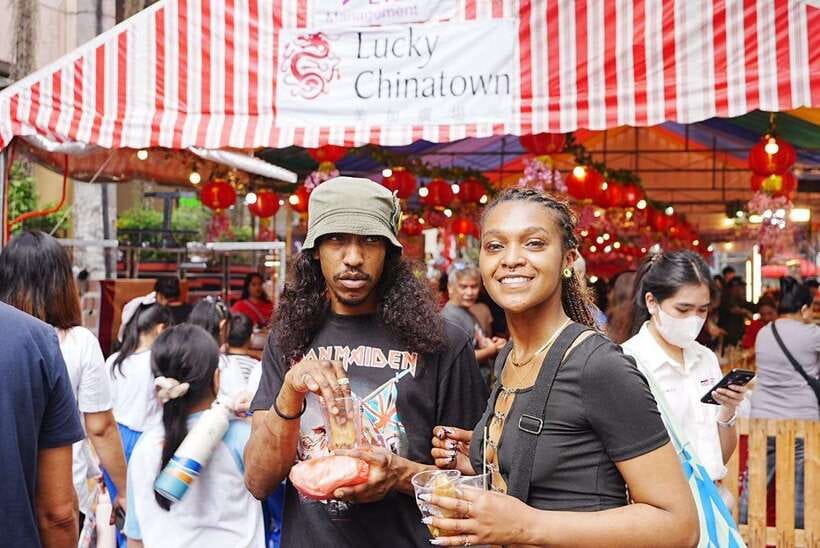
At $65 per person, this is not the cheapest way to buy a snack or walk around Binondo. You are paying for access, guidance, food tastings, transport experiences, and the time saved by having someone organize the route.
The value is strongest if you are visiting Manila for a limited time, feel unsure about navigating Chinatown, or want to combine several activities in one short outing. A self-guided visit may cost less, but you would need to research the history, choose food stops, work out the transport, and decide which side streets are worth your time.
The price is less convincing if you only want a relaxed meal or if you already know Binondo well. You may prefer to spend two hours at your own pace, especially since the tour moves quickly and the group-size details need clarification.
Water is included, along with an English-speaking local guide. Those inclusions are modest, but useful in Manila’s heat and traffic. Free cancellation up to 24 hours before the tour and the option to reserve now and pay later also reduce the risk of fitting it into a changing itinerary.
Who will enjoy this two-hour route
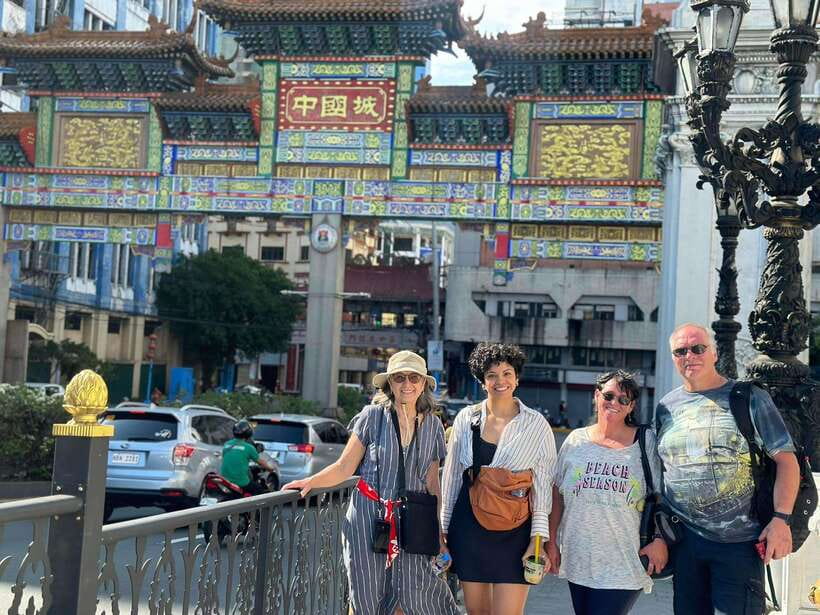
I would recommend this tour to first-time Manila visitors who want a strong introduction to Binondo without committing a whole day. It also suits people who enjoy street food, short walking routes, local transport, and direct contact with ordinary city life.
It is a good choice if you want someone to explain the difference between simply seeing a building and understanding why it matters. Venus also offers recommendations for restaurants and bars near your hotel after the tour, which can help you plan the rest of your stay.
You should think twice if you move slowly, need long breaks, or prefer to photograph every stop. One two-hour outing cannot give you much time to linger. The pace is part of the deal, and you need to remain alert in crowded streets.
The tour may also be less suitable if you have strict food restrictions, since the available information does not confirm special menus. Ask before booking if that affects your decision.
Practical details before you book
The advertised duration is two hours, with starting times depending on availability. The guide speaks English, and bottled water is included.
Meet at Tutuban Center Mall by the Bonifacio Monument and ask mall security for the meeting location. Plan to arrive early enough to find the right place without rushing.
Wear comfortable clothing and shoes suitable for walking and getting on and off local vehicles. Keep your belongings secure and stay close to Venus, especially during transport changes and busy street crossings.
The tour can be customized into a full-day or private outing by contacting V.S Tour Services. That may be the better option if you want more time for meals, photography, shopping, or questions about the area.
Should you book Manila Chinatown Hidden Gems with Venus?
Book it if you want a fast, local introduction to Binondo that combines food, history, temples, and transport. Venus adds the most value by guiding you through side streets, explaining local life, and keeping the route moving when the district feels confusing.
Skip it if your ideal Chinatown visit means sitting down for a long meal, wandering without a schedule, or taking photographs at a slow pace. For everyone else, $65 is reasonable when you value organization and local context more than the lowest possible cost.
The best way to approach it is as a concentrated orientation. Use the two hours to learn what to eat, how the area fits together, and which streets or restaurants you may want to revisit independently.
FAQ
Where does the tour meet?
The meeting point is Tutuban Center Mall by the Bonifacio Monument. Ask the mall security where to find the meeting location.
How long does the tour last?
The tour lasts two hours.
What language does the guide speak?
The live guide speaks English.
Who guides the tour?
The guide is Venus, a local guide who leads visitors through Binondo’s history, food stops, transport, and local streets.
What food might I try?
Possible food stops include dim sum, hopia, dumplings, hand-pulled noodles, and other sweet, savory, spicy, or street-food dishes. Eng Bee Tin and Dong Bei Dumplings are named among the food stops.
What transport is included?
The experience includes local transportation, with jeepneys, an electric tricycle, and a tuk tuk included in the route.
Is bottled water included?
Yes. A bottle of water is included.
Can I cancel the booking?
You can cancel up to 24 hours in advance for a full refund. The tour also offers a reserve-now, pay-later option.
Just added around Manila
- 3 Days Private Tour in Banaue Ifugao visiting Batad Rice Terraces★ 3.5 · 3 reviews
- Unforgettable Manila Fishing Village Day Excursion 2024★ 5.0 · 4 reviews
- indigenous Forest experience Manila 2023★ 5.0 · 4 reviews
- Cultural Dinner and Show in Manila★ 5.0 · 4 reviews
- Shared Old Manila Tour★ 5.0 · 5 reviews
- Shared Cruise Shore Excursion of Manila Old and New City Tour★ 4.0 · 10 reviews
- 5 Days Sagada Banaue Batad Discovery (PRIVATE GROUP TOUR Max 6 Travellers)★ 5.0 · 16 reviews
- Private Departure Airport Transfer in Manila Bay and Makati Area★ 5.0 · 3 reviews
Manila Tours, compared.
Intramuros, Manila: Historical Bamboo Bike Tour
Read our review →
Experience Intramuros with Bamboo Bicycle – Ecotours
Read our review →
Intramuros, Chinatown, and Old Manila Half-Day Tour
Read our review →
Manila Food Tour: Introduction to Philippine Street Food
Read our review →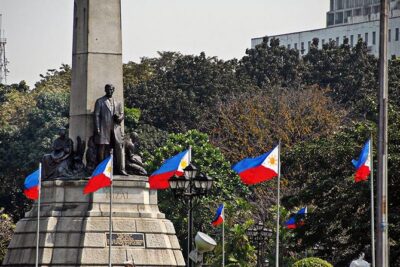
Manila Old and New: Sightseeing Tour Including Intramuros and Fort Santiago
Read our review →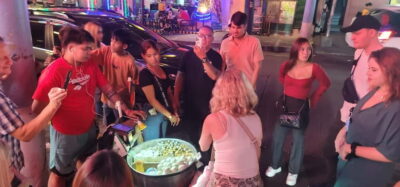
Makati Nightlife: VIP Access to Clubs, Rooftops & Go-Go Bars
Read our review →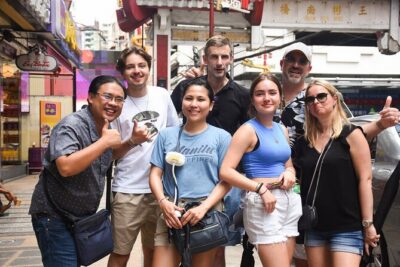
Manila Food Tour: Explore World’s Oldest Chinatown
Read our review →Browse the lists this tour appears in