
Reviewed · MARKETS
Explore Manila Slums and Hidden Market
Tondo is not a polished sightseeing district. It is a working part of Manila, where narrow lanes, crowded homes, markets, transport, and family life meet at close range. With a local guide such as Floyd or Venus, you walk through residential areas, visit a wet market, and hear how people make daily life work in difficult conditions. The tour also reaches old Chinatown and includes both a jeepney and a tricycle ride.
I like two things here. First, the transport is part of the lesson, not just a way to get from one stop to the next. A jeepney ride and a tricycle ride show you how locals move through the city. Second, the guide adds a human link. Floyd grew up in the area and is also a former police sergeant, while Venus is known for her friendly, personal way of explaining local life. The main consideration is that this is a close look at poverty, so you need to approach it with respect, patience, and no camera-first attitude.
Key points to know before you book
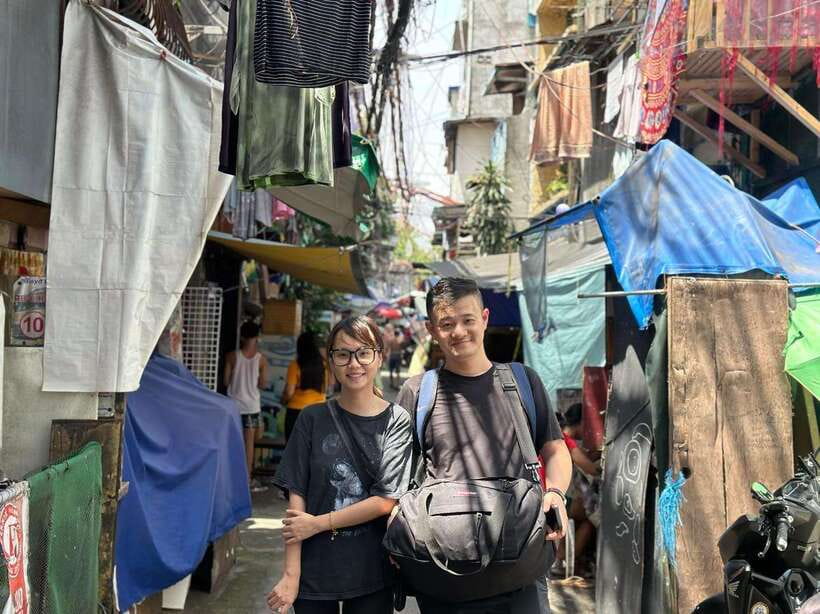
- Tondo is the focus: Walk through residential lanes and a local wet market in one of Manila’s oldest districts.
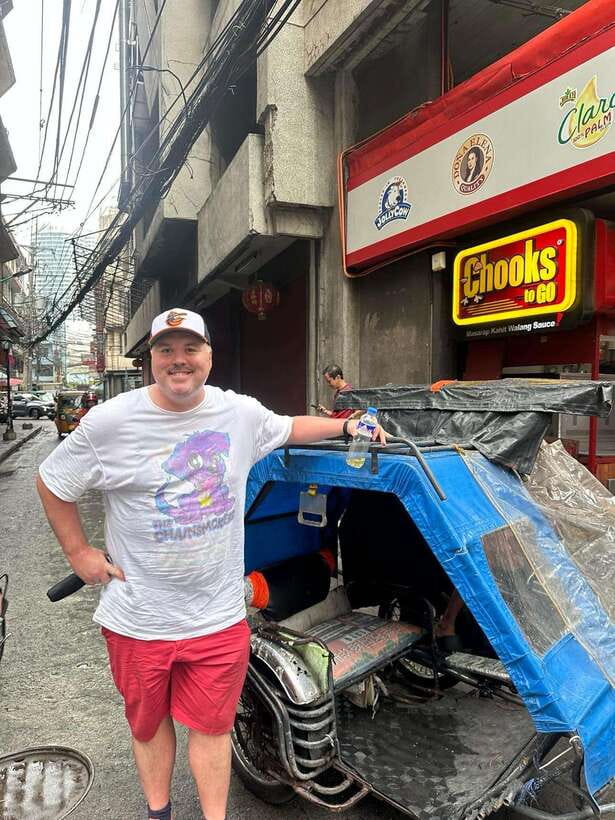
- Two local transport rides are included: You ride a jeepney and a tricycle, giving the two-hour outing a distinctly Manila feel.
- Floyd and Venus are named guides: Floyd offers strong local ties and safety awareness, while Venus is known for food stops and lively explanations.
- Old Chinatown adds contrast: The route connects everyday residential life with Manila’s historic Chinese district and food culture.
- Small groups help: The group is limited to 10 people, useful in tight alleys and crowded market lanes.
- The price covers more than a walk: At $65 per person, you also get a guide, tricycle ride, and jeepney ride.
What this Tondo walk is really about
The word slum can make a place sound like a display. That is not the most useful way to think about this outing. Tondo is a residential district where people live, work, shop, raise children, and solve problems with limited space and resources. The value of the tour comes from seeing those systems up close, with a local person explaining what you are looking at.
You will walk through narrow streets and housing areas rather than admire a set of formal monuments. The details matter: how homes fit together, how vendors use limited street space, how people greet neighbors, and how small businesses serve the local community. Much of what you see will be ordinary daily life, and that is precisely the point.
A good guide keeps the visit from becoming a quick look at hardship. Floyd’s background is especially relevant here. He was born and raised in the area, has strong ties with residents, and has police, emergency, and medical training. That does not make the district risk-free, but it helps explain why several parts of the walk can be handled with confidence and care.
Venus brings a different strength. Her tours are described as warm, energetic, and personal, with explanations about Manila, Filipino customs, and her own life. She has also added food stops and local introductions, making the experience feel less like a lecture and more like a walk with someone who knows the neighborhood.
Guide assignment can vary, so check who is leading your date if that matters to you. Both Floyd and Venus have received particularly strong praise for making the area feel welcoming and understandable.
More market tours in Manila:
- Manila: Guided Night Market Experience
★ 5.0 · 54 reviews - Manila’s Culinary Expedition: The Ultimate Food and Market Tour
★ 5.0 · 42 reviews - Manila Street food and Night Market Tour
★ 4.7 · 21 reviews
Starting near Tutuban Center Mall
The meeting point is at Tutuban Center Mall, near the Bonifacio Monument and Lawson Convenience Store. This places you near the old commercial core of Manila and close to Chinatown, markets, and transport routes.
Give yourself enough time to find the exact meeting spot. The stated point includes several recognizable landmarks, but malls and busy streets can still take a few minutes to sort out, especially if you are arriving by taxi or public transport.
The tour lasts two hours, so the pace is fairly tight. You are not getting a long historical tour with extended stops. Instead, expect a moving route that combines walking, short explanations, local transport, market scenes, and food or drink stops when arranged by the guide.
The group limit is 10 people. That is a sensible size for this setting. A large group would block lanes, crowd small stalls, and make conversation with the guide harder. A smaller group also lets you ask questions without turning every stop into a formal presentation.
Walking residential Tondo with local context
The residential section is the emotional center of the outing. You see how people live in a dense urban setting and how neighbors share streets, courtyards, and small public spaces. The route may include areas described as both a middle-class slum and a poorer slum, giving you some sense of the range within the district.
That distinction is useful. Poverty is not one uniform condition. Housing, income, work, and access to services can differ from one block to the next. A local guide can point out those differences in a way you would miss on your own.
You may meet residents along the way, including children and street workers. Be friendly, but let the guide set the tone. Ask before taking photographs, avoid treating homes as scenery, and do not hand out money or sweets unless the guide advises you to do so. The goal is a human encounter, not a collection of dramatic pictures.
Some visitors have found the local welcome surprisingly open. That openness deserves care in return. Keep your voice down in tight lanes, dress simply, and remember that people are going about their day rather than performing for you.
This part can feel confronting. You may see cramped housing and difficult conditions within a few steps of ordinary family life. If you prefer only comfortable sightseeing, this is probably not the right tour. If you want a better sense of how many Manila residents manage daily routines, it offers information that polished districts cannot provide.
The wet market and everyday food culture
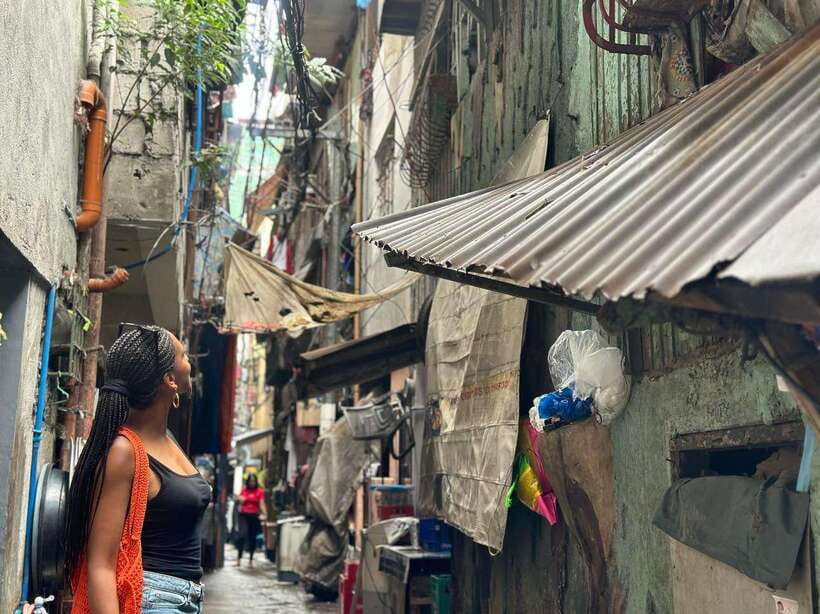
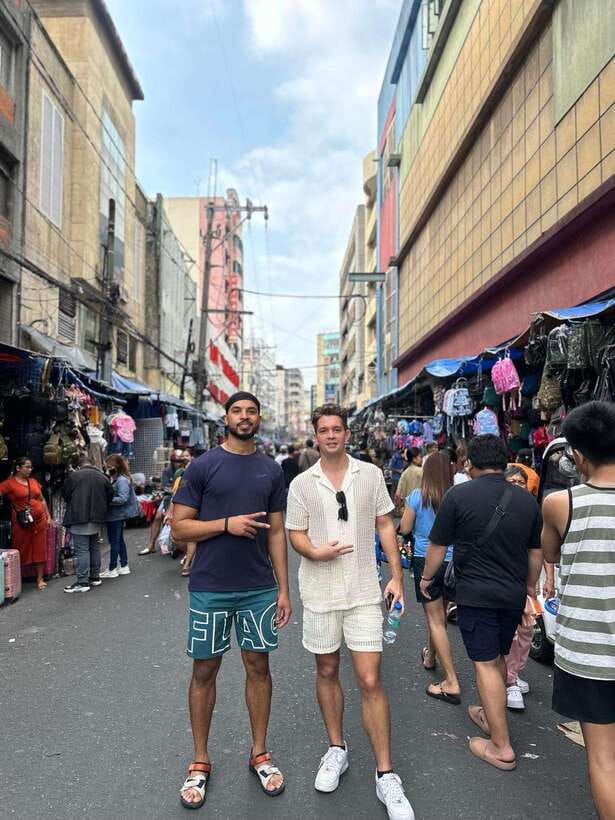
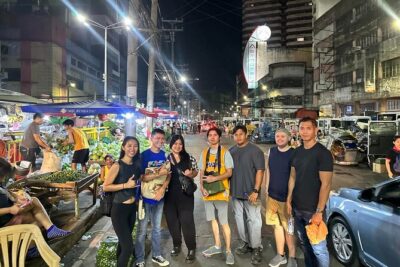
The wet market is one of the most visual parts of the experience. You will see fresh produce, groceries, and local food being sold for neighborhood use. It is a working market, not a staged attraction, so the appeal lies in the normal rhythm of buying, selling, preparing, and transporting food.
Your guide can help you understand what you are seeing and point out products that may be unfamiliar. This is where Venus has been especially praised for adding food stops and tastings. Bao, egg tarts, local treats, drinks, and other snacks have featured on some outings.
Do not assume every food item is included in the $65 price. The confirmed inclusions are the guide, tricycle ride, and jeepney ride. Food and drinks have been provided or purchased during some tours, including a drink and beer on one outing, but the exact arrangement may depend on the guide and day.
The market may be wet, noisy, crowded, and strongly scented. Wear shoes that can handle damp pavement and clothing you do not mind wearing in a working market. You may want to carry water, though the tour has included drinks on some occasions.
The market matters because it connects the housing areas to the daily economy. You are not just looking at a poor neighborhood. You are seeing where people shop, how food moves through the district, and how local commerce keeps the area functioning.
A few more Manila days worth weighing up
- Intramuros, Manila: Historical Bamboo Bike Tour
★ 4.8 · 583 reviews - Experience Intramuros with Bamboo Bicycle – Ecotours
★ 5.0 · 508 reviews - Manila: Intramuros, Chinatown, and Old Manila Half-Day Tour
★ 4.8 · 475 reviews - Manila: Old & New 4-Hour City Tour
★ 4.5 · 458 reviews
Riding a tricycle and jeepney
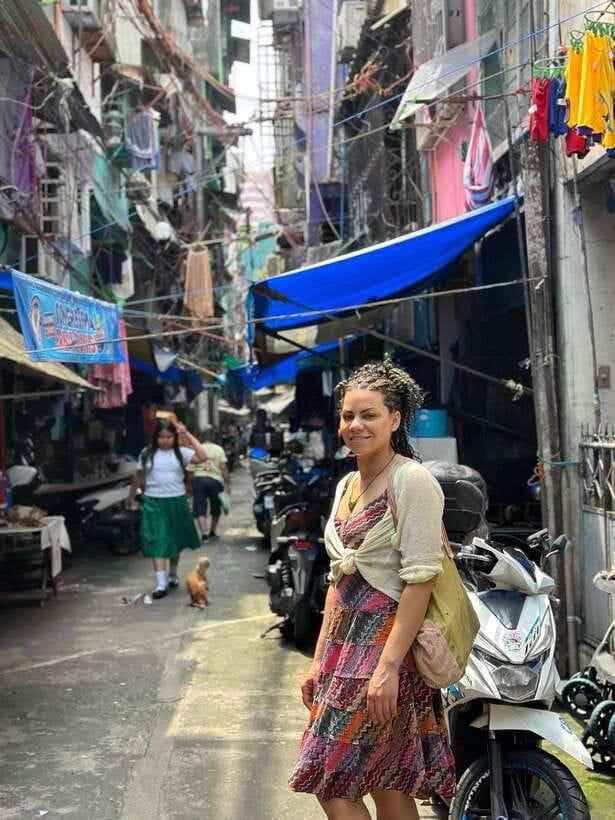
The included transport gives the tour a practical edge. A tricycle ride takes you through streets that may be too tight or indirect for larger vehicles. It is an intimate, local way to cover part of the route and gives you a closer view of street activity.
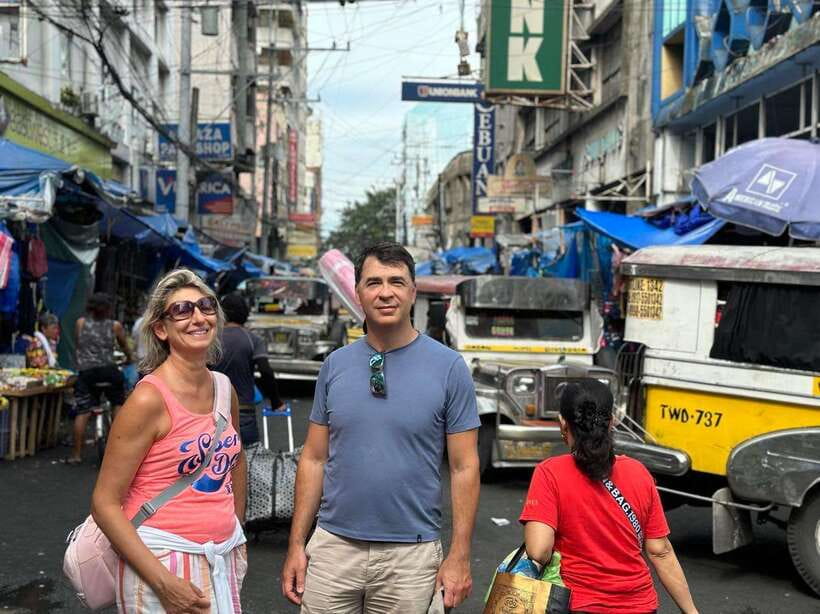
The jeepney ride provides a different experience. Jeepneys are a familiar part of Manila’s transport system, and riding one helps you understand how short urban journeys work for local residents. It is not a sightseeing vehicle with a clear view in every direction. It is public transport, so expect a more ordinary and sometimes crowded ride.
These rides also break up the walking. Two hours on foot through narrow lanes and market streets can be tiring, especially in warm weather. The combination keeps the route varied while showing you transport that is part of normal city life.
The rides are included, which improves the value. You are not paying separately every time the route changes. Still, the tour is not designed as a full transport lesson or a long ride across Manila. The vehicles are short sections within a compact neighborhood experience.
Old Chinatown and the food stops
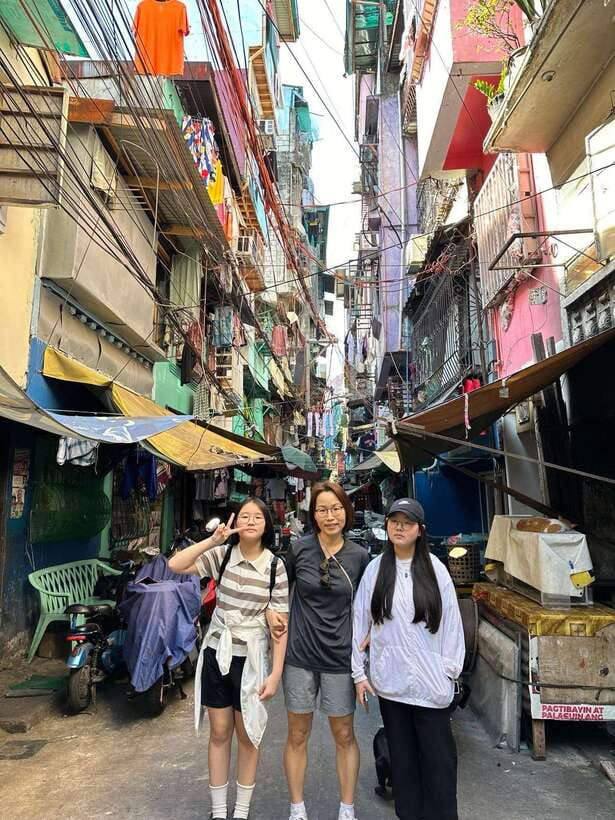
The route also reaches Manila’s old Chinatown, adding a different layer to the outing. Here, the setting shifts from residential lanes and market activity to a district shaped by Chinese Filipino commerce, food, and long-standing urban connections.
The Chinatown section can make the whole tour easier to understand. You see how several parts of Manila sit close together: Tondo’s working residential streets, market routes, transport corridors, and the older commercial district. The change in atmosphere is part of the lesson.
Food is often a highlight here. Egg tarts and bao have been singled out as memorable treats, and the guide may point you toward small local food stops. Again, ask what is covered before ordering. A tasting may be offered, but extra food purchases should not be treated as guaranteed inclusions.
This part is useful if you have already seen Manila’s better-known sights and want something less formal. It also gives the tour a lighter ending after the serious residential section. You can talk with your guide about food, family, work, and local customs rather than leaving with only an impression of hardship.
Is $65 good value for two hours?
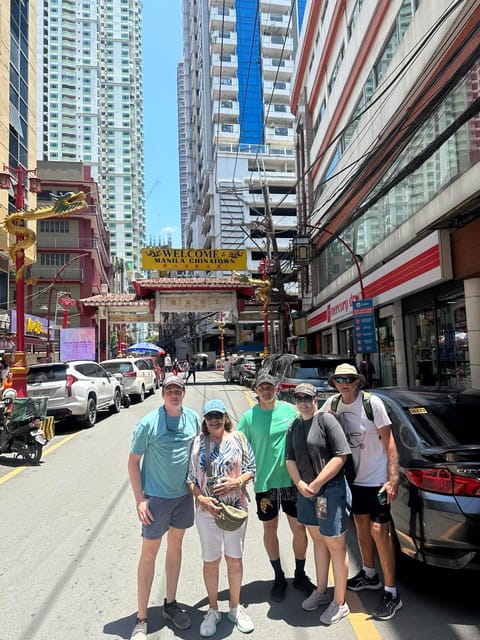
At $65 per person, this is not the cheapest way to spend two hours in Manila. You could walk through a market or ride a jeepney for very little money on your own. The price makes more sense when you consider what a solo visit would lack: local introductions, route planning, language help, context, and someone who understands the neighborhood.
The included tricycle and jeepney rides add direct value. So does the small group, particularly in narrow residential lanes. A guide with local standing is important for an experience like this, both for comfort and for meaning. Walking into an unfamiliar poor neighborhood without context would be a very different proposition.
Food and drink may add value on the day, but I would treat them as a welcome extra rather than the reason to book. The main purchase is access and interpretation, not a meal.
The price is easiest to justify if you want to understand Manila beyond churches, malls, museums, and scenic viewpoints. It is harder to justify if you mainly want a relaxed food tour or a standard city highlights route.
Safety, respect, and the ethical question
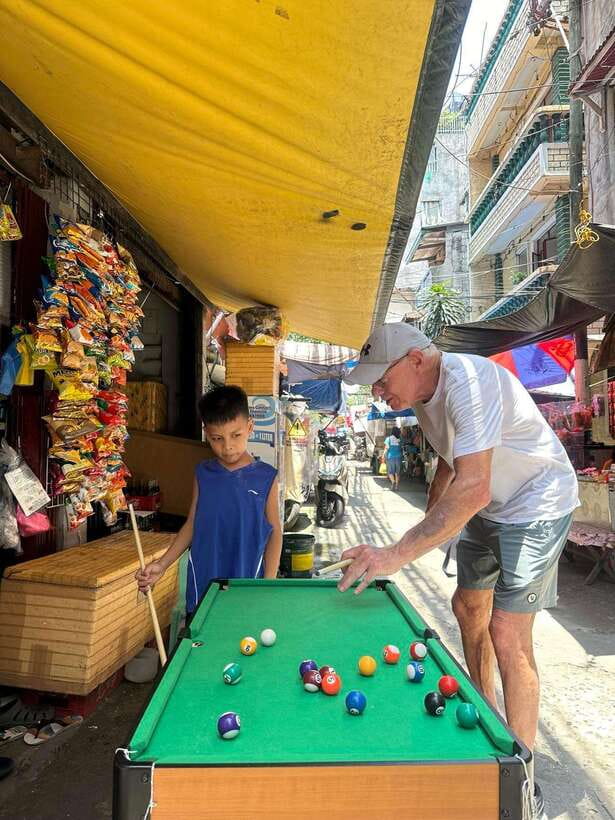
Safety is a reasonable concern. The tour enters poor residential areas, and the setting may feel unfamiliar. The guide’s local relationships are a major part of the experience, and Floyd’s background in law enforcement, emergency response, and medicine offers additional reassurance.
Still, no guide can remove every risk from a crowded city. Keep your belongings secure, stay with the group, and follow directions. Do not wander off to take photographs or approach homes on your own.
The bigger question is ethics. A tour through poverty can become voyeuristic if it treats people as scenery. You can help prevent that by asking permission before photographs, listening instead of making assumptions, and focusing on systems and daily life rather than judging appearances.
The guide’s role is crucial. Floyd has been described as taking an educational approach and explaining the problems residents face along with the solutions they have developed. That framing gives the walk more purpose than simply pointing out hardship.
Children may approach you, and you may see residents who are curious about the group. Be warm but respectful. A smile and conversation are fine if welcomed. Avoid turning those encounters into a photo session.
Who should book this experience?

I would choose this tour if you are curious about everyday Manila, willing to walk through uncomfortable settings, and interested in meeting local people with a guide who can explain the place. It suits repeat visitors especially well, but it can also be a strong choice near the end of a first Manila stay when you want to connect the city’s separate districts.
It is a good fit for solo visitors and small groups who want direct conversation. The maximum of 10 people keeps the route manageable, though a smaller booking will feel more personal.
I would not choose it for young children who may struggle with crowded streets or difficult scenes. I would also skip it if you want air-conditioning, formal sites, or a predictable food itinerary. The tour is active, close-up, and sometimes emotionally heavy.
Wear practical shoes and light clothing. Keep your schedule flexible after the tour if you tend to need a quiet break following intense sightseeing. Two hours is short on paper, but the concentration of new sights and conversations can make it feel full.
My verdict on the Tondo and hidden market tour
I like this experience because it does not stop at a market photo or a quick drive past poor housing. It puts the district, the transport, the food, and the people into one compact outing. Floyd and Venus bring different but valuable styles, and the small group makes a real difference.
The main caution is simple: book it for understanding, not spectacle. If you can meet the area with humility, this is one of the more useful ways to see Manila’s daily life. At $65, it offers fair value for the guide, local access, two transport rides, and compact route. Confirm the guide and food arrangements before booking, then go ready to listen.
FAQ
Where does the tour meet?
Meet your guide at Tutuban Center Mall, near the Bonifacio Monument and Lawson Convenience Store.
How long does the experience last?
The tour lasts two hours.
What is the price?
The price is $65 per person.
What transport is included?
The experience includes a tricycle ride and a jeepney ride.
Is a guide included?
Yes. A live English-speaking tour guide is included.
Who may guide the tour?
Named guides include Floyd and Venus. The guide assigned to your booking can vary.
How large is the group?
The tour is limited to 10 participants.
Does the tour visit a wet market?
Yes. The route includes a local wet market with produce, groceries, and local food.
Does the tour visit Chinatown?
Yes. The experience includes old Manila’s Chinatown area.
Can I cancel for a full refund?
Yes. You can cancel up to 24 hours in advance for a full refund.
Just added around Manila
- 3 Days Private Tour in Banaue Ifugao visiting Batad Rice Terraces★ 3.5 · 3 reviews
- Unforgettable Manila Fishing Village Day Excursion 2024★ 5.0 · 4 reviews
- indigenous Forest experience Manila 2023★ 5.0 · 4 reviews
- Cultural Dinner and Show in Manila★ 5.0 · 4 reviews
- Shared Old Manila Tour★ 5.0 · 5 reviews
- Shared Cruise Shore Excursion of Manila Old and New City Tour★ 4.0 · 10 reviews
- 5 Days Sagada Banaue Batad Discovery (PRIVATE GROUP TOUR Max 6 Travellers)★ 5.0 · 16 reviews
- Private Departure Airport Transfer in Manila Bay and Makati Area★ 5.0 · 3 reviews
Markets, compared.
Manila’s Culinary Expedition: The Ultimate Food and Market Tour
Read our review →
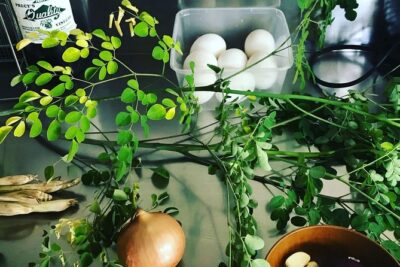
Private Market Tour and Filipino Cooking Class in Manila with Isi
Read our review →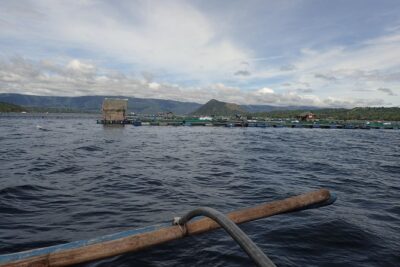
Tagaytay Adventure: Volcano Views, Countryside, Market & Cruise!
Read our review →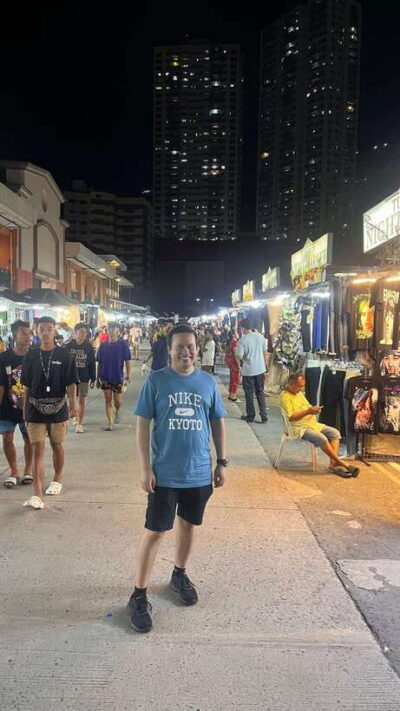

Browse the lists this tour appears in