
Reviewed · STREET FOOD TOURS
Manila: Street Food and Drinks Walking Tour with Tastings
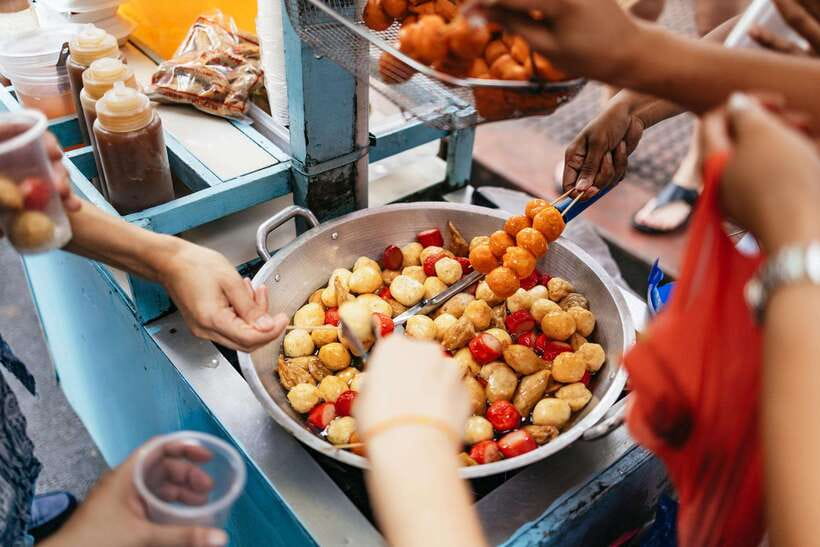
Manila’s best introduction may come on a paper plate from a crowded side street. This two-hour walk through Binondo and nearby neighborhoods brings you to local food stalls for 6 to 10 tastings, with dishes ranging from banana cue and kwek kwek to pancit, grilled squid, and halo-halo. Guides such as Mari and Tess add context about the food, streets, and daily life.
I like the generous range of food and the chance to use local transport, including a jeepney or the colorful Lamborghini tricycle. I also like the small-group format, limited to about 10 to 12 people, which makes it easier to ask questions and keep together in busy streets. The main drawback is simple: this is a meat-heavy tour, so it is not suitable for vegetarians or vegans, and the amount of food can be a lot.
Key points to know before you book
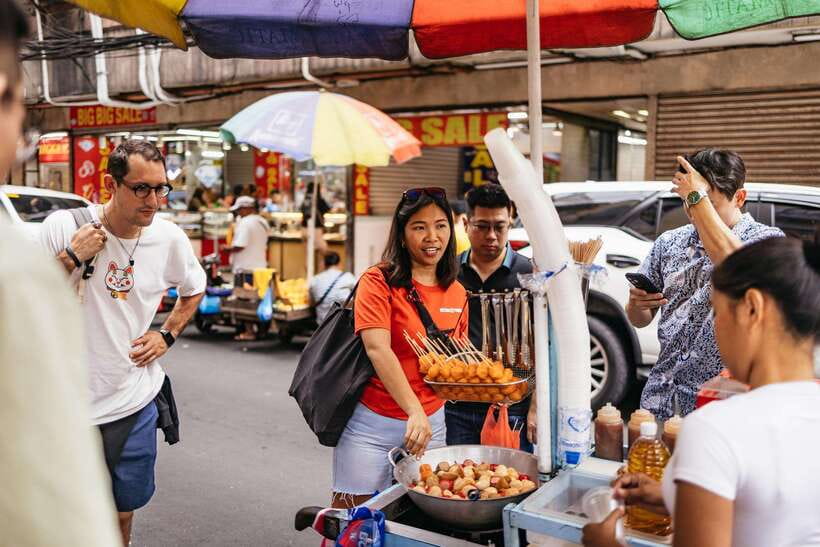
- Meet at Grand Cafe 1919 in Binondo: You begin at Juan Luna in Manila, a practical place to gather, use the facilities, and have a drink before walking.
- Expect 6 to 10 tastings: The food may include banana cue, turon, kwek kwek, siomai, soup, pancit, grilled squid, mango with shrimp paste, and halo-halo.
- The guide is part of the value: Mari is frequently named, with Tess, Jessie, Chai, and other guides also leading tours, so the exact host may vary.
- Local transport is included: A jeepney ride or tricycle ride adds a useful Manila experience, though the exact vehicle and route can change.
- Come very hungry: The tastings are generous enough that several people suggest skipping breakfast.
- Plan for heat, crowds, and walking: Comfortable shoes are essential, and the tour runs rain or shine.
Why this tour works as a first taste of Manila
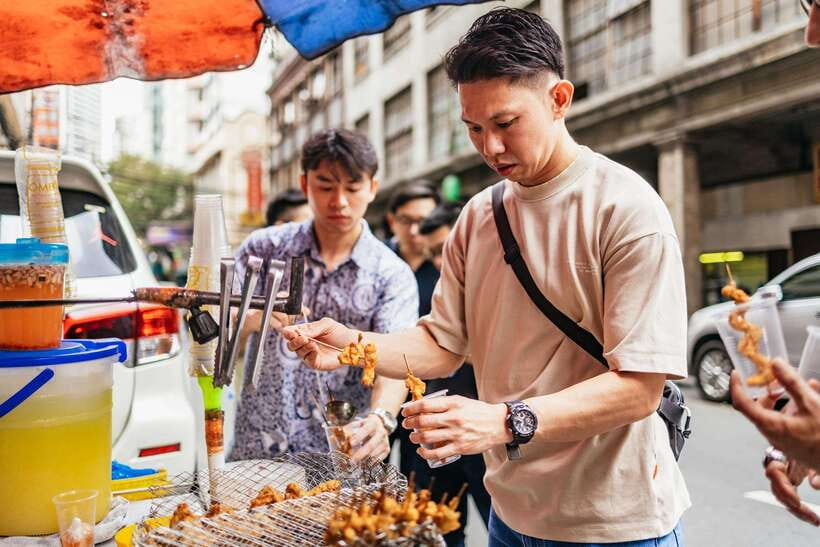
A food walk can do more than fill your stomach. It can help you understand how Filipino food fits into ordinary city life: quick snacks bought from a cart, noodles eaten at a small stall, sweets shared during a hot afternoon, and drinks used to cool down between stops.
This tour takes place around Binondo and other parts of old Manila, with some routes reaching Santa Cruz or Quiapo. You are not simply seated in one restaurant while dishes arrive. You walk through side streets, markets, and crowded lanes, stopping where local food is available that day.
That setting matters. A plate of pancit tastes different when you have watched people move through the market around you. A jeepney ride makes more sense after you have seen the streets it serves. The guide connects these small moments with stories about Filipino food, local customs, and the neighborhoods you pass through.
The tone is informal. You should expect a guide who explains, jokes, answers questions, helps the group navigate, and keeps an eye on the pace. Mari receives especially strong praise for her energy, warmth, organization, and ability to make solo visitors feel included. But guides can change, so you should not book on the assumption that Mari will lead every departure.
More Food Tours in Manila
- Manila Food Tour: Introduction to Philippine Street Food
★ 5.0 · 417 reviews - Manila Food Tour: Explore World’s Oldest Chinatown
★ 5.0 · 158 reviews - Manila: Sightseeing and Food Walking Tour with Tastings
★ 4.7 · 68 reviews
Starting at Grand Cafe 1919 in Binondo
The meeting point is Grand Cafe 1919 on Juan Luna Street in Binondo. This is more useful than meeting beside a random street stall, especially if you arrive early and want a drink or a last visit to the facilities before the food begins.
Binondo is a strong setting for a food walk because it gives you a mix of market streets, older commercial areas, open spaces, and tightly packed lanes. You will see the neighborhood as a working part of Manila, not as a staged food attraction.
From the cafe, the group begins on foot. The guide may point out nearby landmarks and explain the area as you move between stops. The pace is usually manageable, with time to talk rather than a hurried march from one plate to the next.
You should wear comfortable shoes with a good grip. This is a walking tour on ordinary city streets, not a polished food hall experience. Crowds can make movement slow, and a festival or major local event can make the route harder to navigate. Chinese New Year, for example, can bring large crowds into Binondo.
The food: sweet, savory, fried, and filling
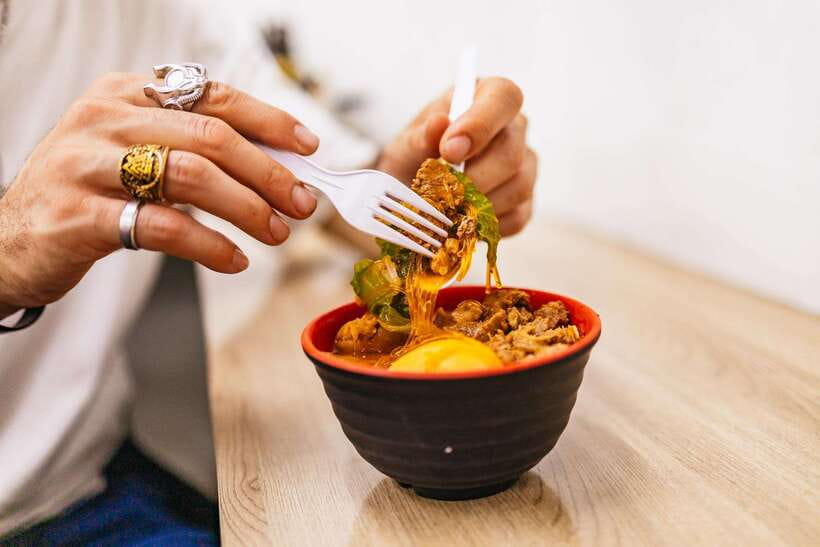
The advertised tasting list is broad, and availability depends on what is being served in the streets that day. You may taste six to ten selections, but the exact lineup is not fixed.
Banana cue, turon, and kamote fries
The early snacks may include fried or caramelized foods such as banana cue, turon, and kamote fries. Banana cue uses banana with brown sugar, while turon is a sweet fried banana roll. These are approachable choices for first-time visitors and give you a quick sense of the Filipino fondness for sweet snacks.
Kamote fries add another starchy, slightly sweet option. These foods are easy to eat while walking, though the tour’s large number of tastings means even the lighter snacks add up quickly.
More street food tours in Manila:
- Makati Street Food Experience end with a Rooftop Bar
★ 5.0 · 33 reviews - Manila Street food and Night Market Tour
★ 4.7 · 21 reviews - Makati Street Food Tour Experience
★ 5.0 · 20 reviews - ⭐ Manila Street Food Tour in the Downtown, Eat and Drink⭐
★ 4.6 · 19 reviews
Kwek kwek, siomai, and savory street bites
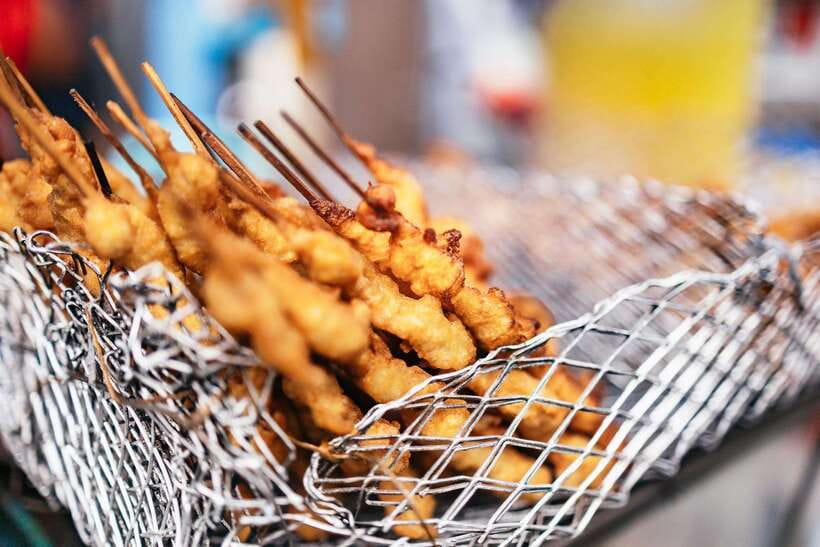
Kwek kwek is a familiar Filipino street food made with a small egg coated in orange batter and fried. It is a good example of the tour’s approach: you get to try a well-known local snack with a guide nearby to explain what you are eating and how it is commonly served.
Siomai brings a dumpling-style bite into the mix. Depending on the route and availability, you may also encounter lumpia, grilled meat, chicken intestine, pork on a stick, or other stall foods. The menu can shift, which is part of the street food experience, but it also means you should not expect every listed dish on every departure.
Balut may be offered or discussed. This duck embryo egg is one of the more challenging foods for many visitors. You are not required to eat anything, and it is perfectly reasonable to try a small bite or pass. A confident guide can make the moment less awkward, but personal limits still matter.
Soups, noodles, and proper meal-sized portions
Sotanghon soup, palabok, and Filipino pancit bring more substance to the walk. Sotanghon is a noodle soup, while palabok is a noodle dish usually served with a savory sauce and toppings. Pancit covers several Filipino noodle preparations, so the exact version can vary.
These are important stops because the tour is not built only around novelty snacks. You get a sense of the filling, everyday dishes that form part of Filipino meals. If you grew up with Filipino food, you may recognize some dishes, but you can still enjoy seeing which vendors and preparations the guide chooses.
One point to plan around: the tasting portions may be generous. Several people have found the food plentiful enough to skip breakfast. I would not arrive starving after a long journey, but I would keep the meal before the tour very light.
Seafood, mango, and dessert
Grilled squid and calamari may provide the seafood portion of the route. You might also try mango with shrimp paste, a sharp combination of sweet fruit and salty, savory flavor. This is a useful reminder that Filipino street food is not simply fried food and meat.
The tour often finishes with halo-halo, a colorful Filipino dessert made with shaved ice and mixed sweet ingredients. It is a fitting end in Manila’s heat, especially after walking through crowded streets. Buko juice or another refreshing drink may appear along the way, and water or juice is included.
What the walking route feels like
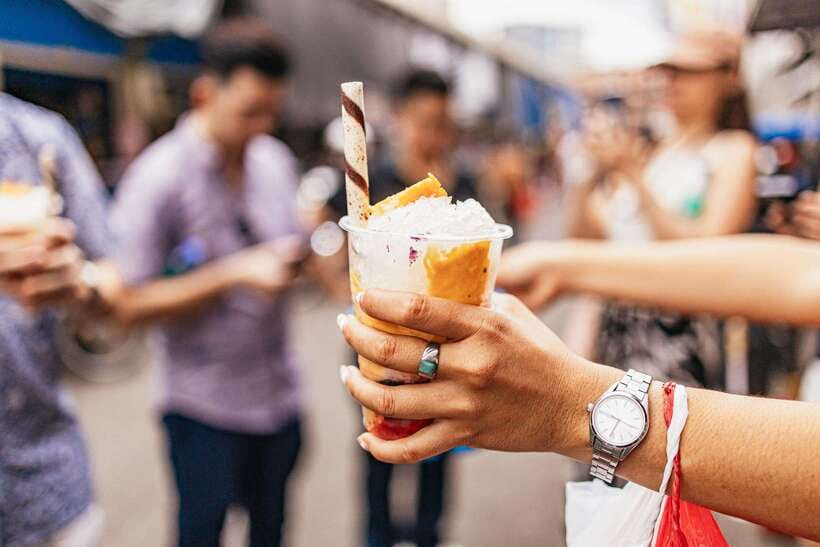
You should expect a real city walk, with changing noise, traffic, heat, and street activity. The reward is access to places you might not choose on your own, especially if you are unsure which stalls feel comfortable or how to order.
The guide helps in several practical ways. You can ask what a dish contains, learn how it is usually eaten, and watch how local customers approach the stalls. An English-speaking guide who also speaks Tagalog can handle basic exchanges and explain the food without leaving you to guess.
The route is also social. With a maximum of around 10 to 12 participants, it is small enough for questions and shared tasting. It is not private, but it should feel more personal than a large coach group.
Crowds are the tradeoff. Binondo’s narrow and busy streets can be difficult to cross, and the group may need to stay close. One guide was praised for taking care of the group and keeping everyone together, even when the streets were packed. Still, keep your belongings secure and pay attention when crossing.
The tour runs rain or shine. Manila’s weather can make two hours on foot feel very different from one day to the next, so carry what you need for wet weather and wear shoes that can handle puddles. The meeting point is also the pickup point, meaning you should make your own way there before the tour begins.
Jeepneys and the Lamborghini tricycle
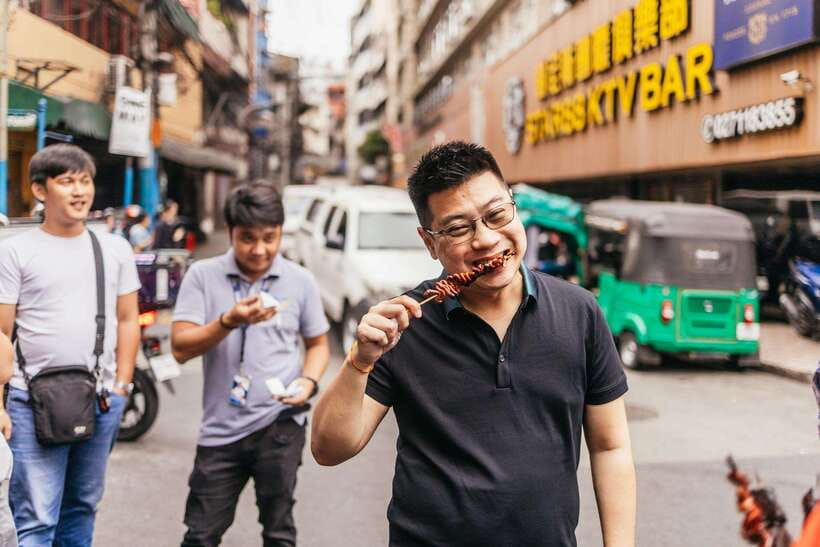
Local transportation is one of the tour’s most memorable extras. You may ride a jeepney or a colorful local tricycle, sometimes described as a Lamborghini tricycle or limousine tricycle.
A jeepney ride gives you a close look at one of Manila’s best-known forms of public transport. Boarding and getting off can be a little awkward if you are not used to it, especially in a crowded street, but that is part of the experience. The guide helps the group manage the practical details.
The tricycle is smaller and more playful, and several visitors have enjoyed it as the final leg back toward the cafe. The precise transport arrangement can vary. One departure did not include the promised jeepney ride, so treat this as an expected possibility rather than a guarantee of a particular vehicle.
This is not a sightseeing transport tour. The rides are short and serve the route, but they add a useful local detail that you would find difficult to arrange confidently on your own.
The guide can make or break the experience
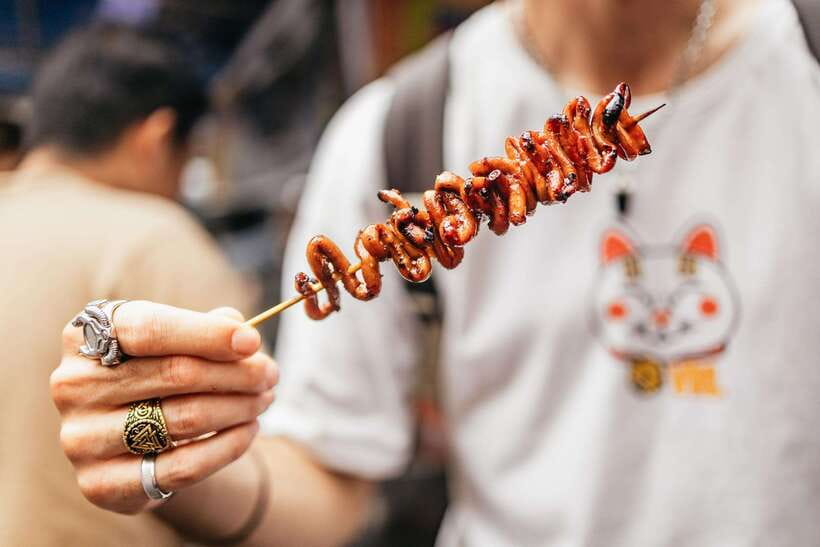
The food is important, but the guide is the real reason to choose a small walking tour instead of simply visiting Binondo alone. A good guide explains why a dish matters, introduces you to vendors, keeps the group moving, and fills the gaps between tastings.
Mari is the guide most often named in the supplied material. She is described as energetic, funny, welcoming, organized, and generous with information about Manila and Filipino culture. She also appears comfortable helping solo visitors, taking photos, offering hand sanitizer, and making nervous first-time eaters feel at ease.
Tess and other guides have also led departures. The tone may change slightly from one guide to another, but the core offering remains an English-language walk with food, local transport, and neighborhood context.
You should bring questions. This is a good setting to ask about ingredients, food customs, daily life, public transport, or places to eat after the tour. The best value comes when you treat the guide as a local interpreter, not just someone who points out the next snack.
Is $68 a fair price?
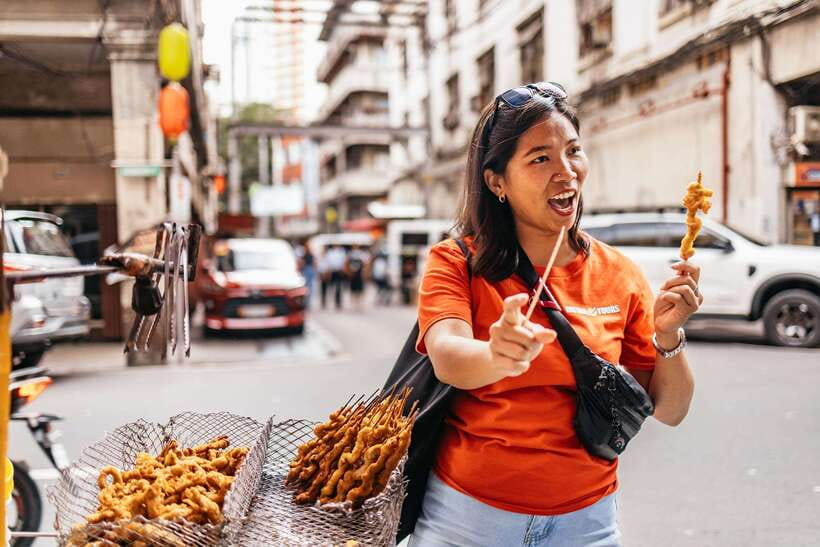
At $68 per person, this is not the cheapest way to sample Manila food. You could buy individual snacks for much less if you already know where to go, can order in the local setting, and are comfortable judging stalls for yourself.
The price becomes easier to justify when you count the food, guide, neighborhood orientation, and transportation together. You are paying for access and confidence as much as for the dishes. The guide chooses stops, explains what you are eating, and helps you navigate places where many first-time visitors would feel uncertain.
The amount of food also matters. Six to ten tastings, drinks, and dessert can replace a meal, and sometimes more than one. If you are happy with small samples and local snacks, the value is strong. If you prefer one large restaurant meal or do not eat much, the price may feel high.
The tour is especially useful if you have only a short time in Manila. It gives you a concentrated look at food and neighborhoods in two hours, rather than requiring you to spend a full day testing stalls on your own.
Who should book it, and who should skip it?
I would recommend this tour to curious eaters, solo visitors, first-time Manila visitors, and anyone who wants help trying unfamiliar food. It suits people who enjoy walking, asking questions, and accepting a little uncertainty about the next dish.
Families can join, and children aged three to seven are allowed with guidance. Parents should remember that the streets can be crowded, the food may be spicy or unfamiliar, and the walking pace may not suit every young child.
This is not a good choice for vegetarians or vegans because several dishes rely on meat, seafood, eggs, or other animal products. It is also listed as unsuitable for wheelchair users and pregnant women. If you have food allergies or strict dietary needs, ask before booking because the route changes with street availability and the tasting list is not fixed.
The tour is best for people who want authentic local surroundings rather than polished dining. If you need air-conditioning, guaranteed dishes, or a quiet meal, choose a restaurant-based food experience instead.
Practical details before you go
The tour lasts two hours and is offered in English. Book at least 24 hours before the start, and check the available starting time when you choose your date.
Free cancellation is available up to 24 hours in advance for a full refund. You can also reserve now and pay later, which helps if your Manila schedule is still moving around.
Bring comfortable shoes, arrive ready to walk, and leave room in your stomach. A small amount of hand sanitizer may be useful, although one guide has provided it during the tour. Keep your questions ready, since the food and neighborhood stories are a major part of what you are paying for.
The activity information gives the location as Nueva Vizcaya, but the stated meeting point is Grand Cafe 1919, Juan Luna, Binondo, Manila. I would confirm the exact meeting location with the operator before setting out, especially if you are using a booking page that displays the province rather than the Manila meeting point.
Should you book this Manila street food tour?
Book it if you want a friendly guide to lead you through Binondo and nearby streets, and if trying many Filipino foods sounds more exciting than choosing one safe restaurant. The combination of tastings, neighborhood walking, local transport, and personal guidance gives you a useful first look at Manila.
Skip it if you are vegetarian, vegan, pregnant, unable to manage a crowded walking route, or looking for a fixed menu. Also think twice if you dislike large portions or adventurous foods such as balut.
For most omnivorous food lovers, the strongest reason to book is the local access. You can buy banana cue or pancit on your own, but a guide such as Mari can help you understand the dishes, meet the streets with more confidence, and make the two hours feel like an introduction to the city rather than a string of snacks.
FAQ
Where does the Manila street food tour meet?
The meeting point is Grand Cafe 1919 on Juan Luna in Binondo, Manila. This is also the stated pickup point.
How long does the tour last?
The walking food tour lasts two hours.
How many people join the tour?
The group is limited to about 10 to 12 participants. The activity information gives both figures, so the exact limit may depend on the departure.
What food is included?
The listed tastings include banana cue, kamote fries, turon, kwek kwek, siomai, sotanghon soup, palabok, Filipino pancit, grilled squid, mango with shrimp paste, halo-halo, and water or refreshing juice. The exact selection depends on what is available.
Is transportation included?
The tour includes an experience on local transportation, described as a jeepney ride or a Lamborghini tricycle. The exact vehicle is not guaranteed for every departure.
Is the tour suitable for vegetarians or vegans?
No. The tour is listed as unsuitable for vegetarians and vegans because several dishes cannot be eaten on a meat-free diet.
What should I bring?
Bring comfortable walking shoes. The tour runs rain or shine, so suitable rain protection is also sensible.
Can I cancel or pay later?
You can cancel up to 24 hours before the tour for a full refund. Reserve now and pay later is also available.
More Walking Tours in Manila
- Viva Old Manila: Intramuros Walking Tour
★ 4.9 · 104 reviews - Manila’s Walled City: Intramuros Walking Tour
★ 5.0 · 82 reviews - Manila: Intramuros Walking Tour.
★ 4.9 · 63 reviews - Intramuros Walking Tour with Transportation by Don’t Skip Manila
★ 5.0 · 46 reviews
Just added around Manila
- 3 Days Private Tour in Banaue Ifugao visiting Batad Rice Terraces★ 3.5 · 3 reviews
- Unforgettable Manila Fishing Village Day Excursion 2024★ 5.0 · 4 reviews
- indigenous Forest experience Manila 2023★ 5.0 · 4 reviews
- Cultural Dinner and Show in Manila★ 5.0 · 4 reviews
- Shared Old Manila Tour★ 5.0 · 5 reviews
- Shared Cruise Shore Excursion of Manila Old and New City Tour★ 4.0 · 10 reviews
- 5 Days Sagada Banaue Batad Discovery (PRIVATE GROUP TOUR Max 6 Travellers)★ 5.0 · 16 reviews
- Private Departure Airport Transfer in Manila Bay and Makati Area★ 5.0 · 3 reviews
Street Food Tours, compared.
Manila Food Tour: Introduction to Philippine Street Food
Read our review →
Makati Street Food Experience end with a Rooftop Bar
Read our review →
⭐ Manila Street Food Tour in the Downtown, Eat and Drink⭐
Read our review →
Makati Street food Tour, End with a Rooftop City View
Read our review →Browse the lists this tour appears in