
Reviewed · INTRAMUROS WALKING TOURS
Manila: Intramuros Heritage Tour
Intramuros is where Manila’s past is easiest to read. On this two-hour walking tour, you move from Fort Santiago’s old defenses to grand churches, cobblestone streets, and Casa Manila’s period interiors. It is a compact way to get your bearings in the city’s historic core.
I like the small group limit of eight, which should make questions and street crossings easier than on a large coach tour. I also like that Fort Santiago and Casa Manila admission are included, while the route covers three major landmarks and several good photo spots.
The main caution is the guide experience. Salve earned special praise for her history knowledge, kindness, and help with transport after the tour, but another booking found the explanations too thin. Your experience may depend greatly on who leads the group, so ask questions and confirm the guide details before you go.
Key points to know before you book

- Start at Fort Santiago: Meet at the fortress’s front gate and begin with one of Intramuros’s most important historic sites.
- Four major stops in two hours: The route includes Fort Santiago, Manila Cathedral, San Agustin Church, and Casa Manila.
- Small group format: No more than eight participants means a more personal pace and easier communication.
- Admissions included: Your price covers entry to Fort Santiago and Casa Manila. Meals and personal spending are extra.
- Mostly on foot: Wear comfortable shoes, carry water and sunscreen, and prepare for sun or rain.
- Guide quality matters: English and Tagalog are offered, and Salve has been singled out for warm, helpful guiding.
Why Intramuros makes a good first Manila history stop
Intramuros means within the walls, and the district gives you a clear sense of Manila’s colonial-era center without requiring a full day. You walk between major landmarks rather than spending the tour in traffic, although the old streets and outdoor sections make this a physical outing.
The route also gives you different views of the past. Fort Santiago focuses on military power and political history. The Manila Cathedral and San Agustin Church show the importance of Catholic worship and architecture. Casa Manila shifts the focus to domestic life and interiors.
That variety is the tour’s best feature. You are not looking at four similar buildings. Each stop adds a different piece to the picture.
At $45 per person, the tour is not the cheapest way to walk around Intramuros. The value comes from the guide, the included admission to Fort Santiago and Casa Manila, and the convenience of fitting the main sights into a short visit. If you would otherwise pay separate entrance fees and spend time figuring out the order of stops, the price can make sense.
If you already know Manila’s history and prefer to wander alone, you may find the cost harder to justify. If you have only a short time in the city, the structure is useful.
More Historical Tours in Manila
- Intramuros, Manila: Historical Bamboo Bike Tour
★ 4.8 · 583 reviews - Explore Intramuros: Introduction to Philippine History
★ 5.0 · 80 reviews - Experience Manila’s Heritage: Intramuros & More in Half a Day!
★ 5.0 · 76 reviews
Fort Santiago sets the tone
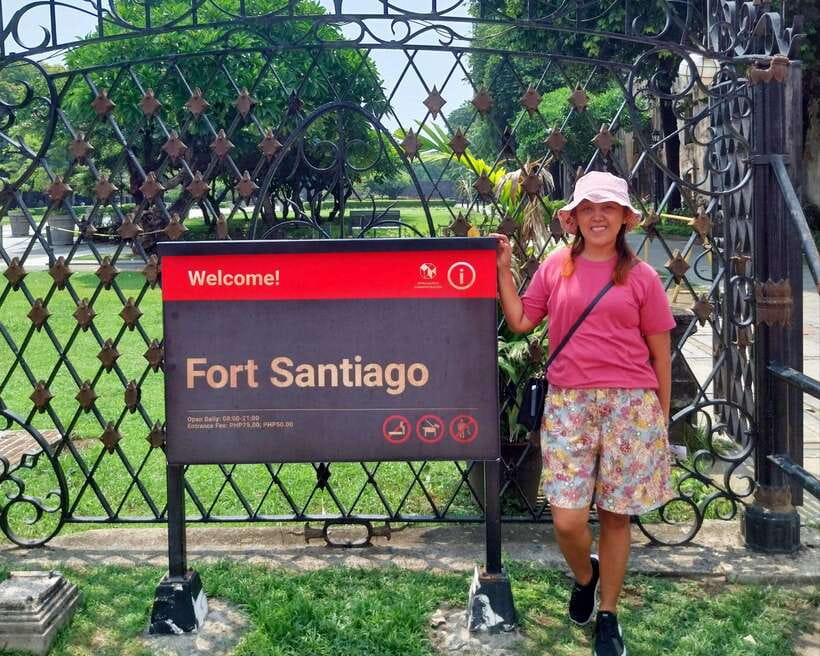
The meeting point is the front gate of Fort Santiago, which is practical because the fortress is the largest and most substantial stop on the route. You should arrive ready to walk, since this is not a quick photo stop at the entrance.
Fort Santiago was built as a defense fortress, and its location gives the tour a natural starting point. Here, your guide can explain how Intramuros functioned as a protected center of power and why military control mattered to Manila’s development.
The fort is also the place where you are most likely to need context. Walls, gates, courtyards, and old structures do not explain themselves. A strong guide should connect what you see with the political and wartime events that shaped the Philippines.
Give yourself room to ask questions. One of the supplied accounts praised Salve for explaining Manila and Philippine history in a way that made the tour feel worthwhile. Another account found that the guide offered useful logistics but gave limited information about the sites. That difference is important: Fort Santiago rewards explanation, not just sightseeing.
The exact amount of time at Fort Santiago is not specified, but it is the starting point and a major part of the visit. Bring water, especially in warm weather, and expect outdoor walking.
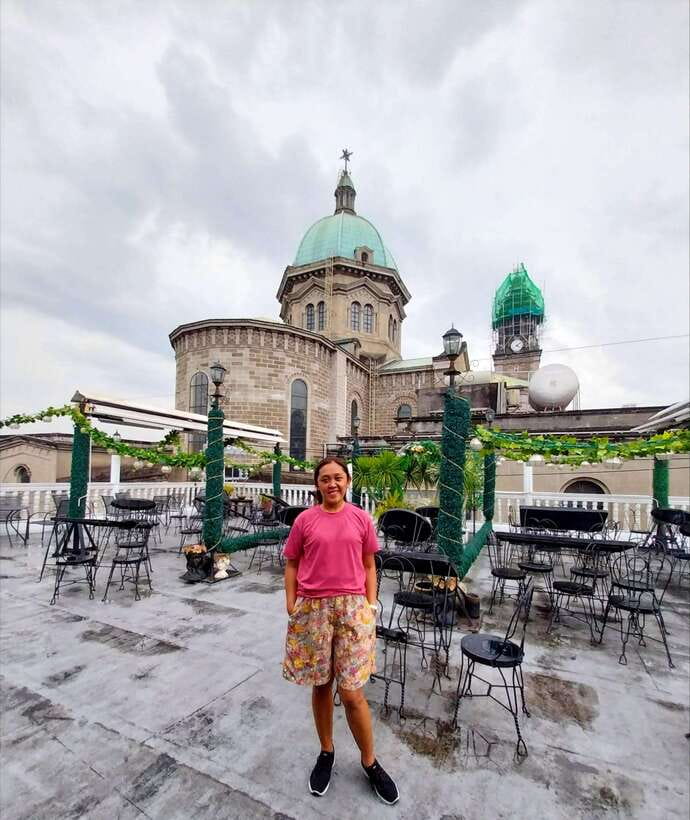
Manila Cathedral in a focused 15 minutes
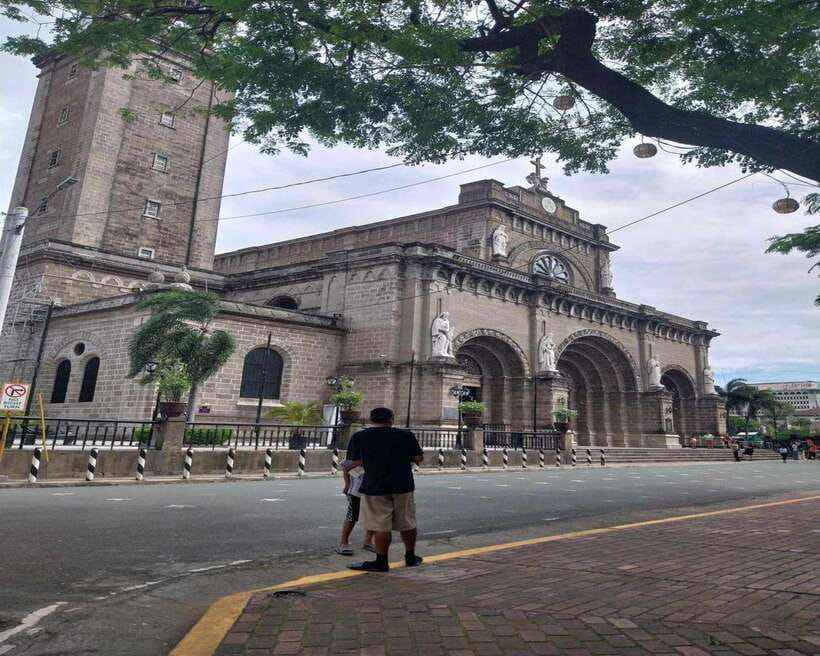
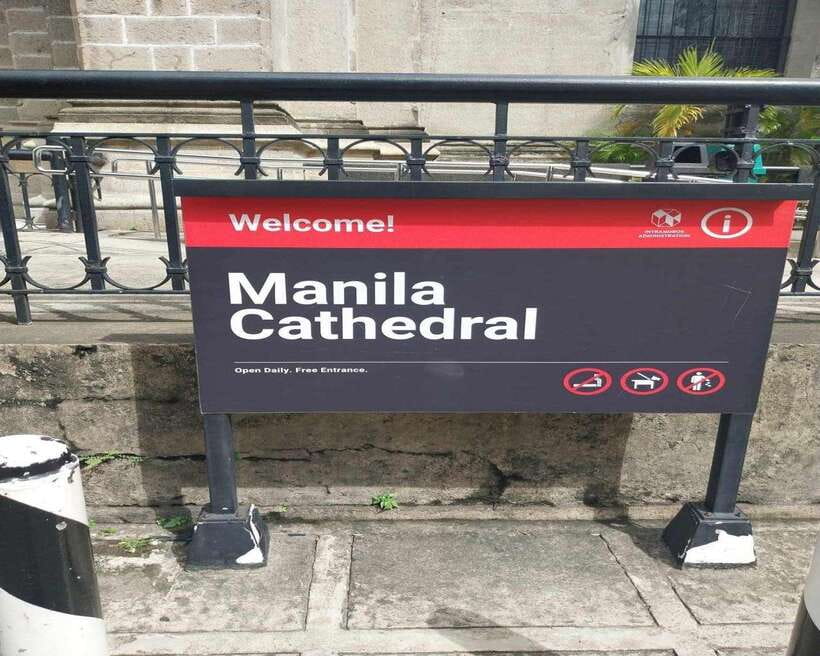
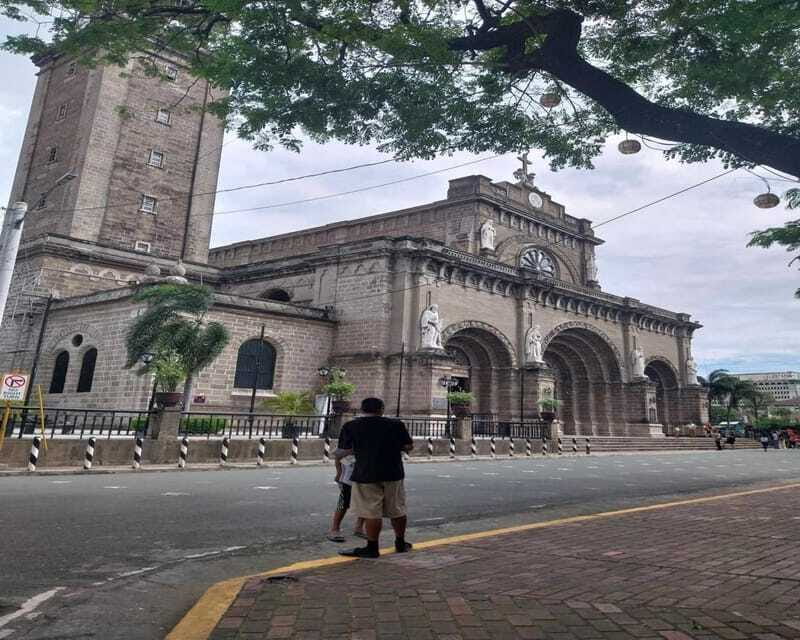
The next stop is Manila Cathedral, with about 15 minutes set aside for sightseeing. That is enough to admire the exterior, take photographs, and hear a short account of its place in Intramuros.
The cathedral is one of the district’s most recognizable buildings, with a formal design that contrasts with the defensive character of Fort Santiago. It gives you a quick look at the religious side of colonial Manila and helps explain why the walled district became more than a military stronghold.
Fifteen minutes is brief. You should not expect a long architectural study or a leisurely visit inside. If the cathedral is especially important to you, note the time limit and ask your guide what can be seen during the stop.
This is also a good point for photographs. The tour specifically allows time for memorable pictures, and Manila Cathedral provides a more formal backdrop than the rougher stone and brick of the fort.
San Agustin Church brings the oldest stone church into view
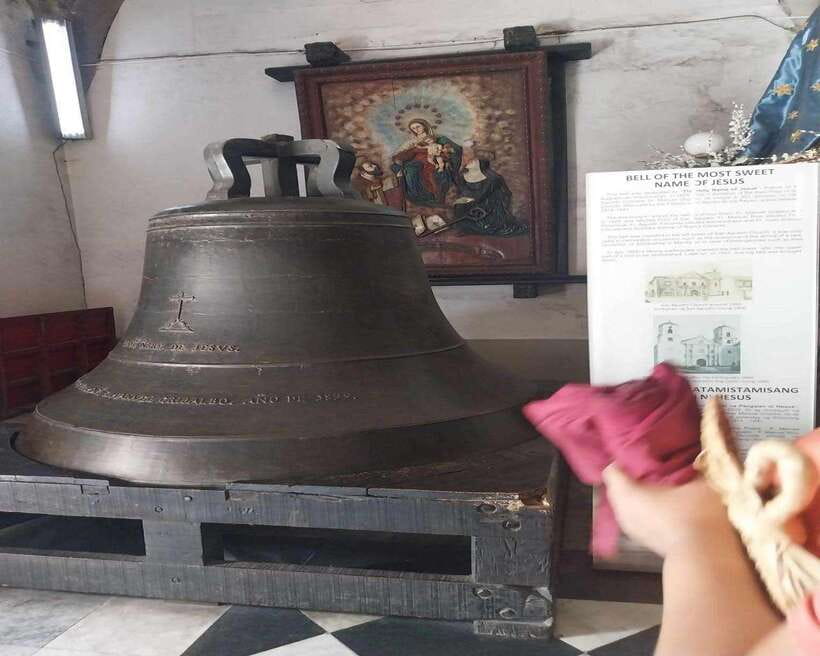
San Agustin Church receives another 15-minute sightseeing stop. It is described as the oldest stone church in the Philippines and is also a UNESCO site, making it one of the most significant places on this short route.
The church matters not only because of its age. It shows how religious buildings helped shape the identity and public life of Intramuros. Your guide can also help you notice the details that are easy to miss if you simply walk in, look around, and leave.
Again, the timing is tight. Fifteen minutes lets you see the building and take in its main features, but it leaves little space for a slow visit. If services or other restrictions affect access, the experience may be more about the exterior and a brief explanation.
I would treat San Agustin as a concentrated stop rather than a full museum visit. The benefit is that you get to see it without giving up the other major landmarks. The tradeoff is that you need to keep moving.
More Intramuros tours:
- Experience Intramuros with Bamboo Bicycle – Ecotours
★ 5.0 · 508 reviews - Manila: Intramuros, Chinatown, and Old Manila Half-Day Tour
★ 4.8 · 475 reviews - Manila Old and New: Sightseeing Tour Including Intramuros and Fort Santiago
★ 4.5 · 377 reviews - Manila: Guided Sunset Bamboo Bike Tour in Intramuros
★ 4.8 · 119 reviews
Casa Manila adds everyday life to the route
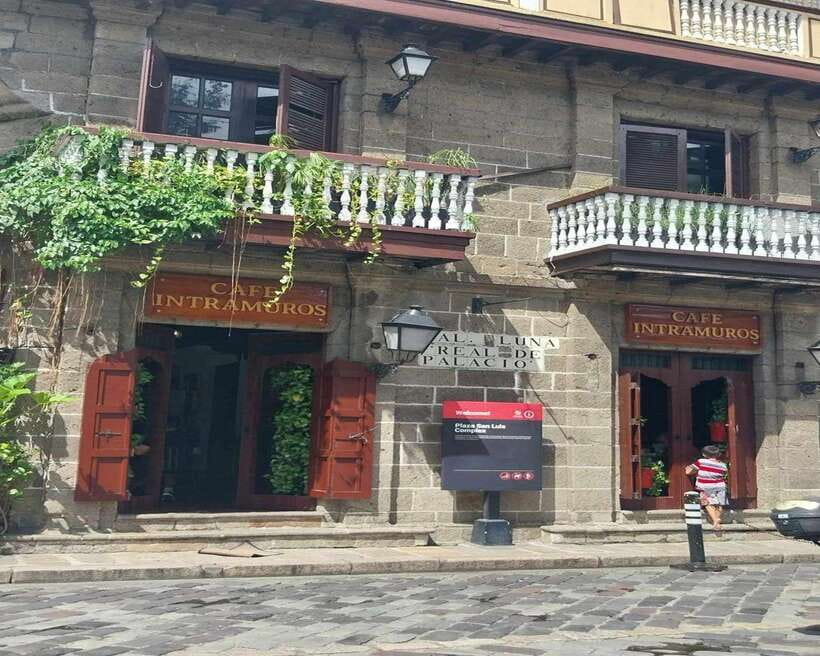
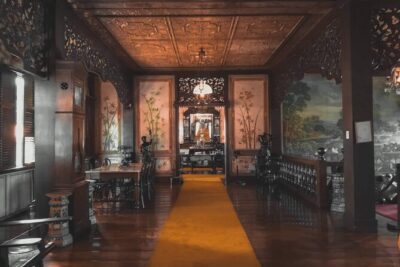
Casa Manila receives the longest stated stop, about 30 minutes, and admission is included. That extra time matters because a historic house needs slower viewing than a church facade or fortress gate.
The house gives you a chance to think about how people lived, furnished rooms, and arranged daily life in the Spanish-era setting represented by the museum. It is a useful change of pace after the outdoor walking and formal religious buildings.
Casa Manila is also where the tour becomes more personal. Fort Santiago tells you about defense and power. The churches tell you about faith and public identity. Casa Manila brings the story into rooms and household spaces.
Since the tour includes entry, you do not need to make a separate admission decision at the door. Thirty minutes is still not a long museum visit, but it is the most generous single block in the schedule. Pay attention to the guide’s explanations, since the value of this stop depends on understanding what the furnishings and rooms represent.
The two-hour pace is efficient but not relaxed
A two-hour tour can be a good fit if you want a clear introduction rather than an all-day history lesson. The route is compact, and the small group should help the guide keep everyone together while still allowing a few questions.
You should not expect long breaks, a meal, or extended time at every building. Meals are not included, and the tour is mainly walking. Water, sunscreen, and comfortable shoes are essential. A change of clothes is also recommended, which tells you to prepare for heat, humidity, or rain.
The tour operates rain or shine. Dress for the forecast, but do not assume bad weather will cancel the activity. Large bags and luggage are not allowed, so leave suitcases elsewhere and bring only what you need for the walk.
Children under four and people with mobility impairments should not book this activity. The information provided recommends a moderate level of physical fitness, and that is sensible for a route with frequent walking on historic streets.
Small groups and guide style
The limit of eight participants is one of the strongest practical features. You are less likely to be lost in a crowd, and a guide can usually hear your questions without a microphone or long pause.
English and Tagalog are available. If you want an English tour, confirm the language when booking rather than assuming every departure will use the same one.
The guide can make or break a history walk. Salve received especially warm praise for her explanations, friendliness, flexibility when plans changed, and care in helping a participant reach a taxi after the tour. That last detail is useful because it shows attention beyond the formal route.
At the same time, one participant found the historical explanations limited and felt that public information around Intramuros offered more detail. You should therefore arrive ready to engage. Ask about the purpose of each building, the changes to Intramuros over time, and what you are seeing inside the sites. A curious guest may get more from a short tour than someone who simply follows along.
The communication before the tour was also described as overly familiar by one participant. That is a minor concern, but you can keep arrangements clear and practical by confirming the meeting point, start time, language, and guide contact information in advance.
What $45 includes, and what it does not

The $45 price includes the professional English or Tagalog guide, entrance to Fort Santiago, and entrance to Casa Manila. It does not include meals or personal expenses.
For a two-hour tour, that is a midrange price rather than a bargain. You are paying for organization, a small group, and a guided sequence through the district. The included admissions help, especially if you would have visited both paid sites anyway.
The price is easier to defend for a first visit, a short stay, or anyone who prefers not to plan the walking order. It is less compelling for repeat visitors, independent history readers, or people who want to spend an hour inside one church or museum.
The booking terms are flexible. You can reserve now and pay later, and cancellation is available up to 24 hours before the tour for a full refund. Advance booking is requested at least two weeks ahead, so this is not the best choice for a last-minute plan.
Who should book this Intramuros walk
I would recommend it to you if:
- You have about two hours for Manila sightseeing.
- You want the main Intramuros landmarks in one organized route.
- You prefer a small group to a large city tour.
- You want a guide in English or Tagalog.
- You are comfortable walking outdoors in changing weather.
- You want Fort Santiago and Casa Manila admission included.
You may prefer another option if you need wheelchair-friendly access, are traveling with a child under four, dislike walking, or want detailed specialist history at every stop. The two 15-minute church visits are also too short for anyone hoping to study each building at length.
Should you book it?
Book this tour if you want a well-organized first look at Intramuros, especially when your Manila schedule is tight. The route covers the district’s essential contrasts: a fortress, two major churches, and a historic house. The small group and included admissions add practical value.
Before paying, confirm the guide’s name, language, and meeting details. If Salve is leading, the experience may include the warm personal help praised in the strongest account, but guide quality is not guaranteed. Bring water, sunscreen, comfortable shoes, and a flexible attitude about weather.
FAQ
Where does the Intramuros tour begin?
The tour begins at the front gate of Fort Santiago.
How long does the tour last?
The tour lasts two hours.
What places are visited?
The route includes Fort Santiago, Manila Cathedral, San Agustin Church, and Casa Manila.
How much does the tour cost?
The listed price is $45 per person.
Are entrance fees included?
Admission to Fort Santiago and Casa Manila is included. Other personal expenses and meals are not included.
What languages are available?
The tour is offered in English and Tagalog.
How large is the group?
The group is limited to eight participants.
What should I bring?
Bring comfortable shoes, sunscreen, water, and a change of clothes.
Can I cancel the booking?
You can cancel up to 24 hours in advance for a full refund.
Just added around Manila
- 3 Days Private Tour in Banaue Ifugao visiting Batad Rice Terraces★ 3.5 · 3 reviews
- Unforgettable Manila Fishing Village Day Excursion 2024★ 5.0 · 4 reviews
- indigenous Forest experience Manila 2023★ 5.0 · 4 reviews
- Cultural Dinner and Show in Manila★ 5.0 · 4 reviews
- Shared Old Manila Tour★ 5.0 · 5 reviews
- Shared Cruise Shore Excursion of Manila Old and New City Tour★ 4.0 · 10 reviews
- 5 Days Sagada Banaue Batad Discovery (PRIVATE GROUP TOUR Max 6 Travellers)★ 5.0 · 16 reviews
- Private Departure Airport Transfer in Manila Bay and Makati Area★ 5.0 · 3 reviews
Intramuros Walking Tours, compared.
Intramuros, Manila: Historical Bamboo Bike Tour
Read our review →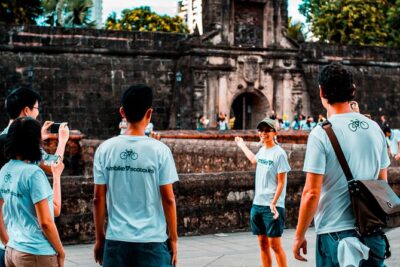
Experience Intramuros with Bamboo Bicycle – Ecotours
Read our review →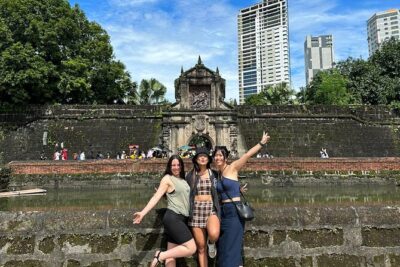
Intramuros, Chinatown, and Old Manila Half-Day Tour
Read our review →
Manila Old and New: Sightseeing Tour Including Intramuros and Fort Santiago
Read our review →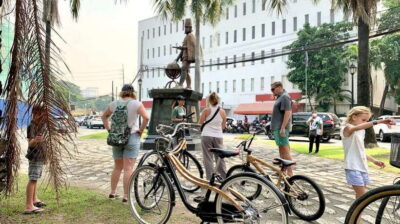
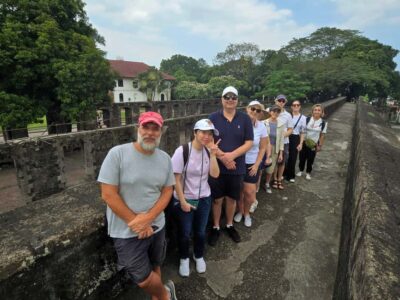
Explore Intramuros: Introduction to Philippine History
Read our review →Browse the lists this tour appears in