
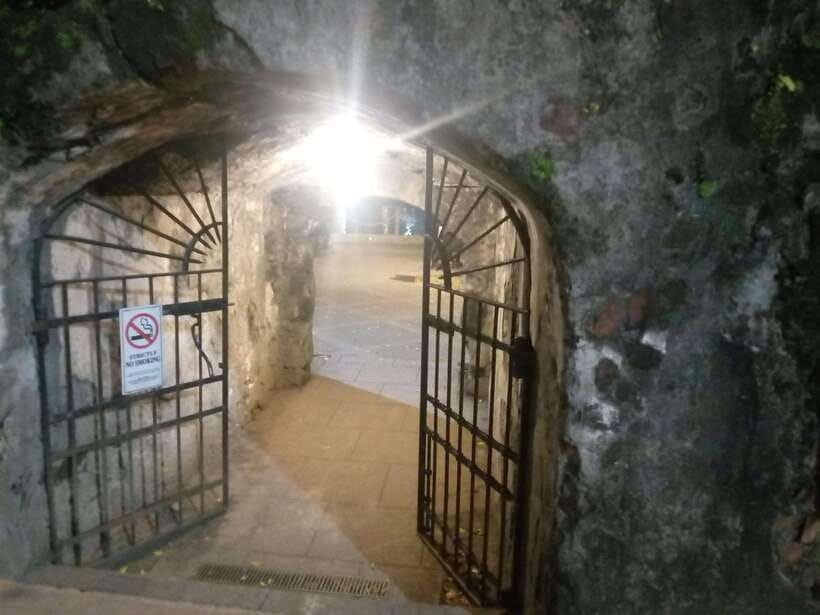
Reviewed · INTRAMUROS WALKING TOURS
Manila: Intramuros Myths and Nights Tour
Intramuros is more than old walls and churches. On this two-hour walk, guide Jerome uses Aswangs, Kapres, Duwendes, White Ladies, and other Filipino beings to examine how colonial power shaped the stories people were told. I like that the tour treats folklore as part of history, not as a silly side show.
I also like the route through Fort Santiago, especially the chapel-cell of Jose Rizal and the dungeons where about 600 civilians died. The night option adds atmosphere beneath the Acacia and Balete trees. The main consideration is that this is a story-led walk, not a standard architecture tour, so anyone wanting a detailed survey of every Intramuros building may find it selective.
Key points to know
- Folklore becomes a history lesson: Aswangs, Kapres, Tikbalangs, Duwendes, and White Ladies help explain how fear and belief shaped Filipino life.
- Jerome is the central strength: He leads in English or German and brings humor, questions, and strong personal interest to the walk.
- Fort Santiago carries the emotional weight: The chapel-cell of Jose Rizal and the dungeons give the myths a serious historical setting.
- The route links religion and resistance: Manila Cathedral and San Agustin open a discussion about Catholicism and older local beliefs.
- The night setting matters: Stories under the Acacia and Balete trees feel different after dark, though you should bring biodegradable insect repellent.
- The price covers the basics: At $49 per person, the fee includes entrance, the guide, and a snack, with free cancellation up to 24 hours before the tour.
Why this Intramuros walk feels different
Many walks in Intramuros focus on Spanish walls, churches, cannons, and dates. This one asks a more pointed question: who gets to tell the story of the Philippines?
The answer is explored through folklore. Filipino mythical beings are not presented only as spooky characters from childhood. They become clues to how communities understood danger, nature, illness, social rules, and foreign power. The tour also looks at the way Spanish colonial authorities allegedly used tales of horror to weaken local confidence and support the idea that the conquerors were more civilized than the people they ruled.
That approach gives you a fresh way to read familiar places. A tree is no longer just a tree. A chapel is not only a religious building. A dungeon is not merely a dark room beneath a fort. Each site becomes part of a larger conversation about memory, belief, and resistance.
I would choose the night tour if you enjoy atmosphere and storytelling. The day option may suit you better if you want clearer views and a less eerie setting. The available information does not specify exact start times, so check the schedule before booking.
More Intramuros tours:
- Intramuros, Manila: Historical Bamboo Bike Tour
★ 4.8 · 583 reviews - Experience Intramuros with Bamboo Bicycle – Ecotours
★ 5.0 · 508 reviews - Manila: Intramuros, Chinatown, and Old Manila Half-Day Tour
★ 4.8 · 475 reviews
Starting beneath the Acacia trees at Plaza Moriones
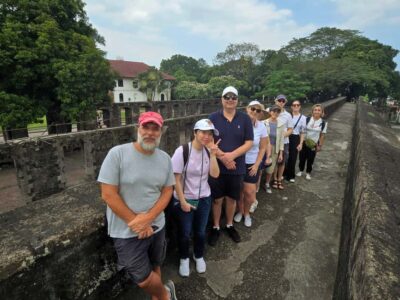
The walk begins at Plaza Moriones, where the group gathers under an Acacia tree. This is an effective opening because the first stories are about beings that shaped Filipino childhoods and family warnings.
You may hear about the Aswang, often described in the tour material as a Filipino vampire, along with Kapres and other mythological creatures. The point is not simply to list monsters. Jerome connects the stories to the way folklore helped people explain danger and pass lessons from one generation to the next.
This part should appeal to you if you want culture explained through lived tradition rather than a long lecture. It also gives the tour a lighter start, with humor and imagination before the walk turns toward imprisonment, death, and national resistance.
The drawback is that folklore can be interpreted in several ways. The tour takes a clear position on the political use of these tales, while a conventional guide may present the subject more cautiously. I would treat the discussion as an invitation to think and ask questions, not as a replacement for every academic view of Philippine history.
Fort Santiago, Balete trees, and the White Ladies
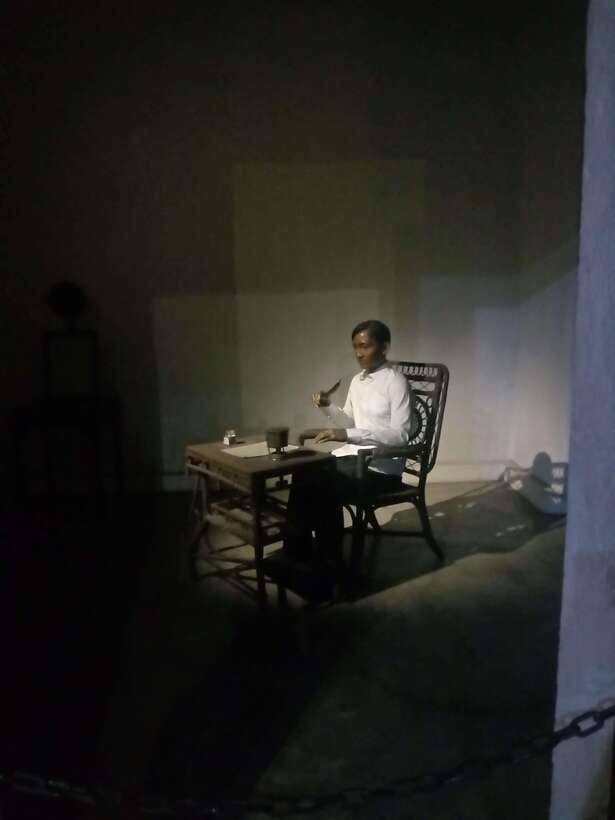
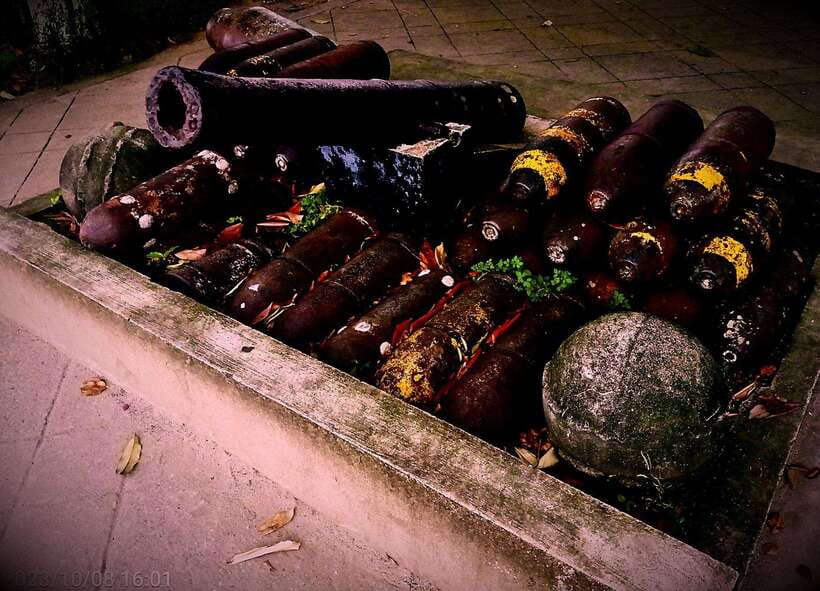
The route continues to Fort Santiago, one of the most important stops in Intramuros. Here, the setting shifts from open plaza to a place closely tied to colonial rule, military power, imprisonment, and the final days of Jose Rizal.
Under a Balete tree, the conversation turns to White Ladies and Duwendes, or dwarves. These stories may sound playful at first, but the tour uses them to examine the mindset created by conquest. The central idea is that local beliefs were recast as primitive or frightening, while foreign authority was presented as superior.
That makes the Balete stop more than a spooky pause. You are asked to consider how names, labels, and religious judgments can change the way a society sees itself. It is one of the tour’s most unusual features, since the discussion connects supernatural stories to colonial psychology.
Jerome’s style seems well suited to this material. He is described as funny, open to questions, and able to bring legends such as the Aswang, Duwende, and Tikbalang to life. If you have already taken a basic Intramuros walk, this section may still give you new material rather than repeating the usual facts.
Jose Rizal’s chapel-cell and the price of resistance
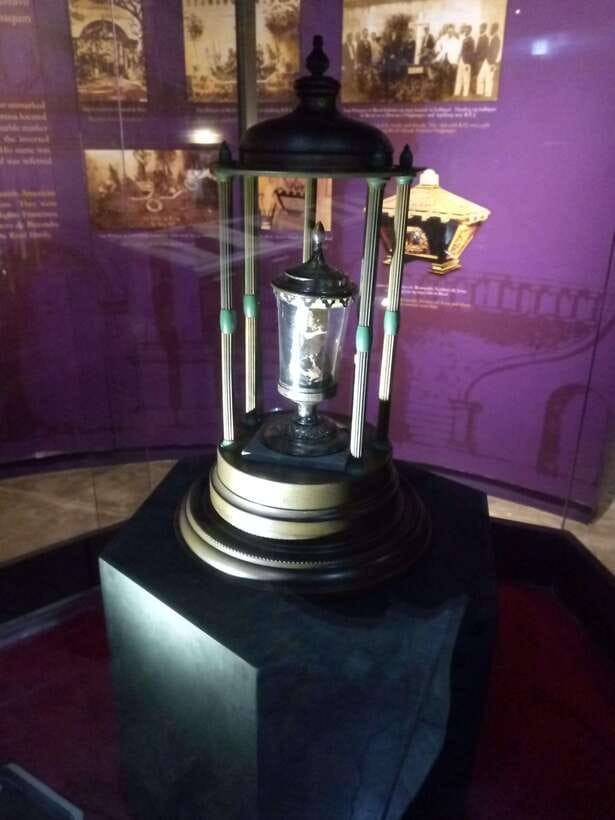
The group then visits the chapel-cell of Jose Rizal, the Filipino writer and national hero. This is where the tour’s themes of belief, resistance, and independence come together.
The discussion includes the agimat, a protective charm or talisman, and monasticism. These subjects show how spiritual ideas could become part of resistance under colonial rule. The tour does not treat independence as a simple military story. Instead, it looks at the mental and religious tools people used while challenging foreign authority.
This is likely to be one of the most useful sections for anyone who knows Rizal only as a name on a monument. The chapel-cell places his final period in a real location and gives the conversation a human scale.
You should also expect a balance of serious history and storytelling. Jerome’s strength, based on the available descriptions, is his ability to make the material educational without turning the walk into a dry class. That matters on a short tour, since two hours passes quickly when several large themes are being covered.
A few more Manila days worth weighing up
- Manila: Old & New 4-Hour City Tour
★ 4.5 · 458 reviews - Manila Food Tour: Introduction to Philippine Street Food
★ 5.0 · 417 reviews - Manila Old and New: Sightseeing Tour Including Intramuros and Fort Santiago
★ 4.5 · 377 reviews - Makati Nightlife: VIP Access to Clubs, Rooftops & Go-Go Bars
★ 4.9 · 278 reviews
The dungeons and the danger of forgetting
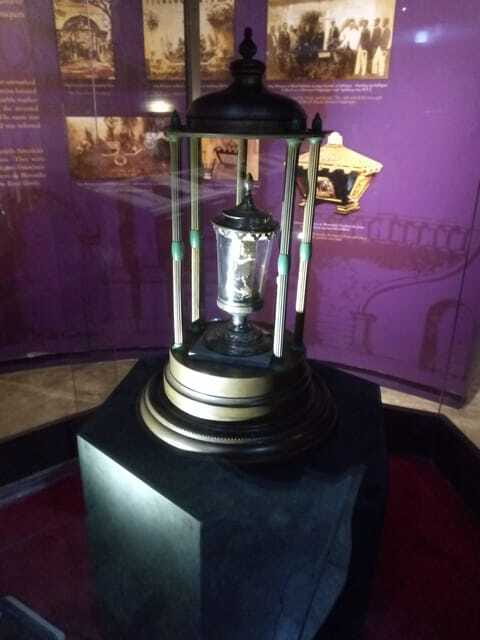
The dungeons are the emotional center of the route. About 600 civilians died there, and the tour asks you not to focus only on ghosts. Its stronger message is that the dead should not disappear from public memory.
That distinction is important. A night walk could easily use the dungeons for cheap scares. Instead, this experience uses the fear of ghosts to lead into a more serious fear: that suffering will be forgotten. The darkness and confined setting may make the stop intense, particularly for anyone who dislikes enclosed spaces or grim historical subjects.
I appreciate that the tour does not separate the supernatural from the real. Legends can entertain, but the dungeons remind you that colonial violence was not imaginary. The most meaningful part of the stop is likely the contrast between stories about spirits and the documented deaths of civilians.
If you prefer a light evening stroll, this section may feel heavy. If you want a tour that treats Intramuros as a place of memory rather than a backdrop for photographs, it gives the experience real purpose.
Manila Cathedral and San Agustin Church
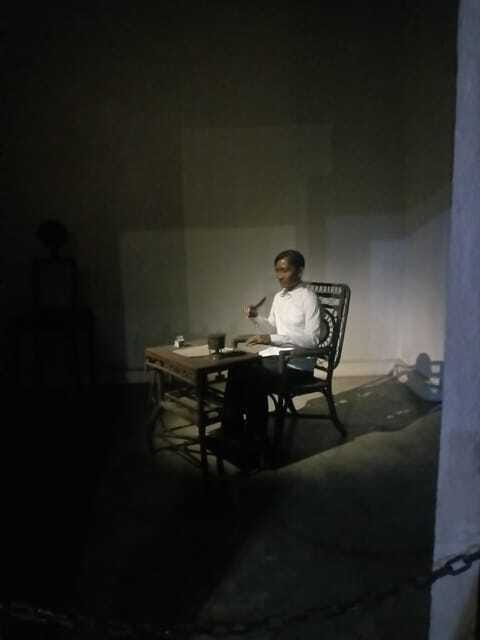
The route next reaches Manila Cathedral and San Agustin Church. These buildings are important not only because of their age or design, but because they represent the spread of Catholicism during Spanish rule.
The tour explores how Catholic beliefs merged with local religions. It also considers how the supreme beings of native communities could be described as demons by the conquerors. That is a sharp way to examine religious conversion, since it looks at what happened to older beliefs when a new authority declared them wrong.
You should not expect a full architectural study of either church. The focus is on religion, power, and cultural change. If you want detailed information about construction dates, restoration work, and decorative features, you may need a separate church-focused walk.
Still, these stops help explain why the route works as a whole. The myths at Plaza Moriones and Fort Santiago are linked to the religious questions raised at the churches. By this point, the tour has moved from childhood creatures to the larger issue of how colonial systems reshape a people’s understanding of the world.
Ending at Puerta del Parian
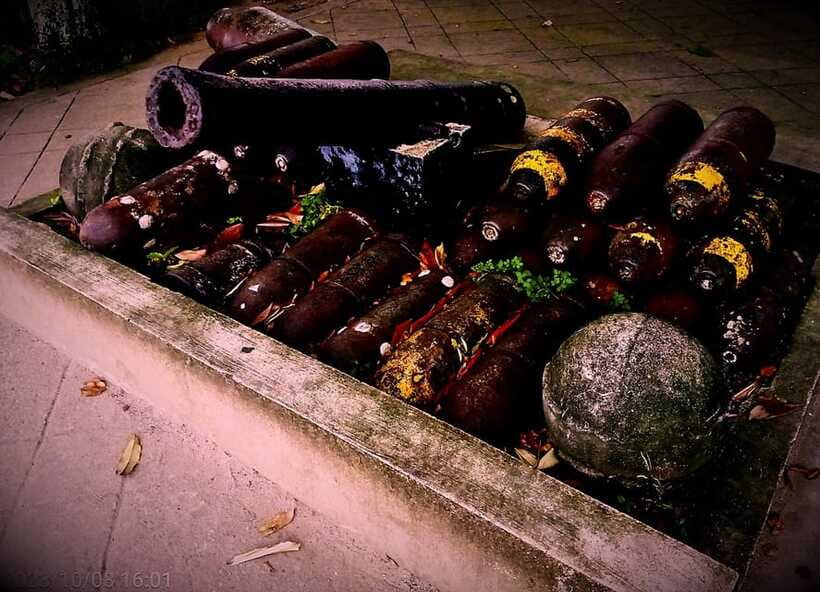
The walk ends at Puerta del Parian, where the theme turns back toward uprisings and independence. This closing stop revives the spirit of resistance rather than leaving you with only fear, imprisonment, or religious conflict.
A strong ending matters on a short tour. Here, the route moves from stories used to control people toward the idea that memory can help people resist control. You leave with a view of Intramuros that is more political and personal than a simple list of landmarks.
The exact walking distance and group size are not provided, so you should be ready for a continuous two-hour walk through historic streets and sites. The tour is wheelchair accessible, which is useful, though old fort areas and historic paths can still feel less smooth than modern streets.
What the $49 price includes
At $49 per person, the tour costs more than a basic self-guided walk, but the comparison is not quite fair. You are paying for a live guide, entrance fees, a snack, and a structured interpretation that ties several sites together.
The guide is the main value. Without Jerome’s storytelling and historical framing, the myths could feel like disconnected tales. With a strong guide, the Acacia tree, Balete tree, chapel-cell, dungeons, churches, and gate become chapters in one argument about colonialism and identity.
The snack is a small extra rather than a reason to book. The entrance fee matters more, since it keeps you from arranging each paid stop yourself. For someone who wants a focused experience in only two hours, the package is reasonably useful.
I would not choose this tour for the lowest possible price. I would choose it if you want a guide to challenge the standard colonial version of Intramuros and help you connect folklore with national history.
Jerome’s guiding style
The guide can lead in English or German. Jerome is named as the guide associated with the experience, and his role is central to its appeal.
His approach combines facts, legends, humor, and open discussion. That mix is useful because the subject can become solemn very quickly. His ability to answer questions also helps if you want to test the tour’s claims or connect the stories to your own understanding of Philippine history.
One particularly useful detail is that the walk can work even if you have already taken another Intramuros tour. The content is not limited to the standard route explanation. You may hear additional material about the Aswang, Duwende, Tikbalang, colonial belief systems, and the struggle for independence.
If you are traveling alone, the provider also states that Jerome helped one solo participant get home safely. That is not a formal transport service, so you should not treat it as a guaranteed part of every booking, but it suggests a considerate guiding style.
Practical advice before you go
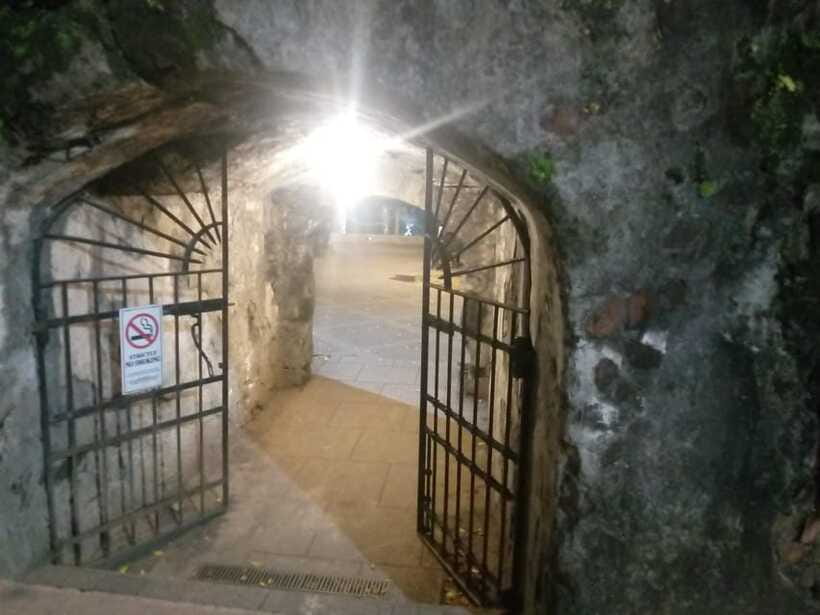
Bring biodegradable insect repellent, especially for an evening walk beneath trees. That is the one item specifically recommended for the experience, and it is sensible for a two-hour outdoor route.
Wear comfortable shoes and be prepared to walk through historic areas. The tour lasts two hours, and the route includes Plaza Moriones, Fort Santiago, the churches, and Puerta del Parian.
The night setting may make the stories more atmospheric, but it can also make details harder to see. Choose the day option if visual access matters most to you. Choose the night option if you want the legends to carry more mood.
The tour is wheelchair accessible. It is listed as unsuitable for people over 95, and free cancellation is available up to 24 hours before the start. You can also reserve now and pay later, which gives you some flexibility while your plans are still changing.
Who should book this tour?
I would recommend it to you if you enjoy history told through people, beliefs, and stories rather than dates alone. It is especially suitable for first-time visitors who want a different way to understand Intramuros, and for Filipinos who already know the basic national story but want to examine it through folklore.
It also suits solo visitors, curious couples, and anyone who likes a guide willing to answer questions. The English and German options make it practical for a wider range of visitors.
I would hesitate if you want a thorough architectural tour, a purely factual museum-style presentation, or a gentle ghost walk with little political discussion. The experience asks you to think about colonial power, religious judgment, and historical memory. That is its strength, but it is not everyone’s preferred evening.
Should you book the Intramuros Myths and Nights Tour?
Book it if you want Intramuros explained through Filipino mythology and resistance, with Fort Santiago, Jose Rizal’s chapel-cell, the dungeons, and the old churches forming one connected story. At $49, the value depends on the guide, and Jerome appears to be the key reason this tour works.
Choose the night version for atmosphere, bring insect repellent, and leave room for questions. If you prefer buildings, dates, and architecture over folklore and colonial critique, choose another Intramuros walk. If you want the walls to speak about identity, fear, faith, and independence, this is a thoughtful choice.
FAQ
Where does the tour begin?
The tour begins at Plaza Moriones in Intramuros.
How long does the tour last?
The tour lasts two hours.
Is the tour offered during the day or at night?
You can choose between a day tour and a night tour. Starting times depend on availability.
Which languages are available?
The live guide can lead the tour in English or German.
What does the price include?
The $49 price per person includes the entrance fee, the guide’s fee, and a snack.
Is the tour wheelchair accessible?
Yes, the activity is listed as wheelchair accessible.
Just added around Manila
- 3 Days Private Tour in Banaue Ifugao visiting Batad Rice Terraces★ 3.5 · 3 reviews
- Unforgettable Manila Fishing Village Day Excursion 2024★ 5.0 · 4 reviews
- indigenous Forest experience Manila 2023★ 5.0 · 4 reviews
- Cultural Dinner and Show in Manila★ 5.0 · 4 reviews
- Shared Old Manila Tour★ 5.0 · 5 reviews
- Shared Cruise Shore Excursion of Manila Old and New City Tour★ 4.0 · 10 reviews
- 5 Days Sagada Banaue Batad Discovery (PRIVATE GROUP TOUR Max 6 Travellers)★ 5.0 · 16 reviews
- Private Departure Airport Transfer in Manila Bay and Makati Area★ 5.0 · 3 reviews
Intramuros Walking Tours, compared.
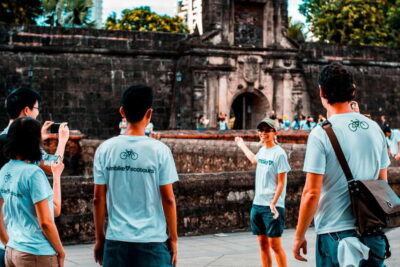
Intramuros, Manila: Historical Bamboo Bike Tour
Read our review →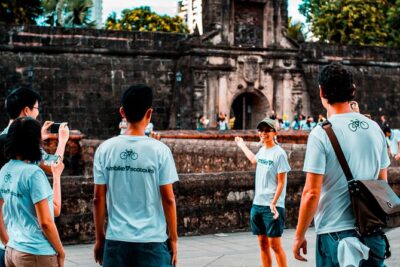
Experience Intramuros with Bamboo Bicycle – Ecotours
Read our review →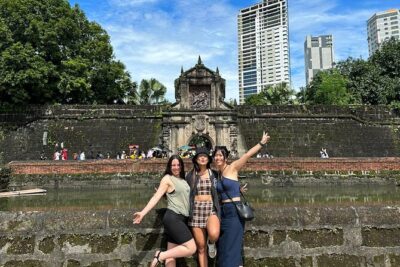
Intramuros, Chinatown, and Old Manila Half-Day Tour
Read our review →
Manila Old and New: Sightseeing Tour Including Intramuros and Fort Santiago
Read our review →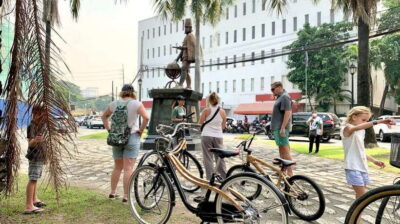
Explore Intramuros: Introduction to Philippine History
Read our review →Browse the lists this tour appears in