
Reviewed · INTRAMUROS WALKING TOURS
Manila: Intramuros Tour ( Dark)
Fort Santiago gives this tour its dark edge. Inside its dungeons and old military walls, you hear about executions, imprisonment, wartime suffering, and ghost sightings tied to real events. The stories work best when they stay grounded in what happened here.
I like the mix of haunted tales and Philippine history, and I like that the route honors people such as Rajah Sulayman, Andres Novales, General Vicente Lim, and Andres Bonifacio. The guide’s energetic, educational style is another plus, though the two-hour schedule leaves little time for lingering at each stop.
This is a serious walking tour, not a light ghost story outing. The many stairs and uneven historic surfaces may be difficult, and the information gives conflicting guidance about wheelchair access, so anyone with mobility concerns should confirm before booking.
Key points to know before you go
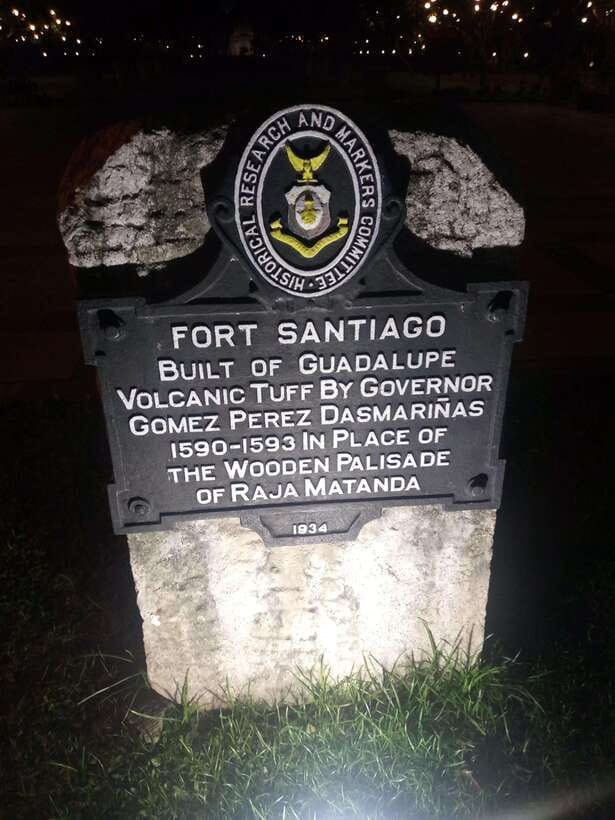
- Fort Santiago anchors the experience: Spend about an hour seeing the American barracks, dungeons, baluartes, and Dr. Jose Rizal’s final prison cell.
- The ghost stories come from real suffering: Accounts of prisoners, executions, and wartime deaths give the supernatural material its weight.
- You follow a wide historical arc: The guide connects pre-Hispanic Manila, Spanish rule, the Philippine-American War, and the Japanese occupation.
- The churches add a different mood: Manila Cathedral and Saint Agustin Church shift the focus from military violence to religion, power, and survival.
- It ends with Andres Bonifacio: The Bonifacio Shrine provides a final look at the Philippine Revolution and lesser-known revolutionaries.
- Plan for a brisk walk: Wear good shoes, carry water, and expect a private two-hour tour in English or German.
Entering Fort Santiago after dark
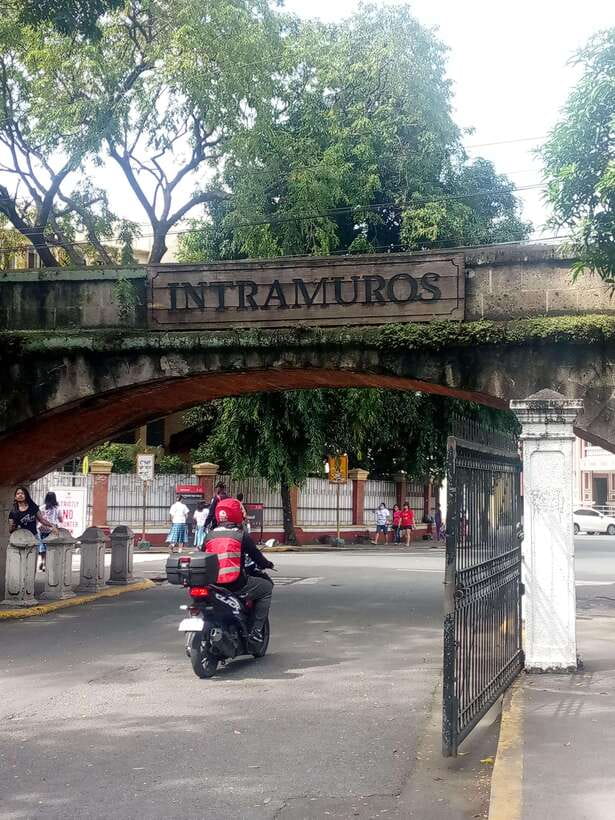
The tour begins at Fort Santiago, the old citadel within Intramuros. This is the right starting point for a dark-themed walk because the fort brings together military power, imprisonment, resistance, and loss in one compact place.
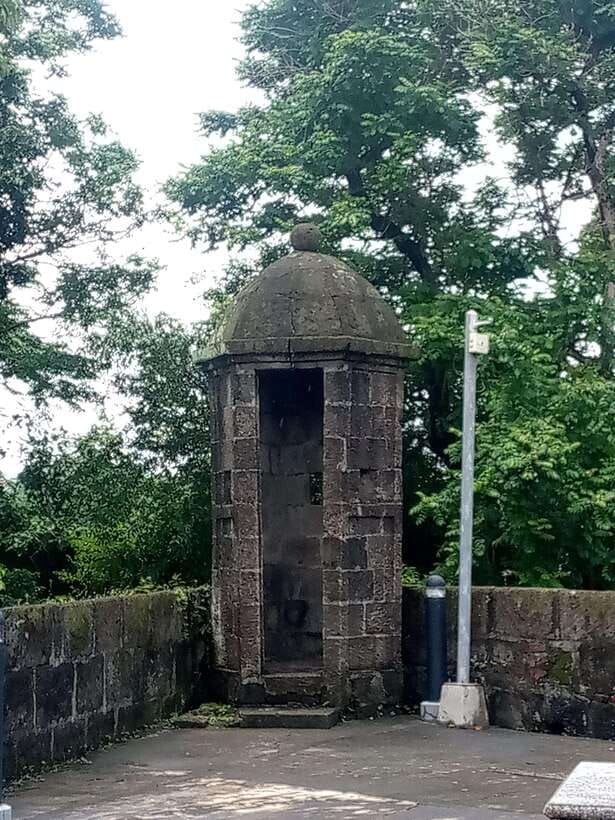
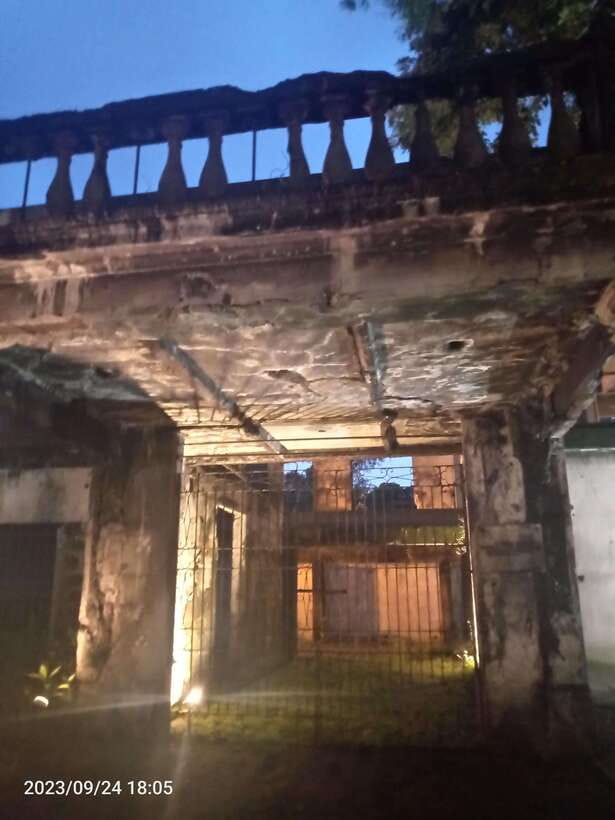
You spend roughly an hour here with your guide. The route includes the old American barracks, the dungeons, and the baluartes, or defensive bastions. These stone spaces are also linked with reported spirit sightings, but the stronger part of the experience is the human story behind them.
I find ghost stories more effective when they grow out of documented suffering. Here, the frightening details are not presented as harmless thrills. They are tied to people who were detained, tortured, or killed, so you should expect a sober tone alongside the suspense.
Fort Santiago’s old military design also helps you understand why Intramuros mattered. The walls and defensive points were built to control access to the city and protect its rulers. As you move through the fort, the guide explains how different powers used the site over time.
The fort admission is included in the tour price. That matters because you are not simply walking around the outer streets and hearing general stories. You get access to one of Intramuros’ most important historic sites, with a guide to explain what you are seeing.
More Intramuros tours:
- Intramuros, Manila: Historical Bamboo Bike Tour
★ 4.8 · 583 reviews - Experience Intramuros with Bamboo Bicycle – Ecotours
★ 5.0 · 508 reviews - Manila: Intramuros, Chinatown, and Old Manila Half-Day Tour
★ 4.8 · 475 reviews
The prison cell of Dr. Jose Rizal
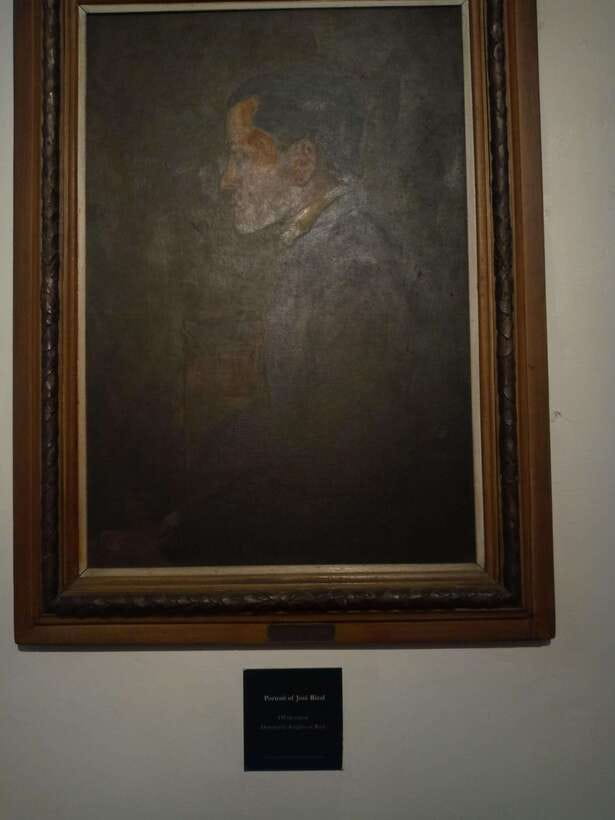
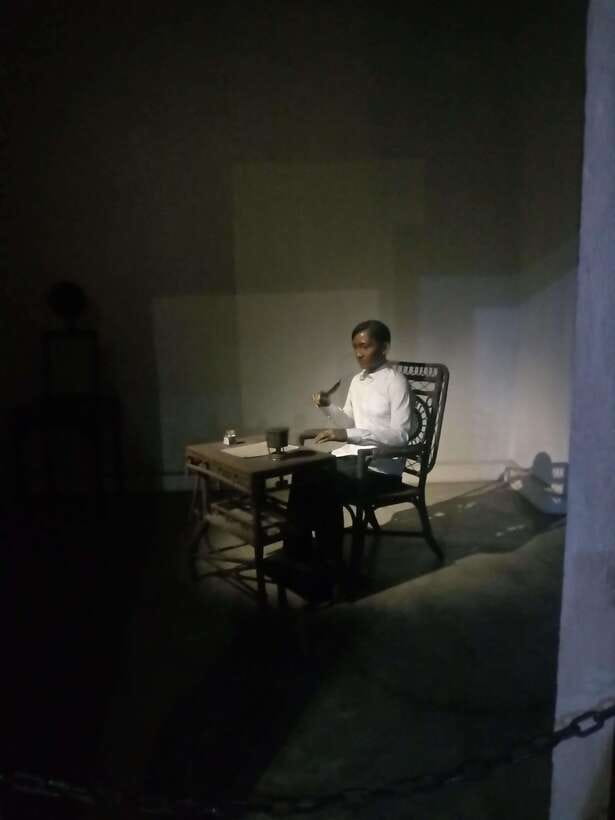
One of the most meaningful stops is the last prison cell of Dr. Jose Rizal. Rizal was detained here before his execution, and his imprisonment became part of the larger story of reform and national identity.
The guide uses the cell to explain the reformist ideas that helped shape the Philippines. This gives the tour a needed pause from ghost stories. You are asked to think about political change, sacrifice, and the cost paid by people who challenged the system.
Rizal’s presence also links Fort Santiago to the wider struggle for Filipino self-rule. The cell is not just another old room. It represents the pressure placed on writers, reformers, and patriots during a period when criticism of those in power could carry deadly consequences.
You may find this part especially valuable if you want context rather than a string of spooky anecdotes. The stories of Rajah Sulayman, Andres Novales, and General Vicente Lim widen the focus beyond the best-known national heroes. They show that resistance took many forms and continued across different periods.
The dungeons and the cost of war
The dungeons are among the heaviest parts of the walk. The guide describes the poor air supply and the cramped conditions that prisoners endured. You are also told about the deaths of 600 Filipino and American civilian prisoners of war and the mass grave connected with them.
This is where the tour’s title becomes difficult in the best sense. The darkness is not only about spirits in shadowy rooms. It comes from the record of people who died in captivity and from the way violence left a mark on the place.
You should be ready for emotionally difficult material. The tour pays tribute to the dead, but it does not turn their suffering into entertainment. If you are looking for a casual evening walk, this may feel too grim. If you want a more thoughtful account of Intramuros, the dungeons give the tour its strongest purpose.
The physical conditions matter, too. You are walking through enclosed chambers with limited air, then continuing on foot through the old city. Bring water and wear comfortable shoes. The supplied information says the route involves a lot of walking, and that is worth taking seriously in Manila’s heat.
Manila Cathedral and the struggle for power
After Fort Santiago, the route moves to Manila Cathedral for about 15 minutes. This is a shorter stop, but it changes the subject from prisons and battle damage to the relationship between the church and government.
The guide explains how power struggles affected the Indios, the term used for Indigenous people under Spanish colonial rule. This section gives you a look at how authority worked in colonial Manila and how ordinary people were caught between competing institutions.
Because the cathedral visit is brief, do not expect a long architectural tour. Its value lies more in the story attached to the building and its role in the city. The stop also gives you a chance to shift your mood before continuing along the streets of Intramuros.
You should remain respectful here. The route deals with religious spaces and painful events, not just picturesque buildings. Modest, considerate behavior is appropriate, and smoking is not allowed during the activity.
A few more Manila days worth weighing up
- Manila: Old & New 4-Hour City Tour
★ 4.5 · 458 reviews - Manila Food Tour: Introduction to Philippine Street Food
★ 5.0 · 417 reviews - Manila Old and New: Sightseeing Tour Including Intramuros and Fort Santiago
★ 4.5 · 377 reviews - Makati Nightlife: VIP Access to Clubs, Rooftops & Go-Go Bars
★ 4.9 · 278 reviews
General Luna Street and the Philippine-American War
A walk along General Luna Street connects the main sites. This is where the guide turns to courage and sacrifice during the Philippine-American War.
Street-level walking helps make the account feel less distant. Instead of seeing the conflict only as dates and names, you move through the old city while hearing about the Filipinos who resisted and suffered. The setting gives the stories a physical frame.
The stop is not described as a long museum-style presentation, so expect a concise account rather than a full military study. Still, it adds an important period to the tour. Intramuros was shaped by Spanish rule, American control, Japanese occupation, and Filipino resistance, and the route tries to connect those chapters in a short time.
That short schedule is both a strength and a limitation. You cover a lot without giving up an entire day, but you will need to listen closely. If you stop often for photographs, you may feel rushed.
Saint Agustin Church and survival through changing eras
Saint Agustin Church provides one of the tour’s more striking changes in atmosphere. The guide tells the story of how the church endured through different periods of Philippine history.
Its importance here is not limited to religious design. The church becomes a way to consider survival. Buildings can outlast political systems, wars, and disasters, but they also carry the marks of the people who used and defended them.
The stop is described as a chance to be moved by the church’s resilience. You will want to allow a little time to look around, even though the overall tour remains tightly timed. The guide’s role is especially useful here because a church can otherwise seem like a quick photo stop.
As with Manila Cathedral, the visit should be treated as a place of worship and remembrance. Keep your voice low and follow any site rules. A camera is allowed and encouraged, but respectful photography is the sensible approach.
Bonifacio Shrine and the final revolution story
The tour’s final stop is the Bonifacio Shrine in front of Manila City Hall. This brings the route back to revolution and the fight for Philippine independence.
Andres Bonifacio is remembered as the Father of the Philippine Revolution. The guide also points toward revolutionaries who are less often discussed. That broader focus is useful because national history can easily become a parade of famous names, leaving out the people who supported movements without receiving equal recognition.
Ending with Bonifacio gives the tour a clear final note. You move from colonial power and military imprisonment toward organized resistance and national identity. The route does not treat the past as a finished story. Instead, it shows how each period left questions about power, sacrifice, and who gets remembered.
The stop is outside Fort Santiago, but the route is planned to return to the starting area. The stated timing lists Fort Santiago as both the meeting point and return point, so confirm the exact end location and walking order when you book, especially because one description also places the final stop at the Bonifacio Shrine.
What the $48 price gets you
At $48 per person, this is not the cheapest way to see Intramuros. The value depends on how much guidance you want and whether Fort Santiago access matters to you.
You receive a private, two-hour tour, a live guide, admission to Fort Santiago, and a focused route through several major places. A private group can be useful if you want to ask questions about Rizal, Bonifacio, the dungeons, or the church and government conflict without being lost in a large crowd.
The tour also covers more than a standard fort visit. You get military history, political history, religious history, revolutionary stories, and ghost accounts in one compact outing. That range makes the price easier to justify for a first visit to Intramuros.
Still, you should understand what you are buying. This is a guided walking experience, not a meal-inclusive evening tour, and it does not include hotel pickup, drinks, or personal expenses. You must make your own way to Fort Santiago.
The score of 4.7 from three ratings suggests a very positive early reception, but the sample is small. The clearest praise centers on the guide’s passion and ability to keep the experience entertaining and educational. That is important here because the route covers heavy material in a short time.
Who should book this Intramuros walk
I would recommend it to adults and older teenagers who enjoy history with a supernatural edge. The minimum age is 12, and the subject matter can be grim, so younger children are not the right audience.
You will get the most from this tour if you want stories tied to particular places. The guide does not simply point out walls and churches. You hear why the dungeons matter, why Rizal’s cell is important, and how the city’s churches fit into colonial power struggles.
It is also a good choice if you have only a short time in Manila. Two hours gives you a fast introduction to several major sites without requiring a full day. The tradeoff is that the pace is brisk, and you will not have much freedom to linger.
The tour may not suit you if you are pregnant, have a mobility impairment, or dislike enclosed spaces and difficult historical subjects. The information provided says the activity is wheelchair accessible but also says it is not suitable for wheelchair users or people with mobility impairments. Treat that as a point to verify before payment rather than assuming the route will work for you.
The language choices are English and German. No guide name is provided, but the guide’s personal energy is central to the experience, so the quality of the explanation will matter more than a printed route map.
Practical advice for the two-hour route
Wear comfortable walking shoes. You will be on your feet for most of the experience, and historic areas may not offer the smoothest walking surface.
Bring a bottle of water. The dungeons and enclosed chambers are part of the route, but you also spend time walking outdoors. Staying hydrated is especially important in a warm climate.
Carry a camera if you want photographs of the fort, churches, streets, and shrine. Ask before photographing people or sensitive areas, and remember that some stops call for quiet attention rather than constant picture-taking.
Allow yourself time to absorb the difficult stories. The deaths of prisoners, the mass grave, Rizal’s detention, and the struggles of Filipino patriots deserve more than a quick joke or spooky effect. The best version of this tour treats the supernatural material as a doorway into memory, not as a replacement for history.
Free cancellation is available up to 24 hours before the tour, and you can reserve now while paying later. Those terms help if your Manila plans are still shifting, but they do not remove the need to check the meeting details, physical demands, and conflicting mobility information.
Should you book the Intramuros Dark Tour?
Book it if you want a compact, private introduction to Intramuros that combines Fort Santiago, Rizal, Bonifacio, wartime suffering, churches, and ghost stories. The strongest reason to choose it is the guide-led storytelling, especially if you appreciate an energetic presentation that remains tied to real events.
Skip it if you want a relaxed church visit, a simple sightseeing walk, or a purely playful ghost tour. The material is often solemn, the walk is active, and the schedule is tight.
For most adults interested in Manila’s past, the $48 price is reasonable because Fort Santiago admission and a private guide are included. Confirm the exact meeting and return details, wear proper shoes, and approach the stories with respect. That is when this dark walk is likely to leave the strongest impression.
FAQ
Where does the tour begin?
The tour begins at Fort Santiago in Intramuros.
How long does the experience last?
The tour lasts two hours.
What language is the tour offered in?
The live tour is offered in English or German.
Is Fort Santiago admission included?
Yes. Admission to Fort Santiago is included in the tour.
Does the tour include hotel pickup?
No. Hotel pickup and drop-off are not included.
What should I bring?
Bring comfortable walking shoes, water, and a camera.
Is the tour suitable for children and people with mobility impairments?
The tour is not suitable for children under 12, pregnant women, or people with mobility impairments. The information also gives conflicting details about wheelchair access, so wheelchair users should confirm directly before booking.
Just added around Manila
- 3 Days Private Tour in Banaue Ifugao visiting Batad Rice Terraces★ 3.5 · 3 reviews
- Unforgettable Manila Fishing Village Day Excursion 2024★ 5.0 · 4 reviews
- indigenous Forest experience Manila 2023★ 5.0 · 4 reviews
- Cultural Dinner and Show in Manila★ 5.0 · 4 reviews
- Shared Old Manila Tour★ 5.0 · 5 reviews
- Shared Cruise Shore Excursion of Manila Old and New City Tour★ 4.0 · 10 reviews
- 5 Days Sagada Banaue Batad Discovery (PRIVATE GROUP TOUR Max 6 Travellers)★ 5.0 · 16 reviews
- Private Departure Airport Transfer in Manila Bay and Makati Area★ 5.0 · 3 reviews
Intramuros Walking Tours, compared.
Intramuros, Manila: Historical Bamboo Bike Tour
Read our review →
Experience Intramuros with Bamboo Bicycle – Ecotours
Read our review →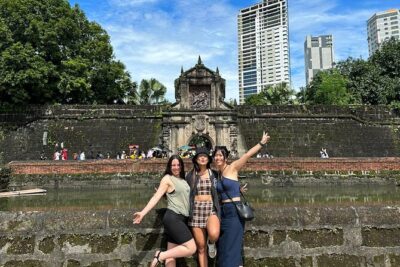
Intramuros, Chinatown, and Old Manila Half-Day Tour
Read our review →
Manila Old and New: Sightseeing Tour Including Intramuros and Fort Santiago
Read our review →
Explore Intramuros: Introduction to Philippine History
Read our review →Browse the lists this tour appears in