
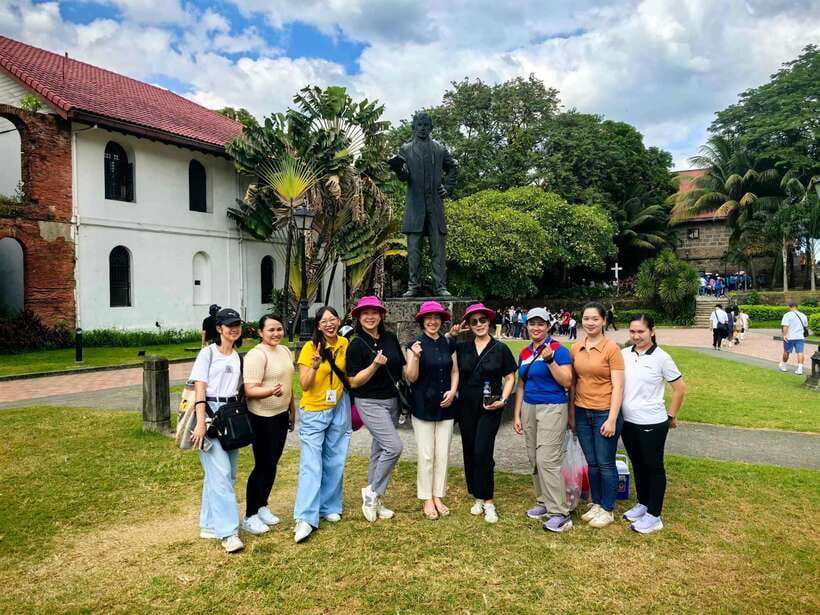
Reviewed · INTRAMUROS WALKING TOURS
Manila: Walled City Intramuros Walking Tour
Intramuros gives you Manila’s past in one compact walk. Behind its old walls, Fort Santiago, the Rizal Shrine, Manila Cathedral, San Agustin Church, and Casa Manila connect Spanish rule, Filipino resistance, World War II, and everyday colonial life. The stories are as important as the buildings, especially at Memorare Manila 1945, which recalls the city’s terrible wartime destruction.
I like the mix of serious history and small pleasures. You get Fort Santiago and José Rizal’s final days, then a recreated 19th-century home and a short kalesa or tranvia ride. I also like the guides’ clear storytelling. Andre, also identified as Andrei in one account, is praised for explaining difficult history in easy English and handling an international group with care. The main drawback is the footing: expect about 5,000 steps on cobblestones and uneven streets, plus heat, rain, and a modest dress code at churches.
Key points to know before booking
- Fort Santiago sets the historical tone: You begin with Manila’s colonial defenses, river views, and the story of the city’s changing rulers.
- The Rizal Shrine adds a personal focus: José Rizal’s final days are explained at the site connected with his imprisonment and execution.
- World War II is treated seriously: Memorare Manila 1945 and the surrounding ruins show how badly Manila suffered in 1945.
- Casa Manila changes the pace: The recreated home gives you a close look at 19th-century furniture, customs, and family life.
- Transport is part of the experience: A kalesa or tranvia ride adds a brief break from walking and gives you another way to see Intramuros.
- The tour is best for walkers: Comfortable shoes, sun protection, water, and modest clothing will make a real difference.
What this Intramuros tour helps you understand
Intramuros means within the walls, and that name tells you how the district began. It was the Spanish colonial center of Manila, built as a fortified city and shaped by churches, government buildings, military posts, and wealthy homes. A guide helps you read the streets as more than old stone and faded facades.
That context matters because Intramuros can otherwise feel like a collection of disconnected sights. Fort Santiago tells you about defense and political control. The churches show the power of religion during the Spanish period. Casa Manila explains how well-off families lived. The wartime memorials remind you that much of what you see today has been repaired or rebuilt.
The route covers roughly three to three and a half hours. That is long enough to develop a sense of place without taking your entire day. You get a fairly full history lesson, but the walking, carriage or tram ride, refreshments, and short photo stops keep the pace from becoming a nonstop lecture.
The tour is conducted in English. A private group option is available, and the guide may work with an international mix of people. That can be a plus if you enjoy questions and conversation, though a group setting may mean that some stops feel brief.
More Intramuros tours:
- Intramuros, Manila: Historical Bamboo Bike Tour
★ 4.8 · 583 reviews - Experience Intramuros with Bamboo Bicycle – Ecotours
★ 5.0 · 508 reviews - Manila: Intramuros, Chinatown, and Old Manila Half-Day Tour
★ 4.8 · 475 reviews
Starting at Fort Santiago
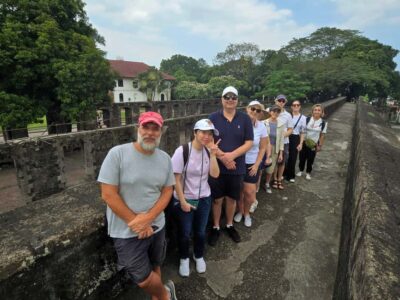
Fort Santiago is the natural place to begin. It sits at the northern end of Intramuros beside the Pasig River and introduces you to the district’s military and political past. Plan on about an hour here, including guided sightseeing and walking through the grounds.
You will see defensive walls, open courtyards, and river views while the guide explains how the fort fits into Manila’s colonial origins. This is where a good guide earns the fee. The stones do not explain themselves, and the meaning of the fort comes from the people held, governed, and fought over here.
The grounds also help you get your bearings. Instead of starting with a broad lecture about four centuries, you can connect the city’s history to one physical place. The guide’s storytelling is intended to be easy to follow, making this a useful introduction for anyone who knows little about Philippine history.
The fort involves outdoor walking, and the weather can be demanding. Bring water and sun protection, and expect the tour to continue in rain if conditions do not force a change. A small umbrella is sensible during wet weather.
The Rizal Shrine and José Rizal’s final days
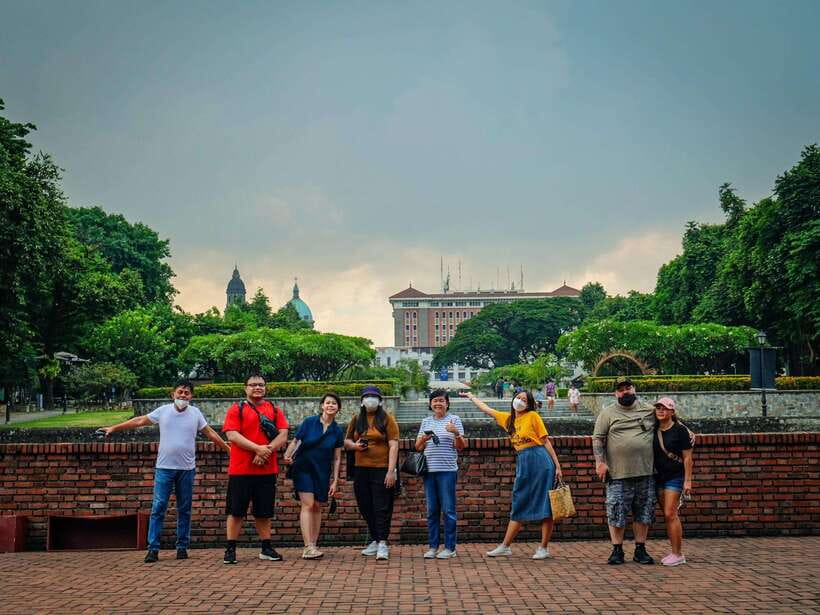
The Rizal Shrine takes about 30 minutes and gives the tour a more personal center. José Rizal is one of the Philippines’ most important national figures, and the guide explains his final days in a thoughtful way at Fort Santiago.
This stop works because it moves history away from dates and government buildings. You are asked to think about one person, his ideas, and the price he paid during the Spanish colonial period. The site has emotional weight, but the presentation is meant to be clear rather than theatrical.
You will have time for photographs and guided sightseeing. Keep in mind that the mood here is more reflective than casual. If you are bringing children or students, this can be one of the most useful sections of the tour because it connects national history to a human story.
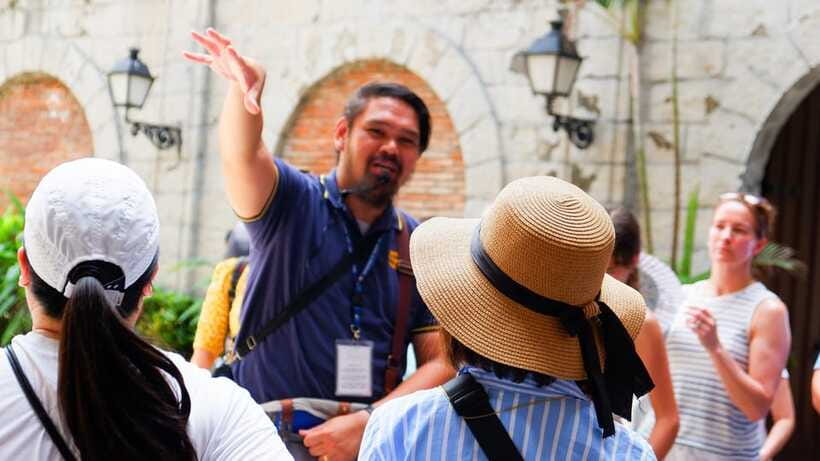
The guide’s communication style matters a great deal here. Andre is praised for explaining complex subjects in straightforward English and for answering questions. That makes the experience suitable for people who want historical context without academic language.
Manila Cathedral and the center of Intramuros
Next comes Manila Cathedral, with about 20 minutes for guided sightseeing and some free time. The cathedral is one of Intramuros’ best-known landmarks, and its location helps you understand how religious buildings shaped the old city.
This is a relatively short stop, so think of it as an introduction rather than a long church visit. You can admire the architecture, listen to the guide’s explanation, and take in the setting before moving on. The route does not treat every landmark as a separate museum visit, which helps keep the total time manageable.
Dress carefully. Sleeveless tops, short shorts, and revealing clothing may prevent entry to churches and selected sites. Comfortable clothing is recommended, but comfortable should still mean respectful here. Carrying a light cover-up is a practical idea if your outfit is casual.
More walking tours in Manila:
- Manila: Street Food and Drinks Walking Tour with Tastings
★ 4.8 · 114 reviews - Viva Old Manila: Intramuros Walking Tour
★ 4.9 · 104 reviews - Manila’s Walled City: Intramuros Walking Tour
★ 5.0 · 82 reviews - Manila: Sightseeing and Food Walking Tour with Tastings
★ 4.7 · 68 reviews
A kalesa or tranvia break through Intramuros
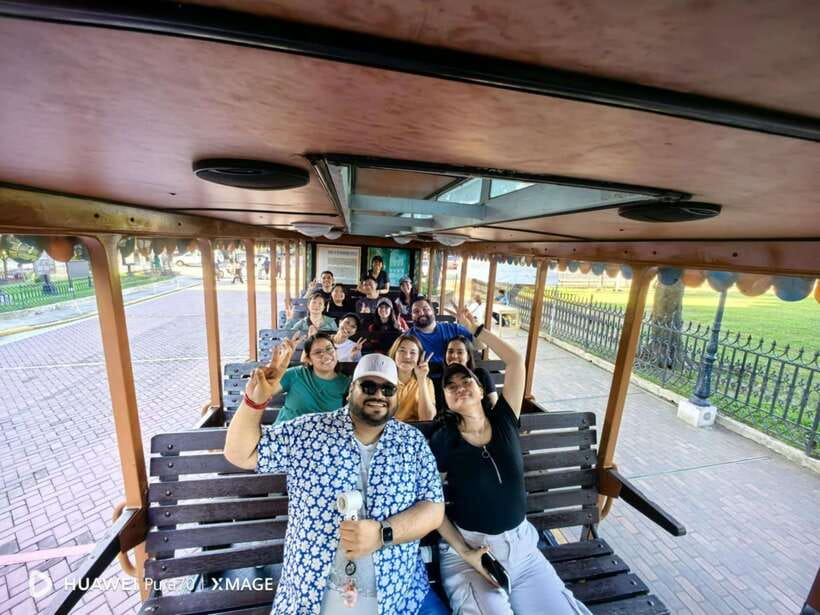
A short 20-minute kalesa or tranvia ride adds variety to the route. The exact form of transport can depend on the option available, but the point is the same: you get a pause from walking and another view of the walled district.
This is especially welcome after Fort Santiago and the cathedral. Cobblestones are tiring, and a brief ride lets you watch the streets pass while still hearing about the area. It also gives the experience a distinctly old-Manila feel without turning the tour into a full vehicle sightseeing trip.
Do not book this expecting a long carriage excursion. It is a short part of a walking tour, not the main attraction. Its value is in the change of pace and the way it links the sites.
Refreshments are included, and one account specifically notes avocado ice cream as part of the experience. The precise refreshment may vary, so think of it as a pleasant extra rather than a meal replacement.
Memorare Manila 1945 and the Battle of Manila
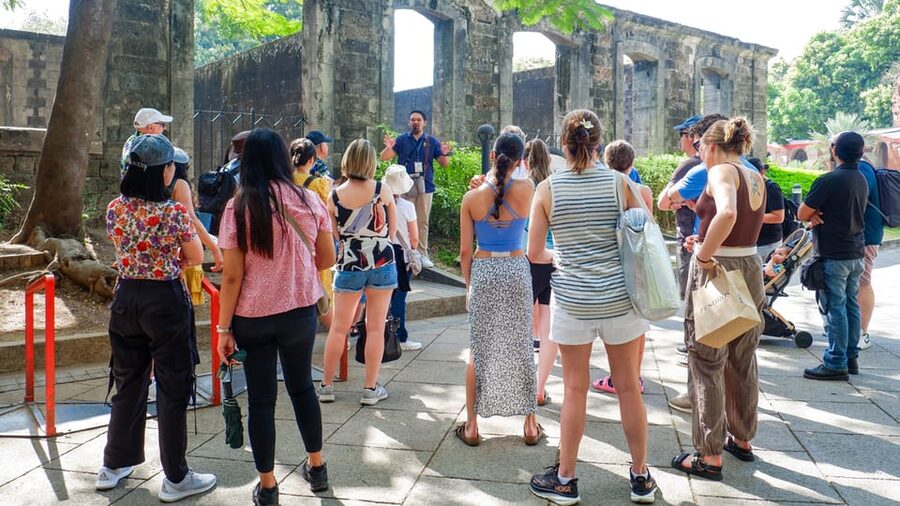
Memorare Manila 1945 is one of the most important stops on the route. The guide discusses the Battle of Manila and the devastating effect World War II had on the city. You also hear how Manila endured and rebuilt afterward.
This section gives the tour needed balance. It would be easy to present Intramuros as a pretty colonial quarter, but that would leave out the destruction that shaped modern Manila. The war damaged much of the old city and caused immense suffering. At Memorare Manila 1945, the past becomes personal and somber.
Expect about 20 minutes here. That may not sound long, but the subject does not need a long performance. A clear explanation can give you enough context to understand why some buildings are restored, why ruins matter, and why Intramuros carries both beauty and grief.
The tone changes from architecture to memory. I would not schedule this tour if you only want cheerful sightseeing. The wartime section is valuable precisely because it asks you to look beyond attractive facades.
San Agustin Church, a major architectural stop
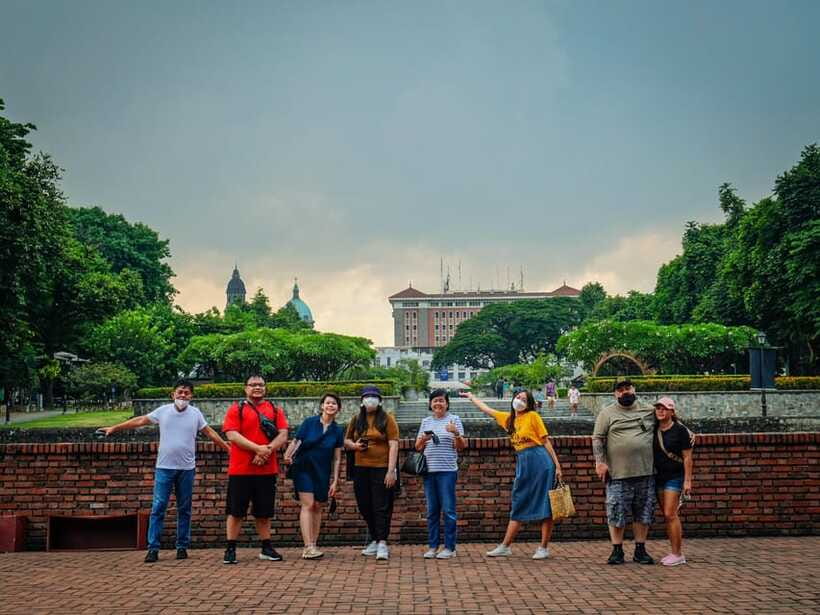
San Agustin Church receives about 15 minutes, including a visit, guided explanation, and time for photographs. It is recognized as a UNESCO World Heritage Site and is one of the key Baroque churches in the Philippines.
The church is a strong contrast to Fort Santiago. The fort speaks through walls and military purpose, while San Agustin shows how religion and architecture shaped colonial Manila. Look closely at the building rather than rushing through for a quick photograph. Your guide can point out why the church matters and how it fits into the wider story of Intramuros.
Fifteen minutes is enough for an introduction, but not for a long, quiet study of every detail. If you are passionate about church art or architecture, you may want extra time at San Agustin on another visit. On this tour, the short stop works because several different parts of Manila’s past are covered in one morning or afternoon.
The church is an active religious site, so modest clothing and respectful behavior are essential. Smoking, vaping, loud behavior, and inappropriate clothing are not allowed during the experience.
Casa Manila and a look inside colonial daily life
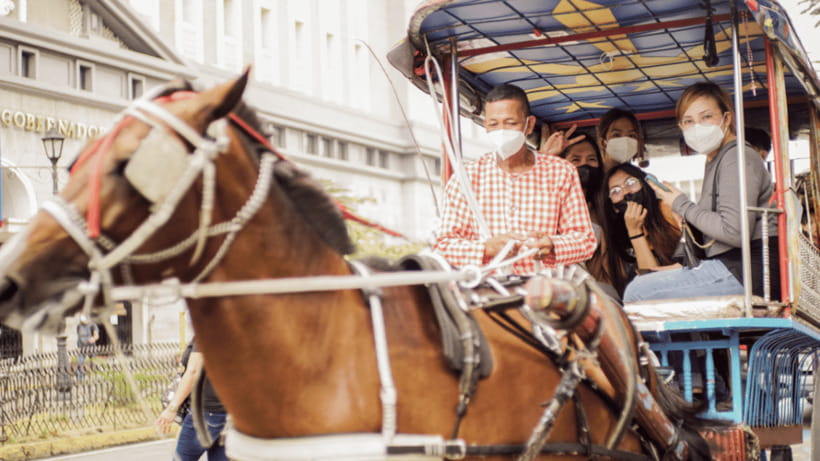
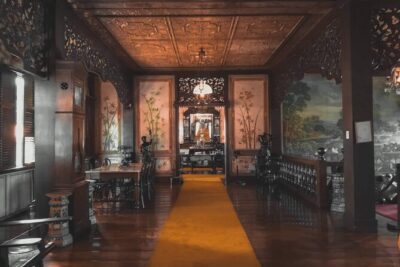
The tour finishes at Casa Manila, where you spend about 30 minutes. This recreated 19th-century home shifts the focus from public history to private life. You see how family routines, furnishings, traditions, and social status could be represented inside a well-appointed colonial house.
Casa Manila is useful because grand forts and churches can tell only part of the story. Here, you get a sense of rooms, household objects, and the customs associated with Filipino life during the Spanish colonial period. The house is recreated, so you should treat it as an interpretation of the era, not as an untouched family residence.
Ending here gives the tour a gentler final chapter. After the fort, Rizal Shrine, cathedral, and war memorial, you finish with domestic details and a closer look at how people lived. The tour ends at Casa Manila, which is convenient if you want to continue exploring Intramuros on foot afterward.
The final stop also makes the experience work well for first-time visitors. You leave with more than a list of landmarks. You have seen military power, national identity, religious influence, wartime loss, and household life in one compact district.
How much value do you get for $31?
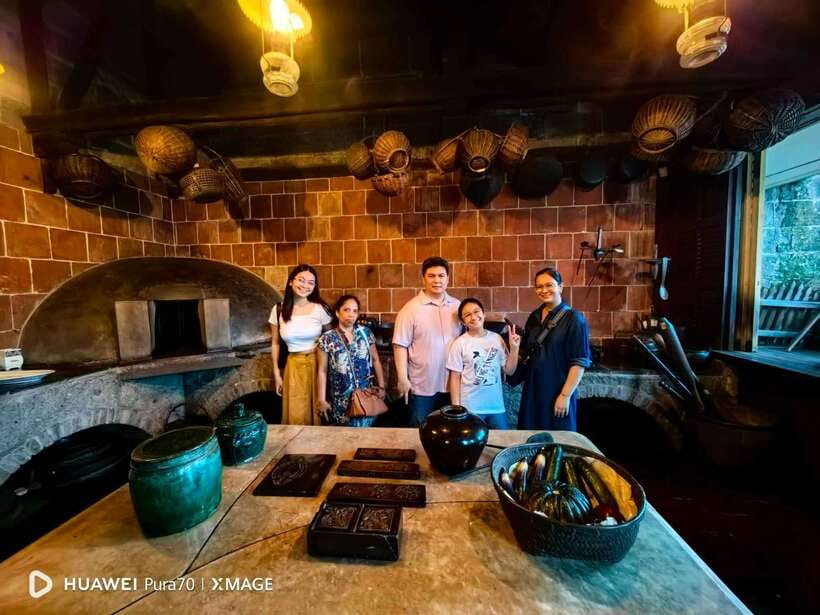
At $31 per person, this is not the cheapest way to walk around Intramuros, but the price includes several useful elements: a live English-speaking guide, Fort Santiago admission, Rizal Shrine admission, Casa Manila admission, refreshments, and a kalesa or tranvia ride.
The value depends on how much context you want. You can walk past several landmarks on your own, but you may miss the connections between them. This tour brings the sights into one narrative and saves you from arranging separate admissions or working out the most sensible order.
The strongest value is the guide. A good explanation changes Fort Santiago from an old fort into a place tied to colonial rule and Rizal’s final days. It changes the war memorial from a brief photo stop into a reminder of what Manila lost. Several accounts specifically praise Andre or Andrei for clear English, strong organization, enthusiasm for his city, and the ability to handle a group of about a dozen people.
There is one practical caution. One booking had a serious communication problem, with the operator reportedly unaware of the reservation. That appears to be an isolated issue compared with the generally strong feedback, but you should check the meeting point and booking details carefully before setting out. The listed meeting point can vary by option, and one provided location is HXVC+8F5, United Philippine Lines.
Walking conditions, clothing, and group comfort
This is an active walking tour, even with the short ride. About 5,000 steps on cobblestones and uneven surfaces is a realistic expectation. Most people with ordinary mobility should manage it, but the route is not suitable for wheelchair users and may not suit people with limited mobility, respiratory issues, or visual impairments.
Wear shoes with reliable soles. Fashionable but thin-soled footwear will be a poor choice on old streets. Loose, breathable clothes help in warm weather, but keep the church dress code in mind.
The tour operates rain or shine. Bring water, sunscreen, and a small umbrella based on the forecast. Heat can affect your enjoyment more than the distance, especially during the outdoor portions at Fort Santiago and along the Intramuros streets.
Smoking, vaping, alcohol, drugs, professional cameras, loud behavior, and ripped clothing are not allowed. The restrictions are worth knowing in advance, particularly if you are carrying photography equipment or planning a casual outfit for a hot day.
Who should choose this tour?
I would recommend this tour to a first-time Manila visitor who wants a clear introduction to Intramuros. It is also a good fit if you have only a short stay and want one organized experience that combines the main historical sights.
Students and English-language learners may find the format especially useful. The tour has supported an international group with Japanese students, local participants, and people from several countries. A guide who explains history in plain English can make the experience feel more like a conversation than a formal class.
It suits people who like variety. You move from a fort to a shrine, cathedral, ride, war memorial, church, and museum. If you prefer spending an hour or more at one museum, the schedule may feel too brisk.
It is less suitable if you want air-conditioned transport, a slow photography walk, or a fully accessible route. The heat, uneven paving, church rules, and serious wartime subject matter all deserve consideration before booking.
Should you book the Intramuros walking tour?
Book it if you want the main story of Old Manila in one well-planned half day. The best reasons are the guide-led history, Fort Santiago and the Rizal Shrine, the sober treatment of Manila in 1945, and the change of pace provided by Casa Manila and the short ride.
I would be more cautious if you have limited mobility, dislike walking in heat, or want extensive time inside each attraction. Check the meeting point carefully, wear proper shoes, and dress modestly.
For $31, you receive more than a walk past famous buildings. You get a connected explanation of how Manila was governed, defended, wounded, and rebuilt. That makes this a practical first look at Intramuros, provided you are ready for the steps and the weather.
FAQ
How long does the Intramuros walking tour last?
The tour lasts about three to three and a half hours.
What language is the tour conducted in?
The live tour guide speaks English.
What sites are included?
The route includes Fort Santiago, the José Rizal Shrine, Manila Cathedral, an Intramuros kalesa or tranvia ride, Memorare Manila 1945, San Agustin Church, and Casa Manila.
Is admission included?
Entry to Fort Santiago, the José Rizal Shrine, and Casa Manila Museum is included. The activity information also notes that entrance fees may apply at certain sites and may be payable on the day, so check the exact option you book.
How much walking is involved?
Expect approximately 5,000 steps on cobblestone streets and uneven surfaces. Comfortable shoes are strongly recommended.
What should I wear and bring?
Wear comfortable shoes and comfortable clothes, but avoid sleeveless tops, short shorts, and revealing outfits because modest clothing is required at churches and selected sites. Bring water, sun protection, and a small umbrella if needed.
Just added around Manila
- 3 Days Private Tour in Banaue Ifugao visiting Batad Rice Terraces★ 3.5 · 3 reviews
- Unforgettable Manila Fishing Village Day Excursion 2024★ 5.0 · 4 reviews
- indigenous Forest experience Manila 2023★ 5.0 · 4 reviews
- Cultural Dinner and Show in Manila★ 5.0 · 4 reviews
- Shared Old Manila Tour★ 5.0 · 5 reviews
- Shared Cruise Shore Excursion of Manila Old and New City Tour★ 4.0 · 10 reviews
- 5 Days Sagada Banaue Batad Discovery (PRIVATE GROUP TOUR Max 6 Travellers)★ 5.0 · 16 reviews
- Private Departure Airport Transfer in Manila Bay and Makati Area★ 5.0 · 3 reviews
Intramuros Walking Tours, compared.
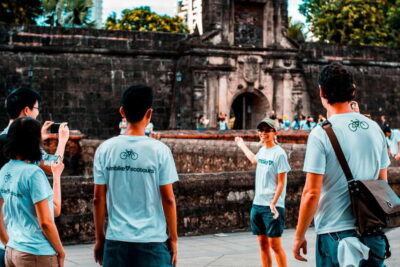
Intramuros, Manila: Historical Bamboo Bike Tour
Read our review →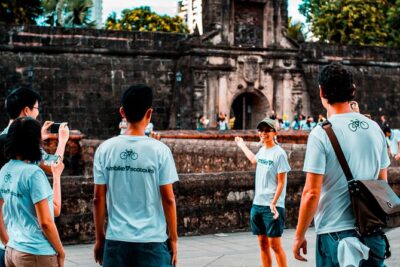
Experience Intramuros with Bamboo Bicycle – Ecotours
Read our review →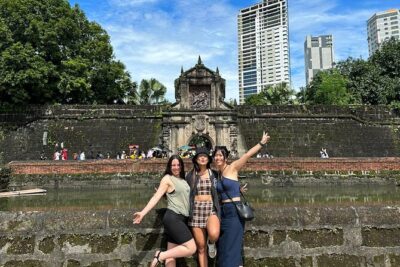
Intramuros, Chinatown, and Old Manila Half-Day Tour
Read our review →
Manila Old and New: Sightseeing Tour Including Intramuros and Fort Santiago
Read our review →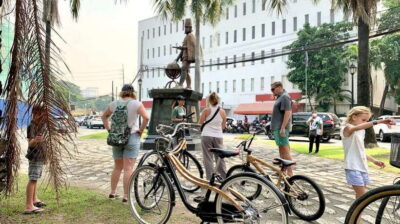
Explore Intramuros: Introduction to Philippine History
Read our review →Browse the lists this tour appears in