
Reviewed · FOOD & DRINK
Manila Food Tour: Explore World’s Oldest Chinatown
Binondo is best understood one bite at a time. This three-hour walk starts at Binondo Church and threads through Carvajal Street, dumpling shops, noodle counters, dim sum restaurants, and a historic bakery. You get about eight food tastings, from fresh lumpia and Chinese empanadas to crystal shrimp dumplings and hopia.
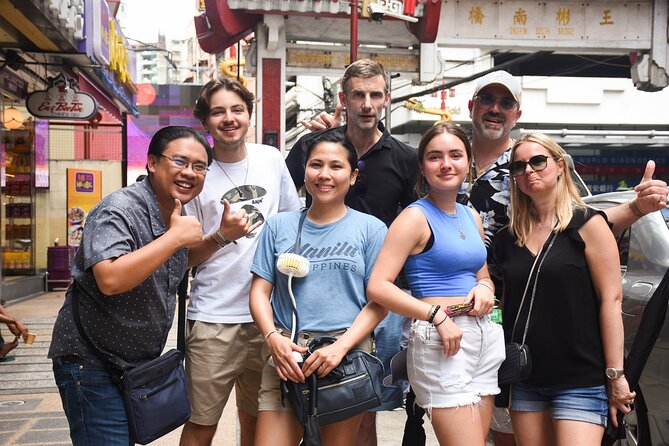
I like two things right away: the food is substantial, not a token nibble at one or two stops, and the small-group format makes it easier to move through crowded streets and busy restaurants. Guides including Nel, Jian, Chloe, and Rian are also praised for mixing food knowledge with stories about Filipino life and Binondo’s past.
The main caution is simple: come hungry. This is enough food to replace a meal, and the route is not designed for vegans. A few people also found the food more satisfying than the historical commentary, so book it mainly for eating with cultural context, not as a full Chinatown history lesson.
What makes this Binondo food walk worth your time
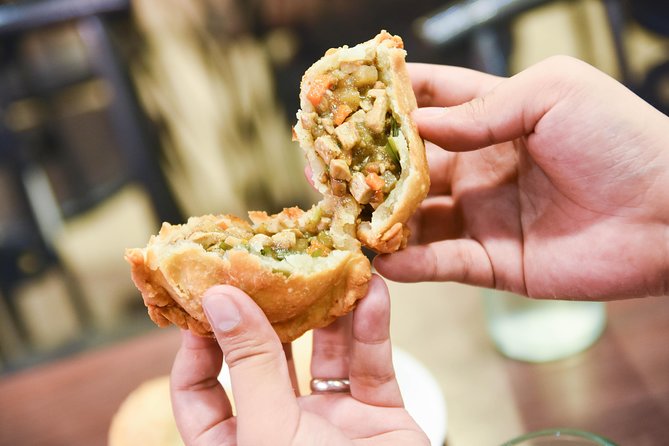
- Eight food items across sweet and savory stops: You may taste fresh lumpia, Kuchay Ah Pie, dumplings, mami, dim sum, and several kinds of hopia.
- A useful introduction to Filipino-Chinese cooking: The guide explains how familiar Chinese foods fit into Filipino food culture.
- Small-group value: The advertised format keeps the group relatively intimate, with a listed maximum of 15 people and a small-group description of up to 10.
- A practical three-hour length: You get a full food experience while keeping the rest of the day open.
- Good local navigation: Your guide handles the route, queues, and ordering in places that can be difficult to find on your own.
- A full stomach, not just a tasting trail: Several stops serve enough food that you may need to share portions or save leftovers.
Starting at Binondo Church
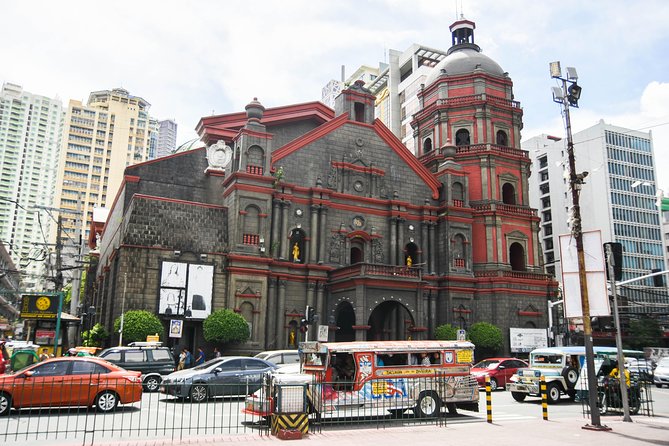
Meet at the Minor Basilica and National Shrine of Saint Lorenzo Ruiz, commonly called Binondo Church, at 1006 Plaza Lorenzo Ruiz. It is a clear landmark and a sensible starting point because the church places you at the meeting point of Manila’s Chinese and Filipino communities.
The church is the first named stop, but the tour quickly shifts toward food. That is a strength. You do not spend the opening hour listening to a long lecture before eating. Instead, the guide uses the streets and shops around you to explain the neighborhood as you walk.
The departure point is near public transportation, and the tour ends back there. Private transportation is not included, so you need to make your own way to Binondo Church. Plan a little extra time for the journey, since the tour itself begins at a fixed meeting point rather than picking you up from a hotel.
More Food Tours in Manila
- Manila Food Tour: Introduction to Philippine Street Food
★ 5.0 · 417 reviews - Manila: Street Food and Drinks Walking Tour with Tastings
★ 4.8 · 114 reviews - Manila: Sightseeing and Food Walking Tour with Tastings
★ 4.7 · 68 reviews
Carvajal Street and the first bites
Carvajal Street brings the first strong food impressions. This narrow passage is known for small food sellers, and the tour begins with items such as fresh lumpia and Kuchay Ah Pie.
Fresh lumpia gives you a good introduction to the area’s Filipino-Chinese character. It is not the fried spring roll many people expect. The fresh version highlights soft wrapping and a savory filling, making it a useful contrast to the crisp snacks that follow.
Kuchay Ah Pie offers another window into local Chinese-Filipino cooking. The name may be unfamiliar, which is part of the fun. This is the kind of food you might walk past without knowing what to order, while a guide can explain what you are looking at and how it fits into the neighborhood’s food habits.
The tour also includes Chinese empanadas and other snack-style items. These early stops help build appetite without putting all the heaviest dishes at the front of the walk. Still, do not treat the opening tastings as a light warm-up. By the end, the combination of pastries, dumplings, noodles, and dim sum becomes a serious meal.
Handmade dumplings and the value of a guide
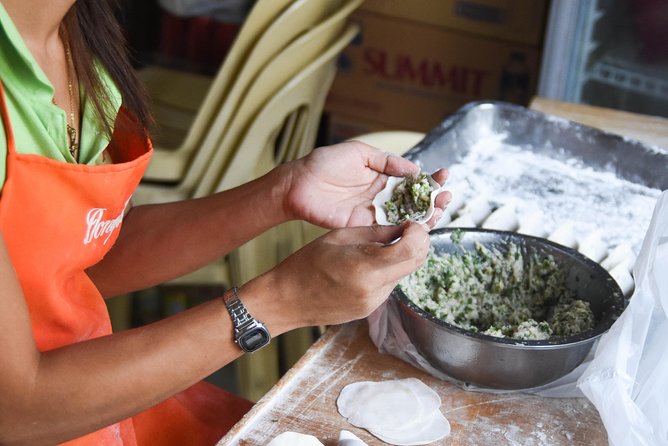
The dumpling stop is one of the strongest reasons to book this tour. The dumplings are handmade, and the preparation gives the stop more character than a standard restaurant meal. You get to connect the food on your plate with the work behind it.
The guide also helps with timing. One popular dumpling shop can have a long queue, but the group may receive food quickly because the guide knows the shopkeepers. That matters in Binondo, where a seemingly simple stop can take much longer when you do not know how to order or where to wait.
Portions are generous enough that sharing makes sense. One group split dishes among seven people and still had plenty to taste, while another group was able to take carefully wrapped leftovers back to a hotel. You should not assume every stop will offer the same arrangement, but the general lesson is useful: pace yourself and do not finish everything immediately if several more stops remain.
The dumplings are also the point where the tour becomes more than a list of snacks. You can compare textures, fillings, and cooking methods while learning why handmade food matters in a neighborhood built around family-run shops and long-standing cooking traditions.
Mami, Manila comfort in a bowl
The next major stop is mami, a noodle soup tied closely to Filipino comfort food. It gives the route a warm, filling center after the earlier pastries and dumplings.
Mami is especially useful for first-time visitors who want to understand the local version of Chinese-influenced food. It is familiar enough to make sense quickly, but it also shows how dishes change as they move between communities. The tour frames the soup within Filipino food culture rather than presenting it as simply another Chinese dish.
This is also where the meal may begin to feel heavy. You have already tasted several items, and the noodles add real volume. Morning departures are a good choice if you want cooler conditions and a clean appetite. If you take an afternoon departure, keep breakfast or lunch very light.
Same islands, a completely different kind of day:
- Intramuros, Manila: Historical Bamboo Bike Tour
★ 4.8 · 583 reviews - Experience Intramuros with Bamboo Bicycle – Ecotours
★ 5.0 · 508 reviews - Manila: Intramuros, Chinatown, and Old Manila Half-Day Tour
★ 4.8 · 475 reviews - Manila: Old & New 4-Hour City Tour
★ 4.5 · 458 reviews
Dim sum in a working Chinatown
The route continues to a restaurant known for classic dim sum. This stop shifts the experience from street snacks to a fuller sit-down meal, though the exact dishes can vary.
The guide’s role is useful here because dim sum menus can be confusing if you do not know what you are ordering. You may taste familiar items alongside dishes that are less common outside Manila. Some groups have described the food at each stop as freshly made, which is important when the tour includes several different shops rather than one fixed restaurant.
The dim sum stop also shows how the tour balances comfort and discovery. You get recognizable food, but you are not limited to international staples. Depending on the day’s selection, you might encounter items you would not choose alone. One tasting option mentioned by a group was pigeon, shared among several people. It is not guaranteed, but it shows the tour may include more adventurous choices.
If you have food restrictions, tell the provider ahead of time. A guide such as Nel may be able to accommodate some restrictions, but the tour is explicitly not suitable for vegans. The food list also includes meat, seafood, dumplings, and other items, so vegetarians should confirm what alternatives are possible before booking.
Hopia and the sweet finish
The final food stop is a historic bakery known for hopia. These flaky pastries come in several flavors and provide a sweet ending after the savory dishes.
Hopia is closely tied to Chinese-Filipino food traditions, and the bakery stop gives the tour a clear sense of place. You are not simply finishing with a generic dessert. You are tasting a portable pastry with a long role in local snack culture.
This is a good place to buy extra food if you find a flavor you like, though the included tasting is the part covered by the tour. By this point, you may already be full, so consider taking small bites and saving room for the final pastry.
The hopia stop also makes the route feel complete. It begins with street food, moves through dumplings, noodles, and dim sum, then finishes with bakery specialties. You get a broad sample of Binondo food rather than one narrow focus.
What the guides add
The food is the main attraction, but the guide can make or break the experience. The strongest guide reports describe people who explain both the dishes and the neighborhood around them.
Nel is praised for a cheerful manner, useful food explanations, and stories about Filipino life. Jian is described as friendly and well informed about the city, the restaurants, and the shops. Chloe has led the route with lively commentary about Binondo’s past and its residents, while Rian is noted for his clear English and personable style.
That range matters because this is not a self-guided tasting card. You are walking through a busy district and stopping at places that may be hard to identify from the street. A good guide helps with ordering, timing, seating, and the practical work of turning several small visits into one smooth meal.
The historical content appears to vary by guide. Some people received detailed explanations about Chinatown and Manila, while others felt they learned less about the area than expected. I would treat the tour as a food-first experience with history woven in, rather than a formal walking lecture.
Three hours, group size, and daily planning
The tour lasts about three hours and returns to the meeting point. That length works well for a first day in Manila because it gives you a focused introduction without taking over the entire day.
The small-group format is another practical advantage. The tour is described as a group experience with a maximum of 10 in the highlights, while the additional information lists a maximum of 15 travelers. Group size can therefore vary, but it should remain smaller than a large coach outing.
A smaller group helps at restaurant tables and narrow food stalls. It also gives you more time to ask questions and makes it easier for the guide to adjust portions. If you end up in a very small group, the experience can feel almost like a personal food walk. One booking even operated with a single participant.
Choose a morning start if you can. The streets may be more comfortable before the day gets hotter, and you can use the rest of the day for another Manila sight. Wear walking shoes, bring a curious appetite, and avoid a full meal beforehand.
Is $60 a fair price?
At $60 per person, the tour is not the cheapest way to eat in Binondo. You could spend less by ordering one or two dishes on your own. But that comparison leaves out the guide, the route planning, the explanations, the drinks, and the chance to try several places without guessing what to order.
The package includes eight food items ranging from savory to sweet, along with soft drinks, tea, and bottled water. Since some portions are filling enough to share, the food value improves when you are comfortable tasting smaller amounts rather than expecting an individual full plate at every stop.
I see the price as fair for visitors who want a guided introduction and would otherwise feel unsure about navigating the neighborhood. It is less compelling for people who already know Binondo well and simply want the lowest possible food bill.
A group discount may also help if you are booking with family or friends. The free cancellation policy allows a full refund when you cancel at least 24 hours before the start time. Weather can affect the outing, and a cancellation for poor weather brings either another date or a full refund.
Who should book this food tour?
This experience suits first-time visitors who want a strong introduction to Manila through food. It also works for locals from outside Manila, since the route includes familiar dishes prepared at particularly good shops and adds stories that are easy to miss when eating alone.
It is a good choice for adventurous eaters, couples, small families, and solo visitors who like joining a group. The three-hour schedule is short enough to fit around other plans, while the food count makes it feel like a major activity rather than a quick snack walk.
You should reconsider it if you are vegan, dislike shared tastings, or want a tightly structured history tour. It is also not ideal if you prefer to stop whenever you like, since the value comes from following the guide through several planned food stops.
Should you book it?
Book this tour if you want to eat your way through Binondo without spending time guessing which stalls and restaurants deserve your attention. The strongest reasons are the variety, the generous amount of food, and guides such as Nel, Jian, Chloe, and Rian who can connect each dish to Filipino-Chinese culture.
Skip it if your main goal is a cheap meal or a detailed academic history of Chinatown. For most visitors, though, $60 buys a useful first taste of Binondo, with enough food to keep you full and enough free time afterward to continue exploring Manila.
FAQ
Where does the Manila food tour start?
The tour starts at the Minor Basilica and National Shrine of Saint Lorenzo Ruiz, also known as Binondo Church, at 1006 Plaza Lorenzo Ruiz in Binondo, Manila.
Where does the tour end?
The activity ends back at the Binondo Church meeting point.
How long does the tour last?
The tour lasts approximately three hours.
How many foods are included?
The experience includes eight different food items, covering sweet, savory, and other snack-style dishes.
What foods might I taste?
The route includes fresh lumpia, Kuchay Ah Pie, Chinese empanadas, handmade dumplings, mami, classic dim sum, and hopia. The exact selection may vary.
Are drinks included?
Yes. Soft drinks, tea, and bottled water are included.
Is transportation included?
No. Private transportation is not included. You need to reach the meeting point at Binondo Church on your own.
Is the tour suitable for vegans?
No. The tour is specifically listed as not suitable for vegans.
How large is the group?
The highlights describe a small group of up to 10 people, while the additional information lists a maximum of 15 participants.
Can I cancel for a refund?
Yes. You can cancel at least 24 hours before the start time for a full refund. Cancellations or changes made less than 24 hours before the tour are not accepted for a refund. If poor weather cancels the activity, you are offered another date or a full refund.
Just added around Manila
- 3 Days Private Tour in Banaue Ifugao visiting Batad Rice Terraces★ 3.5 · 3 reviews
- Unforgettable Manila Fishing Village Day Excursion 2024★ 5.0 · 4 reviews
- indigenous Forest experience Manila 2023★ 5.0 · 4 reviews
- Cultural Dinner and Show in Manila★ 5.0 · 4 reviews
- Shared Old Manila Tour★ 5.0 · 5 reviews
- Shared Cruise Shore Excursion of Manila Old and New City Tour★ 4.0 · 10 reviews
- 5 Days Sagada Banaue Batad Discovery (PRIVATE GROUP TOUR Max 6 Travellers)★ 5.0 · 16 reviews
- Private Departure Airport Transfer in Manila Bay and Makati Area★ 5.0 · 3 reviews
Food & Drink, compared.
Manila Food Tour: Introduction to Philippine Street Food
Read our review →
Street Food and Drinks Walking Tour with Tastings
Read our review →
The Original Cebu City Historical and Food Walking Tour
Read our review →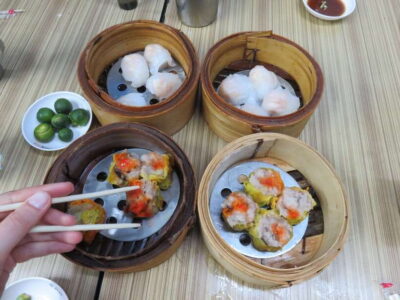
Manila’s Culinary Expedition: The Ultimate Food and Market Tour
Read our review →
Makati Street Food Experience end with a Rooftop Bar
Read our review →
Intramuros & Chinatown Manila Tour – Walking, Food & Culture
Read our review →Browse the lists this tour appears in