
Reviewed · FOOD & DRINK
Manila: Binondo Chinatown Food Tour with Free Food Samples
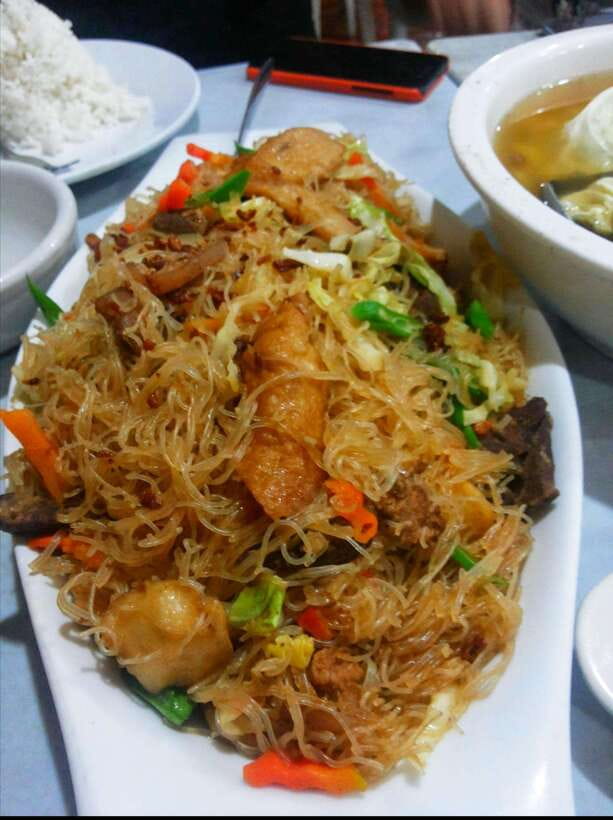
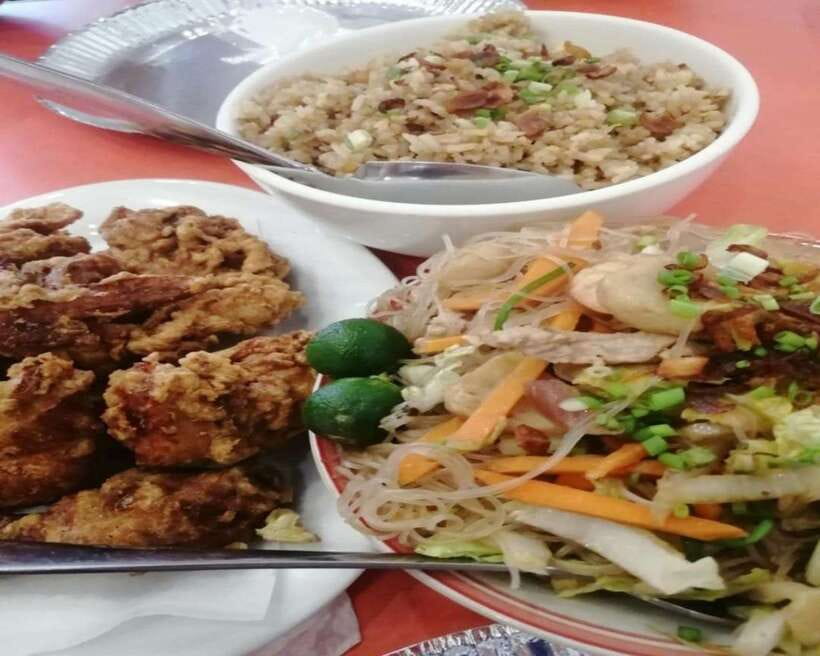
Binondo is best understood one bite at a time. On this three-hour walk, you move from Binondo Church through Ongpin Street and nearby food stops, tasting savory dim sum, street snacks, and traditional pastries while your guide explains how food and history meet in Manila’s oldest Chinatown.
I like the private-group format, which gives you more room to ask questions and adjust the pace than a large group walk. I also like that the tour puts the guide’s stories beside the food, with stops at Binondo Church and Plaza San Lorenzo Ruiz rather than treating Chinatown as one long snack break. Guide Jane receives especially warm praise for her food knowledge, stories, and friendly manner.
The main consideration is that this is a walking food tour, not a seated restaurant meal. Three hours on foot can be tiring, wheelchair users cannot join, and the included tastings may not replace lunch for a hungry eater. The listed location also says Nueva Vizcaya, but the meeting point and route are clearly in Binondo, Manila, so confirm the map pin before booking.
Key points to know before you go
- Binondo Church is both the meeting point and finish: You begin and end at the Minor Basilica and National Shrine of Saint Lorenzo Ruiz.
- Jane is a name to look for: Several comments single out Jane for friendly guiding, good food choices, and clear stories about Chinatown and the Philippines.
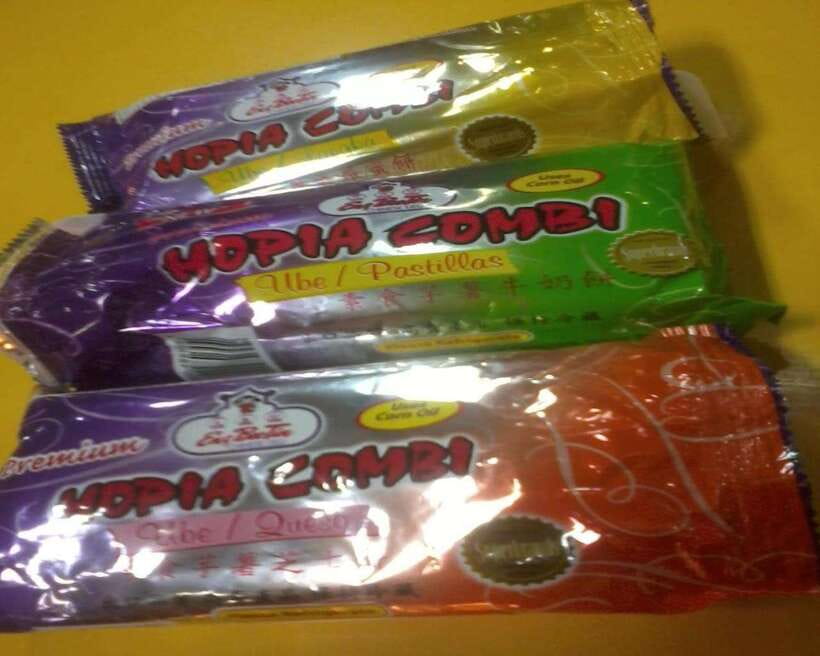
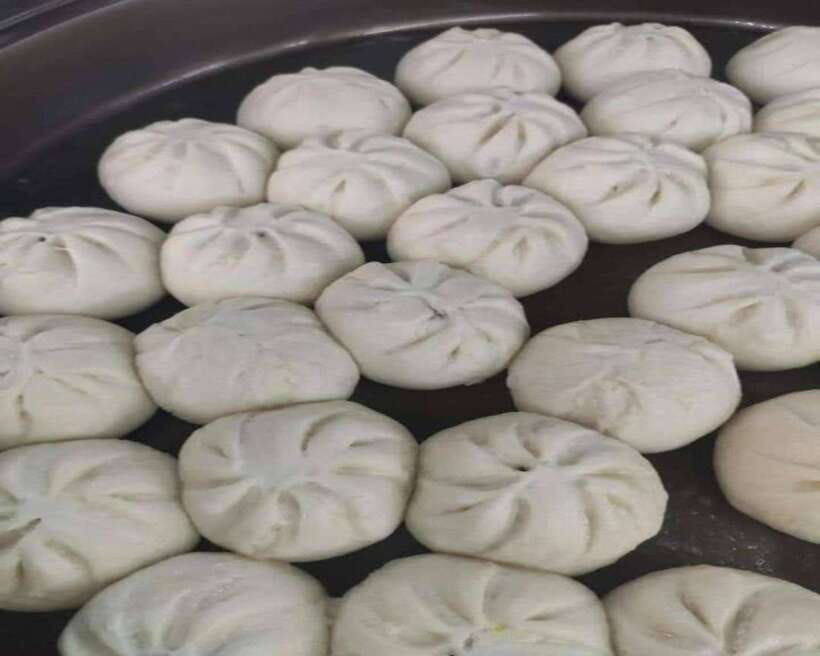
- The food comes in samples: Expect a range of tastes, including dim sum, street snacks, pastries, and the siopan praised by one participant.
- Ongpin Street anchors the food experience: Its shops and eateries help show the everyday character of Binondo’s Chinese-Filipino food culture.
- The tour lasts three hours: Wear shoes made for steady walking and carry water, since the entire experience takes place on foot.
- The $80 price buys a private experience: Food samples and guiding are included, while personal spending and gratuity are extra.
Starting at Binondo Church
Your starting point is the Minor Basilica and National Shrine of Saint Lorenzo Ruiz, commonly called Binondo Church. This gives the tour a useful opening: before you start eating, you get your bearings in one of the district’s key historic places.
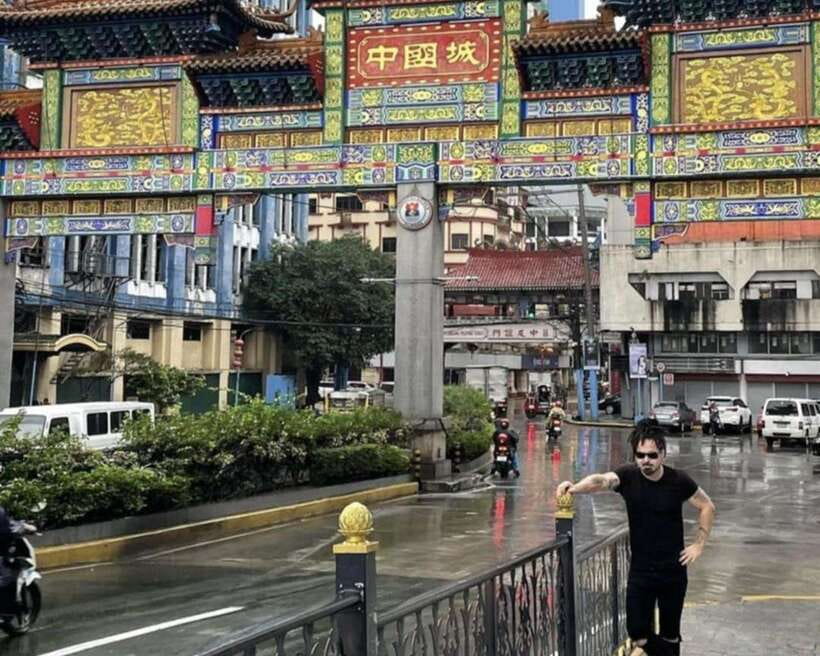
Binondo was established in 1594 and is widely described as the world’s oldest Chinatown. That date matters because the neighborhood is not simply a modern food quarter built for visitors. Its Chinese-Filipino identity has developed over centuries, and the guide connects that past to the streets, shops, and dishes you see during the walk.
The church is also a practical meeting place. Since the route returns there, you do not have to figure out a second pickup point after the food stops. Arrive ready to walk, though, because the experience begins on foot rather than with a vehicle transfer.
The opening history talk should help you read the neighborhood as you go. Instead of seeing only signs, stalls, and crowds, you have a framework for understanding why Binondo developed as a center of trade, worship, and food. The tour is strongest when the guide keeps those stories tied to what is directly in front of you.
More Food Tours in Manila
- Manila Food Tour: Introduction to Philippine Street Food
★ 5.0 · 417 reviews - Manila Food Tour: Explore World’s Oldest Chinatown
★ 5.0 · 158 reviews - Manila: Street Food and Drinks Walking Tour with Tastings
★ 4.8 · 114 reviews
Following Ongpin Street through Chinatown
Ongpin Street is one of the main names associated with Binondo, and it gives the walk its strongest street-level character. The route takes you through the neighborhood rather than placing you in one restaurant for the afternoon.
Expect a changing mix of food stalls, restaurants, shops, sidewalks, and passing pedestrians. The supplied details do not promise a fixed list of businesses, so the exact stops may change. That is normal for a food walk in an active commercial district, but it also means you should book this for the experience of tasting across the area, not for one guaranteed dish or restaurant.
I like this format because it lets you compare foods in context. A plate of dim sum has a different role from a quick street snack, while a traditional pastry shows the sweeter side of Chinatown. Each sample is meant to introduce another part of the local food scene.
The tradeoff is comfort. You are not moving through a quiet museum district, and the walk may involve crowded streets and uneven stretches. The tour description specifically asks you to prepare for walking during the entire activity. Comfortable shoes are not a minor suggestion here. They are the difference between enjoying the next tasting and wishing the afternoon would end.
Sampling dim sum, snacks, and traditional pastries
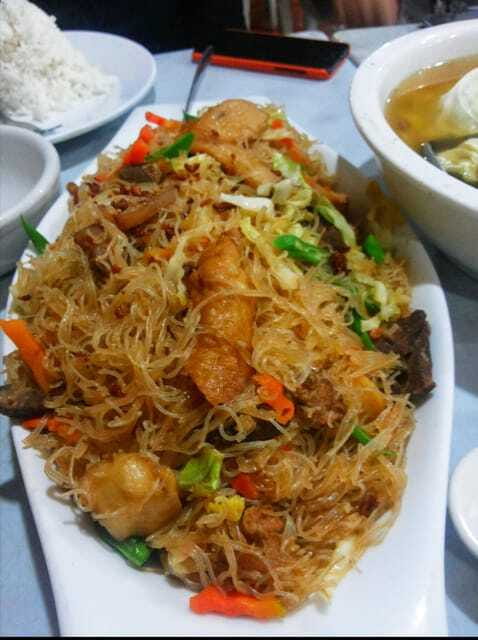
Food is the main reason to book this experience, but it helps to set realistic expectations. The tour includes free food samples, not a listed multi-course meal. You will taste several kinds of food, yet the amount at each stop is not specified.
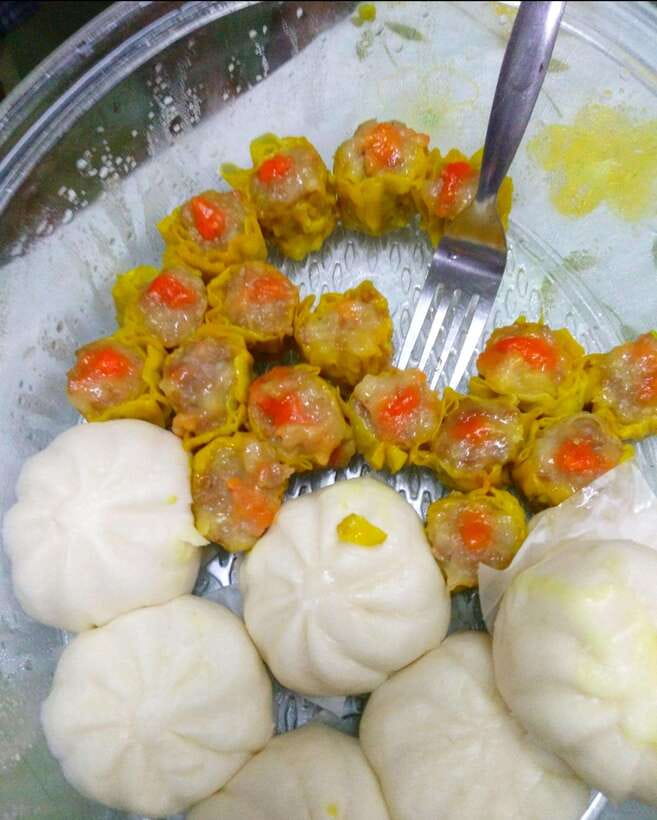
The range is the appeal. You may try savory dim sum, local street snacks, and sweet traditional pastries, with each stop showing a different side of Binondo’s culinary identity. One especially praised tasting was the siopan, which Catherine described as amazing. That specific mention gives you a useful clue: the best moments may come from dishes you would not think to order on your own.
The guide’s role is important here. A food sample means more when you know what it is, how it fits into local eating habits, and why the stop matters. Jane is praised for introducing dishes, explaining Chinatown, and adding anecdotes about the Philippines. Her contribution is not just translating a menu. It is helping you decide what to notice.
Still, do not assume every food will suit your taste. The tour is built around discovery, so some samples may be unfamiliar. If you have allergies, strong dietary restrictions, or need precise ingredient information, ask before booking. The supplied details do not promise vegetarian, vegan, halal, allergy-safe, or other special menus.
If you are treating this as lunch, plan carefully. The experience promises different samples and one person described having a great meal, but the formal inclusions only guarantee food samples. I would think of the tour as a guided tasting session, with the option of buying something extra if you want a larger meal. Personal expenses are not included.
Plaza San Lorenzo Ruiz and the stories between stops
Plaza San Lorenzo Ruiz adds another pause from the food. Public spaces such as this help you see how the neighborhood is organized, and they give the guide room to connect landmarks with local life.
The route includes sightseeing as well as tasting, so you are not expected to walk with your eyes fixed on the next snack. Listen for the small links between place and food: how a street functions, why a landmark matters, and how the district’s Chinese and Filipino influences appear in daily life.
This is where a local guide can add real value. A map can point out Binondo Church and Ongpin Street, but it cannot easily explain the stories behind them while you are standing there. The experience is conducted in English or Tagalog, making it suitable for visitors who want direct conversation rather than a recorded audio tour.
The private format should make these pauses more useful. You can ask why a dish is popular, request clarification about a historical point, or spend a little longer at a place that interests you. The exact group size is not given, but the activity is described as a private group rather than a shared public tour.
Same islands, a completely different kind of day:
- Intramuros, Manila: Historical Bamboo Bike Tour
★ 4.8 · 583 reviews - Experience Intramuros with Bamboo Bicycle – Ecotours
★ 5.0 · 508 reviews - Manila: Intramuros, Chinatown, and Old Manila Half-Day Tour
★ 4.8 · 475 reviews - Manila: Old & New 4-Hour City Tour
★ 4.5 · 458 reviews
What the guide adds to the food
The clearest strength of this experience is the guide-led approach. Jane is named repeatedly in the feedback, with particular praise for her friendliness, food choices, and stories about Chinatown and the Philippines. Another comment spells the name as Jenne, so the spelling may vary, but Jane is the guide name most clearly associated with the experience.
That personal touch matters in Binondo. You can walk through the district independently, but a guide helps reduce the guesswork. You may otherwise pass a food counter without knowing what to order, or miss the reason a particular landmark matters.
The guide also gives the tasting a social rhythm. You stop, try, discuss, and move on. That is more engaging than receiving a list of dishes with no explanation. The comments specifically praise the discovery of foods participants would not have tried alone, including the siopan.
No tour can guarantee the same guide or identical food stops every day. The activity description names English and Tagalog, and the provider is Juana Travel & Tours. If having Jane specifically is important to you, ask when you reserve rather than assuming.
Is $80 per person good value?
At $80 per person, this is not a budget snack crawl. The three-hour length works out to about $26.67 per hour before considering the cost of the included food. The value depends on how much you want guidance, privacy, and interpretation.
For a private group, the price can make sense if you want a guide focused on your party instead of joining strangers. You are paying for a local-led route, historical explanation, several food samples, and the ease of having the meeting and finish point in the same place.
The value is weaker if you mainly want a cheap meal. Food portions are not listed, and personal purchases are extra. A self-guided walk could cost much less, especially if you already know what you want to eat and are comfortable navigating Binondo on your own.
I would book this for the introduction it provides. It is a good first look at Chinatown, especially if you want someone to explain unfamiliar dishes and places. Repeat visitors who already know Binondo may find the price harder to justify unless the private guide and food discovery are the main draw.
Tips and other personal expenses are not included. Bring a little extra money if you want to buy additional food, drinks, or souvenirs, but do not count on those purchases being part of the advertised package.
Walking comfort, timing, and practical details
The tour takes three hours, with starting times available according to the booking calendar. Since the exact start time is not provided here, check availability before planning other Manila activities around it.
Wear comfortable shoes and bring water. A camera is also recommended, and Binondo’s streets, signs, storefronts, landmarks, and food displays give you plenty to photograph without needing a separate sightseeing plan.
The meeting point is Binondo Church, and the tour returns there. That makes the route simple at the beginning and end. The activity does not include transport, so you are responsible for reaching the church and continuing on foot once the tour starts.
The experience is not suitable for wheelchair users. No other mobility details are provided, so anyone who finds extended walking difficult should ask the operator about the route before reserving. The same applies to children, older family members, and anyone managing heat or fatigue. The walking requirement is central to the tour, not an occasional part of it.
Free cancellation is available up to 24 hours before the start for a full refund, and you can reserve now and pay later. Those policies help if your Manila schedule is still shifting, but they do not change the basic need to confirm the correct meeting location. Because the location field names Nueva Vizcaya while all route details point to Binondo in Manila, check the booking page carefully.
Who will enjoy this Binondo food walk?
I would recommend it to first-time visitors who want a friendly introduction to Chinatown without having to research every dish in advance. It also suits people who enjoy small tastings, local anecdotes, and walking through a neighborhood rather than sitting in one restaurant.
It is a good fit for curious eaters. The strongest food moment may be something you would have skipped on your own, and the siopan mention shows why letting the guide choose or explain samples can pay off.
It may also work well for private groups who want a flexible conversation. Friends, couples, or families can ask questions at their own pace, though the lack of information about dietary accommodations means you should check food requirements first.
I would hesitate if you want a substantial, guaranteed meal, a quiet sightseeing route, or a low-cost activity. I would also look elsewhere if you need wheelchair access. This is a street walk with food stops, not a comfortable indoor tasting with fixed seating.
Should you book the Binondo Chinatown Food Tour?
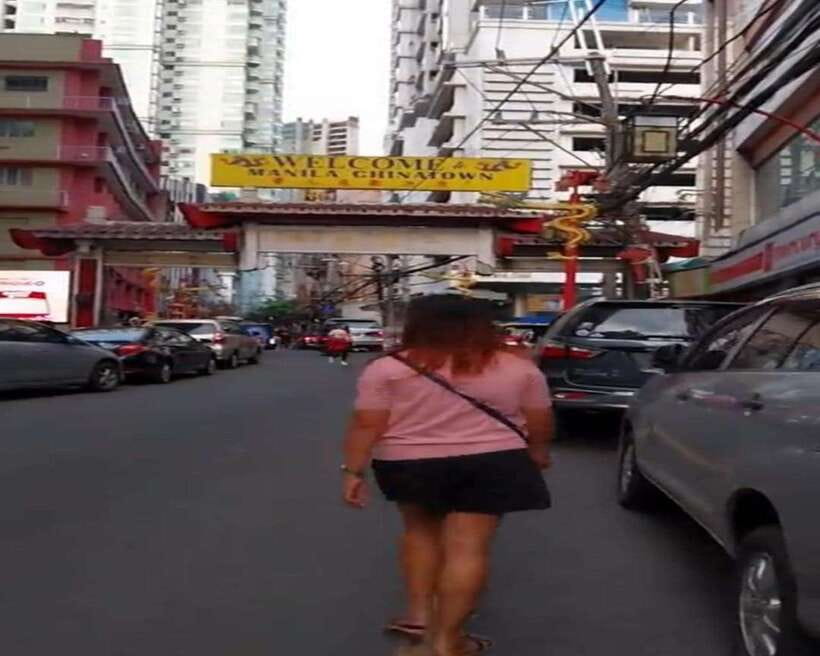
Book it if you want Binondo explained through both its landmarks and its food. The best reasons are the private format, the broad mix of samples, the return to Binondo Church, and the guide-led stories that make unfamiliar dishes easier to understand.
The clearest reason to pause is the price. At $80, you should value personal guiding and discovery, not just the food. Since the included portions are not defined, plan to treat it as a tasting tour and carry money for anything extra.
For me, the deciding factor would be the guide. Jane’s friendly style and ability to connect food with Chinatown’s story are repeatedly emphasized, and that is exactly what can turn a simple snack walk into a useful first afternoon in Binondo. Confirm the Manila meeting point, wear good shoes, and book if that combination sounds better than exploring the district alone.
FAQ
Where does the tour begin?
The tour begins at the Minor Basilica and National Shrine of Saint Lorenzo Ruiz, also known as Binondo Church.
Where does the tour end?
It returns to Binondo Church, the same place where it begins.
How long does the tour last?
The walking food tour lasts three hours.
What food is included?
The tour includes free food samples such as savory dim sum, street snacks, and traditional pastries. The exact dishes and portion sizes are not specified.
Is a full meal included?
A full meal is not formally listed. The activity includes food samples, so you may want to bring extra money if you want additional food.
What languages does the guide speak?
The tour is available with a live guide in English or Tagalog.
Is the tour private?
Yes. It is described as a private-group experience.
Is transportation included?
No transportation is listed. You meet at Binondo Church and walk for the entire tour.
What should I bring?
Bring comfortable shoes, water, and a camera.
Can wheelchair users join?
No. The activity is not suitable for wheelchair users.
Can I cancel for a full refund?
Yes. You can cancel up to 24 hours in advance for a full refund.
Do I need to pay when I reserve?
The activity offers reserve now and pay later, so you can hold a place without paying immediately.
Just added around Manila
- 3 Days Private Tour in Banaue Ifugao visiting Batad Rice Terraces★ 3.5 · 3 reviews
- Unforgettable Manila Fishing Village Day Excursion 2024★ 5.0 · 4 reviews
- indigenous Forest experience Manila 2023★ 5.0 · 4 reviews
- Cultural Dinner and Show in Manila★ 5.0 · 4 reviews
- Shared Old Manila Tour★ 5.0 · 5 reviews
- Shared Cruise Shore Excursion of Manila Old and New City Tour★ 4.0 · 10 reviews
- 5 Days Sagada Banaue Batad Discovery (PRIVATE GROUP TOUR Max 6 Travellers)★ 5.0 · 16 reviews
- Private Departure Airport Transfer in Manila Bay and Makati Area★ 5.0 · 3 reviews
Food & Drink, compared.
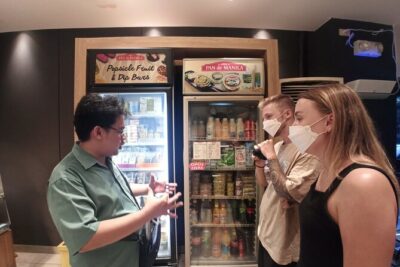
Manila Food Tour: Introduction to Philippine Street Food
Read our review →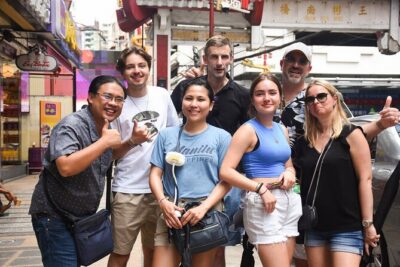
Manila Food Tour: Explore World’s Oldest Chinatown
Read our review →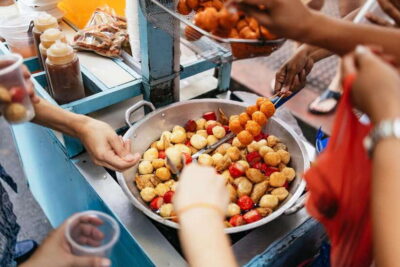
Street Food and Drinks Walking Tour with Tastings
Read our review →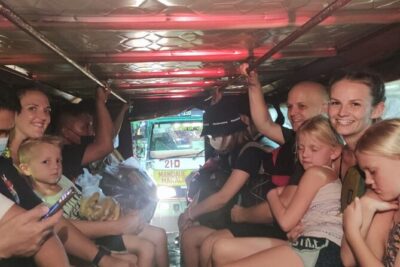
The Original Cebu City Historical and Food Walking Tour
Read our review →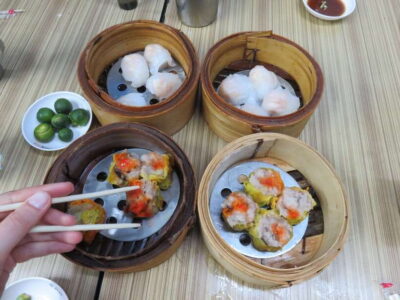
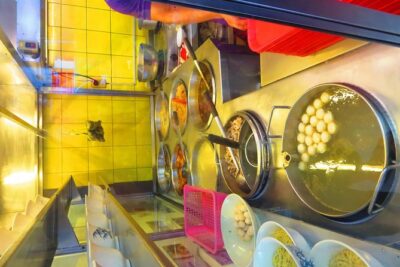
Manila’s Culinary Expedition: The Ultimate Food and Market Tour
Read our review →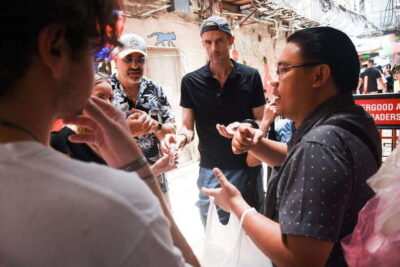
Makati Street Food Experience end with a Rooftop Bar
Read our review →Browse the lists this tour appears in