
Reviewed · FOOD & DRINK
Manila Chinatown Food Tour with Local Guide
Binondo is the main event here: a maze of old buildings, food shops, market streets, and Chinese-Filipino traditions packed into central Manila. In two hours, you taste your way through the district, learn why Chinese culture matters in Manila, and see corners you could easily miss on your own.
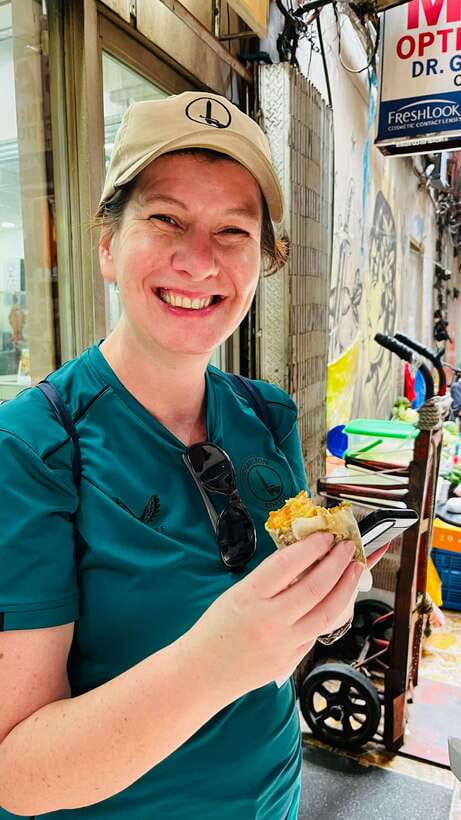
I like the eight-stop food crawl, which gives you more than one famous dish and lets you compare several small eateries. I also like the local ride, a motorbike with a sidecar that the guide humorously calls a Lamborghini with air-conditioning. The drawback is the pace: one past tour moved at a cracking speed, useful in the heat but tiring if you walk slowly.
I especially like that Mari and Tessie are named guides rather than an anonymous group leader. Mari gets repeated praise for her energy, care, and connection with vendors, while Tessie is noted for clear explanations and an unhurried approach. Still, the tour is not suitable for vegans, vegetarians, wheelchair users, or people with heart problems.
Key points to know before you book
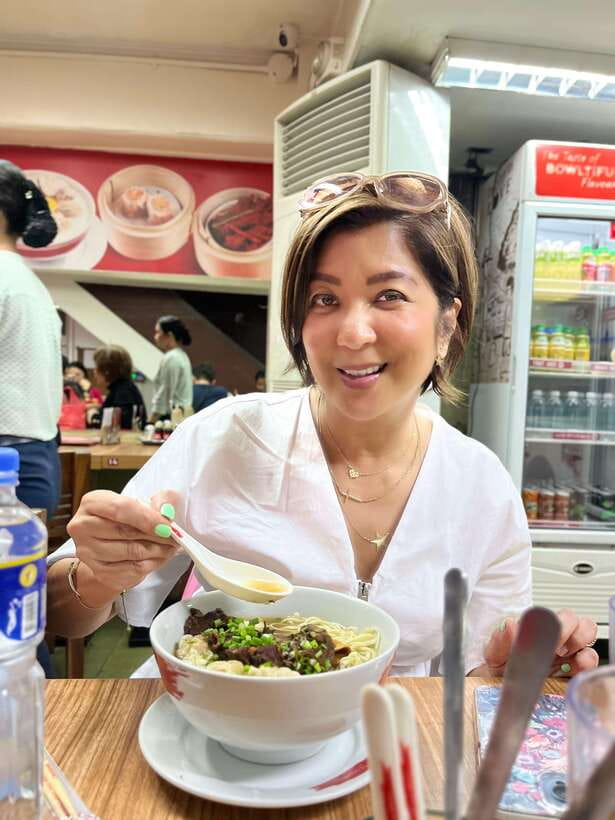
- Eight food stops in two hours: Come very hungry, since the tasting schedule can be generous.
- Binondo, Ongpin, and Quiapo: The route links several busy Manila areas rather than staying on one street.
- Mari or Tessie as your guide: Mari brings high energy and local connections, while Tessie is known for a calm, clear style.
- A sidecar ride is included: You experience local transportation as part of the tour, not just food and walking.
- Rain or shine: Plan for heat, rain, traffic, and uneven walking conditions.
- Dietary limits matter: Vegans and vegetarians should not book this version, and other restrictions should be shared ahead of time.
Binondo in two hours: food, streets, and old Manila
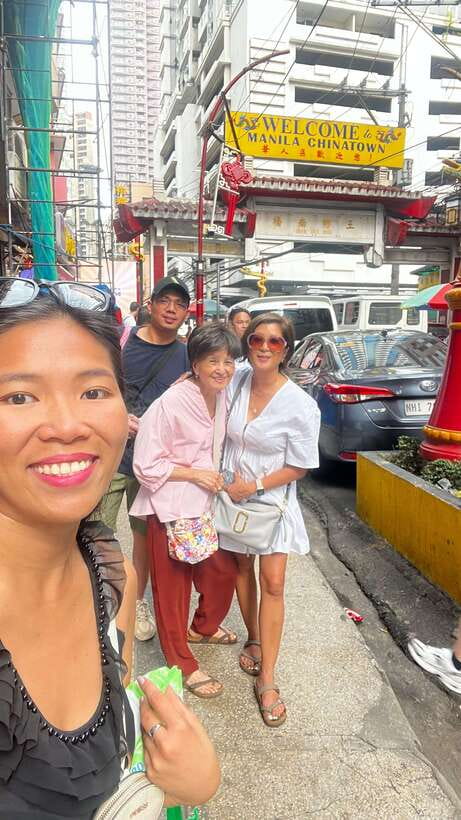
Binondo is Manila’s Chinatown, and the appeal is not one grand sight. It is the combination of narrow roads, old buildings, Chinese shops, Filipino-Chinese cooking, market activity, and constant movement around you.
This tour gives you a useful way into that mix. Instead of wandering without a plan, you follow a guide who can point out historical landmarks, explain the Chinese influence on local life, and lead you to places that may not be obvious from the street.
The setting is busy and noisy. That is part of the experience, but it also affects comfort. Cars, motorbikes, pedestrians, heat, and food stops all compete for space. If you want a slow architectural walk with long pauses, this is not the right format. If you want to cover ground and eat often, the pace makes sense.
The tour also reaches Ongpin and Quiapo. That matters because you get a broader sense of Manila than a single Chinatown street can provide. The route connects food, faith, trade, transport, and city life, though the exact order of stops can vary.
More Food Tours in Manila
- Manila Food Tour: Introduction to Philippine Street Food
★ 5.0 · 417 reviews - Manila Food Tour: Explore World’s Oldest Chinatown
★ 5.0 · 158 reviews - Manila: Street Food and Drinks Walking Tour with Tastings
★ 4.8 · 114 reviews
Meeting Mari or Tessie inside the cafe
The meeting point is inside a cafe. When you arrive, ask the receptionist to look for Mari. The information also names Tessie as a possible guide, so your host may be one of these two people.
That simple instruction is worth taking seriously. A cafe meeting point can be easy once you are inside, but you should allow enough time to find the entrance and ask the receptionist directly. If you have dietary restrictions or questions about the route, contact the operator before the tour rather than waiting until the first food stop.
The guide is central to the value of this experience. Mari is described as energetic, entertaining, and attentive to both the people in her group and the food sellers along the route. She is also said to respond quickly to questions before booking. Tessie brings a different strength: clear explanations, good historical context, and a pace that does not feel rushed.
No guide can remove the heat or traffic, but a good local guide can make those conditions easier to manage. Here, the guide is not just handing out snacks. You get context for the buildings, an explanation of Chinese influence in the Philippines, and help moving through an unfamiliar part of Manila.
The food route: eight stops and plenty of tasting
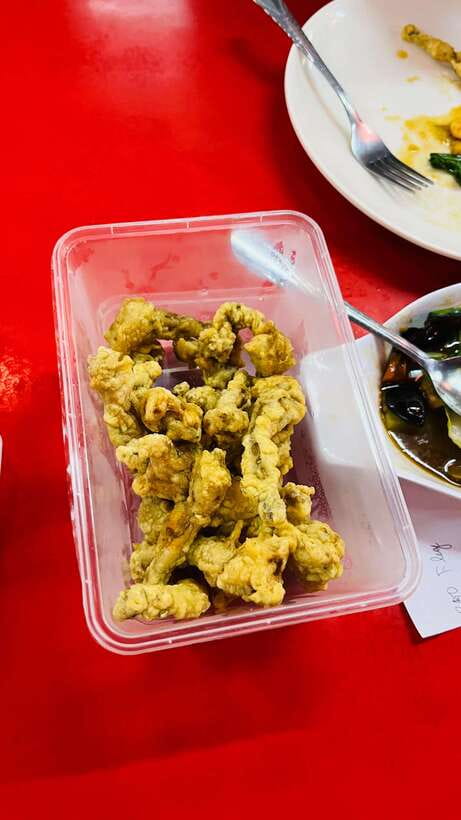
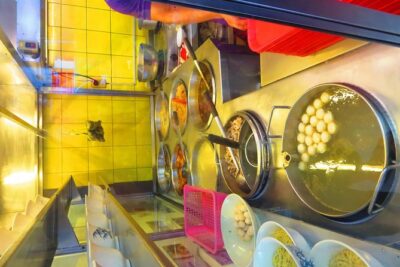
The strongest reason to book is the amount of food packed into a short tour. One account describes stops at eight restaurants, while the general format focuses on Chinese street food and famous Chinatown dishes.
The exact menu is not specified, so you should not book expecting a fixed list of dumplings, noodles, pastries, or meat dishes. Instead, expect a range of sweet, savory, and spicy Chinese-style food, including Filipino-Chinese flavors and local street food.
That variety is useful. A single restaurant meal can tell you what one kitchen serves. Several short tastings show you how the neighborhood eats across different shops. You may notice differences in seasoning, texture, preparation, and the way Chinese cooking has become part of everyday Filipino food culture.
Come hungry, as instructed. The amount can be substantial for a two-hour walk. You are not simply taking one sample and moving on. The food is the main activity, and the stops are close enough together to create a steady rhythm of walking, tasting, listening, and moving again.
There is a practical catch. If you have a food allergy or other restriction, tell the operator before the tour. The experience is specifically listed as unsuitable for vegans and vegetarians, and the available information does not promise substitutions. People with other dietary needs should ask what can be adjusted before paying.
Reading Binondo through its old buildings
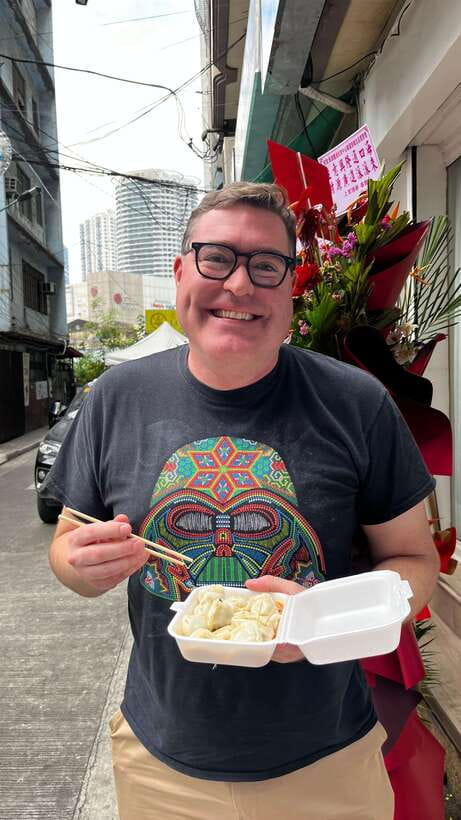
Food gets you moving, but the history gives the route its shape. Binondo is presented as the oldest Chinatown in the world, and the walk includes historic landmarks and some of the area’s oldest buildings.
Do not expect a long museum lecture. The history comes while you are on the street, between food stops and through busy commercial areas. That format works well if you like short explanations tied to what you can see in front of you.
The Chinese presence in Manila is not treated as a separate story from Filipino life. The tour connects Chinese culture with food, trade, buildings, and the way the district functions today. That makes the historical material practical rather than abstract.
I would pay attention to the guide’s explanations around the older structures, even if you came mainly to eat. They help explain why the food traditions here are so varied and why Binondo feels different from a modern shopping district.
Still, two hours limits how much history can be covered. You will get an introduction, not a full historical walking tour. If architecture and detailed chronology matter more to you than food, look for a longer dedicated city tour instead.
Same islands, a completely different kind of day:
- Intramuros, Manila: Historical Bamboo Bike Tour
★ 4.8 · 583 reviews - Experience Intramuros with Bamboo Bicycle – Ecotours
★ 5.0 · 508 reviews - Manila: Intramuros, Chinatown, and Old Manila Half-Day Tour
★ 4.8 · 475 reviews - Manila: Old & New 4-Hour City Tour
★ 4.5 · 458 reviews
Ongpin and Quiapo add variety to the walk
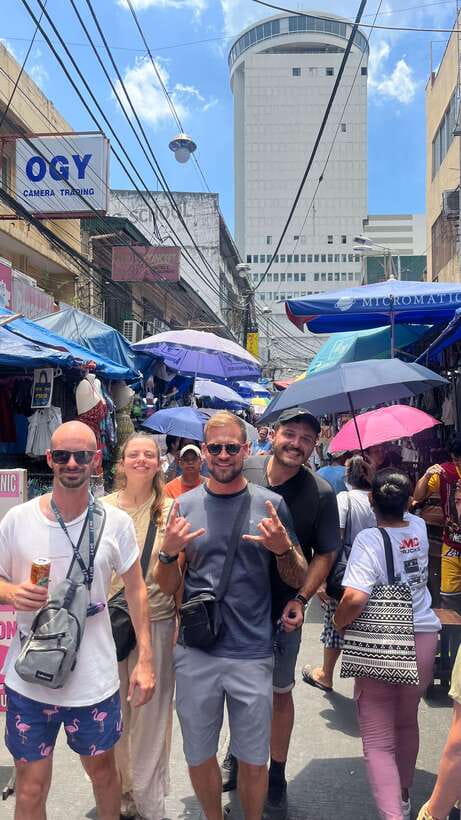
The route can include Ongpin and Quiapo, two areas that broaden the experience beyond the core Chinatown streets. The supplied details do not give a precise stop-by-stop map, so you should expect movement through busy districts rather than a fixed sightseeing sequence.
This is one of the tour’s better features. You see how Chinatown sits within Manila rather than treating it as an isolated attraction. The shift between food streets, older buildings, local shops, and crowded public areas gives you a stronger sense of the city’s daily rhythm.
It also means you need to stay alert and keep up. One account specifically describes the walking pace as fast. That may be a blessing during hot weather, since standing in the sun is limited, but it can be difficult for anyone with low stamina or mobility concerns.
Wear comfortable shoes and carry only what you need. These are sensible precautions for any short urban food walk, especially one involving narrow streets and local transport. The tour runs rain or shine, so a wet-weather plan is important even though no specific rain equipment is provided.
The sidecar ride: a small but memorable Manila detail
Local transportation is included, and the ride is described as a motorbike with a sidecar. Mari’s playful nickname for it, a Lamborghini with air-conditioning, gives you a good idea of the tone: informal, local, and not polished like a private car transfer.
The ride adds something a food walk cannot. You are not only looking at Manila from pavement level. You also experience one of the local ways of getting around, even if only for part of the route.
Comfort and space may be limited in a sidecar, and the tour details do not explain how long the ride lasts or how many people share it. Treat it as a short local transport experience, not a sightseeing vehicle or a private taxi.
For many people, this will be one of the details they remember after the food is gone. It turns a standard walking tour into a more varied introduction to Binondo and nearby areas.
What the $68 price means
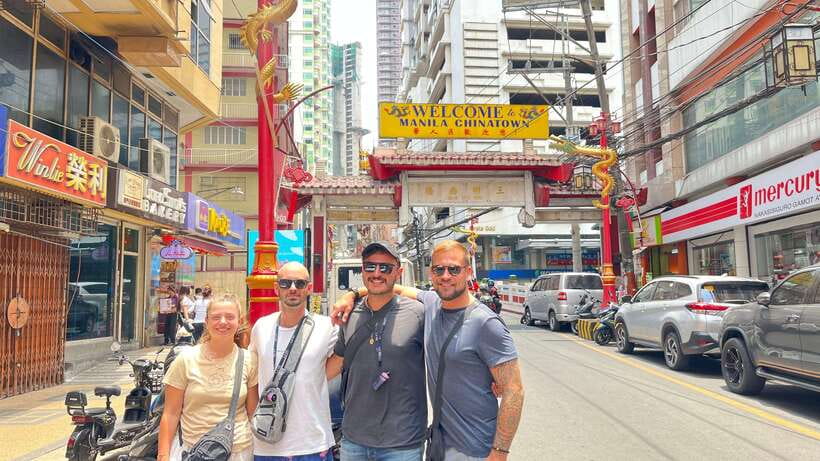
At $68 per person, this is not the cheapest way to eat in Binondo. You can certainly buy individual snacks and meals for less if you are comfortable choosing shops, ordering without help, and finding your way through the district alone.
The value comes from the package. The price includes a live English or Tagalog-speaking guide, food tastings, bottled water, and local transportation. You also pay for route planning, explanations, help with ordering, and the chance to visit several places in a short time.
The food quantity matters here. One account describes eight restaurant stops, and the advice to come hungry suggests more than token samples. If the tastings are generous, the price becomes easier to justify, especially for a first visit to Manila.
The tour also has value for people who dislike wasting time in an unfamiliar food district. You do not need to research every shop, work out which dishes to try, or spend your afternoon guessing which streets connect.
On the other hand, independent eaters may find $68 high. If you already know Binondo, speak enough of the local languages, and enjoy making your own food plan, you may prefer to spend that money directly on meals.
The reserve-now and pay-later option gives you some flexibility, and cancellation is free up to 24 hours before the start time. The experience information also advises booking within 24 hours, so check the available starting times before you rely on a last-minute plan.
Who will enjoy this food tour most
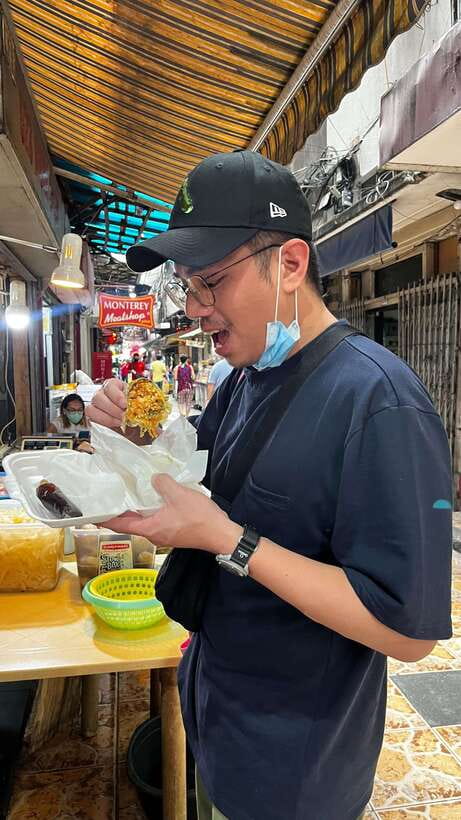
I would choose this for a first-time Manila visitor who wants food and local context in the same outing. It is also a good fit if you like small tastings, quick movement, and a guide who can keep the group moving through a crowded district.
Food-curious families can consider it because children aged three and older are allowed. The fast pace, heat, and spice level may still be a challenge for young children, so think about your child’s walking stamina before booking.
It suits you less if you need a wheelchair-accessible route, avoid animal products, or have a heart condition. Vegetarians and vegans are specifically excluded from this version, and the route is not designed around accessibility.
You should also reconsider it if you prefer a quiet meal, a slow walk, or a precise menu published in advance. The available information promises a broad Chinese street-food experience, not a fixed tasting menu.
How to prepare for the two hours
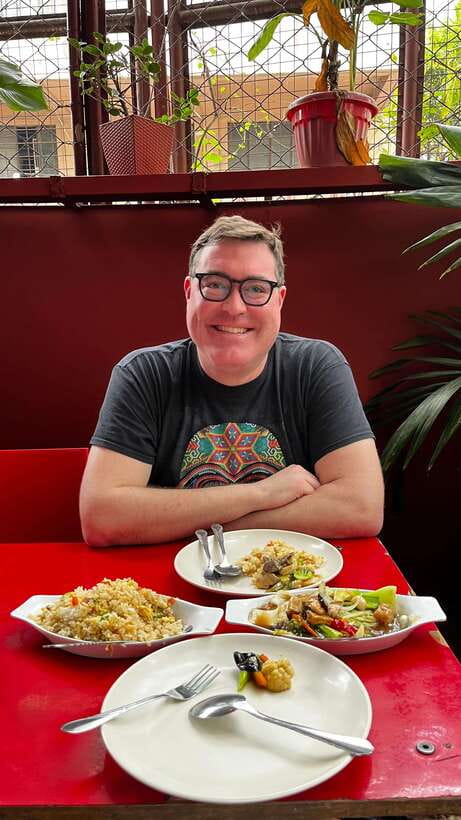
Eat lightly beforehand, or not at all if you can comfortably do so. The advice to come hungry is practical, especially with several food stops packed into a short period.
Tell the operator about dietary restrictions before the tour begins. Do not assume a substitute will be available, since vegan and vegetarian participants are not accepted for this experience.
Bring water, though a bottle is included. Wear shoes suited to walking and prepare for rain or heat. The route operates in all weather, and the fast pace can help you spend less time in the heat but may leave little room for long breaks.
Bring questions. The guide is there to explain the food and the area, and asking about ingredients, Chinese-Filipino cooking, old buildings, vendors, and local transport will make the short tour more useful.
Should you book the Binondo food tour?
Book it if you want a guided introduction to Manila’s Chinatown with a lot of tasting in a short time. The best reasons are the eight possible food stops, the mix of Binondo, Ongpin, and Quiapo, the historical context, and the sidecar ride.
Mari is a particularly good match if you want a lively guide who keeps the mood high and looks after the group. Tessie may suit you better if you prefer clear history and a calmer pace. Since the guide assignment is not guaranteed, ask who will lead your date if that matters to you.
Skip it if you are vegan or vegetarian, use a wheelchair, have heart problems, or need a slow and accessible route. Also skip it if $68 feels too high for food you could explore independently.
For everyone else, this is a practical way to get your bearings in Binondo while eating well. Just arrive hungry, expect a fast walk, and treat the weather and busy streets as part of the deal.
FAQ
Where does the Manila Chinatown food tour meet?
The meeting point is inside a cafe. When you arrive, ask the receptionist to look for Mari.
How long does the tour last?
The tour lasts two hours. You should check the available starting times when booking.
Which languages does the guide speak?
The live guide speaks English and Tagalog. The named guides are Mari and Tessie.
What is included in the price?
The price includes a local guide, Chinese street-food tastings, bottled water, and an experience using local transportation.
Is the tour suitable for vegetarians or vegans?
No. The experience is listed as unsuitable for both vegetarians and vegans.
Can I cancel or pay later?
You can cancel up to 24 hours in advance for a full refund. A reserve-now and pay-later option is also available.
Just added around Manila
- 3 Days Private Tour in Banaue Ifugao visiting Batad Rice Terraces★ 3.5 · 3 reviews
- Unforgettable Manila Fishing Village Day Excursion 2024★ 5.0 · 4 reviews
- indigenous Forest experience Manila 2023★ 5.0 · 4 reviews
- Cultural Dinner and Show in Manila★ 5.0 · 4 reviews
- Shared Old Manila Tour★ 5.0 · 5 reviews
- Shared Cruise Shore Excursion of Manila Old and New City Tour★ 4.0 · 10 reviews
- 5 Days Sagada Banaue Batad Discovery (PRIVATE GROUP TOUR Max 6 Travellers)★ 5.0 · 16 reviews
- Private Half-Day Manila with Rizal Park and Fort Santiago★ 4.5 · 5 reviews
Food & Drink, compared.
Manila Food Tour: Introduction to Philippine Street Food
Read our review →
Manila Food Tour: Explore World’s Oldest Chinatown
Read our review →
Street Food and Drinks Walking Tour with Tastings
Read our review →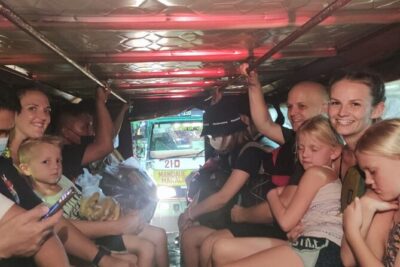
The Original Cebu City Historical and Food Walking Tour
Read our review →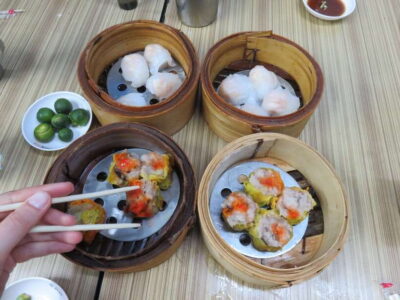
Manila’s Culinary Expedition: The Ultimate Food and Market Tour
Read our review →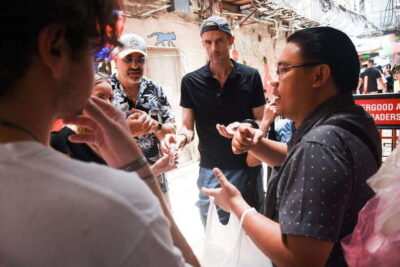
Makati Street Food Experience end with a Rooftop Bar
Read our review →Browse the lists this tour appears in